

- Medicines
- Personal Care
- Skin Cream
- Sunscreen
- Face Wash
- Skin and Body Soap
- Acne Care
- Body Lotions
- Moisturising Lotion
- Moisturising Cream
- Mosquito Repellent
- Moisturising Gel
- Body Wash
- Hair Oils
- Hair Shampoo
- Hair Conditioners
- Hair Supplements
- Hair Colour
- Hair Serum
- Hair Mask
- Hair Solutions
- Baby Diapers and Wipes
- Baby Lotion and Moisturising Cream
- Baby Bath Essentials
- Baby Skin Care
- Baby and Infant Food
- Baby Healthcare
- Women Multivitamins
- Ovulation Test Kit and Women Intimate Care
- Sanitary Pads
- Nutritional Drinks
- Condoms
- Lubricants
- Massage Gels
- Personal Body Massagers
- Men Performance Booster
- Sexual Health Supplements
- Massage Oils
- Ayurveda
- Tooth Paste
- Mouth Ulcer Gel
- Mouthwash
- Toothache and Gum Pain
- Tooth Brush
- Gargle Solution
- Orthopaedic Supports
- Adult Diapers
- Footwear
- Mobility and Support Accessories
- Urinary Support and Care
- Health Conditions
- Bone and Joint Care
- Digestive Care
- Eye Care
- Pain Relief
- Smoking Cessation
- Liver Care
- Stomach Care
- Cold and Cough
- Heart Care
- Kidney Care
- Piles, Fissures & Fistula
- Respiratory Care
- Mental Wellness
- Derma Care
- Pre and Probiotics
- Acidity
- Gas
- Constipation
- Loose Motion/Diarrhoea
- Digestive Fibres
- Digestive Enzymes
- Eye Lubricant Drops
- Lens Solution
- Safety Eye Wear
- Eye Cream
- Eye Vitamins and Supplements
- Eye Drops
- Eye Ointment and Gel
- Nicotine Patch
- Nicotine Gum
- Nicotine Lozenges
- Cough Syrups
- Chest Rubs and Balms
- Nasal Spray
- Lozenges
- Inhalant Capsules
- Cold and Cough Tablets
- Vitamins & Supplements
- Diabetes Care
- Healthcare Devices
- Homeopathic Medicine
- Health Guide
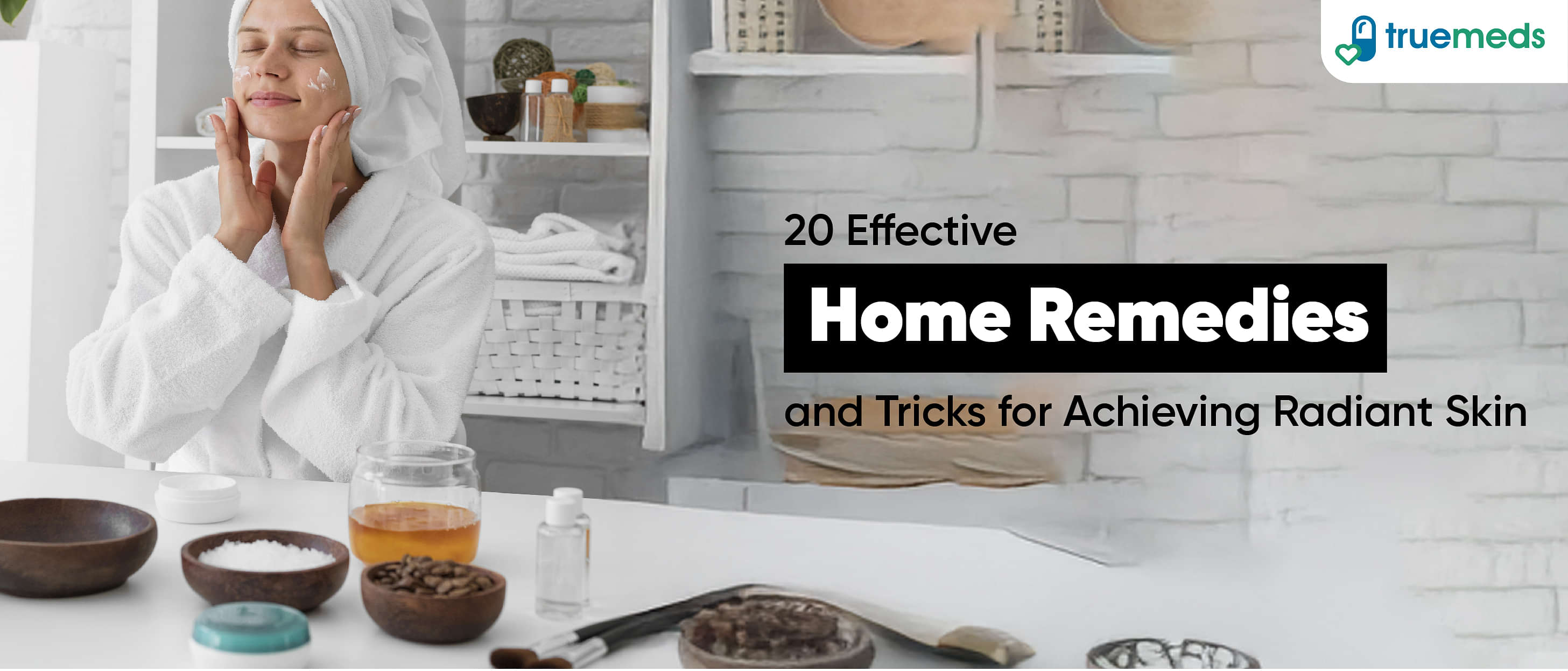
Top 17 Home Remedies and Tips for Glowing Skin
Last updated on : 20 Nov, 2025
Read time : 11 min
Who doesn’t wish for naturally radiant skin? While the market is filled with expensive serums and elaborate skincare routines, some ingredients traditionally used for skin health can often be found right in your kitchen.
Healthy, radiant skin is not only about what you apply on the outside but also a reflection of how well you care for your body from within.
In this blog, we’ll share 17 simple home remedies along with evidence-based skincare tips that may help temporarily improve your skin’s natural glow. Whether you’re dealing with dullness, dryness, or just aiming for a fresher look, these methods are easy to follow, gentle (when used correctly), and budget-friendly.
Let’s get started!
17 Home Remedies for Glowing Skin
Achieving healthy, glowing skin can be simpler than it seems. These 17 home remedies use everyday ingredients that may help support skin hydration and mild exfoliation.
Crucial Safety Note for Home Remedies: Always perform a patch test on a small, discreet area of skin (like behind the ear or inner forearm) before applying any new ingredient to your entire face to check for allergic reactions or irritation. Avoid the immediate eye area.
|
Remedy |
Key Benefit (Qualified Claim) |
How to Use |
| 1. Lemon and Honey | Honey is an excellent humectant (draws moisture) and has antimicrobial properties [1]. Caution: Lemon juice is highly acidic (potential irritant) and causes severe sun sensitivity (photosensitivity) [2]. Use only at night and rinse thoroughly. | Use with Extreme Caution. Apply a highly diluted mix of a few drops of lemon juice in pure honey (or water) to the skin. Leave for no more than 5 minutes, then rinse with warm water. Avoid sun exposure afterward. |
| 2. Milk and Turmeric | Turmeric (Curcumin) has well-documented antioxidant and anti-inflammatory properties [3]. Milk contains lactic acid, which provides mild, gentle chemical exfoliation. | Mix milk and turmeric to create a thin paste. Apply to the face. Let it sit for 10-15 minutes, then rinse off. |
| 3. Aloe Vera | Contains antioxidants and polysaccharides. Proven to be soothing, anti-inflammatory, and an effective moisturiser [4]. It helps regulate water balance and calms irritated skin. | Apply fresh or pure bottled aloe vera gel to your face. Leave on for 10-15 minutes, then rinse with cool water. |
| 4. Yoghurt with Cucumber | Yoghurt contains lactic acid for gentle exfoliation. Cucumber has high water content and cooling properties, helping to soothe and hydrate tired skin. | Blend cucumber and plain yoghurt into a smooth mixture. Apply for 15 minutes, then rinse off. |
| 5. Papaya | Papaya contains the enzyme papain, which acts as a natural enzymatic exfoliant (breaking down dead skin cells), potentially revealing brighter skin [5]. | Mash a ripe papaya and apply it as a face mask. Leave on for 10-15 minutes, then rinse with warm water. Avoid if sensitive to fruit enzymes. |
| 6. Honey and Oatmeal | Oatmeal (Colloidal Oats) is scientifically recognized as an anti-inflammatory, soothing, and protective agent for irritated skin [6]. Honey adds hydration. | Mix finely ground oatmeal and honey to create a scrub. Gently scrub your face in small circular motions and rinse with warm water. |
| 7. Juice from Tomatoes | Rich in Lycopene and Vitamin C (strong antioxidants) which benefit skin health when consumed. Caution: Topical application of pure tomato juice is highly acidic and may cause significant irritation and sun sensitivity. | Use with Extreme Caution. Dilute a small amount of tomato juice heavily with a carrier like honey. Limit application to 5 minutes, then rinse thoroughly. Avoid sun exposure afterward. |
| 8. Rose water | A toner that helps revitalise, mildly hydrate, and balance the skin’s pH. It is naturally soothing. | Apply rose water with a cotton pad after cleansing. Allow it to dry before applying moisturiser. |
| 9. Honey and Bananas | Banana is rich in Vitamins A, B, and E, offering moisturising and nourishing benefits. Honey further enhances hydration. | Blend honey and mashed ripe banana into a smooth paste. Apply for 15 minutes, then rinse off. |
| 10. Coconut Oil | An occlusive moisturiser packed with fatty acids that deeply nourish and lock in hydration. Caution: It is highly comedogenic (pore-clogging) and generally not recommended for oily or acne-prone skin as it may cause breakouts. | Apply a small amount to dry, non-acne-prone areas at night and gently wipe off excess in the morning. |
| 11. Turmeric and Gram Flour (Besan) | Turmeric helps reduce inflammation [3]. Gram flour (besan) acts as a mild physical exfoliant and absorbs excess surface oil, leaving the skin feeling smooth. | Mix milk, turmeric, and gram flour into a paste. Apply and let it dry. Gently scrub with water before rinsing off. |
| 12. Avocado | Packed with monounsaturated fatty acids and vitamins (E & C). Provides intensive hydration and barrier repair for dry skin. | Mash avocado into a smooth paste. Apply the mixture evenly for 15–20 minutes. Rinse off with lukewarm water. |
| 13. Green Tea | Contains polyphenols (catechins), which are powerful antioxidants and anti-inflammatory agents [7], [8]. Topical application can soothe inflammation and reduce redness. | Steep two green tea bags in hot water and refrigerate. Place the chilled, wet tea bags on your face (or mix the brewed liquid with clay) for 10-15 minutes, then remove/rinse. |
| 14. Almond Oil | Rich in Vitamin E, fatty acids, and antioxidants. It is an excellent emollient that nourishes the skin, helping to keep it soft and supple [9]. | Almond oil can be used as a gentle makeup remover or a nighttime moisturiser for dry skin. |
| 15. Juice from Potatoes | Traditionally used to fade blemishes and lighten dark circles. Contains catecholase enzyme, believed to have a mild brightening effect, though strong scientific evidence is limited. | Apply potato juice to your face. Let it sit for 10-15 minutes, then rinse off. |
| 16. Sandalwood | Often used in Ayurvedic practices for its ability to soothe the skin and reduce inflammation. Some studies suggest its antioxidant properties may offer protection against environmental damage. | Prepare a paste of sandalwood powder with rose water or milk. Apply the paste and let it dry. Then rinse off. |
| 17. Mint Leaves | Contains salicylic acid and menthol, which offer a cooling sensation. It may help mildly reduce breakouts due to antibacterial properties and provide a fresh, toned feeling. | Crush fresh mint leaves into a paste and mix with honey or rose water. Apply to your face, leave on for 10–15 minutes, and rinse with cool water. |
Effective Natural Tips for Radiant, Glowing Skin
Achieving glowing skin naturally involves a combination of healthy habits, proper skincare, and mindful choices. These tips offer the greatest impact on long-term skin health:
- Maintain Hydration: Stay hydrated by drinking lots of water throughout the day. Proper hydration supports skin plumpness and elasticity.
- Eat a Balanced Diet: Consume a diet rich in vitamins, minerals, and antioxidant-rich fruits and vegetables (especially berries, leafy greens, and citrus). What you eat directly impacts skin appearance.
- Get Enough Sleep: Try to get at least 7 to 9 hours of quality sleep every night. Sleep is crucial for the body’s natural repair and regeneration processes.
- Manage Stress: Participate in activities that help you relax and lower stress levels, such as yoga, meditation, or spending time outdoors. Stress management can improve inflammatory skin conditions.
- Avoid Smoking and Excessive Alcohol: Smoking damages collagen and restricts blood flow, while excessive alcohol causes dehydration, both of which dull the complexion.
- Engage in Regular Exercise: Exercise promotes good blood circulation, which helps deliver oxygen and nutrients to the skin cells, resulting in a healthy, radiant complexion.
Skincare Routine For Glowing Skin
A consistent and well-rounded skincare routine tailored to your skin type is essential for long-term results.
Here’s a simple, dermatologist-approved routine:
- Cleanse: Use a mild cleanser to remove contaminants, grime, and excess oil twice daily (morning and night).
- Exfoliate: To clear dead skin cells, exfoliate 1 to 3 times a week using a gentle chemical exfoliant (like AHA/BHA) or a very mild physical scrub. Over-exfoliation damages the skin barrier.
- Tone (Optional): Use a non-drying, hydrating toner to balance the skin’s pH and prepare it for treatment.
- Treat (As Needed): Apply targeted serums (e.g., Vitamin C in the morning for antioxidants, Retinoids at night for cell turnover) based on a dermatologist’s recommendation.
- Moisturise: Use a moisturiser appropriate for your skin type to keep your skin hydrated and support the barrier function.
- Protect: Apply a broad-spectrum sunscreen with an SPF of 30 or higher every morning, regardless of weather, to shield your skin from damaging UV radiation—this is the most important step for maintaining a glow and preventing ageing.
Facial Exercises For Glowing Skin
While facial exercises can temporarily improve muscle tone and blood flow, there is limited scientific evidence that they stimulate significant long-term collagen production or definitively reduce fine lines. They primarily work by increasing circulation, which can give the skin a temporary, healthy flush.
Here are a few popular exercises:
- Cheek Lifts: Raise your cheeks toward your eyes while grinning broadly and holding the position for a few seconds.
- Smoothing Your Forehead: Gently smooth your forehead vertically with your fingers, working from the brows up to the hairline.
- Jaw Release: Open your mouth wide, as if yawning, and move your jaw side to side, then close.
- Neck Stretch: Stretch your neck by inclining your head back gently and pressing your tongue firmly against your palate.
Achieving healthy, glowing skin doesn’t have to be complicated or expensive. Consistency in sun protection, hydration, and nutrition is your primary tool. Simple home remedies can offer temporary support, but for serious or persistent skin concerns, always consult a professional.
Expert Quote:
“Skincare products and routines are important for achieving a radiant and glowing complexion. However, lifestyle factors, specifically daily sun protection, a nutritious diet, and adequate sleep, are the foundational pillars of skin health. Do not fall for quick fixes or use highly acidic home remedies like pure lemon or tomato juice without first understanding the high risk of irritation and sun damage they pose. Always consult a dermatologist before starting any intense new routine.”
–Dr. Boban Raju
Frequently Asked Questions (FAQs)
How can I glow up my face naturally?
You can improve your face’s glow naturally by adopting a consistent, gentle skincare routine that includes cleansing, moisturising, and daily SPF 30+ sun protection. Additionally, prioritise getting 7-9 hours of sleep, maintaining hydration, and consuming a diet rich in antioxidants. Home remedies like aloe vera or a gentle oatmeal mask may offer temporary benefits.
How can I get glowing skin in just 7 days?
There is no safe or sustainable quick fix for getting glowing skin in just 7 days. Significant skin changes take weeks due to the skin cell turnover cycle. However, following a strict routine of cleansing, moisturising, and daily sun protection, along with consuming lots of water and fresh produce, may improve your skin’s hydration and appearance within a week.
How to brighten skin naturally?
Natural skin brightening is achieved safely through consistent use of daily sunscreen (to prevent darkening) and gentle exfoliation (to remove dull surface cells). Ingredients like Vitamin C (in serums) or natural ingredients like turmeric or papaya (for mild enzymatic action) may help, but results require time and consistency.
Why doesn’t my face glow?
The lack of glow (dullness) can be caused by several factors, most commonly: poor exfoliation (dead skin cell buildup), dehydration, lack of sleep, chronic stress, poor diet, and sun damage (which causes an uneven, rough texture). Consulting a dermatologist can help pinpoint the exact cause and recommend a targeted solution.
References
[1] Leong, E. J., Tan, L. F., Yap, V. L., Rajagopal, M., & Chandran, R. (2024). Cosmetological applications of Citrus limon: A mini-review. Indian Journal of Natural Products and Resources, 15(2). https://doi.org/10.56042/ijnpr.v15i2.11488
[2] Feily, A., & Pazyar, N. (2013). Honey in dermatology and cosmetology: A review. Indian Journal of Dermatology, 58(5), 373–378. https://doi.org/10.4103/0019-5154.110037
[3] Vaughn, A. R., Branum, A., & Sivamani, R. K. (2016). Effects of Turmeric (Curcuma longa) on Skin Health: A Systematic Review of the Clinical Evidence. Phytotherapy Research, 30(7), 1243–1264. https://doi.org/10.1002/ptr.5640
[4] Hęś, M., Dziedzic, K., Górecka, D., Jędrusek-Golińska, A., & Gujska, E. (2019). Aloe vera (L.) Webb.: Natural Sources of Antioxidants – A Review. Plant Foods for Human Nutrition, 74(3), 255–265. https://doi.org/10.1007/s11130-019-00747-5
[5] Thulasiayyah, M. S., Arthanari, S., Palanivel, A., Rameshkumar, H., & Sivakumar, H. (2025). A gifted cosmetic potential of papaya: A review. International Journal of Pharmacognosy and Pharmaceutical Sciences, 7(1), 11–19. https://doi.org/10.33545/27067009.2025.v7.i1a.161
[6] Feily, A., Kazerouni, A., Pazyar, N., & Yaghoobi, R. (2012). Oatmeal in dermatology: A brief review. Indian Journal of Dermatology, Venereology, and Leprology, 78(2), 142. https://doi.org/10.4103/0378-6323.93629
[7] OyetakinWhite, P., Tribout, H., & Baron, E. (2012). Protective Mechanisms of Green Tea Polyphenols in Skin. Oxidative Medicine and Cellular Longevity, 2012, 560682. https://doi.org/10.1155/2012/560682
[8] Ohishi, T., Goto, S., Monira, P., Isemura, M., & Nakamura, Y. (2016). Anti-inflammatory Action of Green Tea. Anti-Inflammatory & Anti-Allergy Agents in Medicinal Chemistry, 15(2), 74–90. https://doi.org/10.2174/1871523015666160915154443
[9] Ahmad, Z. (2010). The uses and properties of almond oil. Complementary Therapies in Clinical Practice, 16(1), 10–12. https://doi.org/10.1016/j.ctcp.2009.06.015















Disclaimer
Our healthcare experts have carefully reviewed and compiled the information presented here to ensure accuracy and trustworthiness. It is important to note that this information serves as a general overview of the topic and is for informational purposes only. It is not intended to diagnose, prevent, or cure any health problem. This page does not establish a doctor-patient relationship, nor does it replace the advice or consultation of a registered medical practitioner. We recommend seeking guidance from your registered medical practitioner for any questions or concerns regarding your medical condition.
Popular Articles


Recommended Articles



Recent Articles










Company
About UsHealth ArticleHealth StoriesHealth LibraryDiseases & Health ConditionsAyurvedaUnderstanding Generic MedicinesAll MedicinesAll BrandsNeed HelpFAQSecuritySubscribe
Registered Office Address
Grievance Officer
Download Truemeds


Contact Us
Our customer representative team is available 7 days a week from 9 am - 9 pm.
v4.11.1

2026 - Truemeds | All rights reserved. Our content is for informational purposes only. See additional information.

Our Payment Partners




