

- Medicines
- Personal Care
- Skin Cream
- Sunscreen
- Face Wash
- Skin and Body Soap
- Acne Care
- Body Lotions
- Moisturising Lotion
- Moisturising Cream
- Mosquito Repellent
- Moisturising Gel
- Body Wash
- Hair Oils
- Hair Shampoo
- Hair Conditioners
- Hair Supplements
- Hair Colour
- Hair Serum
- Hair Mask
- Hair Solutions
- Baby Diapers and Wipes
- Baby Lotion and Moisturising Cream
- Baby Bath Essentials
- Baby Skin Care
- Baby and Infant Food
- Baby Healthcare
- Women Multivitamins
- Ovulation Test Kit and Women Intimate Care
- Sanitary Pads
- Nutritional Drinks
- Condoms
- Lubricants
- Massage Gels
- Personal Body Massagers
- Men Performance Booster
- Sexual Health Supplements
- Massage Oils
- Ayurveda
- Tooth Paste
- Mouth Ulcer Gel
- Mouthwash
- Toothache and Gum Pain
- Tooth Brush
- Gargle Solution
- Orthopaedic Supports
- Adult Diapers
- Footwear
- Mobility and Support Accessories
- Urinary Support and Care
- Health Conditions
- Bone and Joint Care
- Digestive Care
- Eye Care
- Pain Relief
- Smoking Cessation
- Liver Care
- Stomach Care
- Cold and Cough
- Heart Care
- Kidney Care
- Piles, Fissures & Fistula
- Respiratory Care
- Mental Wellness
- Derma Care
- Pre and Probiotics
- Acidity
- Gas
- Constipation
- Loose Motion/Diarrhoea
- Digestive Fibres
- Digestive Enzymes
- Eye Lubricant Drops
- Lens Solution
- Safety Eye Wear
- Eye Cream
- Eye Vitamins and Supplements
- Eye Drops
- Eye Ointment and Gel
- Nicotine Patch
- Nicotine Gum
- Nicotine Lozenges
- Cough Syrups
- Chest Rubs and Balms
- Nasal Spray
- Lozenges
- Inhalant Capsules
- Cold and Cough Tablets
- Vitamins & Supplements
- Diabetes Care
- Healthcare Devices
- Homeopathic Medicine
- Health Guide
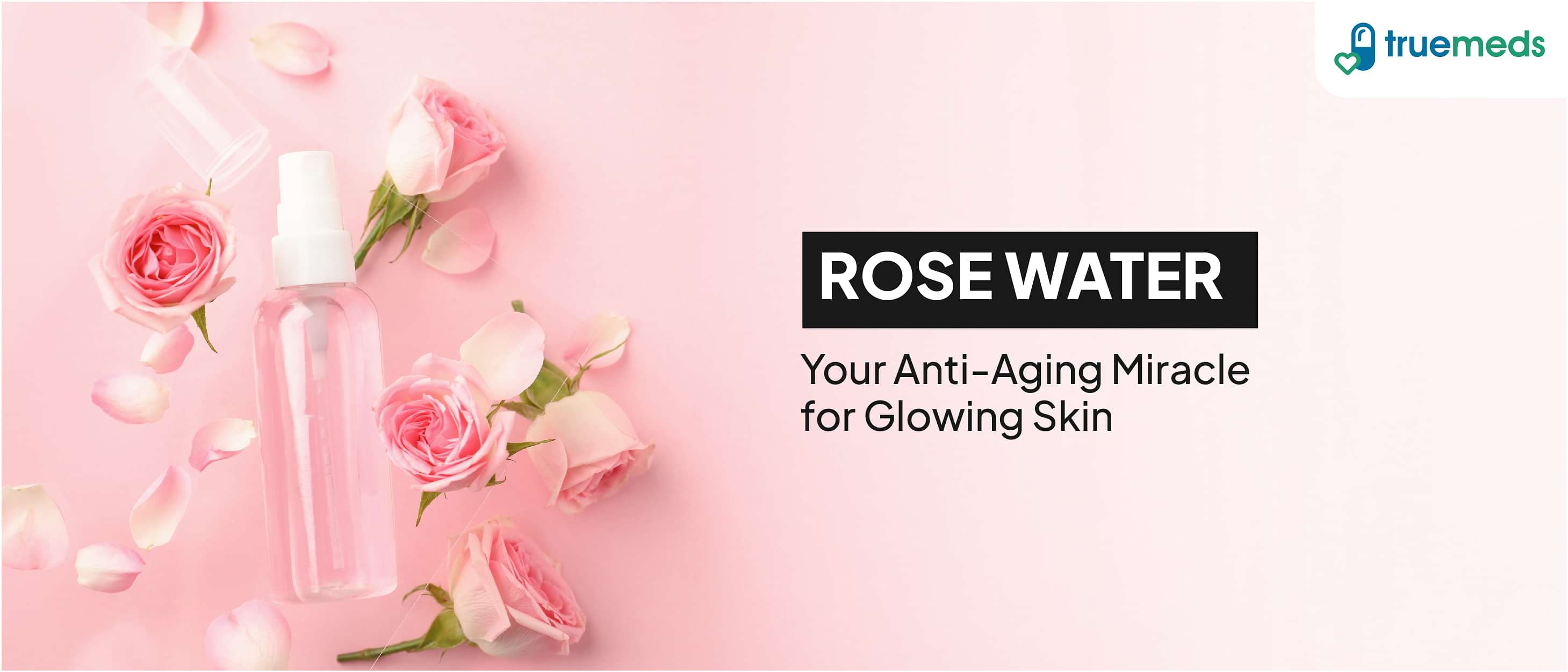
6 Amazing Benefits of Rose Water for Your Face
Last updated on :23 Feb, 2026
Read time :8 min
Rose water has been used in traditional beauty practices for many years and continues to be used in modern skincare routines. Distilled from fresh rose petals, rose water contains compounds that may provide mild anti-inflammatory, antioxidant, and antibacterial support.
If you experience occasional redness, want light hydration, or prefer a refreshed skin appearance, rose water may help support overall skin comfort. Here’s why it deserves a spot in your daily routine.
Benefits of Rose Water for the Face
Rose water is a commonly used natural skincare ingredient with several potential uses for facial care. It is commonly associated with providing hydration, mild astringent effects, and antioxidant support [1].
Here are the 6 key benefits of rose water for your face and skin:
1. May Help to Calm and Soothe Irritated Skin
Rose water is known for its mild anti-inflammatory properties that may help calm minor skin irritation and itching [2]. This soothing effect may be beneficial for sensitive skin or skin that is temporarily irritated. By acting as a natural humectant, it may help support skin hydration and reduce dryness, contributing to overall skin comfort.
2. Temporarily Reduces Mild Redness
Due to its anti-inflammatory and antioxidant compounds, rose water may help support skin comfort and potentially reduce mild surface redness caused by temporary factors such as slight sun exposure or irritation [2]. It can support a more even-toned complexion while shielding the skin from some forms of oxidative stress and free radicals [4].
3. Exhibits Antimicrobial Support for the Skin
Rose water exhibits mild antiseptic and antibacterial properties that may support the prevention of bacterial spread on the skin, including strains relevant to acne [3], [1]. Regular use as a toner can help keep the skin surface clean and balanced without harsh drying. It is not a standalone treatment for active acne or bacterial infections.
4. May Provide Antioxidant Support
Rose water is rich in antioxidants, including phenolic compounds and flavonoids, which are bioactive plant compounds [1]. These components may help the skin cope with environmental stressors such as pollution and UV exposure by neutralising free radicals, which may contribute to slower visible skin ageing over time [4]. Please note that rose water does not replace sunscreen and should not be relied upon for UV protection.
5. Supports Healing of Minor Skin Injuries
With its antiseptic and soothing properties, rose water may help provide a clean, calming environment for minor, superficial skin irritation (not open wounds or infections) [1]. It may provide cooling and calming to the affected areas, reducing mild redness and swelling, and supporting natural recovery.
6. Offers Supportive Anti-Ageing Benefits
Rose water’s antioxidant content may help support the skin against oxidative stress that contributes to visible signs of ageing [4]. By helping the skin cope with free radicals and oxidative stress, rose water may support overall skin health and contribute to a smoother appearance over time, especially when used alongside daily sunscreen.
DIY Rose Water Face Pack for Glowing Skin
Ingredients:
- 2 tablespoons rose water
- 1 tablespoon sandalwood powder (or multani mitti)
- 1 teaspoon honey
Instructions:
- In a bowl, mix rose water and sandalwood powder (or multani mitti) to form a smooth paste.
- Add honey and stir well.
- Apply the mixture evenly on your face and neck. Leave it on for 10-15 minutes.
- Rinse with lukewarm water and use gentle, circular motions to wash off the paste and pat dry.
Note: This face pack is intended for cosmetic use only. Results may vary based on skin type. Always perform a patch test before first use and discontinue if irritation occurs. Consult a dermatologist if you have sensitive skin or an existing skin condition.
How to Use Rose Water on Face
To incorporate rose water into your skincare routine effectively, follow these simple steps:
- As a Toner: Dab onto clean skin with a cotton pad after cleansing to help refresh the skin and remove residual impurities.
- As a Mist: Spritz throughout the day to provide lightweight hydration and refresh makeup.
- As a Base or Setting Spray: Apply before or after makeup for a dewy finish.
- As an Ingredient: Add to clay face packs or masks to provide moisture and soothing properties, enhancing their overall effectiveness.
- For Soothing: Use a chilled cotton pad soaked in rose water to calm mild redness, razor burns, or irritation temporarily.
Conclusion
Rose water isn’t just a pretty addition to your vanity; it’s a gentle and effective botanical aid in skincare. With its hydrating, soothing, and antioxidant-rich properties, it’s ideal for naturally supporting a range of mild skin concerns. Use it as a toner, mist, or face pack ingredient as part of a regular routine, where some users may notice improvements in skin comfort and hydration over time. Just remember that rose water is a supportive ingredient, not a cure, and always check for any allergic reactions.
Expert Quote:
“Rose water is a gentle yet effective botanical that hydrates, soothes mild inflammation, and balances the skin, making it a timeless choice for all skin types. It is particularly valuable for its antioxidant content and its ability to improve the tolerability of other skincare treatments.”
-Dr. Kavya Rejikumar
Frequently Asked Questions (FAQs)
Can we apply rose water on the face daily?
Yes, pure, high-quality rose water can safely be incorporated into your daily skincare routine (morning and night). However, it’s advisable to perform a patch test first to ensure no adverse reactions.
Does rose water lighten skin?
Rose water may help reduce redness and promote a more balanced, even-toned complexion, making the skin appear brighter. However, it does not significantly lighten the skin or alter natural melanin production, unlike prescription brighteners.
What are the side effects of rose water on the face?
The potential side effects of pure rose water are minimal but may include mild skin irritation or allergic reactions (contact dermatitis), especially in individuals with sensitive skin. Always check the ingredient label for added fragrances or alcohol, which are common irritants.
Can rose water remove pimples?
Rose water has mild anti-inflammatory and antibacterial properties that may help soothe the redness and swelling associated with mild acne and combat acne-causing bacteria [1]. However, it is not strong enough to treat moderate-to-severe pimples or cystic acne on its own and should be used alongside medical acne treatments.
Can I sleep with rose water on my face?
Yes, you can leave pure rose water on your face overnight. Ensure it is pure and suitable for your skin type to avoid potential irritation.
Who should not use rose water?
Individuals with a known allergy to rose plants or related florals should avoid rose water. Also, those with highly sensitive skin who experience irritation during a patch test should use rose water with caution or avoid it altogether.
Which age group can use rose water?
Rose water is generally suitable for all ages, from children to the elderly, due to its gentle nature. However, it’s recommended to consult a healthcare professional if using it on children or if you have specific skin concerns.
Which brand is best for rose water?
There is no single “best” brand. Look for products labeled as 100% pure rose hydrosol or steam-distilled rose water to minimise the risk of irritation. Avoid brands with added synthetic fragrances, alcohol, or artificial colours.
Can I apply rose water to my hair?
Yes, while primarily used for skin, rose water can also be applied to hair to add shine, reduce mild dandruff, and improve scalp health due to its antioxidant and anti-inflammatory properties.
References
[1] Wang, H. (2023). Beneficial medicinal effects and material applications of rose. Heliyon, 10(1), e23530. https://doi.org/10.1016/j.heliyon.2023.e23530
[2] Lee, M.-H., Nam, T. G., Lee, I., Shin, E. J., Han, A.-R., Lee, P., Lee, S.-Y., & Lim, T.-G. (2018). Skin anti-inflammatory activity of rose petal extract (Rosa gallica) through reduction of MAPK signaling pathway. Food Science & Nutrition, 6(8), 2560–2567. https://doi.org/10.1002/fsn3.870
[3] Used for general antimicrobial context, not direct rose water claim]: Zu, Y., Yu, H., Liang, L., Fu, Y., Efferth, T., Liu, X., & Wu, N. (2010). Activities of ten essential oils towards Propionibacterium acnes and PC-3, A-549 and MCF-7 cancer cells. Molecules, 15(5), 3200–3210. https://doi.org/10.3390/molecules15053200
[4] Abidi, S., Shaheen, N., Azher, I., & Mahmood, Z. A. (2018). Photoprotective and antioxidant activities along with phytochemical investigation of rose water. International Journal of Pharmaceutical Sciences and Research, 9(12), 5320–5326. https://doi.org/10.13040/IJPSR.0975-8232.9(12).5320-26













Disclaimer
Our healthcare experts have carefully reviewed and compiled the information presented here to ensure accuracy and trustworthiness. It is important to note that this information serves as a general overview of the topic and is for informational purposes only. It is not intended to diagnose, prevent, or cure any health problem. This page does not establish a doctor-patient relationship, nor does it replace the advice or consultation of a registered medical practitioner. We recommend seeking guidance from your registered medical practitioner for any questions or concerns regarding your medical condition.
Recent Articles



Company
About UsHealth ArticleHealth StoriesHealth LibraryDiseases & Health ConditionsAyurvedaUnderstanding Generic MedicinesAll MedicinesAll BrandsNeed HelpFAQSecuritySavings CalculatorSubscribe
Registered Office Address
Grievance Officer
Download Truemeds


Contact Us
Our customer representative team is available 7 days a week from 9 am - 9 pm.
v4.23.4

2026 - Truemeds | All rights reserved. Our content is for informational purposes only. See additional information.

Our Payment Partners