

- Medicines
- Personal Care
- Skin Cream
- Sunscreen
- Face Wash
- Skin and Body Soap
- Acne Care
- Body Lotions
- Moisturising Lotion
- Moisturising Cream
- Mosquito Repellent
- Moisturising Gel
- Body Wash
- Hair Oils
- Hair Shampoo
- Hair Conditioners
- Hair Supplements
- Hair Colour
- Hair Serum
- Hair Mask
- Hair Solutions
- Baby Diapers and Wipes
- Baby Lotion and Moisturising Cream
- Baby Bath Essentials
- Baby Skin Care
- Baby and Infant Food
- Baby Healthcare
- Women Multivitamins
- Ovulation Test Kit and Women Intimate Care
- Sanitary Pads
- Nutritional Drinks
- Condoms
- Lubricants
- Massage Gels
- Personal Body Massagers
- Men Performance Booster
- Sexual Health Supplements
- Massage Oils
- Ayurveda
- Tooth Paste
- Mouth Ulcer Gel
- Mouthwash
- Toothache and Gum Pain
- Tooth Brush
- Gargle Solution
- Orthopaedic Supports
- Adult Diapers
- Footwear
- Mobility and Support Accessories
- Urinary Support and Care
- Health Conditions
- Bone and Joint Care
- Digestive Care
- Eye Care
- Pain Relief
- Smoking Cessation
- Liver Care
- Stomach Care
- Cold and Cough
- Heart Care
- Kidney Care
- Piles, Fissures & Fistula
- Respiratory Care
- Mental Wellness
- Derma Care
- Pre and Probiotics
- Acidity
- Gas
- Constipation
- Loose Motion/Diarrhoea
- Digestive Fibres
- Digestive Enzymes
- Eye Lubricant Drops
- Lens Solution
- Safety Eye Wear
- Eye Cream
- Eye Vitamins and Supplements
- Eye Drops
- Eye Ointment and Gel
- Nicotine Patch
- Nicotine Gum
- Nicotine Lozenges
- Cough Syrups
- Chest Rubs and Balms
- Nasal Spray
- Lozenges
- Inhalant Capsules
- Cold and Cough Tablets
- Vitamins & Supplements
- Diabetes Care
- Healthcare Devices
- Homeopathic Medicine
- Health Guide
Iodine Deficiency
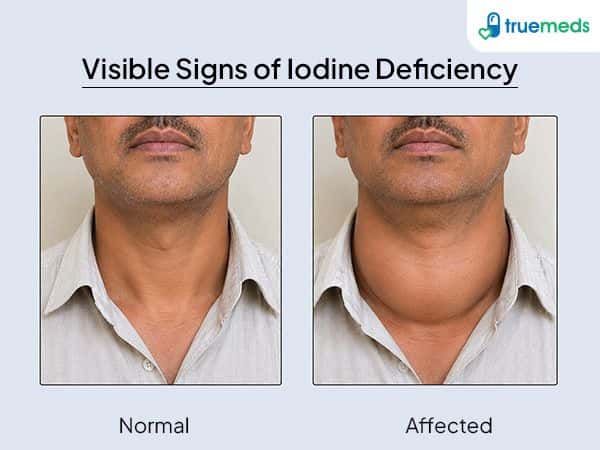
Iodine deficiency is a condition that occurs when the body lacks sufficient iodine, a crucial element necessary for the production of thyroid hormones. This deficiency can lead to various health issues, ranging from mild to severe, affecting both adults and children (WHO (2025)). Symptoms of iodine deficiency include swelling in the neck, weight gain, fatigue, hair loss, dry skin, feeling cold, slow heart rate, and learning and memory difficulties.
 50
50Last updated on : 06 Jul, 2026
Read time : 11 mins

Overview of Disease
Iodine is a vital micronutrient that plays a critical role in the proper functioning of the human body. It is essential for the production of thyroid hormones, which regulate various bodily functions, including metabolism, growth, and brain development. When the body does not receive enough iodine through the diet, it can lead to a condition known as iodine deficiency. This deficiency can have far-reaching consequences, affecting individuals of all ages, but it is particularly concerning for pregnant women and their developing babies.
What is Iodine Deficiency?
Iodine deficiency occurs when the body lacks sufficient iodine, an essential mineral required for thyroid function and overall health. The primary cause of this deficiency is inadequate dietary intake of iodine-rich foods. Since iodine plays a crucial role in producing thyroid hormones, its deficiency is the leading cause of thyroid disorders, including hypothyroidism and goitre.
Key Factors about Iodine Deficiency
| Category | Details |
| Also Referred to as | Iodine Deficiency Disorders (IDD); may lead to conditions such as hypothyroidism, goitre, and cretinism |
| Commonly Occurs In | Developing countries in Africa, Asia, Latin America, and parts of Europe, particularly in inland and mountainous regions with low soil iodine content |
| Type | Nutritional deficiency |
| Common Signs | Goitre, weight gain, fatigue, weakness, thinning hair, dry skin, slowed heart rate, learning and memory difficulties, heavy or irregular periods |
| Consulting Specialist | Endocrinologist |
| Treatment Procedures | Taking iodine supplements, using iodised salt, and making dietary changes |
| Managed By | Iodine supplementation and dietary modification under medical guidance |
| Mimicking Condition | Hypothyroidism, anaemia, depression, and chronic fatigue syndrome |
Symptoms of Iodine Deficiency
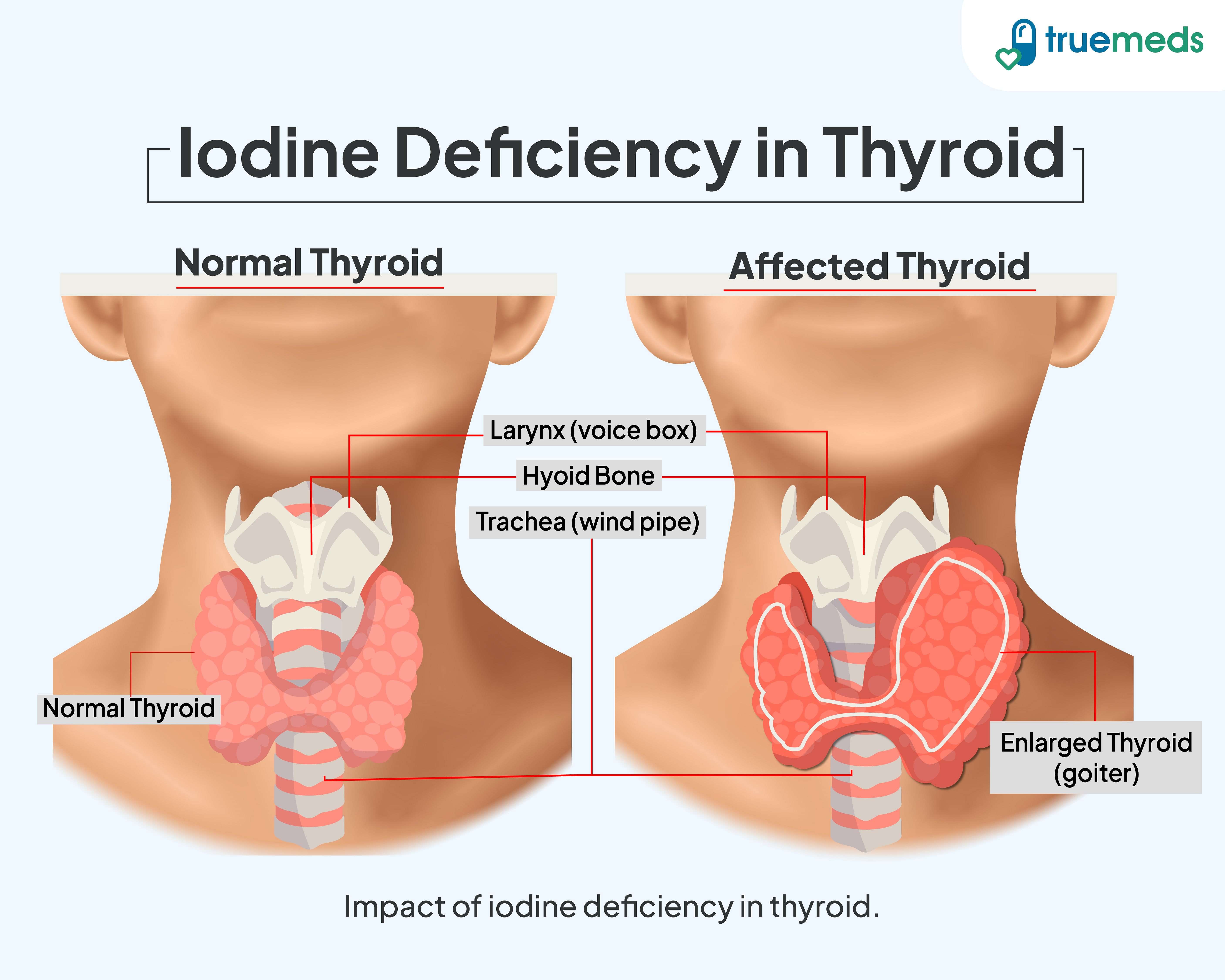
You can tell if you have an iodine deficiency by noticing its effects on your thyroid.
One of the first signs is an enlarged thyroid, known as a goitre. The thyroid grows bigger because it struggles to make enough thyroid hormones. If you have a goitre, you may feel:
- Choking sensation
- Difficulty swallowing
- Trouble breathing
Hypothyroidism is another common sign. This happens when low iodine levels prevent the thyroid from making enough hormones. It slows down metabolism, leading to:
- Fatigue
- Weight gain
- Feeling cold easily
- Symptoms of iodine deficiency include swelling in the neck (goitre), weight gain, fatigue, weakness, hair loss, dry skin, feeling cold, slow heart rate, learning and memory difficulties, depression, thick or puffy skin, constipation, heavy or irregular periods, infertility, and pregnancy complications NIH (2024).
Additional Symptoms
In addition to the key symptoms mentioned above, individuals with iodine deficiency may experience depression, as thyroid hormones play a role in mood regulation. The skin may become thick and puffy, particularly on the face.
Digestive issues such as constipation may arise due to the slowing down of bodily functions. Women may notice changes in their menstrual cycles, with periods becoming heavy or irregular. Iodine deficiency can also lead to infertility and pregnancy complications, as adequate iodine is crucial for foetal development.
Causes of Iodine Deficiency
There are various key factors leading to iodine deficiency, including:
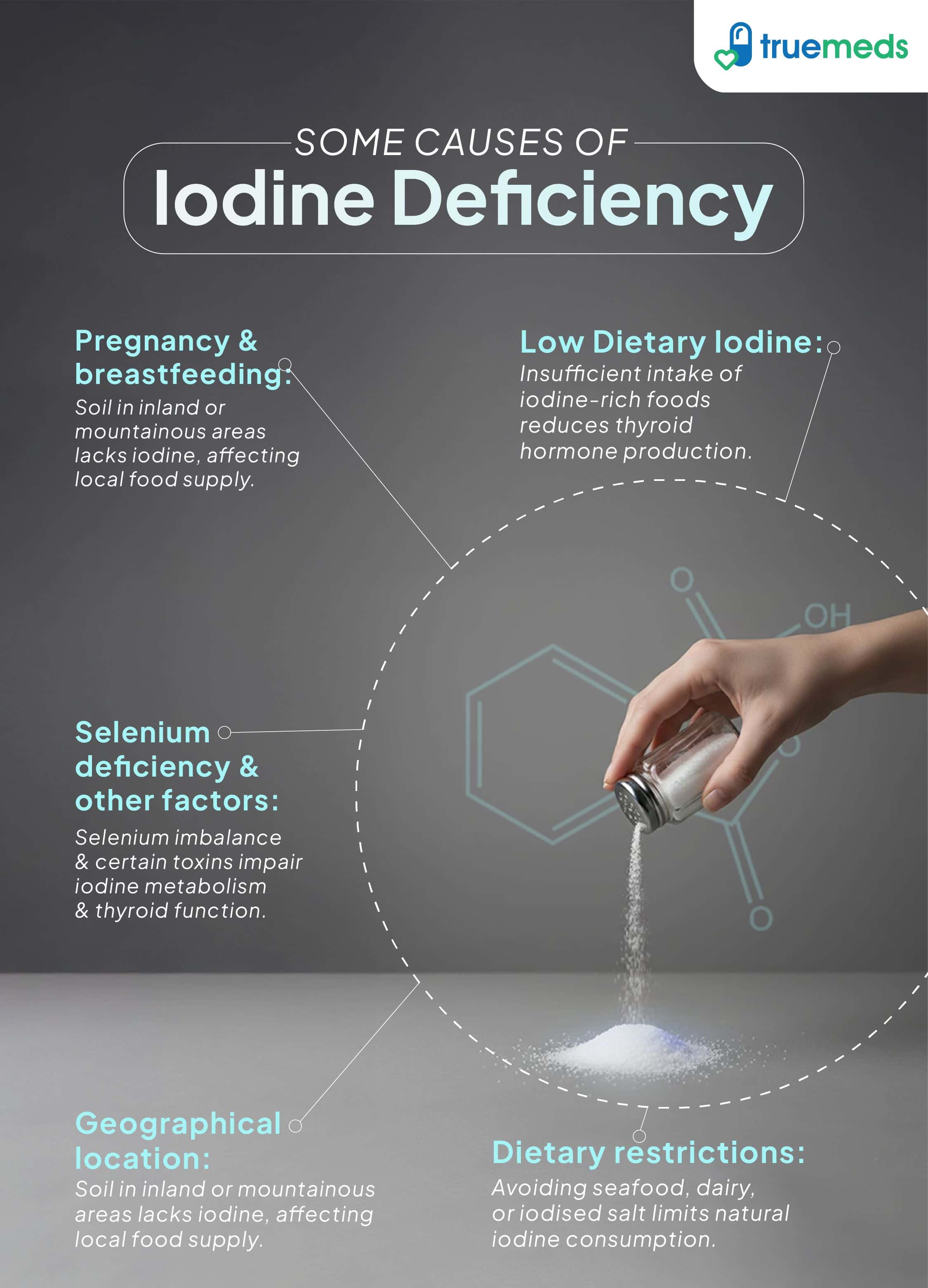
- Low Dietary Iodine: The primary cause of iodine deficiency is a lack of sufficient iodine in the diet. This can result from consuming foods that are grown in iodine-poor soil or not using iodised salt.
- Geographical location: People living in mountainous or inland areas are more prone to iodine deficiency due to lower iodine content in the soil and water, resulting in reduced dietary intake.
- Pregnancy and breastfeeding: Pregnant and breastfeeding women have higher iodine requirements, making them more susceptible to iodine deficiency if these needs are not met.
- Dietary restrictions: Following a diet that restricts iodine-rich foods, such as seafood and dairy products, can lead to an iodine deficiency disease caused by a lack of iodine in the body.
- Selenium deficiency and other factors: Selenium deficiency, radiation exposure, and increased intake of goitrogens can also contribute to iodine deficiency.
Although iodine deficiency is rare in many developed regions due to iodine-fortified salt and readily available seafood, it remains a widespread issue in many developing countries. Populations living in inland regions or high-altitude areas often lack access to iodine-rich foods such as seafood and dairy. Additionally, in some parts of the world, iodine is not routinely added to table salt, increasing the risk of deficiency. Ensuring adequate iodine intake through diet or supplementation is crucial for maintaining proper thyroid function and overall well-being
Risk Factors
Certain groups are at a higher risk of developing iodine deficiency due to factors such as age, location, and dietary habits. Identifying these at-risk populations is crucial for targeting iodine deficiency prevention and treatment efforts effectively.
- Pregnant and Breastfeeding Women: Due to their higher iodine requirements, these women are at a greater risk of iodine deficiency.
- Unborn and Newborn Babies: Iodine deficiency in pregnant women can lead to congenital iodine deficiency syndrome in newborns, resulting in intellectual disabilities and developmental delays like cretinism.
- People Living in Iodine-Poor Areas: Inland and mountainous regions with low iodine content in the soil and water increase the risk of iodine deficiency among the local population.
- Individuals with Dietary Restrictions: Those who follow diets that limit iodine-rich foods or use non-iodised salt are more likely to develop a lack of iodine that can cause health problems.
Iodine deficiency can affect people of all ages, but some groups are more vulnerable than others. Globally, it remains a significant public health issue, particularly in developing countries where access to iodine-rich foods and iodised salt may be limited.
Complications
Iodine deficiency can lead to a range of serious complications, particularly affecting the thyroid gland, brain development, and overall health. The most common complication is hypothyroidism, an underactive thyroid gland, which can cause symptoms such as severe tiredness, muscle weakness, unexpected weight gain, depression, thick, puffy skin, difficulty concentrating, a weak and slow heartbeat, dry skin, hair loss, feeling cold, and constipation.
Iodine deficiency is also the main cause of preventable brain damage in childhood, leading to impaired cognitive and motor development. This can result in a loss of 10–15 IQ points at a population level and increase the risk of intellectual disability and neurological disorders. In severe cases, iodine deficiency can lead to endemic cretinism, characterised by irreversible alterations in brain development, intellectual disability, and physical disabilities.
In females, iodine insufficiency can cause fertility problems and pregnancy complications such as miscarriage, stillbirth, and premature birth. Pregnant women must have adequate iodine for the healthy development of the foetus, especially the brain. Other potential complications include heavy or irregular periods in women, autoimmune thyroid diseases, and an increased risk of thyroid or other cancers. Diagnosing iodine deficiency is essential for preventing these complications.
Prevention of Iodine Deficiency
Preventing iodine deficiency is crucial for maintaining overall health and preventing the development of iodine deficiency disorders. The most effective way to prevent iodine insufficiency is to consume a balanced diet rich in iodine-containing foods. Some of the best dietary sources of iodine include iodised table salt, seafood such as cod, shrimp, and oysters, seaweed like nori and kombu, eggs, dairy products including yoghurt, cheese, and milk, and meats such as beef and beef liver.
1. Use of iodised salt
One of the simplest and most effective ways to ensure adequate iodine intake is by using iodised salt when cooking or adding salt to food. Unlike other types of salt, such as sea salt, kosher salt, Himalayan salt, and fleur de sel, iodised salt is fortified with iodine to help meet daily requirements. Incorporating iodised salt into your diet can significantly reduce the risk of developing iodine deficiency and its associated complications.
2. Supplements for specific groups
While a balanced diet is generally sufficient for most people to maintain adequate iodine levels, certain groups may benefit from iodine supplements. Vegans, pregnant women, and breastfeeding mothers may be at a higher risk of iodine insufficiency due to their increased iodine requirements. Prenatal vitamins containing iodine are particularly important for pregnant women to ensure they meet the higher iodine needs of 220 mcg per day. Breastfeeding women require even more iodine, with a daily recommended intake of 290 mcg per day.
3. Community-based strategies
At a population level, the iodisation of salt has proven to be a highly effective public health strategy to increase iodine intake and prevent iodine deficiency disorders. This approach has been successful in eradicating endemic goitre and cretinism in many countries worldwide. By ensuring that the salt available in communities is adequately iodised, the risk of iodine deficiency can be significantly reduced, promoting better health outcomes for entire populations. Governments and health organisations implement programs to monitor iodine levels in the population, fortify foods, and educate the public about the importance of iodine for health.
By addressing iodine deficiency through supplementation, treating associated conditions, and implementing preventive measures, the adverse effects of this micronutrient deficiency can be effectively managed and prevented.
Treatment & Management
The primary goal in treating iodine deficiency is to restore adequate iodine levels, support thyroid hormone synthesis, and prevent or reverse complications such as goitre, hypothyroidism, or developmental delays. Early intervention and consistent supplementation are key to ensuring optimal thyroid health. Here are the recommended treatment approaches for iodine deficiency.
1. Iodine Supplementation
Iodine supplementation is the cornerstone of prevention and treatment for iodine deficiency disorders, especially in regions where dietary iodine intake is chronically low due to soil depletion or lack of iodised salt use. Universal salt iodisation is recommended by WHO as a safe and effective strategy.
- Potassium Iodide: A readily absorbable iodine salt that replenishes iodine stores in the body and supports healthy thyroid hormone production. Often used in oral tablet form or added to food-grade salt.
- Iodised Salt: Fortified table salt is a widely used public health intervention. Daily use ensures a consistent, safe intake of iodine in both adults and children.
- Iodine Drops or Syrups: These are especially recommended for infants, children, or pregnant women in high-risk or endemic areas where dietary sources are inadequate.
Iodine supplementation helps to:
- Restore normal iodine balance in the body
- Stimulate healthy thyroid hormone synthesis
- Reverse early signs of iodine deficiency, such as mild goitre or fatigue
- Prevent neurological and developmental issues in infants and children
- Support foetal brain development during pregnancy
2. Hormonal Support for Thyroid Function
In cases where iodine deficiency has persisted long enough to impair thyroid function, especially leading to hypothyroidism, hormonal replacement therapy becomes necessary to normalise metabolism and correct symptoms.
- Levothyroxine: A synthetic form of thyroxine (T4), this medication restores normal thyroid hormone levels in individuals with iodine-deficiency-induced hypothyroidism. It helps regulate metabolic functions, energy balance, and thermoregulation.
- Liothyronine (in select cases): Sometimes used alongside levothyroxine in patients with persistent symptoms or impaired T4 to T3 conversion, though it is less commonly indicated in iodine-related hypothyroidism.
Hormonal therapy helps to:
- Normalise thyroid hormone levels in hypothyroid patients
- Alleviate symptoms such as fatigue, weight gain, constipation, and cold intolerance
- Prevent further metabolic slowdown and cognitive impairment
- Support recovery of thyroid gland function over time, especially with concurrent iodine supplementation
Key Takeaways
- Iodised salt is the cornerstone of iodine prophylaxis, especially in endemic areas.
- Dietary sources of iodine include seafood, seaweed, dairy products, eggs, and meats.
- Supplementation is necessary for populations or individuals with inadequate access to iodised salt, especially in endemic regions and for high-risk groups like pregnant and lactating women NIH (2024).
- Pregnant and lactating women require higher iodine intake to prevent complications.
- Specific population groups, such as vegans and those living in remote areas, may need targeted interventions to prevent iodine deficiency.
- Regular monitoring and surveillance are essential to ensure adequate iodine intake and prevent the consequences of iodine insufficiency.
FAQs
What are the signs and symptoms of an iodine deficiency?
What is the medical term for iodine deficiency?
What are some ways to boost iodine levels in the body?
Which dietary sources are rich in iodine?
How can iodine deficiency be diagnosed?
Are there any fruits that contain significant amounts of iodine?
In what situations might it be necessary to limit iodine intake?
References
- World Health Organization. (2023). Iodization of salt for the prevention and control of iodine deficiency. https://www.who.int/tools/elena/interventions/salt-iodization
- Office of Dietary Supplements, National Institutes of Health. (2024). Iodine: Fact sheet for health professionals. https://ods.od.nih.gov/factsheets/Iodine-HealthProfessional/
- World Health Organization. (2017). Iodine deficiency. https://www.who.int/data/nutrition/nlis/info/iodine-deficiency
- HealthDirect. (2025). Iodine deficiency: symptoms, causes, treatment & prevention.https://www.healthdirect.gov.au/iodine-deficiency
- Nordic Nutrition Recommendations. (2023). Iodine: a scoping review. https://pmc.ncbi.nlm.nih.gov/articles/PMC10770700/
Check Related Salts
Browse Other Conditions
Latest health articles

Top Health Essentials













Disclaimer
Top-Selling Medicines:
...View more
Top-OTC medicines:
...View more
Company
About UsHealth ArticleHealth StoriesHealth LibraryDiseases & Health ConditionsAyurvedaUnderstanding Generic MedicinesAll MedicinesAll BrandsNeed HelpFAQSecuritySavings CalculatorAdvertise with UsSubscribe
Registered Office Address
Grievance Officer
Download Truemeds


Contact Us
Our customer representative team is available 7 days a week from 9 am - 9 pm.
v4.28.13

2026 - Truemeds | All rights reserved. Our content is for informational purposes only. See additional information.

Our Payment Partners




