

- Medicines
- Personal Care
- Skin Cream
- Sunscreen
- Face Wash
- Skin and Body Soap
- Acne Care
- Body Lotions
- Moisturising Lotion
- Moisturising Cream
- Mosquito Repellent
- Moisturising Gel
- Body Wash
- Hair Oils
- Hair Shampoo
- Hair Conditioners
- Hair Supplements
- Hair Colour
- Hair Serum
- Hair Mask
- Hair Solutions
- Baby Diapers and Wipes
- Baby Lotion and Moisturising Cream
- Baby Bath Essentials
- Baby Skin Care
- Baby and Infant Food
- Baby Healthcare
- Women Multivitamins
- Ovulation Test Kit and Women Intimate Care
- Sanitary Pads
- Nutritional Drinks
- Condoms
- Lubricants
- Massage Gels
- Personal Body Massagers
- Men Performance Booster
- Sexual Health Supplements
- Massage Oils
- Ayurveda
- Tooth Paste
- Mouth Ulcer Gel
- Mouthwash
- Toothache and Gum Pain
- Tooth Brush
- Gargle Solution
- Orthopaedic Supports
- Adult Diapers
- Footwear
- Mobility and Support Accessories
- Urinary Support and Care
- Health Conditions
- Bone and Joint Care
- Digestive Care
- Eye Care
- Pain Relief
- Smoking Cessation
- Liver Care
- Stomach Care
- Cold and Cough
- Heart Care
- Kidney Care
- Piles, Fissures & Fistula
- Respiratory Care
- Mental Wellness
- Derma Care
- Pre and Probiotics
- Acidity
- Gas
- Constipation
- Loose Motion/Diarrhoea
- Digestive Fibres
- Digestive Enzymes
- Eye Lubricant Drops
- Lens Solution
- Safety Eye Wear
- Eye Cream
- Eye Vitamins and Supplements
- Eye Drops
- Eye Ointment and Gel
- Nicotine Patch
- Nicotine Gum
- Nicotine Lozenges
- Cough Syrups
- Chest Rubs and Balms
- Nasal Spray
- Lozenges
- Inhalant Capsules
- Cold and Cough Tablets
- Vitamins & Supplements
- Diabetes Care
- Healthcare Devices
- Homeopathic Medicine
- Health Guide
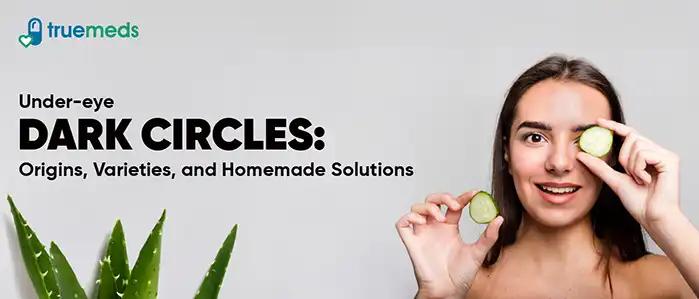
Dark Circles: Causes, Types, and Home Remedies
Last updated on : 01 Dec, 2025
Read time : 11 min
Dark circles under the eyes are one of the most common cosmetic concerns in both men and women. Although usually not a sign of a serious medical condition, they can indicate underlying issues such as fatigue, stress, allergies, or nutritional deficiencies. These under-eye shadows often make a person appear older or unhealthy, even when they feel fine.
In this blog, we’ll explain the major evidence-based causes of dark circles, discuss their different types, and highlight effective home remedies that may help temporarily soothe or improve their appearance naturally.
Causes of Dark Circles Under the Eyes
Dark circles under the eyes can result from multiple factors, ranging from genetics to lifestyle habits. The skin around the eyes is incredibly thin and delicate, measuring only about 0.5 mm thick (significantly thinner than skin elsewhere on the body), making it more vulnerable to discolouration and visible blood vessels [1].
Common causes include:
Genetic & Biological Factors
- Hereditary: If your parents have under-eye shadows, you’re more likely to develop them due to inherited skin characteristics, bone structure, or high melanin production [2].
- Increased Pigmentation (Periorbital Hyperpigmentation): Higher melanin levels in the under-eye area can lead to brownish or greyish dark circles, particularly common in Fitzpatrick skin types III-VI [3].
- Ageing & Thin Skin: The natural loss of collagen and elastin leads to thinning skin, making underlying blood vessels and muscle more visible.
- Fat & Muscle Changes: Loss of fat tissue (volume loss) or bulging fat (under-eye bags) can create shadows known as tear trough deformities.
- Orbital Anatomy: The natural shape of the eye socket (prominent orbital bones) may cast shadows, leading to what appear to be dark circles.
Lifestyle Factors
- Lack of Sleep: Fatigue can cause blood vessels to dilate (expand), leading to increased blood flow and a darker, bluish tint under the thin skin [4].
- Sun Exposure: Triggers excess melanin production under the eyes, worsening pigmentation. Sun protection is crucial for prevention.
- Poor Hydration & Nutrition: Severe dehydration can cause the eyes to look sunken, enhancing shadows. Nutrient deficiencies (see Medical Conditions) can also contribute.
- Emotional Stress: Impacts sleep quality and overall skin health, potentially exacerbating existing dark circles.
- Smoking: Damages blood vessels, reduces circulation, and contributes to premature collagen breakdown, accelerating skin thinning and discolouration.
Medical Conditions
- Allergies & Nasal Congestion (Allergic Shiners): Rubbing or scratching the eyes due to itchiness can increase inflammation and blood vessel dilation, making circles more visible and sometimes darker (termed “allergic shiners”).
- Anaemia (Iron Deficiency): Causes general paleness of the skin, making the dark circles or underlying vascular network more prominent.
- Thyroid Disorders: Fluid retention and puffiness associated with some thyroid conditions can enhance shadows.
- Eczema or Contact Dermatitis: Inflammation from these conditions can lead to post-inflammatory hyperpigmentation (PIH) in the affected area.
Types of Dark Circles
When considering treatment, it’s important to know which type of dark circles you have. A dermatologist can provide an accurate diagnosis. They are generally classified into three categories:
Pigmented Dark Circles
Caused by excess melanin, leading to brown, grey, or black discolouration. These are more common in people with darker skin tones (Fitzpatrick skin types III-VI). A dermatologist may suggest topical treatments with evidence-based ingredients like Vitamin C, Niacinamide, Kojic Acid, Azelaic Acid, or Hydroquinone (under medical supervision and for limited periods) to help manage pigmentation [3].
Vascular Dark Circles
Appear bluish, purplish, or reddish due to visible blood vessels under thin skin. Commonly linked to genetics, allergies, fatigue, or ageing. Lifestyle measures (adequate sleep, sun protection, managing allergies) are essential. Some dermatologists may recommend topical creams with caffeine (which can temporarily constrict blood vessels) or retinol (to encourage skin thickening) [5].
Indented Dark Circles (Tear Trough Deformity)
Also called hollow or sunken circles, caused by volume loss under the eyes due to ageing or genetics, which casts a shadow. These usually require professional treatments such as dermal fillers (e.g., hyaluronic acid-based), which must only be administered by qualified, experienced specialists to avoid complications.
Note: Among these, pigmented dark circles often respond best to topical creams, while vascular and indented types may require medical procedures or targeted lifestyle changes. Always consult a dermatologist to identify the specific type and choose the right, safest, and most effective evidence-based treatment.
Home Remedies for Dark Circles
Caution: While these natural solutions are generally safe, they are not substitutes for medical treatment and will only offer temporary or mild cosmetic improvement. Stop use immediately if irritation occurs.
| Remedy | Mechanism & Granularity of Claim | How to Use |
| 1. Cold Compress | The most evidence-based home remedy. The cold temperature immediately constricts blood vessels (vasoconstriction), which temporarily reduces puffiness and the visibility of vascular (bluish/purplish) dark circles. | Soak a clean cloth in cold water or refrigerate it. Place it over closed eyes for 5-10 minutes. Use when eyes feel puffy or tired. |
| 2. Cucumber Slices | Contains high water content and mild antioxidants. Primarily offers a cooling and soothing effect, helping to reduce temporary puffiness and inflammation. | Chill cucumber slices in the refrigerator for about 30 minutes. Then, lie down and place the chilled slices over closed eyes for 10-15 minutes. |
| 3. Cold Tea Bags (Black or Green) | The cold temperature provides vasoconstriction (see Cold Compress). Caffeine in the tea is a topical vasoconstrictor and may temporarily reduce swelling and the appearance of vascular dark circles [5]. | Steep two tea bags in hot water, then chill them in the refrigerator. Place the cold tea bags over closed eyes for 5-10 minutes. |
| 4. Sleep and Hydration | Essential foundation for skin health. Sufficient sleep allows the body to repair, while staying hydrated prevents the eyes from looking sunken due to dehydration. | Aim for 7-9 hours of quality sleep each night. Drink at least 8 glasses of water daily (individual needs vary). Maintain a consistent sleep routine for long-term skin support. |
| 5. Almond Oil | Rich in Vitamin E and fatty acids. It acts as an excellent emollient that hydrates the delicate skin, which may improve the appearance of dry, dull-looking dark circles [6]. | Gently massage a few drops of almond oil under the eyes before bed. Leave it overnight and rinse off in the morning. Limit use if prone to milia. |
| 6. Rose Water | A natural remedy known for its soothing and hydrating effects. Its mild astringent and anti-inflammatory properties may provide temporary relief from puffiness [7]. | Soak two cotton pads in cold rose water. Place them on closed eyelids for 10-15 minutes. Use as needed for a refreshed feeling. |
| 7. Aloe Vera Gel | Known for its soothing, anti-inflammatory, and hydrating properties. It may help nourish the delicate skin and reduce mild inflammation. | Apply a thin layer of fresh aloe vera gel under the eyes. Gently massage it in and leave it overnight. Ensure you are not allergic before use. |
| 8. Potato Slices | Contains certain enzymes and starch that are traditionally believed to have a mild brightening or ‘bleaching’ effect. Scientific evidence supporting this claim for dark circles is weak. | Chill a raw potato and cut it into thin slices. Place the slices on closed eyes for 10-15 minutes. |
| 9. Tomato Paste/Juice | Rich in Lycopene and Vitamin C (strong antioxidants). While consuming these nutrients supports overall skin health, topical application is generally not recommended due to potential irritation from the acidity of lemon juice or tomatoes. | Suggest professional advice before topical use due to high acidity/irritation risk. A balanced diet rich in antioxidants is a safer approach. |
| 10. Turmeric Paste | Curcumin, the active compound, has established antioxidant and anti-inflammatory properties. Traditionally used, it may help calm inflammation, but caution is advised against staining the delicate skin. | Use with extreme caution. Apply a very small, diluted amount (e.g., mixed with yoghurt) and rinse quickly to avoid skin staining. |
When to Seek Professional Help for Dark Circles
Understanding how to reduce dark circles starts with identifying their underlying causes and using a combination approach. Home remedies, such as a cold compress and adequate sleep, may offer temporary relief. Maintaining proper hydration and using gentle, hydrating skincare ingredients can also support the under-eye area.
You should consult a qualified dermatologist or skincare specialist if:
- Dark circles develop suddenly or worsen rapidly.
- They are accompanied by pain, itching, or swelling.
- Home remedies and lifestyle changes show no improvement after several weeks.
- You are considering advanced treatments such as chemical peels, laser therapy, microneedling, or dermal fillers.
- A dermatologist can accurately diagnose the type of dark circles and recommend evidence-based medical treatments or procedures.
Expert Quote:
“Dark circles aren’t just about lack of sleep. Several factors, like genetics, allergies, skin thinning, and lifestyle factors, may play a role. The good news is that with the right care, they can often be visibly reduced. A comprehensive approach—combining sun protection, management of underlying causes (like allergies or anaemia), and targeted medical-grade products—is key to long-term improvement. If in doubt, always consult a dermatologist who will help rectify the underlying cause of your dark circles.”
– Dr. Sachin Singh
Frequently Asked Questions (FAQs)
How can I reduce dark circles permanently?
Reducing dark circles permanently is often challenging as many causes are genetic or related to the natural ageing process. The most effective and long-term results come from a combination of consistent lifestyle changes (proper sleep, sun protection), targeted high-quality skincare (retinoids, Vitamin C), and professional treatments (lasers, fillers) that address the specific underlying cause (pigmentation, volume loss, or vascularity).
Does ice remove dark circles?
Applying ice or a cold compress around the eyes can temporarily reduce the appearance of vascular dark circles by constricting blood vessels and reducing puffiness. However, it does not address the underlying causes (e.g., genetics, pigmentation) and only provides short-term relief.
Can sleeping reduce dark circles?
Yes, getting adequate, high-quality sleep (7-9 hours) can significantly help reduce dark circles, particularly those related to fatigue, by allowing the body and blood vessels to return to their normal state. However, it may not eliminate them if other factors like genetics or allergies contribute to their appearance.
What deficiency causes dark circles around the eyes?
Iron deficiency (anaemia) can contribute to dark circles by reducing oxygen delivery to tissues, which makes the under-eye area appear pale and the underlying veins more prominent. Deficiencies in vitamins K and B12 may also play a role, while Vitamin C supports overall skin health and collagen production. If you suspect a deficiency, consult a physician for testing.
What foods reduce dark circles?
No single food will eliminate dark circles, but a balanced diet rich in antioxidants and vitamins can support overall skin health. Foods rich in Vitamin C (citrus fruits, bell peppers), Vitamin K (leafy greens), and Vitamin E (almonds, seeds) can support collagen production, circulation, and reduce inflammation, contributing to brighter under-eye skin.
References
[1] Shishkin, V. B., Anisimov, V. N., & Oparina, O. N. (2017). The functional morphology of the eyelid and its role in the pathogenesis of periorbital aging. Advances in Gerontology, 7(1), 10–17. https://pubmed.ncbi.nlm.nih.gov/30320720/
[2] Park, B. J., Lee, S. H., Park, J. H., Byun, H. J., & Hong, I. K. (2020). Assessment of Causes of Dark Circles and Therapeutic Approaches. Archives of Aesthetic Plastic Surgery, 26(3), 118–127. https://doi.org/10.7188/aaps.2020.26.3.118
[3] Ranu, H., S. M. K., S., & K. D., M. (2020). Periorbital Hyperpigmentation: A Comprehensive Review. Journal of Clinical and Aesthetic Dermatology, 13(2), 48–54. https://doi.org/10.7188/aaps.2020.26.3.118
[4] Sridharan, G., Mahadevan, R., & Perumal, K. (2022). Comprehensive review of periorbital hyperpigmentation: Etiology, diagnosis, and treatment. Journal of Cutaneous and Aesthetic Surgery, 15(1), 1–7. https://doi.org/10.4103/JCAS.JCAS_187_21
[5] Elias, M., Israeli, A., & Madan, R. (2023). Caffeine in Skincare: Its Role in Skin Cancer, Sun Protection, and Cosmetics. Indian Journal of Dermatology, 68(5), 546–550. https://doi.org/10.4103/ijd.ijd_166_22
[6] Ahmad, Z. (2010). The uses and properties of almond oil. Complementary Therapies in Clinical Practice, 16(1), 10–12. https://doi.org/10.1016/j.ctcp.2009.06.015
[7] Duroux, R., Mandeau, A., Guiraudie-Capraz, G., Quesnel, Y., & Loing, E. (2020). A Rose Extract Protects the Skin against Stress Mediators: A Potential Role of Olfactory Receptors. Molecules, 25(20), 4743. https://doi.org/10.3390/molecules25204743














Disclaimer
Our healthcare experts have carefully reviewed and compiled the information presented here to ensure accuracy and trustworthiness. It is important to note that this information serves as a general overview of the topic and is for informational purposes only. It is not intended to diagnose, prevent, or cure any health problem. This page does not establish a doctor-patient relationship, nor does it replace the advice or consultation of a registered medical practitioner. We recommend seeking guidance from your registered medical practitioner for any questions or concerns regarding your medical condition.
Popular Articles



Recommended Articles



Recent Articles










Company
About UsHealth ArticleHealth StoriesHealth LibraryDiseases & Health ConditionsAyurvedaAll MedicinesAll BrandsNeed HelpFAQSecuritySubscribe
Registered Office Address
Grievance Officer
Download Truemeds


Contact Us
Our customer representative team is available 7 days a week from 9 am - 9 pm.
v4.9.0

2025 - Truemeds | All rights reserved. Our content is for informational purposes only. See additional information.

Our Payment Partners




