

- Medicines
- Personal Care
- Skin Cream
- Sunscreen
- Face Wash
- Skin and Body Soap
- Acne Care
- Body Lotions
- Moisturising Lotion
- Moisturising Cream
- Mosquito Repellent
- Moisturising Gel
- Body Wash
- Hair Oils
- Hair Shampoo
- Hair Conditioners
- Hair Supplements
- Hair Colour
- Hair Serum
- Hair Mask
- Hair Solutions
- Baby Diapers and Wipes
- Baby Lotion and Moisturising Cream
- Baby Bath Essentials
- Baby Skin Care
- Baby and Infant Food
- Baby Healthcare
- Women Multivitamins
- Ovulation Test Kit and Women Intimate Care
- Sanitary Pads
- Nutritional Drinks
- Condoms
- Lubricants
- Massage Gels
- Personal Body Massagers
- Men Performance Booster
- Sexual Health Supplements
- Massage Oils
- Ayurveda
- Tooth Paste
- Mouth Ulcer Gel
- Mouthwash
- Toothache and Gum Pain
- Tooth Brush
- Gargle Solution
- Orthopaedic Supports
- Adult Diapers
- Footwear
- Mobility and Support Accessories
- Urinary Support and Care
- Health Conditions
- Bone and Joint Care
- Digestive Care
- Eye Care
- Pain Relief
- Smoking Cessation
- Liver Care
- Stomach Care
- Cold and Cough
- Heart Care
- Kidney Care
- Piles, Fissures & Fistula
- Respiratory Care
- Mental Wellness
- Derma Care
- Pre and Probiotics
- Acidity
- Gas
- Constipation
- Loose Motion/Diarrhoea
- Digestive Fibres
- Digestive Enzymes
- Eye Lubricant Drops
- Lens Solution
- Safety Eye Wear
- Eye Cream
- Eye Vitamins and Supplements
- Eye Drops
- Eye Ointment and Gel
- Nicotine Patch
- Nicotine Gum
- Nicotine Lozenges
- Cough Syrups
- Chest Rubs and Balms
- Nasal Spray
- Lozenges
- Inhalant Capsules
- Cold and Cough Tablets
- Vitamins & Supplements
- Diabetes Care
- Healthcare Devices
- Homeopathic Medicine
- Health Guide
Vitamin A deficiency
Vitamin A deficiency occurs when your body doesn't receive enough vitamin A. This can happen if your diet is lacking in foods rich in vitamin A or if you have certain health conditions. One of the most common symptoms is vision problems, such as night blindness. Treatment depends on age, severity of deficiency, and pregnancy status, and typically involves medically supervised vitamin A supplementation at appropriate doses. You can prevent this condition by eating foods that are rich in vitamin A.
 50
50Last updated on : 06 May, 2026
Read time : 12 mins

Overview of Vitamin A deficiency
Vitamin A deficiency is a serious health concern that arises when the body does not receive adequate amounts of vitamin A, an essential nutrient required for proper vision, metabolism, cell development, and immune system function (WHO, 2023). The human body is unable to synthesise vitamin A on its own, making it necessary to obtain this vital nutrient through a balanced diet or supplementation. Vitamin A deficiency can stem from a diet lacking in vitamin A-rich foods or from underlying health conditions that hinder the absorption or storage of this nutrient in the liver.
What is Vitamin A Deficiency?
Vitamin A deficiency, also called hypovitaminosis A, happens when there is not enough vitamin A in your body. Vitamin A is a fat-soluble vitamin that plays a crucial role in many bodily functions, including eye health, immune function, and cell growth. If not diagnosed and treated, a vitamin A deficiency can cause serious health issues.
Key Factors about Vitamin A deficiency
| Category | Details |
| Also Referred as | Hypovitaminosis A, retinol deficiency |
| Commonly Occurs In | Developing countries, especially in Africa and Southeast Asia |
| Affected Organ | Eyes, skin, lungs, intestine, urinary tract, and immune system |
| Type | Nutritional deficiency |
| Common Signs | Night blindness, xerophthalmia, Bitot's spots, corneal ulcers, keratomalacia |
| Consulting Specialist | Ophthalmologist, paediatrician, gastroenterologist, general practitioner |
| Managed By | Vitamin A supplementation, dietary correction, management of underlying malabsorption or liver disease; zinc supplementation where deficiency coexists |
Symptoms of Vitamin A deficiency
The symptoms of vitamin A deficiency can manifest in various ways, depending on the severity and duration of the deficiency. Some people may experience only mild symptoms, while others may develop severe and potentially life-threatening complications. The following are a few common visible vitamin A deficiency symptoms:
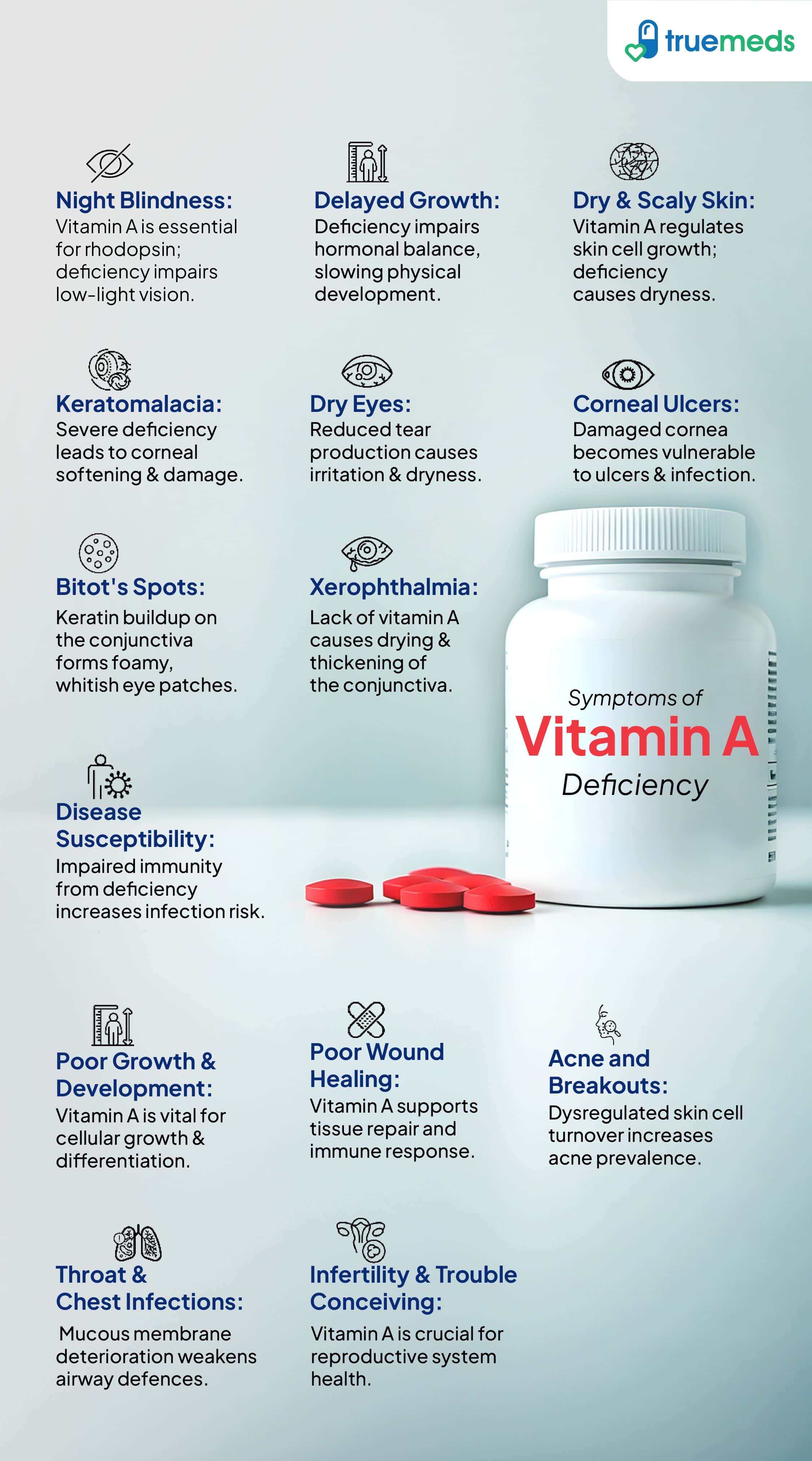
1. Night Blindness
One of the earliest signs is night blindness, a condition caused by a disorder of the retina that makes it difficult to see in low-light conditions. This occurs because vitamin A is essential for the production of rhodopsin, a pigment necessary for night vision.
2. Xerophthalmia
As the deficiency progresses, the eyes may become dry and thick, leading to a condition called xerophthalmia, which can potentially damage the cornea and retina.
3. Bitot's Spots
Bitot's spots are distinctive lesions on the eye's conjunctiva and appear as triangular, grey, or white patches, often described as having a frothy or foamy surface.
4. Keratomalacia
Keratomalacia is a serious eye condition characterised by the softening and clouding of the cornea. This condition often begins with xerophthalmia, which involves extreme dryness of the eyes and conjunctiva, and can lead to significant ocular complications if not treated promptly.
5. Corneal Ulcers
Corneal ulcers, also known as keratitis, are medical conditions characterised by open sores on the cornea, the transparent part of the eye. These ulcers can lead to vision loss if not treated promptly.
6. Dry and Scaly Skin
Vitamin A deficiency can also cause the skin to become dry, itchy, and scaly, as this nutrient plays a crucial role in maintaining healthy skin.
7. Disease Susceptibility
Vitamin A deficiency can also weaken the immune system, making individuals more susceptible to infections, especially infants and children.
8. Poor Growth and Development
Children with vitamin A deficiency may experience stunted growth and development.
9. Infertility and Trouble Conceiving:
Vitamin A plays a role in reproductive health. Severe deficiency may be associated with impaired reproductive function, although robust human evidence linking vitamin A deficiency directly to infertility is limited.
10. Delayed Growth:
Vitamin A helps in the formation of bone and tissue. When children do not get enough vitamin A, they may experience stunted growth or may fail to reach developmental milestones at the expected age. This can be due to a weakened immune system, which makes it harder for the body to fight off infections that could slow growth.
11. Throat and Chest Infections:
Vitamin A is a vital nutrient for maintaining the health of your mucous membranes, which line the throat, lungs, and other parts of the respiratory system. These membranes act as barriers to pathogens, helping to protect the body from infections. When vitamin A levels are low, your body becomes more susceptible to respiratory infections, including throat and chest infections like pneumonia and bronchitis. It can also increase the risk of complications from infections such as the common cold.
12. Poor Wound Healing:
One of the key functions of vitamin A is supporting the body’s ability to repair tissues. This vitamin promotes collagen production and helps cells regenerate, both of which are essential for wound healing. When you have a deficiency in vitamin A, your body may struggle to heal cuts, scrapes, or other injuries. Wounds may take longer to close, and scarring can be more prominent due to delayed tissue repair.
Causes of Vitamin A deficiency
Vitamin A deficiency occurs when your body doesn't get or absorb enough of this essential nutrient. Though less common in high-income countries, it remains a serious public health issue in many developing nations due to limited access to vitamin A-rich foods. It is also linked to liver problems and certain medical conditions that affect nutrient absorption.
1. Dietary Deficiencies
Prolonged lack of vitamin A-rich foods such as animal liver, eggs, fortified dairy products, and colorful fruits and vegetables (like carrots, mangoes, and dark leafy greens) is a major cause. This is especially common in regions facing poverty, famine, or food insecurity.
2. Malabsorption Disorders
Certain health conditions impair the body's ability to absorb fats, which are necessary for vitamin A absorption. These include:
- Chronic diarrhoea
- Coeliac disease
- Cystic fibrosis
- Pancreatic insufficiency
- Bile duct disorders
Zinc deficiency, small bowel bypass or bariatric surgery, and alcohol use disorder can also contribute to impaired vitamin A metabolism and transport.
3. Liver Diseases
Since the liver stores most of the body's vitamin A, liver conditions such as cirrhosis can interfere with storage and metabolism, increasing the risk of deficiency.
4. Protein-Energy Malnutrition
Severe deficiencies in protein and calories can impair the body’s ability to store and utilise vitamin A, especially in children and undernourished populations.
5. Surgical Procedures
Surgeries involving the intestines or pancreas, such as bariatric procedures, may disrupt vitamin A absorption and lead to deficiency over time.
Risk Factors
Certain populations face a heightened risk of developing vitamin A deficiency due to geographical, age-related, and health factors.
Who is at Risk?
People falling under the following criteria are at risk of developing vitamin A deficiency:
- Geographical Regions: Individuals living in developing countries, particularly in Africa and Southeast Asia, where diets often lack sufficient vitamin A-rich foods, are particularly vulnerable.
- Age Groups: Children under five years old in developing countries face a significant risk of vitamin A deficiency (Song et al., 2023).
- Health Conditions:
- Those with gastrointestinal diseases like coeliac disease, liver cirrhosis, pancreatic insufficiency, bile duct disorders, and giardiasis.
- Pregnant and breastfeeding women due to increased daily requirements.
- Individuals with chronic infections, especially measles, can rapidly deplete vitamin A levels.
- People who have undergone abdominal surgeries, including small bowel bypass and bariatric procedures.
Understanding these risk factors is essential for targeted prevention and early intervention strategies to combat vitamin A deficiency.
Complications
Left untreated, vitamin A deficiency can lead to a range of serious health complications affecting vision, skin, immune function, and overall well-being.
Vision Problems
One of the earliest signs of vitamin A deficiency is changes in your vision, such as:
- Night Blindness: Difficulty seeing in low light conditions, potentially progressing to complete blindness at night
- Xerophthalmia: Dryness and thickening of the conjunctiva and cornea, which may result in blindness if left untreated
- Keratomalacia: Drying and clouding of the cornea, causing vision loss
- Bitot's Spots: Formation of foamy deposits in the whites of the eyes
- Corneal Ulcers: Open sores on the cornea, which can ultimately result in blindness
Skin Issues
Skin issues arising due to vitamin A deficiency include:
- Dry, rough, and scaly skin and mucous membranes
- Follicular Hyperkeratosis: Excessive keratin buildup around hair follicles, leading to skin thickening and a "goose flesh" appearance
Compromised Immune Function
Vitamin A deficiency can also lead to impaired immune function and the risk of contracting secondary infections.
- Increased susceptibility to infections, particularly measles and diarrhoeal diseases
- Delayed wound healing and impaired recovery from illnesses (Song et al., 2023).
Other Complications
Apart from vision problems, skin issues, and an impaired immune system, hypovitaminosis A is also responsible for:
- Impaired growth and development in children
- Increased risk of anaemia
- Maternal deficiency may adversely affect pregnancy outcomes; however, birth defects are more strongly linked to excess vitamin A intake than deficiency
Promptly addressing vitamin A deficiency through proper diagnosis, treatment, and preventive measures is crucial to avoid these potentially life-altering complications (Zhao et al., 2022) .
Prevention of Vitamin A deficiency
To prevent vitamin A deficiency, the best approach is to eat a balanced diet with plenty of vitamin A-rich foods. You can find vitamin A in the following:
- Green vegetables like leafy greens and broccoli
- Orange and yellow vegetables like carrots, pumpkin, sweet potatoes, and squash
- Orange and yellow fruits like oranges, mangos, cantaloupes, and papayas
- Dairy products
- Liver, beef, and chicken
- Fish, especially salmon
- Eggs
- Foods like cereals, rice, potatoes, wheat, and soybeans that are fortified with vitamin A
If needed, you can also take a vitamin A supplement (WHO, 2023).
Diagnosis & Tests
Diagnosing vitamin A deficiency involves a combination of clinical assessment, medical history, and laboratory tests.
- Clinical symptoms suggestive of vitamin A deficiency include night blindness (nyctalopia), dry corneas, keratomalacia, dry, itchy, and scaly skin, and impaired immune function. A history of impaired dark adaptation and the presence of xerophthalmia (dry eyes) are key clinical indicators of vitamin A deficiency.
- The doctor will review the patient's medical history, including any conditions that might affect vitamin A absorption, such as liver disorders, intestinal diseases, and chronic infections.
- Laboratory diagnosis primarily relies on serum retinol concentration. Tests such as the relative dose-response and modified relative dose-response tests may be used in research or specialised settings to assess hepatic vitamin A stores (WHO, 2023).
Prompt diagnosis is essential for initiating appropriate vitamin A deficiency treatment and preventing severe complications.
Treatment & Management
Restoring adequate vitamin A levels is essential to prevent vision impairment, support immune function, and maintain healthy skin and mucous membranes.
1. Vitamin A Supplementation
Vitamin A supplements in correct doses restore normal levels and relieve deficiency symptoms.:
- It returns serum vitamin A to the normal range, improving night vision and dry eyes.
- It strengthens the immune system by supporting white blood cell function and the health of mucous membranes.
- It maintains healthy skin and mucous linings, preventing dryness and rough patches.
- It helps clear Bitot’s spots, white or greyish deposits on the conjunctiva due to vitamin A deficiency.
Supplement doses should follow age, pregnancy status, and clinical severity because excessive vitamin A can be toxic.
2. Beta-Carotene as a Pro-Vitamin Source
Beta-carotene provides a safe, long-term way to maintain vitamin A levels:
- It converts into active vitamin A in the body as needed.
- It carries a lower risk of overdose compared with direct vitamin A supplements.
- It is plentiful in foods such as carrots, sweet potatoes, and dark, leafy greens.
- It helps maintain adequate vitamin A status where animal-based sources are scarce.
- It offers antioxidant protection, helping to guard cells against damage.
Key Takeaways
- Vitamin A deficiency is a serious condition that can lead to various health issues, including xerophthalmia, night blindness, increased susceptibility to infections, and and can contribute to serious illness and increased mortality risk, particularly in young children with infections.
- The main causes of vitamin A deficiency include inadequate dietary intake of vitamin A-rich foods, malabsorption disorders, and certain medical conditions that interfere with vitamin A metabolism.
- Symptoms of vitamin A deficiency can vary depending on the severity and duration of the deficiency, with the most common being night blindness, dry eyes, and increased susceptibility to infections.
- Diagnosis of vitamin A deficiency typically involves a combination of clinical assessment, dietary history, and laboratory tests, such as serum retinol levels.
- Treatment involves age- and condition-specific vitamin A supplementation under medical supervision, with dosing adjusted for severity, pregnancy status, and risk of toxicity.
- Vitamin A deficiency prevention strategies include ensuring adequate intake of vitamin A-rich foods, fortification of staple foods with vitamin A, and supplementation programmes targeting high-risk populations.
FAQs
What health problems can result from the lack of vitamin A?
Which foods may help improve vitamin A deficiency?
To address vitamin A deficiency, consume liver, eggs, dairy products, dark green leafy vegetables, and yellow and orange fruits and vegetables rich in beta-carotene.To address vitamin A deficiency, consume liver, eggs, dairy products, dark green leafy vegetables, and yellow and orange fruits and vegetables rich in beta-carotene.
What food contains the highest amount of vitamin A?
What measures can be taken to avoid a deficiency in vitamin A?
Is daily vitamin A supplementation safe?
What role does vitamin A play in supporting the immune system?
Can too much vitamin A lead to death?
References
- World Health Organization. (2023). Vitamin A deficiency.
https://www.who.int/data/nutrition/nlis/info/vitamin-a-deficiency - Song, P., Adeloye, D., Li, S., Zhao, D., Ye, X., Pan, Q., Qiu, Y., Zhang, R., & Rudan, I.; Global Health Epidemiology Research Group (GHERG). (2023).
The prevalence of vitamin A deficiency and its public health significance in children in low- and middle-income countries: A systematic review and modelling analysis. Journal of Global Health, 13, 04084.
https://doi.org/10.7189/jogh.13.04084 - National Institutes of Health, Office of Dietary Supplements. (2024). Vitamin A – Fact Sheet for Health Professionals.
https://ods.od.nih.gov/factsheets/VitaminA-HealthProfessional/ - Imdad, A., Mayo-Wilson, E., Herzer, K., & Bhutta, Z. A. (2021).
Vitamin A supplementation for preventing morbidity and mortality in children. Cochrane Database of Systematic Reviews, CD008524.
https://doi.org/10.1002/14651858.CD008524.pub4 - Zhao, T., Liu, S., Zhang, R., Zhao, Z., Yu, H., Pu, L., Wang, L., & Han, L. (2022).
Global burden of vitamin A deficiency in 204 countries and territories from 1990–2019. Nutrients, 14(5), 950.
https://doi.org/10.3390/nu14050950 - Vitamin A and Carotenoids. (n.d.). Nih.Gov. Retrieved April 25, 2026, from https://ods.od.nih.gov/factsheets/VitaminA-HealthProfessional
Check Related Salts
Browse Other Conditions
Latest health articles

Top Health Essentials












Disclaimer
Top-Selling Medicines:
...View more
Top-OTC medicines:
...View more
Company
About UsHealth ArticleHealth StoriesHealth LibraryDiseases & Health ConditionsAyurvedaUnderstanding Generic MedicinesAll MedicinesAll BrandsNeed HelpFAQSecuritySavings CalculatorAdvertise with UsSubscribe
Registered Office Address
Grievance Officer
Download Truemeds


Contact Us
Our customer representative team is available 7 days a week from 9 am - 9 pm.
v4.28.13

2026 - Truemeds | All rights reserved. Our content is for informational purposes only. See additional information.

Our Payment Partners




