

- Medicines
- Personal Care
- Skin Cream
- Sunscreen
- Face Wash
- Skin and Body Soap
- Acne Care
- Body Lotions
- Moisturising Lotion
- Moisturising Cream
- Mosquito Repellent
- Moisturising Gel
- Body Wash
- Hair Oils
- Hair Shampoo
- Hair Conditioners
- Hair Supplements
- Hair Colour
- Hair Serum
- Hair Mask
- Hair Solutions
- Baby Diapers and Wipes
- Baby Lotion and Moisturising Cream
- Baby Bath Essentials
- Baby Skin Care
- Baby and Infant Food
- Baby Healthcare
- Women Multivitamins
- Ovulation Test Kit and Women Intimate Care
- Sanitary Pads
- Nutritional Drinks
- Condoms
- Lubricants
- Massage Gels
- Personal Body Massagers
- Men Performance Booster
- Sexual Health Supplements
- Massage Oils
- Ayurveda
- Tooth Paste
- Mouth Ulcer Gel
- Mouthwash
- Toothache and Gum Pain
- Tooth Brush
- Gargle Solution
- Orthopaedic Supports
- Adult Diapers
- Footwear
- Mobility and Support Accessories
- Urinary Support and Care
- Health Conditions
- Bone and Joint Care
- Digestive Care
- Eye Care
- Pain Relief
- Smoking Cessation
- Liver Care
- Stomach Care
- Cold and Cough
- Heart Care
- Kidney Care
- Piles, Fissures & Fistula
- Respiratory Care
- Mental Wellness
- Derma Care
- Pre and Probiotics
- Acidity
- Gas
- Constipation
- Loose Motion/Diarrhoea
- Digestive Fibres
- Digestive Enzymes
- Eye Lubricant Drops
- Lens Solution
- Safety Eye Wear
- Eye Cream
- Eye Vitamins and Supplements
- Eye Drops
- Eye Ointment and Gel
- Nicotine Patch
- Nicotine Gum
- Nicotine Lozenges
- Cough Syrups
- Chest Rubs and Balms
- Nasal Spray
- Lozenges
- Inhalant Capsules
- Cold and Cough Tablets
- Vitamins & Supplements
- Diabetes Care
- Healthcare Devices
- Homeopathic Medicine
- Health Guide
Polycystic Ovary Syndrome (PCOS)
Polycystic Ovary Syndrome (PCOS) is a common condition in women caused by a hormonal imbalance. It happens when the ovaries produce more male hormones (androgens) than normal. This can lead to problems like irregular periods, difficulty getting pregnant, weight gain, acne, and excessive hair growth. In some cases, small fluid-filled sacs, called cysts, form on the ovaries. PCOS can also increase the risk of diabetes and heart disease over time. Although there is no cure, symptoms can be managed with lifestyle changes like a healthy diet, exercise, and medications. Early diagnosis and treatment can help improve health and prevent complications.
 50
50Last updated on : 05 May, 2026
Read time : 13 mins
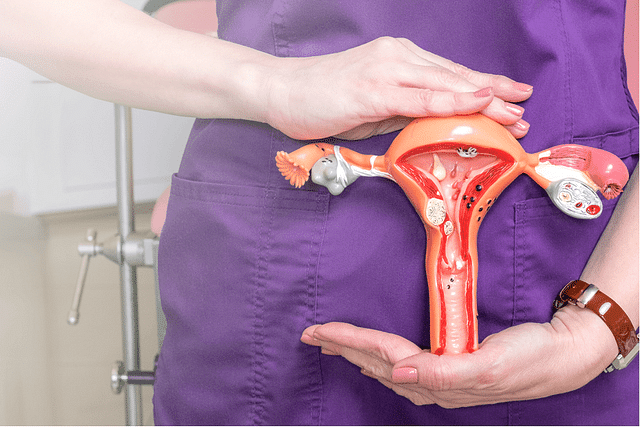
Overview of Disease
Polycystic ovary syndrome (PCOS) is a common hormonal disorder that affects women of reproductive age. PCOS is a complex condition that can have significant impacts on a woman's quality of life, reproductive health, and overall well-being. It is essential to understand the symptoms, causes, and treatment options for PCOS to provide effective care and support to patients.

What is PCOS?
Polycystic Ovary Syndrome (PCOS) is a condition caused by a hormonal imbalance in women. It happens when the ovaries produce too many male hormones (androgens), leading to symptoms like irregular periods, excess hair growth on the face and body, acne, and difficulty getting pregnant.
The exact cause isn’t clear, but it is linked to insulin resistance, chronic inflammation, and family history (Centers for Disease Control, 2024). High androgen levels can disrupt ovulation, sometimes causing small fluid-filled sacs (cysts) to form on the ovaries. PCOS is common, affecting about 15% of women of childbearing age, and is often discovered when women face challenges with fertility. Since PCOS symptoms vary, understanding its types and signs is crucial for proper management.
Key Factors about Polycystic Ovary Syndrome (PCOS)
| Category | Details |
| Also Referred to as |
|
| Commonly Occurs In |
|
| Affected Organ |
|
| Type |
|
| Common Signs |
|
| Consulting Specialist |
|
| Treatment Procedures |
|
| Managed By |
|
| Mimicking Condition |
|
Types of Polycystic Ovary Syndrome (PCOS)
While no classification system exists for PCOS, the condition can be categorised into several subtypes based on certain symptoms and characteristics. These subtypes include:
1. Classic PCOS
Characterised by irregular periods, excess androgen, and polycystic ovaries.
2. Ovulatory PCOS
Characterised by regular periods, excess androgen, and polycystic ovaries.
3. Non-polycystic ovary PCOS
Characterised by irregular periods and excess androgen, but without polycystic ovaries.
4. Secondary PCOS
Caused by another medical condition, such as thyroid disease or Cushing's syndrome.
5. Insulin-Resistant PCOS
This is the most common type of PCOS, affecting about 70% of women with the condition (Diabetes and Polycystic Ovary Syndrome (PCOS), 2024). It occurs when the body’s cells become insulin resistant, leading to higher blood insulin levels. This excess insulin increases male hormones (androgens), disrupting the body’s hormonal balance.
6. Lean PCOS
Lean PCOS affects women with normal or low body weight. Despite not being overweight, these women experience hormonal imbalances, irregular periods, and other PCOS symptoms, similar to those with insulin-resistant PCOS.
Early Signs of Disease
PCOS is a complex hormonal disorder that affects many women of reproductive age. The signs and symptoms of PCOS can vary from person to person, but there are some common characteristics to look out for:
- Weight gain
- Difficulty losing weight
- Insulin resistance
- Patches of dark, velvety skin
Symptoms of Polycystic Ovary Syndrome (PCOS)
To diagnose polycystic ovary syndrome, doctors typically look for at least two of the following three symptoms:
1. Irregular Menstrual Cycles
This includes infrequent periods (oligomenorrhea) or absence of periods (amenorrhea). Menstrual intervals longer than 35 days or fewer than eight periods per year are considered irregular.
2. Hyperandrogenism
Elevated levels of male hormones can cause physical signs such as hirsutism, acne, and male pattern baldness. Blood tests can also confirm high androgen levels.
3. Polycystic Ovaries
Ultrasound imaging may reveal enlarged ovaries containing numerous small follicles. However, polycystic ovaries alone do not necessarily indicate PCOS if other symptoms are absent.
Causes of Polycystic Ovary Syndrome (PCOS)
Despite extensive research, the exact cause of polycystic ovary syndrome remains unknown. However, several factors are believed to contribute to the development of PCOS:
1. Genetic predisposition
Studies suggest that certain genetic variations may increase the risk of developing PCOS. If a close female relative has PCOS, the likelihood of developing the condition is higher.
2. Insulin resistance
Many women with PCOS have insulin resistance, which means their cells do not respond properly to insulin. This can lead to high insulin levels, which may stimulate the ovaries to produce excess androgens.
3. Hormonal imbalances
An imbalance in the levels of sex hormones, particularly an excess of androgens, can disrupt the menstrual cycle and cause PCOS symptoms. The ovaries, adrenal glands, and fat cells can all contribute to androgen production.
4. Low-Grade Inflammation
Low-grade inflammation occurs when white blood cells release substances to respond to injury or infection. In people with PCOS, this response becomes chronic, leading to persistent inflammation. Research suggests this long-term inflammation triggers the ovaries to produce excess androgens (male hormones), disrupting hormonal balance. Over time, it can increase the risk of heart and blood vessel issues.
Risk Factors
PCOS is a complex condition influenced by various risk factors, which can be categorised into several key areas:
1. Genetic factors
- Family history of PCOS or menstrual problems is a significant risk factor. If your mother, sister, or other close female relatives have PCOS, you are more likely to develop it.
- Genetic influences are suggested by the higher prevalence of PCOS among first-degree relatives and the concordance in monozygotic twins.
2. Hormonal and metabolic factors
- Insulin resistance is a common feature in PCOS, affecting 30%-80% of women with the condition. This can lead to high insulin levels, which in turn can increase androgen production.
- High levels of androgens (hyperandrogenism) are a hallmark of PCOS and can disrupt menstrual cycles and cause other symptoms.
3. Environmental and lifestyle factors
- Being overweight or obese is a significant risk factor, as it can exacerbate insulin resistance and worsen PCOS symptoms.
- Poor eating habits and a sedentary lifestyle can contribute to the development and severity of PCOS.
- Exposure to environmental pollutants, such as heavy metals and endocrine-disrupting chemicals (EDCs), has been linked to an increased risk of PCOS.
4. Other health conditions
- Women with a history of type 2 diabetes, gestational diabetes, or other metabolic disorders are at a higher risk for developing PCOS.
Complications
PCOS is a complex endocrine disorder that can lead to various complications affecting multiple aspects of a woman's health. These complications can significantly impact reproductive, metabolic, cardiovascular, and psychological well-being.
1. Reproductive Complications
a. Infertility
PCOS is a leading cause of infertility, as the hormonal imbalances and irregular ovulation associated with the condition can make it difficult to conceive.
b. Miscarriage or premature birth
Women with PCOS have a higher risk of experiencing miscarriage or giving birth prematurely.
c. Gestational diabetes and pregnancy-induced hypertension
PCOS increases the likelihood of developing gestational diabetes, preeclampsia, and pregnancy-induced hypertension during pregnancy.
2. Metabolic complications
a. Type 2 diabetes and prediabetes
More than half of women with PCOS may develop type 2 diabetes by the age of 40, and many have prediabetes, a condition characterised by elevated blood sugar levels.
b. Metabolic syndrome
This cluster of conditions, including high blood pressure, high blood sugar, and abnormal cholesterol or triglyceride levels, increases the risk of heart disease, stroke, and diabetes.
3. Cardiovascular complications
a. Heart disease and stroke
Women with PCOS have a higher risk of developing heart disease and experiencing a stroke due to factors such as high blood pressure, elevated LDL cholesterol, and low HDL cholesterol levels.
b. High blood pressure
Hypertension is a common complication among women with PCOS, further increasing their risk of cardiovascular problems
Prevention of Polycystic Ovary Syndrome (PCOS)
Although there is no surefire way to prevent PCOS, adopting certain lifestyle changes and managing risk factors can help reduce the severity of symptoms and minimise the impact of associated conditions.
1. Lifestyle changes
a. Weight management
Maintaining a healthy weight through a balanced diet and regular exercise can help regulate menstrual cycles, improve insulin sensitivity, and reduce the risk of metabolic complications associated with PCOS.
b. Healthy diet
Consuming a diet rich in whole grains, lean proteins, fruits, and vegetables while limiting processed foods, refined carbohydrates, and unhealthy fats can help manage weight and improve overall health.
c. Regular exercise
Engaging in physical activity for at least 30 minutes a day, most days of the week, can help maintain a healthy weight, improve insulin sensitivity, and reduce the risk of cardiovascular complications.
2. Early diagnosis and treatment
a. Regular check-ups
Scheduling regular visits with a doctor can help detect PCOS early, allowing for timely intervention and management of symptoms.
b. Addressing underlying conditions
Treating associated conditions such as insulin resistance, obesity, and hormonal imbalances can help prevent the progression of PCOS and its complications.
Diagnosis & Tests
Diagnosing PCOS involves a combination of clinical evaluation, medical history, and various tests:
1. Clinical evaluation
- A thorough medical history, including menstrual cycle history and symptoms such as acne, hirsutism (excessive hair growth), and male-pattern baldness, is essential.
2. Physical examination
- A pelvic exam may be performed to check for any abnormalities in the reproductive organs.
3. Imaging tests
- Ultrasound is often used to visualise the ovaries and detect multiple small cysts, a characteristic feature of PCOS.
4. Blood tests
- Blood tests are used to measure hormone levels, including androgens, insulin, glucose, cholesterol, and triglycerides. These tests help identify hormonal imbalances and insulin resistance.
5. Diagnostic criteria
- The Rotterdam criteria, which require the presence of at least two out of three main features (irregular menstrual cycles, hyperandrogenism, and polycystic ovaries on ultrasound), are widely used for diagnosing PCOS.
An accurate diagnosis of PCOS is crucial for developing an effective treatment plan tailored to your specific needs. Once diagnosed, your doctor will work with you to manage your symptoms and reduce the risk of long-term complications associated with PCOS.
Treatment & Management
The treatment of Polycystic Ovary Syndrome (PCOS) aims to address hormonal imbalances, regulate menstrual cycles, manage symptoms such as acne or hirsutism, and improve metabolic health and fertility. A combination of medications, hormonal therapy, and lifestyle changes is often necessary to manage this complex condition effectively.
1. Antiandrogen Therapy
Antiandrogen medications are used to lower elevated androgen (male hormone) levels, which are responsible for symptoms such as excess facial or body hair (hirsutism), acne, and scalp hair thinning.
- Leuprolide: It is a gonadotropin-releasing hormone agonist that reduces ovarian androgen production.
- Spironolactone: It acts as an androgen receptor blocker and mild diuretic, commonly used for acne and hirsutism.
- Finasteride: It inhibits 5-alpha reductase, an enzyme involved in the conversion of testosterone to its more potent form, DHT.
Antiandrogen therapy helps to:
- Reduce acne and unwanted hair growth
- Improve hair thinning or androgenic alopecia
- Control androgen-related symptoms over time
- Complement hormonal contraceptives in symptom management
2. Hormonal Regulation with Synthetic Oestrogen
Combined oral contraceptives are often the first-line treatment for regulating menstrual cycles and reducing hyperandrogenism.
- Ethinyl estradiol: A synthetic form of oestrogen used in birth control pills, it helps suppress ovarian androgen production and promotes regular bleeding cycles.
Oestrogen-based contraceptives help to:
- Regulate menstrual cycles
- Reduce androgen levels and acne
- Prevent endometrial hyperplasia caused by prolonged unopposed oestrogen
- Provide contraceptive benefits while managing PCOS symptoms
3. Use of Progestins for Menstrual Regularity
When regular menstruation does not occur naturally, progestin therapy is used to induce periodic withdrawal bleeding and protect the uterus.
- Medroxyprogesterone: Administered cyclically or intermittently to induce menses in women with oligo- or amenorrhea.
Progestin therapy helps to:
- Ensure endometrial shedding to prevent overgrowth or hyperplasia
- Maintain menstrual health in women who do not use combined contraceptives
- Support reproductive tract health in long-term PCOS management
4. Ovulation Induction for Fertility
For women with PCOS seeking to conceive, ovulation induction is often required to stimulate regular egg release.
- Clomiphene citrate: A selective oestrogen receptor modulator (SERM) that encourages the release of follicle-stimulating hormone (FSH), triggering ovulation.
- In some cases, letrozole, an aromatase inhibitor, may also be used as a first-line ovulation-inducing agent.
Ovulation induction helps to:
- Restore ovulatory cycles in anovulatory women
- Improve the chances of natural conception
- Serve as a first step before assisted reproductive techniques
5. Combined Metabolic and Hormonal Support
Many women with PCOS exhibit insulin resistance, which contributes to hormonal imbalances and reproductive dysfunction. A combination of insulin-sensitising agents and nutritional supplements can address both concerns.
- Metformin + myo-inositol: A combination of metformin + myo-inositol can help improve insulin sensitivity, regulate menstrual cycles, and support ovarian function, especially in women with insulin resistance associated with PCOS.
6. Lifestyle Modifications
Lifestyle management remains a cornerstone of PCOS treatment and may reduce the need for medications in many cases.
- Dietary changes: Adopting a balanced, low-glycaemic-index diet helps regulate blood glucose and insulin levels.
- Weight loss: Even a 5–10% reduction in body weight can restore ovulation and improve hormonal balance.
- Exercise: Regular physical activity improves insulin sensitivity, reduces inflammation, and supports weight management.
When to See a Doctor?
If you suspect you may have PCOS or are experiencing symptoms related to the condition, it is essential to consult with a doctor for an accurate diagnosis and an appropriate management plan. Some key instances when you should seek medical attention include:
- Irregular menstrual periods or absence of menstruation
- Difficulty conceiving or recurrent miscarriages
- Excessive hair growth on the face, chest, or back (hirsutism)
- Severe acne or oily skin
- Unexplained weight gain or difficulty losing weight
- Thinning hair or male-pattern baldness
- Darkening of the skin, particularly around the neck, groin, or under the breasts
- Persistent pelvic pain or discomfort
- Symptoms of depression, anxiety, or mood swings
Key Takeaways
- PCOS is a complex endocrine disorder affecting women of reproductive age, characterised by irregular menstrual cycles, hyperandrogenism, and polycystic ovaries.
- Common symptoms of PCOS include irregular periods, excessive hair growth, acne, weight gain, and fertility issues.
- PCOS can lead to various complications, including infertility, metabolic disorders, cardiovascular disease, and psychological distress.
- Treatment for PCOS typically involves lifestyle modifications, medication, and management of associated conditions.
- While there is no guaranteed way to prevent PCOS, maintaining a healthy weight, eating a balanced diet, and engaging in regular exercise can help manage symptoms and reduce the risk of complications.
- Women experiencing symptoms related to PCOS should consult with a doctor for an accurate diagnosis and an appropriate management plan.
- With proper care and management, women with PCOS can lead healthy, fulfilling lives and minimise the impact of the condition on their overall well-being.
FAQs
What are the common signs of PCOS in women?
What factors contribute to the development of polycystic ovaries?
Is it possible to treat polycystic ovary syndrome?
Can women with PCOS lead normal lives?
How serious is polycystic ovary syndrome?
Does having PCOS affect breast size?
What foods should be avoided with polycystic ovaries?
References
- National Health Service. (2021). Polycystic ovary syndrome. https://www.nhs.uk/conditions/polycystic-ovary-syndrome-pcos/
- National Institute of Child Health and Human Development. (2022). What are the symptoms of PCOS? https://www.nichd.nih.gov/health/topics/pcos/conditioninfo/symptoms
- Rasquin, L. I., Anastasopoulou, C., & Mayrin, J. V. (2022, November 15). Polycystic ovarian disease. StatPearls - NCBI Bookshelf. https://www.ncbi.nlm.nih.gov/books/NBK459251/
- World Health Organization: WHO & World Health Organization: WHO. (2026, January 22). Polycystic ovary syndrome. https://www.who.int/news-room/fact-sheets/detail/polycystic-ovary-syndrome
- Diabetes and polycystic ovary syndrome (PCOS). (2024, May 15). Diabetes. https://www.cdc.gov/diabetes/risk-factors/pcos-polycystic-ovary-syndrome.html
Check Related Salts
Browse Other Conditions
Latest health articles

Top Health Essentials












Disclaimer
Top-Selling Medicines:
...View more
Top-OTC medicines:
...View more
Company
About UsHealth ArticleHealth StoriesHealth LibraryDiseases & Health ConditionsAyurvedaUnderstanding Generic MedicinesAll MedicinesAll BrandsNeed HelpFAQSecuritySavings CalculatorAdvertise with UsSubscribe
Registered Office Address
Grievance Officer
Download Truemeds


Contact Us
Our customer representative team is available 7 days a week from 9 am - 9 pm.
v4.28.13

2026 - Truemeds | All rights reserved. Our content is for informational purposes only. See additional information.

Our Payment Partners




