

- Medicines
- Personal Care
- Skin Cream
- Sunscreen
- Face Wash
- Skin and Body Soap
- Acne Care
- Body Lotions
- Moisturising Lotion
- Moisturising Cream
- Mosquito Repellent
- Moisturising Gel
- Body Wash
- Hair Oils
- Hair Shampoo
- Hair Conditioners
- Hair Supplements
- Hair Colour
- Hair Serum
- Hair Mask
- Hair Solutions
- Baby Diapers and Wipes
- Baby Lotion and Moisturising Cream
- Baby Bath Essentials
- Baby Skin Care
- Baby and Infant Food
- Baby Healthcare
- Women Multivitamins
- Ovulation Test Kit and Women Intimate Care
- Sanitary Pads
- Nutritional Drinks
- Condoms
- Lubricants
- Massage Gels
- Personal Body Massagers
- Men Performance Booster
- Sexual Health Supplements
- Massage Oils
- Ayurveda
- Tooth Paste
- Mouth Ulcer Gel
- Mouthwash
- Toothache and Gum Pain
- Tooth Brush
- Gargle Solution
- Orthopaedic Supports
- Adult Diapers
- Footwear
- Mobility and Support Accessories
- Urinary Support and Care
- Health Conditions
- Bone and Joint Care
- Digestive Care
- Eye Care
- Pain Relief
- Smoking Cessation
- Liver Care
- Stomach Care
- Cold and Cough
- Heart Care
- Kidney Care
- Piles, Fissures & Fistula
- Respiratory Care
- Mental Wellness
- Derma Care
- Pre and Probiotics
- Acidity
- Gas
- Constipation
- Loose Motion/Diarrhoea
- Digestive Fibres
- Digestive Enzymes
- Eye Lubricant Drops
- Lens Solution
- Safety Eye Wear
- Eye Cream
- Eye Vitamins and Supplements
- Eye Drops
- Eye Ointment and Gel
- Nicotine Patch
- Nicotine Gum
- Nicotine Lozenges
- Cough Syrups
- Chest Rubs and Balms
- Nasal Spray
- Lozenges
- Inhalant Capsules
- Cold and Cough Tablets
- Vitamins & Supplements
- Diabetes Care
- Healthcare Devices
- Homeopathic Medicine
- Health Guide
Irritable Bowel Syndrome
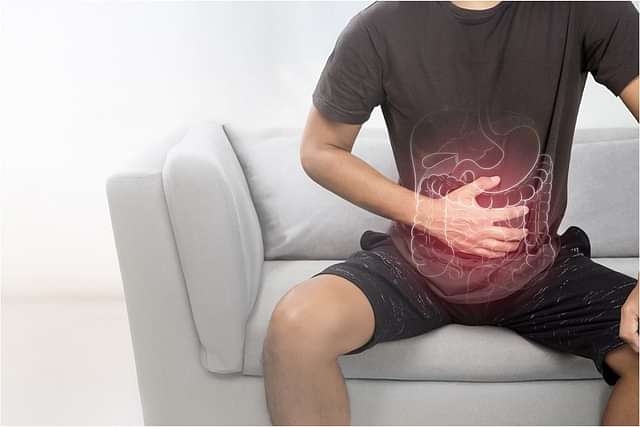
Irritable Bowel Syndrome (IBS) is a chronic gastrointestinal disorder that affects the large intestine, causing symptoms such as abdominal pain, bloating, and changes in bowel habits. It is a functional disorder, meaning it does not cause damage to the digestive tract but rather involves problems with how the brain and gut work together. IBS is categorised into three main types based on the pattern of bowel movements: IBS with constipation (IBS-C), IBS with diarrhoea (IBS-D), and IBS with mixed bowel habits (IBS-M).
 50
50Last updated on : 09 Apr, 2026
Read time : 12 mins
Overview of Disease
Irritable bowel syndrome (IBS) is a common condition that affects millions of individuals worldwide. This article will provide a comprehensive overview of irritable bowel syndrome (IBS) to help readers gain a clearer understanding of its causes, symptoms, and treatment options. In this article, we will discuss several aspects of IBS, including its definition, types, and associated symptoms.
What is Irritable Bowel Syndrome?
Irritable bowel syndrome is a functional gastrointestinal disorder primarily affecting the large intestine. Unlike other gastrointestinal diseases, IBS does not cause structural damage to the digestive tract. Instead, it is defined by a set of symptoms that occur simultaneously, including recurrent abdominal pain and changes in bowel habits, such as diarrhoea, constipation, or both.
The illness is thought to be caused by abnormalities in the communication between the brain and gut, resulting in increased sensitivity and unusual muscle spasms in the intestines. To better comprehend the varied manifestations of IBS, it is necessary to discuss the different forms of the condition.
Key Factors about Irritable Bowel Syndrome
| Category | Details |
| Also Referred as | Spastic colon, nervous colon, mucous colitis, spastic bowel |
| Commonly Occurs In | Women more than men, typically before 45 years old |
| Affected Organ | Large intestine (gastrointestinal tract) |
| Type | Functional gastrointestinal disorder (disorders of gut-brain interactions) |
| Common Signs | Abdominal pain, bloating, gas, diarrhoea or constipation, or both |
| Consulting Specialist | Gastroenterologist |
| Treatment Procedures | Diet management, stress management, probiotics, medications (e.g., anticholinergics, antidepressants) |
| Managed By | Anti-diarrheal medications, pain relievers, gut-directed therapies, and lifestyle modifications |
| Mimicking Condition | Inflammatory Bowel Disease (IBD), Small Intestinal Bacterial Overgrowth (SIBO) |
Types of Irritable Bowel Syndrome
IBS is classified into three major types based on the pattern of bowel movements (Nathani et al., 2025):
- IBS with constipation (IBS-C): People with this type of IBS have hard or lumpy stools more than 25% of the time, but watery or loose stools on average less than 25% of the time.
- IBS with diarrhoea (IBS-D): Individuals with IBS-D have watery or loose stools more than 25% of the time, but hard or lumpy stools less than 25% of the time.
- IBS with mixed bowel habits (IBS-M): This type has both hard or lumpy stools and loose or watery stools at least 25% of the time.
In addition to these three main types, there is one more type called unsubtyped IBS (IBS-U). This type includes individuals whose bowel habits do not fit into the above classifications. Understanding the different types of IBS can help healthcare providers tailor treatment plans to the specific needs of each patient.
Symptoms of Irritable Bowel Syndrome
The symptoms of IBS can vary widely among individuals, but some of the most common symptoms include:
- Bloating, cramping, or abdominal pain can be related to the experience of a bowel movement. Pain is often relieved after a bowel movement.
- Changes in stool frequency and form. Constipation, diarrhoea, or a combination of the two may occur in this situation.
- The sensation that the bowel movement was not completely evacuated, along with increased gas or mucus in the stool.
- Additional related symptoms, such as nausea, fatigue, or urinary issues.
It is essential to remember that each person may experience these symptoms differently, in terms of both frequency and intensity.
Some people may experience minor symptoms that are readily controlled, while others may have more severe symptoms that significantly impact their day-to-day activities. Furthermore, symptoms may fluctuate over time, going through flare-ups and then periods of remission.
Causes of Irritable Bowel Syndrome
The exact cause of irritable bowel syndrome (IBS) is still unknown, but several factors are thought to play a role in its development.
- Gut-brain interaction: Disruption in the communication between the brain and the gut may lead to irregularities in bowel movements, contributing to IBS symptoms.
- Intestinal muscle contractions: Abnormal contractions in the intestine, either too strong or too weak, can cause bloating, diarrhoea, or constipation.
- Severe infections: IBS can sometimes develop after a severe bout of gastroenteritis (stomach infection), caused by bacteria or viruses.
- Changes in gut microbiome: An imbalance in gut bacteria, known as dysbiosis, is associated with the development of IBS.
- Stress and psychological factors: Emotional stress or anxiety may trigger or worsen IBS symptoms in some individuals.
- Food sensitivities: Certain foods, such as dairy, gluten, or high-fat items, may exacerbate IBS symptoms; however, specific triggers can vary from individual to individual.
- Genetic predisposition: Family history may increase the likelihood of developing IBS, suggesting a genetic component.
- Hormonal changes: Fluctuations in hormones, particularly in women, may worsen symptoms, especially during menstruation.
Risk Factors
Several risk factors are associated with the development of irritable bowel syndrome (IBS), which may increase the likelihood of experiencing the condition. These include:
Gender: IBS is more common in people who were assigned female at birth (AFAB), with women being about twice as likely to develop IBS compared to those assigned male at birth (AMAB).
Age: Symptoms of IBS typically begin to manifest in late adolescence or early adulthood, most commonly between the late teens and early 40s.
Family History: A family history of IBS can increase the risk of developing the condition, suggesting a possible genetic link.
Other Chronic Pain Conditions: IBS often coexists with other chronic pain conditions like fibromyalgia, chronic pelvic pain, and interstitial cystitis, indicating a potential connection between these disorders.
Complications
IBS not only affects physical health but also significantly impacts a person’s emotional well-being and daily activities. Here are some ways it can influence various aspects of life:
- Nutritional deficiencies: Due to food sensitivities or restrictive diets aimed at managing symptoms, individuals with IBS may experience a lack of essential nutrients, which can lead to malnutrition or weakened immunity.
- Chronic fatigue: The constant discomfort, pain, and irregular bowel movements can lead to poor sleep quality, resulting in chronic fatigue and reduced energy levels.
- Reduced social life: IBS can make social situations difficult, as people may feel embarrassed or anxious about managing symptoms in public. This can lead to isolation and a reluctance to participate in social activities.
- Sexual dysfunction: Discomfort, pain, and bloating can interfere with intimate relationships, leading to decreased libido or anxiety about sexual activity.
- Work and academic limitations: Frequent bathroom breaks, discomfort, and fatigue can make it challenging to maintain focus and productivity at work or school, potentially affecting job performance or academic success.
- Increased risk of mood disorders: People with IBS are more likely to develop anxiety or depression, particularly when the condition severely disrupts their ability to live a normal life.
Prevention of Irritable Bowel Syndrome
While preventing IBS entirely may not be possible, making certain lifestyle changes and identifying triggers can help control symptoms and improve quality of life. Adjusting your diet and incorporating healthy habits can significantly reduce flare-ups, making it easier to live with IBS. Below are some effective strategies for managing the condition and minimising its impact on daily life.
1. Dietary changes
- Identify and avoid trigger foods: Determine which foods worsen IBS symptoms and eliminate them from the diet.
- Increase fibre intake: Adding more fibre to meals can help regulate bowel movements and ease IBS symptoms.
- Follow a low FODMAP diet: With guidance from a doctor, avoiding foods that cause gas and bloating, such as certain carbohydrates, can help manage IBS.
2. Lifestyle modifications
- Regular exercise: Staying physically active helps maintain overall health and may reduce IBS symptoms.
- Stress management: Since stress is a common trigger, practices like meditation, yoga, or other relaxation techniques can help prevent flare-ups.
- Sleep routine: Establishing consistent sleep patterns and getting adequate rest can help alleviate IBS symptoms.
3. Hydration and fluid management
- Stay hydrated: Drinking plenty of water supports digestion and overall gut health.
- Limit caffeine and alcohol: These can aggravate IBS symptoms, so it's best to consume them in moderation or avoid them altogether.
Diagnosis & Tests
By using specific criteria and conducting additional tests when necessary, doctors accurately diagnose IBS and tailor a treatment plan that best suits the patient's needs. Below are the key steps involved in diagnosing IBS.
1. Symptom-based diagnosis
- Rome IV criteria: Diagnosing IBS often relies on the Rome IV criteria, which require the patient to experience abdominal pain at least once per week for the past three months (Moshiree et al., 2022).
- Associated symptoms: The pain should be related to two or more of the following: improvement after a bowel movement, changes in stool frequency, or changes in stool appearance.
2. Medical and family history review
- Detailed history: Doctors review the patient’s medical and family history to identify any potential causes or conditions that mimic IBS.
- Relevant factors: They may ask about family history of digestive disorders, recent infections, stress, and other health issues that could be linked to IBS.
3. Physical examination
- Abdominal examination: Doctors will assess the abdomen for bloating, tenderness, and other abnormalities.
- Rectal examination: A rectal exam may be performed to check for blood in the stool or other potential issues.
4. Additional diagnostic tests
- Blood tests: These can help rule out conditions like anaemia or infection, which may present with similar symptoms to IBS.
- Stool tests: Used to detect blood, parasites, or infections that could explain the digestive problems.
- Imaging tests: Colonoscopy or CT scans may be recommended if there are alarming symptoms, such as weight loss, rectal bleeding, fever, or if symptoms begin after age 50.
Treatment & Management
IBS treatment varies based on the dominant symptoms—diarrhoea (IBS-D), constipation (IBS-C), or abdominal pain and bloating.
1. IBS with Diarrhoea (IBS-D)
- Antidiarrheal Medications: Loperamide and Diphenoxylate help slow bowel movements, reducing urgency and frequency.
- 5-HT3 Receptor Antagonists: Alosetron, Ondansetron, and Granisetron are used to regulate gut motility in severe cases.
- Probiotics: Beneficial bacteria like Lactobacillus and Bifidobacteria can help restore gut balance and reduce symptoms.
2. IBS with Constipation (IBS-C)
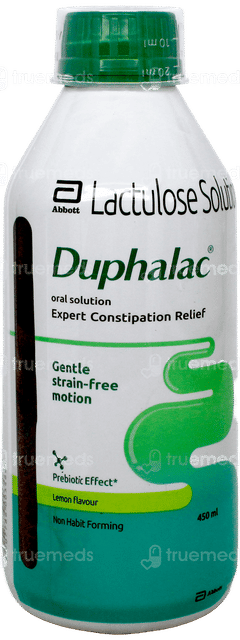
- Laxative Agents: Lactulose, Lubiprostone, and PEG (polyethylene glycol) improve bowel regularity.
- 5-HT4 Receptor Agonists: Tegaserod and Prucalopride enhance intestinal movement, aiding in stool passage.
3. Abdominal Pain and Cramping
- Spasmolytics: Dicyclomine, Hyoscyamine, Mebeverine, Dicycloverine, and Cimetropium relax intestinal muscles, reducing cramps and discomfort.
- Prokinetic agents: Metoclopramide may be used in selected cases of motility disorders, although it is not routinely recommended for IBS.
4. Bloating and Gas
- Dietary Modifications: Avoiding high-FODMAP foods can significantly reduce bloating and discomfort.
- Probiotics: Supplements containing Bifidobacterium and Lactobacillus help improve gut flora and digestion.
For effective relief, medications should be used under medical supervision, along with lifestyle and dietary changes.
Living with Irritable Bowel Syndrome
Identifying and avoiding triggers is a crucial aspect of managing IBS. Common triggers include:
- Certain foods: Some foods can make IBS symptoms worse. Foods high in FODMAPs (a type of carbohydrate), as well as spicy or greasy foods, can be hard for the stomach to handle. Artificial sweeteners, such as those found in diet sodas or sugar-free gum, can also cause problems.
- Stress: Emotional stress or anxiety can make IBS symptoms worse. When you're stressed or worried, your digestive system may react, resulting in increased discomfort.
- Hormonal changes: Changes in hormones, especially during a woman's menstrual cycle, can affect IBS. Symptoms may worsen during this time due to these natural fluctuations.
- Medications: Certain medications, like antibiotics, antidepressants, and painkillers, might trigger or make IBS symptoms worse. These drugs can interfere with the digestive system's normal functioning.
When to See a Doctor?
If you think you might have irritable bowel syndrome (IBS), it's essential to visit a doctor to get a correct diagnosis and treatment plan. If you experience ongoing symptoms, such as abdominal pain, bloating, diarrhoea, or constipation, that persist for more than a few days, you should schedule an appointment with your doctor.
Additionally, it’s especially important to see a doctor if you have severe pain, unexplained weight loss, blood in your stool, or signs of anaemia, like feeling very tired or having pale skin. These could be signs of a more serious problem that requires further evaluation. Your doctor will ask about your medical history, perform a physical exam, and suggest some tests to make sure it's not another gastrointestinal condition before diagnosing IBS.
Key Takeaways
- See a doctor if you experience persistent symptoms of IBS such as abdominal pain, bloating, diarrhoea, or constipation lasting more than a few days.
- Seek immediate medical attention for severe pain, unexplained weight loss, blood in stool, or signs of anaemia.
- Your doctor will review your medical history, perform an exam, and may recommend tests to rule out other conditions before diagnosing IBS.
- Treatment for IBS may include dietary changes, stress management techniques, medications, or psychological therapies.
- While there is no cure for IBS, symptoms can often be effectively managed with the right treatment plan tailored to your individual needs.
- Work closely with your doctor to identify triggers, make lifestyle modifications, and find the most effective therapies for controlling your IBS symptoms.
FAQs
Which foods should be avoided by individuals with irritable bowel syndrome (IBS)?
What are the top five dietary recommendations for managing IBS?
Is irritable bowel syndrome severe?
What tests are used to diagnose irritable bowel syndrome?
Is there a permanent cure for irritable bowel syndrome?
References
- American Society of Colon and Rectal Surgeons. (n.d.). Irritable bowel syndrome expanded version. https://fascrs.org/patients/diseases-and-conditions/a-z/irritable-bowel-syndrome-expanded-version
- Johns Hopkins Medicine. (n.d.). Irritable bowel syndrome (IBS). https://www.hopkinsmedicine.org/health/conditions-and-diseases/irritable-bowel-syndrome-ibs
- MedlinePlus. (n.d.). Irritable bowel syndrome. U.S. National Library of Medicine. https://medlineplus.gov/irritablebowelsyndrome.html
- Moshiree, B., Heidelbaugh, J. J., & Sayuk, G. S. (2022). A Narrative Review of Irritable Bowel Syndrome with Diarrhea: A Primer for Primary Care Providers. Advances in Therapy, 39(9), 4003–4020. https://doi.org/10.1007/s12325-022-02224-z
- Nathani, R. R., Sodhani, S., & Vadakekut, E. S. (2025). Irritable bowel syndrome. StatPearls - NCBI Bookshelf. https://www.ncbi.nlm.nih.gov/books/NBK534810/

Check Related Salts
Browse Other Conditions
Latest health articles
Top Health Essentials



















Disclaimer
Top-Selling Medicines:
...View more
Top-OTC medicines:
...View more
Company
About UsHealth ArticleHealth StoriesHealth LibraryDiseases & Health ConditionsAyurvedaUnderstanding Generic MedicinesAll MedicinesAll BrandsNeed HelpFAQSecuritySavings CalculatorAdvertise with UsSubscribe
Registered Office Address
Grievance Officer
Download Truemeds


Contact Us
Our customer representative team is available 7 days a week from 9 am - 9 pm.
v4.28.21

2026 - Truemeds | All rights reserved. Our content is for informational purposes only. See additional information.
Our Payment Partners