

- Medicines
- Personal Care
- Skin Cream
- Sunscreen
- Face Wash
- Skin and Body Soap
- Acne Care
- Body Lotions
- Moisturising Lotion
- Moisturising Cream
- Mosquito Repellent
- Moisturising Gel
- Body Wash
- Hair Oils
- Hair Shampoo
- Hair Conditioners
- Hair Supplements
- Hair Colour
- Hair Serum
- Hair Mask
- Hair Solutions
- Baby Diapers and Wipes
- Baby Lotion and Moisturising Cream
- Baby Bath Essentials
- Baby Skin Care
- Baby and Infant Food
- Baby Healthcare
- Women Multivitamins
- Ovulation Test Kit and Women Intimate Care
- Sanitary Pads
- Nutritional Drinks
- Condoms
- Lubricants
- Massage Gels
- Personal Body Massagers
- Men Performance Booster
- Sexual Health Supplements
- Massage Oils
- Ayurveda
- Tooth Paste
- Mouth Ulcer Gel
- Mouthwash
- Toothache and Gum Pain
- Tooth Brush
- Gargle Solution
- Orthopaedic Supports
- Adult Diapers
- Footwear
- Mobility and Support Accessories
- Urinary Support and Care
- Health Conditions
- Bone and Joint Care
- Digestive Care
- Eye Care
- Pain Relief
- Smoking Cessation
- Liver Care
- Stomach Care
- Cold and Cough
- Heart Care
- Kidney Care
- Piles, Fissures & Fistula
- Respiratory Care
- Mental Wellness
- Derma Care
- Pre and Probiotics
- Acidity
- Gas
- Constipation
- Loose Motion/Diarrhoea
- Digestive Fibres
- Digestive Enzymes
- Eye Lubricant Drops
- Lens Solution
- Safety Eye Wear
- Eye Cream
- Eye Vitamins and Supplements
- Eye Drops
- Eye Ointment and Gel
- Nicotine Patch
- Nicotine Gum
- Nicotine Lozenges
- Cough Syrups
- Chest Rubs and Balms
- Nasal Spray
- Lozenges
- Inhalant Capsules
- Cold and Cough Tablets
- Vitamins & Supplements
- Diabetes Care
- Healthcare Devices
- Homeopathic Medicine
- Health Guide
Neem
Neem (Azadirachta indica) is a large evergreen tree of the Meliaceae family, native to the Indian subcontinent. Its leaves, bark, seeds and oil have been used in Ayurveda for centuries, where it is known as Nimba. Neem is traditionally used mainly to support skin and scalp health, and in oral care. Laboratory studies have demonstrated antibacterial, antifungal and anti-inflammatory properties, although evidence for many of its uses in humans remains limited. Neem oil is for external use only.
 50
50Last updated on : 15 Sep, 2026
Read time : 22 mins
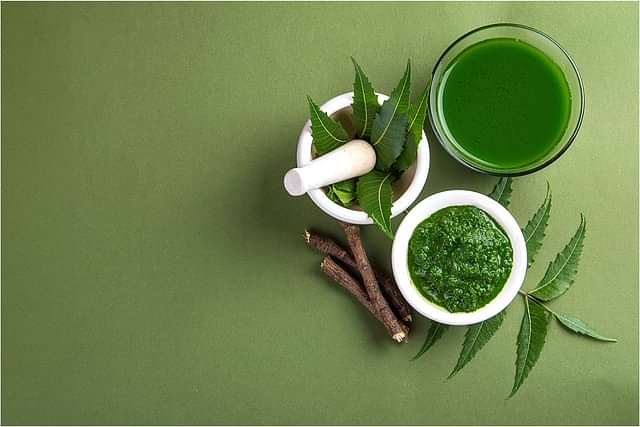
What is Neem?
The name comes from the Sanskrit Nimba, from which the Hindi and Urdu "Neem" derive. Ayurveda also calls it Arishta, meaning "that which does not become diseased", and Pichumarda, a reference to its long traditional use for skin complaints. The English name "Indian lilac" reflects the scent of its flowers, and "margosa", the name used for its oil, comes from the Portuguese amargosa, meaning "bitter".
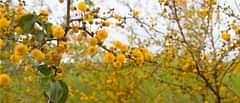
Neem is a large evergreen tree of the Meliaceae family, reaching 15 to 20 metres in height. It is native to the Indian subcontinent and now grown across the tropics (National Research Council, 1992). It is described in the classical Ayurvedic texts. The Charaka Samhita places it in the Kandughna Mahakashaya, the group of herbs traditionally used to help relieve itching, and the Sushruta Samhita lists it in the Aragvadhadi and Guduchyadi ganas. The Bhavaprakasha Nighantu places it in the Guduchyadi Varga.
In Ayurveda, neem is described by its traditional properties, which are believed to influence its actions in the body. These are classified as follows:
- Rasa (Taste): Tikta (bitter), Kashaya (astringent)
- Guna (Qualities): Laghu (light), Ruksha (dry)
- Virya (Potency): Sheeta (cooling)
- Vipaka (Post-digestive Effect): Katu (pungent)
- Dosha Action: Traditionally considered to help balance Kapha and Pitta and may increase Vata
- Varga: Guduchyadi Varga (Bhavaprakasha Nighantu)
- Traditional Actions: Kandughna (traditionally used to help relieve itching), Kushtaghna (traditionally used to support the management of skin disorders), Krimighna (traditionally used against intestinal worms and parasites), Jwaraghna (traditionally used to help manage fever), and Vranashodhana and Vranaropana (traditionally associated with wound cleansing and healing).
Key Facts
| Feature | Details |
| Botanical name | Azadirachta indica A. Juss. |
| Family | Meliaceae |
| Part used | Leaf, bark, seed, seed oil, flower and twig |
| Ayurvedic category | Guduchyadi Varga (Bhavaprakasha Nighantu). Kandughna Mahakashaya (Charaka Samhita).
|
| Ayurvedic properties (rasa, virya, vipaka, dosha) | Rasa: tikta, kashaya. Virya: sheeta. Vipaka: katu. Reduces kapha and pitta, may increase vata |
| Key active compounds | Azadirachtin, nimbin, nimbidin, nimbolide, gedunin, salannin, quercetin and beta-sitosterol |
| Traditional uses | Skin complaints, itching, wound cleansing, oral care, fever and intestinal worms |
| Common forms | Fresh leaf, leaf powder, leaf juice, capsules, tablets, decoction, mouthwash, soap and seed oil for external use
|
| General dosage | Leaf powder: 1–3 g daily, or leaf juice: 10–15 ml daily, for short-term use under the supervision of a qualified healthcare professional or Ayurvedic practitioner. Neem oil is for external use only. |
| Best taken | Internal preparations after food, in short courses rather than continuously |
| Key safety note | Neem oil must never be swallowed or given to infants or children. Avoid all internal use of neem during pregnancy, while breastfeeding and if you are trying to conceive. Speak to a doctor before using internal neem preparations if you take diabetes medicines or have a liver condition. |
Alternative Names of Neem
Neem is known by different names across India and in English. Some of the most common names are listed below.
- Botanical Name: Azadirachta indica A. Juss.
- English: Neem, Indian Lilac, Margosa
- Sanskrit: Nimba, Arishta, Pichumarda, Prabhadra, Sarvatobhadra
- Hindi/Urdu: Neem, Nim
- Bengali: Nim
- Marathi: Kadunimb
- Gujarati: Limdo
- Tamil: Vembu, Veppai
- Telugu: Vepa
- Kannada: Bevu
- Malayalam: Aryaveppu
- Punjabi: Nimm
- Odia: Nimba
Chemical Constituents of Neem
Neem owes its biological properties to a group of bitter compounds called limonoids, together with several flavonoids. The main constituents are listed below.
- Azadirachtin, the best studied limonoid, concentrated in the seed and seed oil
- Nimbin and nimbidin, bitter limonoids that have been studied for anti-inflammatory and antibacterial properties
- Nimbolide, a limonoid studied for its antimicrobial and anti-inflammatory effects in laboratory studies
- Gedunin and salannin, further limonoids found in the seed
- Quercetin and catechin, flavonoids present mainly in the leaf
- Beta-sitosterol and related plant sterols
- Gallotannins and ellagic acid, phenolic compounds in the bark and leaf
- Fatty acids including oleic, stearic, palmitic and linoleic acid, which make up the bulk of the seed oil
The compound profile differs markedly between plant parts. The seed and its oil contain the highest concentration of azadirachtin, which is why neem oil differs significantly in composition from neem leaf and why the two should never be used interchangeably (Islas et al., 2020).
Medicinal Properties of Neem
The actions below describe what neem is understood to do in the body, as pharmacological properties rather than treatment claims.
- Antibacterial: Laboratory studies suggest it may inhibit the growth of several bacteria.
- Antifungal: Laboratory studies suggest it may act against fungi, including Candida and Malassezia.
- Anti-inflammatory: May help reduce inflammation, including swelling, redness and heat in tissues.
- Antioxidant: May help neutralise free radicals.
- Antiparasitic: Has been studied for activity against certain worms and insect larvae.
- Antipyretic: Traditionally described in Ayurveda as Jwaraghna and used to support the management of fever.
- Wound cleansing and healing: Traditionally described in Ayurveda as Vranashodhana and Vranaropana.
- Antifertility: Animal studies have shown temporary antifertility effects, but evidence in humans is limited.
Most of these properties are based on laboratory and animal studies or traditional Ayurvedic knowledge. They indicate the pharmacological activities that have been studied or traditionally described rather than proven clinical effects in humans. The antifertility property is included because it is an important safety consideration for people trying to conceive, not as an indication for contraception.
Key Health Benefits of Neem
The following sections describe the potential actions of neem based on current research. Most evidence comes from laboratory and animal studies, and the findings should not be interpreted as proven clinical benefits in humans.
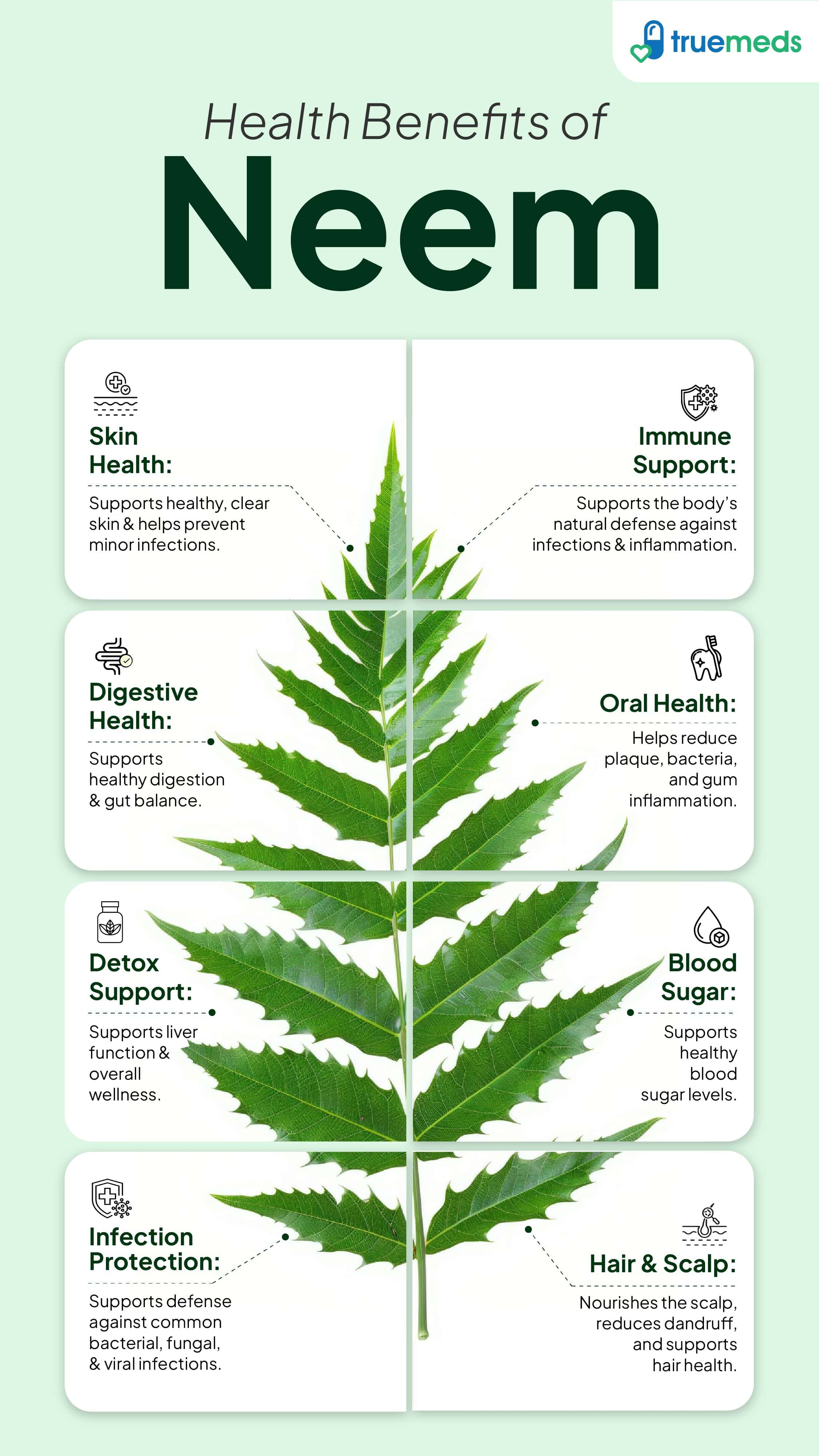
May Help Manage Acne-Prone Skin
Neem contains nimbidin and related limonoids with antibacterial and anti-inflammatory properties. Applied to the skin, these compounds may help reduce the growth of bacteria associated with acne and help relieve the redness and swelling around affected areas. Most evidence comes from laboratory studies and a limited number of studies of topical preparations.
May Support Gum Health and Reduce Plaque
Compounds in neem may help inhibit the growth of bacteria that form dental plaque. Some clinical studies of neem mouthwash and neem gels have reported reductions in plaque and gum inflammation over short periods. Neem does not replace brushing, flossing or professional dental care.
May Help Control Dandruff and Scalp Irritation
Neem oil has shown antifungal activity in laboratory studies against Malassezia, the yeast associated with dandruff. Applied to the scalp in diluted form, it may help reduce flaking and itching. Evidence is mainly based on laboratory studies, and neem oil must always be diluted in a carrier oil before use.
Shows Antibacterial and Antifungal Activity in Laboratory Testing
Neem extracts have shown activity against a range of bacteria and fungi in laboratory conditions, an effect attributed to limonoids such as nimbin and nimbidin (Islas et al., 2020). These results describe what happens in a laboratory setting, not necessarily in the body. Neem does not replace prescribed antibiotics or antifungal medicines.
Provides Antioxidant Activity
Neem leaves contain flavonoids such as quercetin and catechin, which act as antioxidants. Antioxidants help the body neutralise reactive molecules called free radicals. This activity is well demonstrated in the laboratory, although its long-term clinical significance in humans remains uncertain.
Traditionally Used to Relieve Itching
Ayurveda classifies neem as Kandughna, meaning it is traditionally used to relieve itching. Its anti-inflammatory limonoids may help soothe skin irritation associated with conditions such as eczema when applied to the skin. However, evidence supporting this use in humans is limited, and any spreading or persistent rash should be assessed by a doctor.
Common Uses for Neem
Neem has traditionally been used for the purposes described below. These uses are based on traditional practice and are not proven clinical benefits.
In Everyday Skin and Bathing Preparations
Neem soap, neem-infused bathwater and leaf paste are traditionally used at home for oily or spot-prone skin, and after episodes of prickly heat. Neem water baths remain a common household practice during and after chickenpox in many Indian families. However, they should not replace appropriate medical care where needed.
As a Traditional Tooth-Cleaning Twig
The Datun, a chewed neem twig used as a toothbrush, is one of the oldest oral hygiene practices in India. It is traditionally used in the morning and discarded after a single use.
Within Classical Ayurvedic Formulations
Neem is included in preparations such as Panchanimba Churna and Nimbadi Kashaya, which are traditionally prescribed by Ayurvedic practitioners for skin complaints. These should be used under the guidance of a qualified Ayurvedic practitioner rather than self-prescribed.
For Scalp Care Alongside a Carrier Oil
Diluted neem oil is massaged into the scalp before washing, generally for flaking or itching rather than to promote hair growth. It is left on for a short period and then shampooed out.
Around the Home as an Insect Repellent
Dried neem leaves are placed among stored grain and clothing to deter insects, and neem oil is used for garden pest control. These are household and agricultural uses rather than medical applications.
Precautions While Taking Neem
Neem is a potent medicinal plant, and neem oil should never be swallowed. Read the safety precautions below before using any neem product.
- Never give neem oil by mouth or into the nose, to any person, and do not use it in infants or children. Neem oil ingestion can cause vomiting, drowsiness, metabolic acidosis, seizures and encephalopathy, and has been fatal in children after ingestion of small amounts (Sinniah & Baskaran, 1981); (NIDDK, 2020). Instilling neem oil into a child's nose for a cold is a traditional practice that is not recommended because of the risk of serious harm.
- Internal use of neem is not recommended during pregnancy or breastfeeding. Consult your doctor before using any neem preparation.
- Avoid internal neem if you are trying to conceive. Neem has been investigated for reproductive effects, mainly in animal studies (Patil et al., 2021). Although these effects appear to be reversible, evidence in humans is limited. As a precaution, avoid internal neem while trying to conceive.
- Do not give internal neem preparations to children under 12 without the guidance of a qualified Ayurvedic practitioner and medical advice.
- Speak to your doctor first if you take medicine for diabetes. Neem may lower blood glucose further and your readings may need closer monitoring.
- Speak to your doctor first if you have a liver condition or a history of liver problems. High doses and prolonged use have been associated with liver injury.
- If you have an autoimmune condition, consult your doctor before using neem, as it may affect immune function.
- If you have had an organ transplant or take medicines that suppress the immune system, speak to your transplant specialist before using neem.
- Do not take internal neem continuously for long periods. Use it only for short courses under the guidance of a healthcare professional.
- Tell the surgical team about neem use and follow their advice on whether and when to stop it.
- Test neem oil on a small patch of skin before wider use. Contact dermatitis and allergic rashes have been reported.
- Buy neem products from a reputable seller and keep neem oil in its original, clearly labelled bottle, well out of reach of children.
Note: Stop using neem and seek medical advice immediately if you develop yellowing of the skin or eyes, dark urine, persistent vomiting, drowsiness, confusion or a seizure. If neem oil has been swallowed, particularly by a child, seek emergency medical care immediately.
How to Use Neem
The way neem is used depends on the product and the part of the plant. Always follow the instructions for the form you are using.
Brewing a Neem Leaf Decoction
Simmer five or six fresh leaves, or half a teaspoon of leaf powder, in a cup of water for five to ten minutes. Strain and drink it warm after food. The taste is strongly bitter, and a little honey may improve the taste. Keep to short courses rather than drinking it every day for prolonged periods.
Applying a Leaf Paste to the Skin
Grind fresh leaves, or mix neem powder with a little water, into a smooth paste. Apply the paste to the affected area, leave it on for 15 to 20 minutes, then rinse with lukewarm water. Perform a patch test on a small area first, and use it two or three times a week rather than daily.
Diluting Neem Oil for the Scalp or Skin
Mix a few drops of neem oil into a tablespoon of coconut or sesame oil before applying it to the skin. Massage into the scalp, leave it on for 30 minutes, then shampoo it out. Neem oil is for external use only and must never be swallowed or instilled into the nose.
Rinsing the Hair With Neem Water
Boil a handful of leaves until the water turns green, then let it cool completely and strain. Use it as a final rinse after shampooing. Discard any remaining infusion rather than storing it, as it spoils quickly.
Cleaning the Teeth With a Neem Twig
Chew one end of a fresh twig until the fibres separate into a brush, then clean the teeth gently with it. Use a fresh twig each time and discard it after use. A neem twig does not replace a toothbrush, fluoride toothpaste or dental check-ups.
Taking Capsules or Tablets
Swallow with water after food, following the dose stated on the pack or recommended by a qualified Ayurvedic practitioner or your doctor. Do not open capsules or crush tablets unless the label permits it, and do not combine several neem products at once.
Herbs Traditionally Used With Neem
Ayurveda rarely uses neem on its own. The herbs below are its long-standing partners, chiefly in preparations for the skin.
| Herb | How it is traditionally combined with neem |
| Haridra (Curcuma longa) | Turmeric and neem are a well-known traditional combination in Ayurveda, used together in pastes and internal formulations. Turmeric is warming where neem is cooling, and the two are traditionally believed to complement each other in supporting skin health. |
| Guduchi (Tinospora cordifolia) | Guduchi appears with neem in Ayurvedic formulations. It is believed to balance neem's drying nature while supporting its traditional use during fever and for maintaining skin health. |
| Manjistha (Rubia cordifolia) | Manjistha is combined with neem in traditional preparations used to support skin health and Rakta (blood) balance in Ayurveda. The pairing is commonly found in classical Ayurvedic skin formulations. |
| Khadira (Acacia catechu) | Khadira and neem are included together in traditional formulations such as Panchanimba Churna and Khadirarishta, which are traditionally used to support skin health. Khadira contributes traditionally recognised astringent properties alongside neem's bitterness. |
| Karanja (Pongamia pinnata) | Neem oil and karanja oil are traditionally blended for external application to the skin and scalp. Both are bitter seed oils, and the combination is commonly used in Ayurvedic external preparations. |
| Triphala | Triphala is traditionally used alongside neem to support digestion and regular bowel movements, as neem is traditionally considered to have drying properties. |
Recommended Dosage of Neem
Neem is used medicinally rather than as a food, and the right dose depends on the part used and the individual's health status. The guidance below is general. Consult a doctor or a qualified Ayurvedic practitioner before starting.
Children Under 12 Years
Neem oil must never be given by mouth or into the nose, at any age or dose. Internal neem preparations should only be given under the guidance of a qualified Ayurvedic practitioner. Neem soap and properly diluted neem preparations for external use are generally considered suitable.
Teenagers Aged 12 to 17 Years
Internal neem should be taken only under the guidance of a qualified Ayurvedic practitioner or as advised by a doctor, and only for short periods. External use on the skin and scalp is generally considered appropriate. The recommendation not to swallow neem oil applies without exception.
Adults Aged 18 to 64 Years
Leaf powder is traditionally used at 1 g to 3 g daily, and fresh leaf juice at 10 ml to 15 ml daily, taken after food. These amounts reflect traditional Ayurvedic practice. Courses are usually kept to four to six weeks rather than continued indefinitely. Tablets and capsules should be taken according to the strength printed on the pack.
Older Adults Aged 65 and Above
Begin at the lower end of the adult range and consult a doctor first. Liver and kidney function may decline with age, and older adults are more likely to be taking medicines that may interact with neem.
During Pregnancy, Breastfeeding, and When Trying to Conceive
Avoid internal neem during pregnancy and breastfeeding unless advised by a healthcare professional. If you are trying to conceive, consult your doctor before using neem internally.
Using Neem Oil
Neem oil is for external use only. Dilute a few drops in a tablespoon of carrier oil before applying it to the skin or scalp. There is no established safe oral dose of neem oil, and it should never be taken by mouth.
Side Effects of Neem
Most people tolerate neem well when it is used correctly and in short courses. The effects below are more likely at higher doses, with prolonged use, or when the seed oil is misused.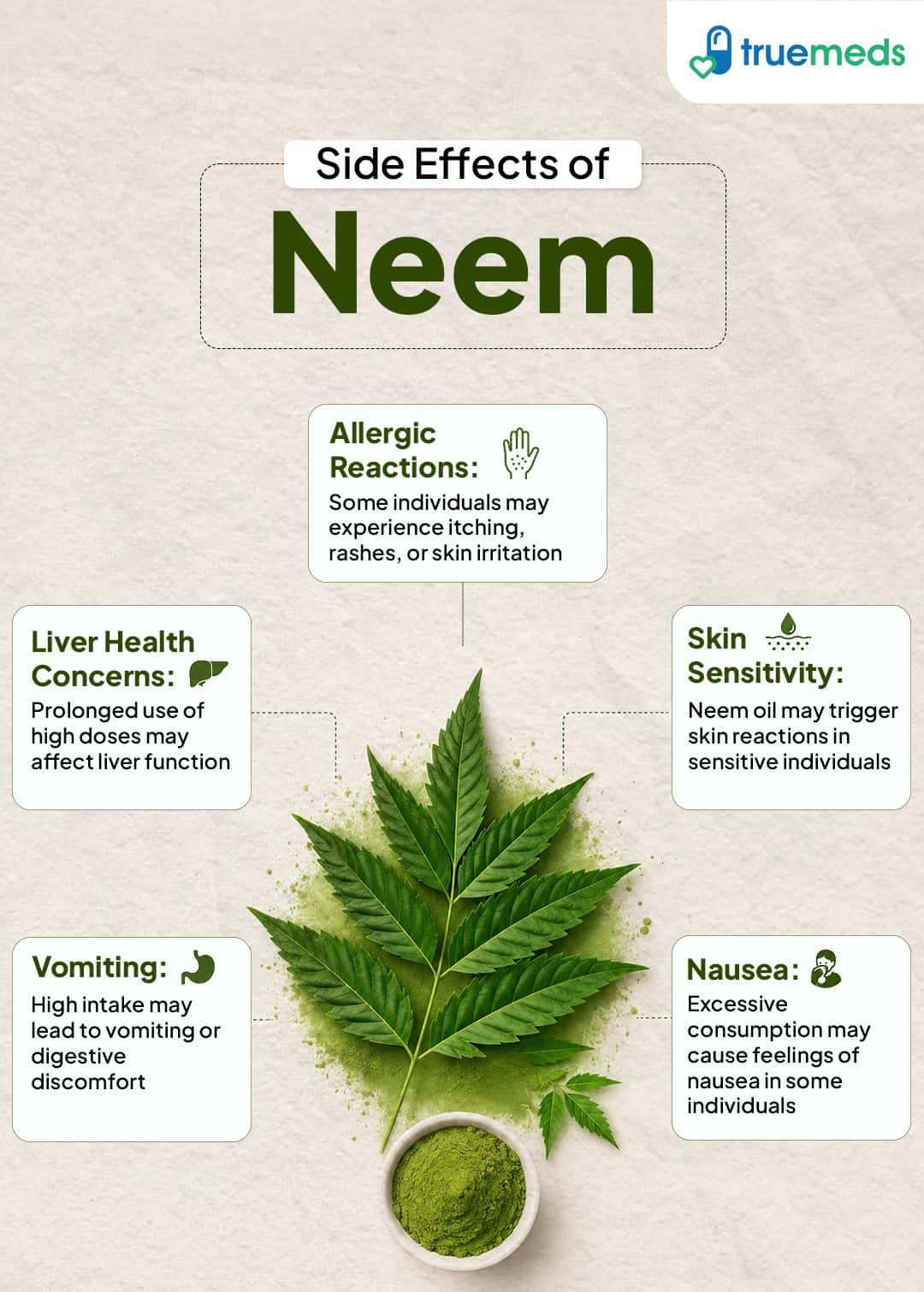
Nausea and Vomiting
Neem is intensely bitter and can upset the stomach, particularly when taken before food. Taking it after a meal may help reduce stomach irritation.
Loose Stools and Abdominal Discomfort
Diarrhoea and abdominal cramping have been reported, most often at higher doses. Reducing the dose or stopping use usually helps symptoms resolve within a day or two.
Low Blood Sugar
Neem may lower blood glucose. In people already taking diabetes medicines, this can increase the risk of low blood sugar (hypoglycaemia), which may cause shakiness, sweating, confusion or faintness. Anyone with diabetes should monitor their blood glucose closely and speak to their doctor.
Liver Injury
High doses and prolonged internal use have been linked to liver damage, and neem seed oil is recognised as a cause of liver injury with fatty change (NIDDK, 2020). Yellowing of the skin or eyes, dark urine or pain below the right ribs requires urgent medical attention.
Allergic Skin Reactions
Contact dermatitis, rash and itching have been reported with the application of neem oil and leaf preparations to the skin. Performing a patch test before wider use may help reduce the risk.
Effects on Fertility
Animal studies show that neem can temporarily reduce fertility in both males and females, and neem oil has been used traditionally as a contraceptive (Patil et al., 2021). Evidence in humans is limited, although the effects observed in animal studies appear to be reversible after discontinuation.
Poisoning From Swallowed Neem Oil
Swallowing neem oil, or instilling it into the nose, can cause vomiting, drowsiness, severe metabolic acidosis, seizures and encephalopathy within hours. Infants and young children are most at risk and deaths have been recorded (Sinniah & Baskaran, 1981); (Kumar & Kumar, 2014). Adults can also be affected (Mishra & Dave, 2013). There is no specific antidote and treatment is supportive, making this a medical emergency.
When to Stop and Seek Medical Help
Stop using neem and contact a doctor if you develop yellowing of the skin or eyes, dark urine, persistent vomiting, unusual drowsiness or confusion, a widespread rash, or symptoms of low blood sugar. If neem oil has been swallowed, especially by a child, seek emergency medical care immediately rather than waiting for symptoms.
Interaction of Neem With Other Drugs
Neem can affect how some medicines work. Tell your doctor or pharmacist if you are using neem, particularly in the situations below.
Diabetes Medicines and Insulin
Neem may lower blood glucose on its own. Taken alongside diabetes medicines or insulin, it can increase the risk of hypoglycaemia (low blood sugar). Monitor your blood glucose closely and speak to your doctor before starting or stopping neem.
Medicines That Suppress the Immune System
Neem may influence immune activity, which could reduce the effectiveness of ciclosporin, tacrolimus and similar medicines taken after an organ transplant or for autoimmune disease. Do not use neem without informing the healthcare professionals managing your treatment.
Medicines Processed by the Liver
Neem has been associated with liver injury in some cases, so consult your doctor before using it if you have liver disease or take long-term medicines, especially those that may affect liver function.
Sedatives and Medicines Causing Drowsiness
Neem has been associated with drowsiness at higher doses. Taking it with sedatives, sleep medication or sedating antihistamines may increase this effect.
Blood Pressure Medicines
Neem may have a mild blood pressure-lowering effect. If you take blood pressure medicines, monitor your blood pressure regularly after starting neem and consult your doctor if you notice low readings or symptoms such as dizziness.
Note: This list does not cover every possible interaction. Tell your doctor or pharmacist about all medicines, herbal products and supplements you are taking.
Storage of Neem
Store neem properly to help maintain its quality. Neem oil requires extra care and should always be kept out of the sight and reach of children.
- Keep fresh leaves in an airtight container in the refrigerator and use them within a week.
- Dry leaves fully in the shade before storing, then keep them in an airtight jar in a cool, dark cupboard.
- Store leaf powder in an airtight container away from heat and moisture, and use it within a few months of opening.
- Keep neem oil in a dark or amber glass bottle in a cool, dark place, away from direct sunlight.
- Keep neem oil in its original, clearly labelled bottle. Never decant it into a drinks bottle, cup or any unlabelled container.
- Store all neem products, especially neem oil, out of the sight and reach of children.
- Keep tablets and capsules in their original packaging so the batch number and expiry date remain available.
- Discard any product that smells rancid, looks cloudy or has passed its expiry date.
Key Takeaways
- Neem is a large evergreen tree of the Meliaceae family, known in Ayurveda as Nimba and classified as bitter, astringent and cooling.
- Its most well-established traditional uses are external, particularly for skin, scalp and oral care.
- Neem oil is for external use only. Swallowing it, or putting it into the nose, can cause seizures and encephalopathy and has been fatal in infants and children.
- Internal neem should be taken in short courses under the guidance of a qualified Ayurvedic practitioner or as advised by a doctor, not continuously.
- Neem is not a treatment for diabetes, ulcers, blood pressure or any other diagnosed condition, and must never replace prescribed medicine.
- Neem may affect fertility and should be avoided by anyone pregnant, breastfeeding or trying to conceive.
- Speak to a doctor first if you take medicine for diabetes, have a liver condition, or take immunosuppressants.
FAQs
Who Should Avoid Neem?
Is It Safe to Swallow Neem Oil?
Can Neem Be Used During Pregnancy or Breastfeeding?
Does Neem Affect Fertility?
Can People With Diabetes Use Neem?
Can Neem Be Given to Children?
How Should Neem Leaves and Neem Oil Be Stored?
Can Neem Be Taken Alongside Prescription Medicines?
Does Neem Help With Acne?
What Is the Scientific Name of Neem?
References
- Islas, J. F., Acosta, E., G-Buentello, Z., Delgado-Gallegos, J. L., Moreno-Treviño, M. G., Escalante, B., & Moreno-Cuevas, J. E. (2020). An overview of neem (Azadirachta indica) and its potential impact on health. Journal of Functional Foods, 74, Article 104171. https://doi.org/10.1016/j.jff.2020.104171
- Kumar, S., & Kumar, N. (2014). Neem oil poisoning as a cause of toxic encephalopathy in an infant. Indian Journal of Pediatrics, 81(9), 955. https://doi.org/10.1007/s12098-013-1327-x
- Mishra, A., & Dave, N. (2013). Neem oil poisoning: Case report of an adult with toxic encephalopathy. Indian Journal of Critical Care Medicine, 17(5), 321–322. https://doi.org/10.4103/0972-5229.120330
- National Institute of Diabetes and Digestive and Kidney Diseases. (2020). Margosa oil. In LiverTox: Clinical and research information on drug-induced liver injury. National Center for Biotechnology Information. https://www.ncbi.nlm.nih.gov/books/NBK548429/
- National Research Council. (1992). Neem: A tree for solving global problems. National Academies Press. https://www.ncbi.nlm.nih.gov/books/NBK234637/
- Patil, S. M., Shirahatti, P. S., Chandana Kumari, V. B., Ramu, R., & Nagendra Prasad, M. N. (2021). Azadirachta indica A. Juss. (neem) as a contraceptive: An evidence-based review on its pharmacological efficiency. Phytomedicine, 88, Article 153596. https://doi.org/10.1016/j.phymed.2021.153596
- Sinniah, D., & Baskaran, G. (1981). Margosa oil poisoning as a cause of Reye's syndrome. The Lancet, 317(8218), 487–489. https://pubmed.ncbi.nlm.nih.gov/6110100/
Explore other categories
Latest health articles





Top Health Essentials
Top-selling ayurvedic products














Disclaimer
Top-Selling Medicines:
...View more
Top-OTC medicines:
...View more
Top-selling healthcare devices:
...View more
Company
About UsHealth ArticleHealth StoriesHealth LibraryDiseases & Health ConditionsAyurvedaUnderstanding Generic MedicinesAll MedicinesAll BrandsNeed HelpFAQSecuritySavings CalculatorAdvertise with UsSubscribe
Registered Office Address
Grievance Officer
Download Truemeds


Contact Us
Our customer representative team is available 7 days a week from 9 am - 9 pm.
v4.28.18

2026 - Truemeds | All rights reserved. Our content is for informational purposes only. See additional information.

Our Payment Partners