

- Medicines
- Personal Care
- Skin Cream
- Sunscreen
- Face Wash
- Skin and Body Soap
- Acne Care
- Body Lotions
- Moisturising Lotion
- Moisturising Cream
- Mosquito Repellent
- Moisturising Gel
- Body Wash
- Hair Oils
- Hair Shampoo
- Hair Conditioners
- Hair Supplements
- Hair Colour
- Hair Serum
- Hair Mask
- Hair Solutions
- Baby Diapers and Wipes
- Baby Lotion and Moisturising Cream
- Baby Bath Essentials
- Baby Skin Care
- Baby and Infant Food
- Baby Healthcare
- Women Multivitamins
- Ovulation Test Kit and Women Intimate Care
- Sanitary Pads
- Nutritional Drinks
- Condoms
- Lubricants
- Massage Gels
- Personal Body Massagers
- Men Performance Booster
- Sexual Health Supplements
- Massage Oils
- Ayurveda
- Tooth Paste
- Mouth Ulcer Gel
- Mouthwash
- Toothache and Gum Pain
- Tooth Brush
- Gargle Solution
- Orthopaedic Supports
- Adult Diapers
- Footwear
- Mobility and Support Accessories
- Urinary Support and Care
- Health Conditions
- Bone and Joint Care
- Digestive Care
- Eye Care
- Pain Relief
- Smoking Cessation
- Liver Care
- Stomach Care
- Cold and Cough
- Heart Care
- Kidney Care
- Piles, Fissures & Fistula
- Respiratory Care
- Mental Wellness
- Derma Care
- Pre and Probiotics
- Acidity
- Gas
- Constipation
- Loose Motion/Diarrhoea
- Digestive Fibres
- Digestive Enzymes
- Eye Lubricant Drops
- Lens Solution
- Safety Eye Wear
- Eye Cream
- Eye Vitamins and Supplements
- Eye Drops
- Eye Ointment and Gel
- Nicotine Patch
- Nicotine Gum
- Nicotine Lozenges
- Cough Syrups
- Chest Rubs and Balms
- Nasal Spray
- Lozenges
- Inhalant Capsules
- Cold and Cough Tablets
- Vitamins & Supplements
- Diabetes Care
- Healthcare Devices
- Homeopathic Medicine
- Health Guide
Kali Musli
Kali Musli (Curculigo orchioides) is a perennial Ayurvedic herb, also known as Black Musli, whose dried rhizome (root) is classified in Ayurveda as a Rasayana (rejuvenative) and Vajikarana (reproductive tonic) drug. It is traditionally used, under the guidance of a qualified Ayurvedic practitioner, to help support general strength, stamina, and male reproductive wellness as part of a wider Rasayana regimen.
 50
50Last updated on : 22 Sep, 2026
Read time : 13 mins
What is Kali Musli?
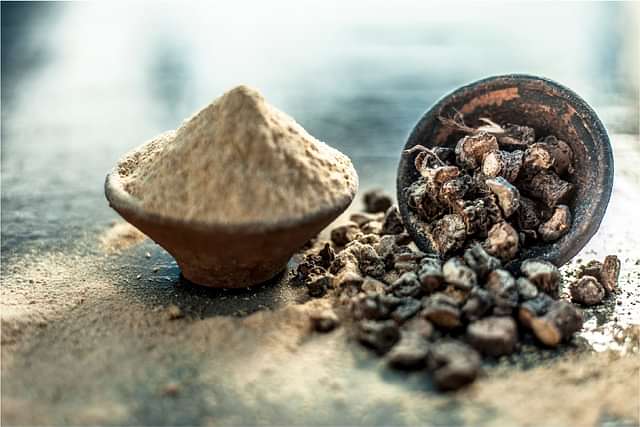
Kali Musli is named for the black (kali) colour of its fleshy root, which sets it apart from the pale-rooted Safed Musli (Chlorophytum borivilianum), a different plant used for broadly similar tonic purposes. In Ayurveda, the herb is known by Sanskrit names such as Talamuli and Musali. It is traditionally classified under Balya (strength-promoting), Vajikarana (reproductive tonic) and Rasayana (rejuvenative) uses. In the Ayurvedic system, it is used mainly as a Rasayana and Vajikarana herb to help support tissue strength, vitality and reproductive health.
Botanically, Kali Musli is a perennial herb about 30 centimetres tall, with fleshy black lateral roots and bright yellow flowers. It grows in the Khasi Hills, parts of the Western Ghats, and the subtropical belt of the Central Himalayas up to about 2,250 metres, and is found across many Indian states, including Andhra Pradesh, Assam, Gujarat, Karnataka, Kerala, Tamil Nadu, Uttar Pradesh and West Bengal.
Key Facts
| Feature | Details |
| Botanical name | Curculigo orchioides Gaertn. |
| Family | Hypoxidaceae |
| Part used | Rhizome (root) |
| Ayurvedic category | Rasayana (rejuvenative); Vajikarana (reproductive tonic) |
| Ayurvedic properties | Rasa: Madhura, Tikta. Virya: Ushna. Vipaka: Madhura. Dosha action: Traditionally described as Tridoshahara, mainly pacifying Vata and Pitta. |
| Key active compounds | Curculigoside, curculigines, curculigosaponins, polysaccharides (Wang et al., 2021) |
| Traditional uses | Traditionally used to support strength, vitality and male reproductive wellness
|
| Common forms | Powder (churna), capsule, tablet |
| General dosage | 1 to 3 grams of powder daily, or as directed by an Ayurvedic physician |
| Best taken | As directed by the treating physician, usually with water, milk or honey
|
| Key safety note | Not recommended in pregnancy or while breastfeeding, or alongside hormone-related medication, without medical supervision |
Alternative Names of Kali Musli
Kali Musli is known by the following names across botanical and regional usage:
- Botanical name: Curculigo orchioides Gaertn.
- English/trade name: Black Musli
- Hindi name: Kali Musli, Talmuli
- Bengali: Talusa
- Kannada: Nelatigade
- Malayalam: Nelappana
- Tamil: Nilappanai
- Telugu: Nelatadi
Chemical Constituents of Kali Musli
The rhizome of Kali Musli has been studied for the following constituents:
- Curculigoside, a phenolic glycoside and the most extensively studied constituent of the rhizome (Wang et al., 2021)
- Curculigines A to Q, a group of chlorophenolic glycosides (Wang et al., 2021)
- Curculigosaponins, a group of triterpene saponins (Wang et al., 2021)
- Orcinol glucoside and related polysaccharides (Wang et al., 2021)
- Lycorine, an alkaloid reported in the rhizome
Medicinal Properties of Kali Musli
Kali Musli is associated with the following traditionally described and studied pharmacological properties:
- Antioxidant: May help neutralise free radicals and support the body's antioxidant defences, based mainly on laboratory research.
- Immunomodulatory: May influence immune system activity, with evidence mainly from animal studies.
- Hepatoprotective (liver-protective): Has shown potential to protect liver cells from damage in animal studies, but human evidence is limited.
- Anti-inflammatory: May help modulate inflammatory processes, although most evidence comes from laboratory and animal studies.
- Adaptogenic (Rasayana): Traditionally used as a Rasayana to support strength, vitality and resilience, but the adaptogenic effects of Kali Musli have not been well established in human clinical studies.
- Spermatogenic-supportive: May support sperm production, with preliminary evidence from animal studies, including under heat-stress conditions.
These properties are described in Ayurvedic practice and modern pharmacological studies. Laboratory research indicates that Kali Musli extract may help scavenge free radicals and support the body's antioxidant defences (Venukumar & Latha, 2002; Wang et al., 2021). Animal studies suggest immune-stimulating activity and a protective effect on the liver following induced damage (Venukumar & Latha, 2002). A further animal study found that the extract supported healthy sperm production under heat-stress conditions (Bui-Le et al., 2023). Most of this evidence comes from laboratory and animal research; robust human clinical trials are still lacking. These are traditional uses and preliminary research findings, not claims that Kali Musli can treat, prevent or cure any disease.
Key Health Benefits of Kali Musli
Kali Musli is traditionally used in Ayurveda to support male reproductive wellness, strength, vitality and general wellbeing. Laboratory and animal studies have also investigated its antioxidant, liver-supportive and immune-related properties. However, human evidence is limited, so these potential benefits should not be considered established treatments for medical conditions.
May Support Male Reproductive Wellness
In Ayurveda, Kali Musli is classified as Vrishya (aphrodisiac) and Balya (strength-promoting). An animal study found its rhizome extract supported healthy sperm production under heat-stress conditions (Bui-Le et al., 2023). Human evidence remains limited, so it should not replace medical evaluation for infertility or erectile difficulties.
May Help Support Liver Health
Kali Musli has traditionally been used as a Rasayana herb to support normal liver function. One animal study found the rhizome extract had a protective, antioxidant effect on liver tissue after induced damage (Venukumar & Latha, 2002). This is animal evidence, not proof of benefit in people with liver disease.
May Help Support Immune Function
Kali Musli is traditionally classified as a Rasayana (rejuvenative) herb associated with supporting general strength and vitality. A study in animals found that a rhizome extract increased immune cell activity. Human evidence is limited, so these findings do not establish a clinical immune benefit.
May Support the Body's Antioxidant Defences
The rhizome contains phenolic compounds such as curculigoside, which have shown free-radical-scavenging activity in laboratory studies (Wang et al., 2021; Venukumar & Latha, 2002). These findings are based mainly on laboratory research and do not establish a specific health benefit in humans.
Common Uses of Kali Musli
Kali Musli is traditionally used in Ayurveda as part of Rasayana and Vajikarana formulations. It may also be included in traditional preparations used during convalescence, general weakness and for lactation support. These uses are based on Ayurvedic practice, and supervised use is advised for specific needs such as reproductive or lactation support.
During Rasayana (Rejuvenation) Therapy
Kali Musli is traditionally included in seasonal Rasayana regimens aimed at supporting general vitality, stamina and healthy ageing. It is typically prescribed by an Ayurvedic physician as part of a supervised programme that also covers diet and lifestyle, rather than taken on its own.
In Vajikarana (Reproductive Tonic) Formulations
The herb is traditionally combined with other Rasayana herbs in Vajikarana formulations intended to support male reproductive strength and stamina. These formulations are prescribed by a qualified practitioner and are not intended to diagnose or treat infertility or sexual dysfunction.
During Convalescence and General Weakness
Kali Musli has traditionally been used to help support strength during recovery from prolonged illness, fatigue or general debility, usually alongside adequate rest, nutrition and medical care.
In Formulations to Support Lactation
Classical Ayurvedic texts describe a Stanyajanana (lactation-supporting) action for this herb. Nursing mothers should use it only under medical supervision, as safety data in breastfeeding is limited.
Precaution While Taking Kali Musli
- Pregnancy: Safety during pregnancy has not been well studied. Kali Musli should not be taken without first consulting a qualified doctor.
- Breastfeeding: There is not enough evidence to confirm that Kali Musli is safe while breastfeeding. Speak to a doctor before use.
- Heart conditions and blood pressure: People with heart disease or high blood pressure should consult their doctor before taking Kali Musli, as its effects have not been fully studied in these conditions.
- Hormone-sensitive conditions: Kali Musli shows androgenic (testosterone-related) activity in animal studies, so people with hormone-sensitive conditions should use it only under medical supervision.
- Children: Safety in children has not been established. Kali Musli should not be given to children without a physician's advice.
How to Use Kali Musli
Kali Musli is available in several forms, and how it is taken depends on the form supplied.
Kali Musli Powder
Mix the prescribed quantity of powder into water, milk or honey, as advised by the treating physician, and take it at the recommended time of day.
Kali Musli Capsules
Swallow the capsule whole with a glass of plain water, preferably at the same time each day, as directed by the physician.
Kali Musli Tablets
Take the tablet whole with water. Do not crush or chew it unless the physician has specifically advised doing so.
Herbs Traditionally Used With Kali Musli
Kali Musli is traditionally combined with the following herbs in Ayurvedic formulations.
Herb | Traditional role |
Ashwagandha (Withania somnifera) | Frequently combined with Kali Musli in Rasayana and Vajikarana formulations. Ashwagandha is traditionally used to support strength, stamina and general vitality, complementing Kali Musli's traditional reproductive-tonic action in men. |
Safed Musli (Chlorophytum borivilianum) | Another Musli variety, distinguished from Kali Musli by its pale root colour, Safed Musli is traditionally combined with it in strength and vitality-promoting formulations for both men and women. |
Gokshura (Tribulus terrestris) | Gokshura is traditionally combined with Kali Musli in Vajikarana formulations aimed at supporting male reproductive strength and urinary tract comfort, and is also valued for its traditional diuretic (Mutral) action. |
Shatavari (Asparagus racemosus) | Shatavari is sometimes combined with Kali Musli in Rasayana formulations intended to support reproductive and general wellness in both men and women, and is traditionally valued as a female reproductive-supportive herb. |
Recommended Dosage of Kali Musli
Dosage should always be confirmed with a qualified physician. The ranges below are for general reference only and vary by form and individual health status.
Age group | Dosage guidance |
Children (under 12 years) | Not recommended without specific advice from a paediatrician or qualified Ayurvedic physician; safety has not been established in this age group. |
Teenagers (12 to 18 years) | Not generally advised for reproductive-wellness use; may be considered only under medical supervision for general Rasayana purposes. |
Adults | Typically 1 to 3 grams of powder daily, or the dose specified for the particular capsule or tablet product, as directed by the treating physician. |
Elderly | The lower end of the adult dosage range is generally advised, with medical supervision, particularly for those taking medication for blood pressure or heart conditions. |
Kali Musli powder, capsules and tablets should be taken exactly as directed by the physician. Taking more than the prescribed amount does not improve results and may increase the risk of side effects.
Side Effects of Kali Musli
Safety data on Kali Musli are limited, particularly in humans, and the following potential effects should be considered.
Digestive Discomfort
Mild stomach upset, nausea or gastric irritation may occur, particularly at higher doses. Taking Kali Musli with food may help reduce this.
Allergic Reactions
As with any herbal product, a small number of people may develop skin rash, itching or other allergic symptoms. Stop use and seek medical advice if this happens.
Hormonal Effects
Animal studies suggest androgenic (testosterone-related) activity (Bui-Le et al., 2023). People with hormone-sensitive conditions should use Kali Musli only under medical supervision, as its hormonal effects in humans are not well established.
Interaction of Kali Musli With Other Drugs
Kali Musli may have the potential to interact with certain medicines, but clinical evidence on specific drug interactions is limited. Tell your doctor about any Kali Musli products you are taking alongside prescribed treatment.
Blood Pressure and Heart Medicines
Kali Musli should be used with caution alongside medicines for high blood pressure or heart conditions, as the combined effect has not been well studied; consult a doctor before use.
Hormone Therapy and Fertility Medicines
Because of its reported androgenic activity in animal studies, Kali Musli may interact with hormone therapy or fertility treatment. Medical supervision is advised if you are taking these medicines.
Blood Sugar-Lowering Medicines
The effect of Kali Musli on blood sugar in people has not been well studied. Anyone taking medicine for diabetes should consult a doctor before use and monitor blood sugar as advised.
Storage of Kali Musli
Store Kali Musli powder, capsules or tablets in a cool, dry place away from direct sunlight and moisture. Keep the product in a tightly closed container, out of reach of children. Check the packaging for an expiry date and do not use the product after it has passed.
Key Takeaways
- Kali Musli (Curculigo orchioides) is a Rasayana and Vajikarana herb traditionally used to support strength, vitality and male reproductive wellness.
- Most of the pharmacological evidence for its properties comes from animal and laboratory studies; human clinical evidence remains limited.
- It is available as a powder, capsule or tablet, and dosage should always be confirmed with a qualified physician.
- It is not recommended during pregnancy or breastfeeding, or for children, without medical supervision, and people with heart conditions, high blood pressure or hormone-sensitive conditions should consult a doctor first.
- Kali Musli is not a treatment for infertility, erectile dysfunction, urinary tract infections or any other diagnosed medical condition, and should not delay appropriate medical care.
FAQs
What distinguishes Safed Musli from Kali Musli?
What does Kali Musli do for the body?
Can I take Kali Musli every day?
Is Kali Musli heating or cooling in nature?
Is Kali Musli safe for people with diabetes?
What is Black Musli powder?
References
- Bui-Le, T.-N., Hoang-Tan, Q., Hoang-Viet, H., Truong-Thi, B.-P., & Nguyen-Thanh, T. (2023). Protective effect of Curculigo orchioides Gaertn. extract on heat stress-induced spermatogenesis complications in murine model. Current Issues in Molecular Biology, 45(4), 3255–3267. https://doi.org/10.3390/cimb45040212
- Venukumar, M. R., & Latha, M. S. (2002). Antioxidant activity of Curculigo orchioides in carbon tetrachloride-induced hepatopathy in rats. Indian Journal of Clinical Biochemistry, 17(2), 80–87. https://doi.org/10.1007/BF02867976
- Wang, Y., Li, J., & Li, N. (2021). Phytochemistry and pharmacological activity of plants of genus Curculigo: An updated review since 2013. Molecules, 26(11), Article 3396. https://doi.org/10.3390/molecules26113396
Other Ayurvedic Ingredients


Explore other categories
Latest health articles




Top Health Essentials

Top-selling ayurvedic products












Disclaimer
Top-Selling Medicines:
...View more
Top-OTC medicines:
...View more
Top-selling healthcare devices:
...View more
Company
About UsHealth ArticleHealth StoriesHealth LibraryDiseases & Health ConditionsAyurvedaUnderstanding Generic MedicinesAll MedicinesAll BrandsNeed HelpFAQSecuritySavings CalculatorAdvertise with UsSubscribe
Registered Office Address
Grievance Officer
Download Truemeds


Contact Us
Our customer representative team is available 7 days a week from 9 am - 9 pm.
v4.28.13

2026 - Truemeds | All rights reserved. Our content is for informational purposes only. See additional information.

Our Payment Partners




