

- Medicines
- Personal Care
- Skin Cream
- Sunscreen
- Face Wash
- Skin and Body Soap
- Acne Care
- Body Lotions
- Moisturising Lotion
- Moisturising Cream
- Mosquito Repellent
- Moisturising Gel
- Body Wash
- Hair Oils
- Hair Shampoo
- Hair Conditioners
- Hair Supplements
- Hair Colour
- Hair Serum
- Hair Mask
- Hair Solutions
- Baby Diapers and Wipes
- Baby Lotion and Moisturising Cream
- Baby Bath Essentials
- Baby Skin Care
- Baby and Infant Food
- Baby Healthcare
- Women Multivitamins
- Ovulation Test Kit and Women Intimate Care
- Sanitary Pads
- Nutritional Drinks
- Condoms
- Lubricants
- Massage Gels
- Personal Body Massagers
- Men Performance Booster
- Sexual Health Supplements
- Massage Oils
- Ayurveda
- Tooth Paste
- Mouth Ulcer Gel
- Mouthwash
- Toothache and Gum Pain
- Tooth Brush
- Gargle Solution
- Orthopaedic Supports
- Adult Diapers
- Footwear
- Mobility and Support Accessories
- Urinary Support and Care
- Health Conditions
- Bone and Joint Care
- Digestive Care
- Eye Care
- Pain Relief
- Smoking Cessation
- Liver Care
- Stomach Care
- Cold and Cough
- Heart Care
- Kidney Care
- Piles, Fissures & Fistula
- Respiratory Care
- Mental Wellness
- Derma Care
- Pre and Probiotics
- Acidity
- Gas
- Constipation
- Loose Motion/Diarrhoea
- Digestive Fibres
- Digestive Enzymes
- Eye Lubricant Drops
- Lens Solution
- Safety Eye Wear
- Eye Cream
- Eye Vitamins and Supplements
- Eye Drops
- Eye Ointment and Gel
- Nicotine Patch
- Nicotine Gum
- Nicotine Lozenges
- Cough Syrups
- Chest Rubs and Balms
- Nasal Spray
- Lozenges
- Inhalant Capsules
- Cold and Cough Tablets
- Vitamins & Supplements
- Diabetes Care
- Healthcare Devices
- Homeopathic Medicine
- Health Guide
Isabgol
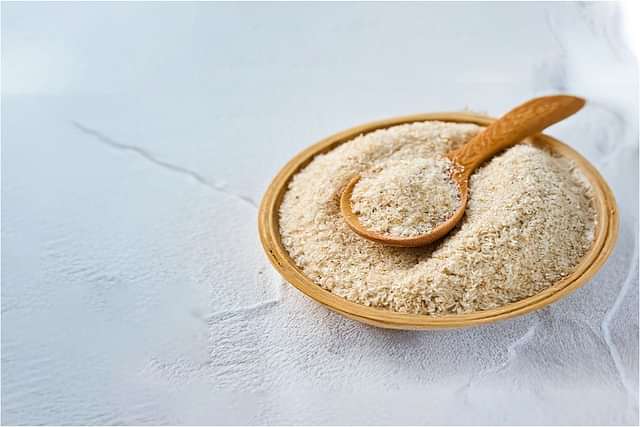
Isabgol, also known as psyllium husk, is a natural soluble fibre obtained from the husk of Plantago ovata seeds. When mixed with water, it forms a soft gel that increases stool bulk and helps retain water, making the stool easier to pass. It is used mainly to relieve occasional constipation and support regular, comfortable bowel movements. Always take it with a full glass of water.
 50
50Last updated on : 12 Aug, 2026
Read time : 14 mins
What is Isabgol?
The name Isabgol comes from the Persian words asp and ghol, meaning "horse ear", a reference to the boat-like shape of its seeds. It is the husk that covers the seeds of Plantago ovata, a small, stemless herb grown mainly in the dry regions of north-west India and Iran. Isabgol does not appear in the classical Ayurvedic Samhitas under this name; it entered Indian and Unani practice later and is now widely used as a gentle, bulk-forming fibre for the digestive tract.
In contemporary Ayurvedic practice, Isabgol is generally described as having a sweet (madhura) taste, cooling (shita) potency and sweet post-digestive effect (madhura vipaka), with light (laghu), slimy (picchila) and unctuous (snigdha) qualities. It is traditionally described as grahi, meaning that it helps absorb excess intestinal fluid. Its water-holding and bulk-forming properties may also help soften hard stool. Its dosha action should be stated only after verification against an authoritative Ayurvedic source.
Key Facts
| Feature | Details |
| Botanical name | Plantago ovata Forssk. |
| Family | Plantaginaceae |
| Part used | Seed husk (the outer coat of the ripe seed) |
| Traditional action | Grahi, traditionally described as absorbing excess intestinal fluid
|
| Ayurvedic properties | Rasa: Madhura; Virya: Shita; Vipaka: Madhura; Guna: Laghu, Picchila and Snigdha. Dosha action requires verification against an authoritative Ayurvedic source. |
| Key active compounds | Soluble mucilage fibre (arabinoxylan of arabinose and xylose); non-starch polysaccharides
|
| Common uses | Occasional constipation and bowel regularity; it may also help improve stool consistency in some cases of mild, non-infectious loose stools
|
| Common forms | Husk (bhusi), powder, granules, capsules, tablets |
| General dosage | Adult doses vary by product and intended use. Follow the labelled dose and take every dose with the recommended quantity of water.
|
| How to take | Take it at the time directed on the product label or by a healthcare professional. If used with meals, timing should be individualised, particularly in people taking diabetes medicines. |
| Key safety note | Always take with enough water. Avoid if you have swallowing difficulty, a bowel obstruction or severe abdominal pain without medical advice.
|
Alternative Names of Isabgol
Isabgol is known by several names across languages:
● Botanical name: Plantago ovata
● English: Psyllium, psyllium husk, blond psyllium, ispaghula
● Hindi: Isabgol, Isabgul
● Sanskrit: Names vary across contemporary sources and should be added only after verification by an Ayurvedic reviewer.
● Gujarati: Isabgul / Isapghol
● Marathi: Isabgol
● Bengali: Isabgul
● Tamil: Iskol / Ishappukolvirai
● Telugu: Isapaghol / Isabgol ginjalu
● Urdu: Ispaghol
Chemical Constituents of Isabgol
The action of Isabgol comes almost entirely from the soluble fibre in its husk. Its main constituents are:
● Mucilage: the principal gel-forming soluble-fibre component of the husk, composed mainly of arabinoxylan polysaccharides containing arabinose and xylose units.
● Other non-starch polysaccharides, with small amounts of cellulose and hemicellulose.
● Minor components: small amounts of protein, fat and mineral matter.
Medicinal Properties of Isabgol
Isabgol (ispaghula), obtained from the husk of Plantago ovata seeds, is used in contemporary Ayurvedic practice and is also widely available as a fibre-based preparation. It is commonly used for digestive support and bowel regulation. It is available as husk, powder, granules, capsules and tablets.
● Bulk-forming: Isabgol absorbs and retains water to form a gel-like mass that increases stool bulk and may support regular bowel movements.
● Demulcent: Its mucilage content may help soothe and coat the digestive tract.
● Effects on gut microbiota: Psyllium is partly fermentable and may influence the intestinal microbiota, although it is not consistently classified as a prebiotic.
● Cholesterol-lowering effect: Regular psyllium intake may modestly reduce LDL cholesterol, partly by increasing bile-acid excretion.
Consult a qualified Ayurvedic practitioner before using Isabgol for health concerns or if you have an existing medical condition.
Key Health Benefits of Isabgol
Isabgol primarily works through the gel-forming properties of its soluble fibre. Its traditionally recognised and clinically studied benefits are described below.
Eases occasional constipation
Isabgol's fibre draws water into the gut and forms a soft gel, so stool becomes bulkier, softer and easier to pass. Taken with enough water, it can help restore regular, comfortable bowel movements. In adults with chronic constipation, psyllium increased stool frequency and improved consistency (van der Schoot et al., 2022).
Supports comfort during piles
By softening stool and reducing straining, Isabgol may make bowel movements less painful for people with haemorrhoids. It provides symptomatic support only and does not treat the underlying condition. Persistent, painful or bleeding haemorrhoids require medical assessment.
Helps maintain healthy cholesterol
The gel-forming fibre may increase bile-acid excretion, which can contribute to a modest reduction in LDL cholesterol when used regularly. A meta-analysis found that psyllium modestly reduced LDL cholesterol (Jovanovski et al., 2018). People taking regular medicines, including lipid-lowering medicines, should check whether their doses need to be separated from psyllium.
Promotes a feeling of fullness
Because psyllium forms a viscous gel and may increase satiety, it can support a calorie-controlled diet alongside exercise. It is an aid to healthy eating habits, not a weight-loss treatment.
Firms up mild, non-infectious loose stools
Its water-binding gel may help improve stool consistency in mild, non-infectious loose stools. It should not be used to self-treat severe, bloody or suspected infectious diarrhoea, or diarrhoea in young children; these require medical assessment.
May ease irritable bowel symptoms
Soluble fibre such as psyllium may improve overall symptoms in some people with irritable bowel syndrome. Introduce it gradually because bloating or gas may occur initially. Ongoing or unexplained bowel symptoms require medical assessment.
Use in ulcerative colitis requires medical advice
Psyllium may be used by some people with ulcerative colitis to support bowel regularity during periods of remission, but medical advice is recommended before use. Because extra fibre can aggravate an active flare, anyone with ulcerative colitis should speak to their gastroenterologist before starting it.
Helps steady blood sugar after meals
When taken with or shortly before a meal, psyllium's viscous gel may slow carbohydrate digestion and glucose absorption, reducing the post-meal rise in blood glucose. A meta-analysis found that psyllium improved fasting glucose and HbA1c mainly in people already being treated for type 2 diabetes (Gibb et al., 2015). It is a dietary aid used with, not instead of, prescribed treatment and medical advice.
Contributes to everyday gut and colon health
As a soluble fibre, Isabgol supports regular bowel habits and may influence the gut microbiota, although the clinical significance of this effect remains uncertain. It does not prevent or treat serious bowel disease, and persistent changes in bowel habits should be assessed by a doctor.
Disclaimer: Isabgol is a dietary fibre, not a substitute for medical treatment. If you have a diagnosed condition or take regular medicines, speak to your doctor before using it.
Common Uses of Isabgol
In everyday and traditional practice, Isabgol is commonly used in the following situations:
For occasional constipation
It is most commonly taken for short periods of hard or infrequent stool. Take it at the time directed on the label, with the full amount of water specified for the product.
To supplement daily fibre intake
It may be used to supplement fibre intake when dietary fibre is inadequate. Follow the product's measured dose and maintain adequate fluid intake.
To settle mild, short-lived loose stools
Psyllium may improve stool consistency in some cases of mild, non-infectious loose stools, but adequate fluid intake remains essential. Persistent, severe, bloody or suspected infectious diarrhoea requires medical assessment.
Before meals as a diet aid
When used to promote fullness, it should be taken according to the product directions as part of a balanced, calorie-controlled diet. People using psyllium as part of diabetes management should confirm its timing with their doctor.
Around routine bowel discomfort
It may reduce straining and improve comfort during bowel movements, including in people with haemorrhoids. Constipation after childbirth should be managed according to advice from a doctor or midwife.
Precautions While Taking Isabgol
Isabgol is generally well tolerated, but the following precautions should be observed for safe and effective use:
● Always take with enough water: Swallow each dose with a full glass of water and keep drinking fluids through the day. Taken dry or with too little water it can swell in the throat or gut and cause choking or a blockage.
● Difficulty swallowing: If you have trouble swallowing, use it only on medical advice because of the choking risk.
● Bowel obstruction or severe symptoms: Do not take Isabgol if you have a known bowel blockage, severe constipation with pain, or unexplained stomach pain, until a doctor has assessed you.
● Space it from other medicines: Psyllium can alter the absorption of some oral medicines. Follow the interval stated on the product label and ask a pharmacist about the appropriate separation time for your medicines.
● Allergy: Stop using Isabgol and seek immediate medical attention if you develop symptoms of an allergic reaction, such as itching, rash, wheezing or swelling. People who are frequently exposed to psyllium dust may have a higher risk of developing an allergy.
● Pregnancy, children and older adults: Seek professional advice before use and ensure adequate fluid intake.
How to Use Isabgol
The method of administration depends on the form being used. Always take each dose with sufficient water.
Husk with water (everyday method)
Mix the labelled dose with the stated quantity of water, drink it immediately before it thickens and maintain adequate fluid intake.
Powder in a drink or food
Mix the powder exactly as directed on the product label. Drink it promptly with sufficient fluid; timing depends on the intended use.
Warm milk at night (for constipation)
If taking it with milk, follow the product instructions and drink additional water if advised. Do not add sweeteners unless required.
Curd mix (for mild loose stools)
Do not rely on a curd-and-psyllium mixture to treat diarrhoea. Prioritise appropriate fluid replacement and seek medical advice for persistent, severe, bloody or suspected infectious diarrhoea.
Capsules or tablets
Take capsules or tablets exactly as labelled with a full glass of water. Do not use these forms if you have difficulty swallowing.
Herbs Traditionally Used With Isabgol
In home and traditional practice, Isabgol is sometimes paired with other digestive herbs. These combinations are traditional rather than clinically proven, so use them with guidance:
Herb | How it is used with Isabgol |
Sonamukhi (Senna) | A stimulant laxative sometimes used with Isabgol for constipation. Senna is intended mainly for short-term use; prolonged or excessive use may cause diarrhoea, electrolyte disturbance or laxative dependence and should be medically supervised. |
Mulethi (Liquorice) | Traditionally used to soothe the stomach and throat, and sometimes combined with Isabgol for digestive comfort. Heavy liquorice use can raise blood pressure, so it is not for everyone. |
Saunf (Fennel) | Traditionally used for digestive discomfort, although evidence that it prevents psyllium-related bloating is limited. |
Ajwain (Carom) | Traditionally used for gas and digestive discomfort; its benefit for psyllium-related bloating has not been established clinically. |
Recommended Dosage of Isabgol
Dosage depends on age, the form and why it is being used. As a general guide, always taken with plenty of water:
● Children (under 12): Only on the advice of a doctor or qualified practitioner, who will set the amount; not suitable for very young children without guidance.
● Teenagers (12 to 17 years): Use the dose stated for the relevant age group on the product label or the amount recommended by a healthcare professional.
● Adults: Follow the product-specific dose for the intended use. Measure the dose accurately and take it with the quantity of water stated on the label.
● Older adults: Use a product-specific dose after considering swallowing ability, hydration status, bowel symptoms, fluid restrictions and regular medicines.
Disclaimer: These amounts are general guidance, not a prescription. If in doubt, or for children and during pregnancy, ask a doctor or qualified practitioner.
Side Effects of Isabgol
Isabgol is generally well tolerated when taken as directed. Most side effects are mild and can often be reduced by starting with a lower dose and drinking plenty of water:
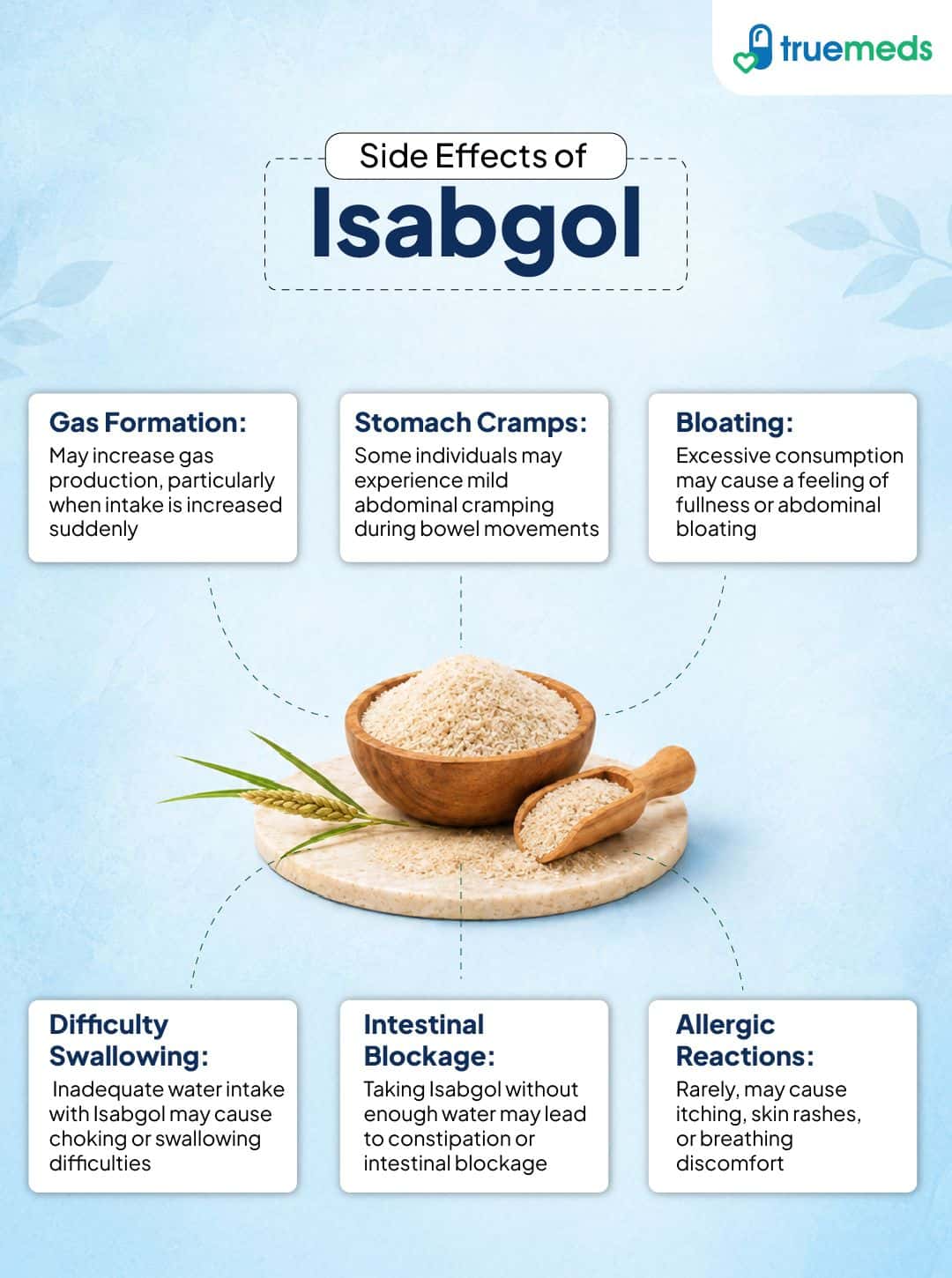
Bloating and Flatulence
This is common during the first few days as the digestive system adjusts. Starting with a lower dose and increasing it gradually may help reduce these symptoms.
Mild stomach cramps
Mild abdominal cramping may occur, particularly when psyllium is introduced rapidly or taken in a large amount. Reduce the dose or stop use and seek advice if symptoms persist or worsen.
Choking or blockage if taken with too little water
Rarely, Isabgol may cause choking or intestinal blockage if not taken with enough water. Always take it with a full glass of water.
Allergic reaction
Allergic reactions are uncommon but can include itching, rash, wheezing or difficulty breathing. Stop using Isabgol and seek immediate medical attention if you develop difficulty breathing or swelling.
When to seek help: Get medical help if you have severe stomach pain, vomiting, no bowel movement with a swollen abdomen, chest tightness, or trouble breathing after taking Isabgol.
Interaction of Isabgol With Other Drugs
Isabgol may alter the absorption of certain oral medicines. Follow the interval stated on the product label and ask a pharmacist about the appropriate separation time for your medicines. Relevant considerations include:
Diabetes medicines
Psyllium may reduce the post-meal rise in blood glucose and can also alter the absorption of some oral medicines. People taking diabetes medicines may need closer blood-glucose monitoring after starting it.
Cholesterol-lowering medicines
Psyllium may independently produce a modest reduction in LDL cholesterol. Ask a pharmacist whether it should be separated from your lipid-lowering medicine.
Other regular medicines
Because interaction requirements differ among medicines, ask a pharmacist about spacing psyllium from any regular oral medicine, especially medicines requiring precise dosing.
Note: This is not a complete list. Tell your doctor or pharmacist about all medicines and supplements you take before using Isabgol regularly.
Storage of Isabgol
Store Isabgol well to keep it fresh and effective:
● Keep it dry: Store in a tightly sealed container in a cool, dry place. Moisture can cause clumping and affect product quality.
● Away from heat and sunlight: Store it away from excessive heat and direct sunlight, according to the manufacturer's instructions.
● Check the date: Use before the expiry date printed on the pack.
Key Takeaways
Isabgol (psyllium husk) is a natural soluble fibre from Plantago ovata seeds, used mainly for digestive regularity.
● It relieves occasional constipation and can firm up mild loose stools by forming a water-holding gel.
● As part of a healthy diet it may help with fullness, cholesterol and after-meal blood sugar, but it is a dietary aid, not a treatment for any disease.
● Always take with a full glass of water and plenty of fluids to avoid choking or blockage.
● Avoid with swallowing difficulty or bowel obstruction, space it from other medicines, and consult a doctor if you are pregnant, giving it to a child, or have an ongoing bowel condition.
FAQs
Can I take Isabgol with lemon water?
Where can I buy Isabgol?
Is it safe to take Isabgol every day?
Should I take Isabgol before or after meals?
Can I take too much Isabgol?
Does warm water change how Isabgol works?
Is Isabgol safe during pregnancy?
Can children take Isabgol?
Who should avoid Isabgol?
References
- van der Schoot, A., Drysdale, C., Whelan, K., & Dimidi, E. (2022). The effect of fiber supplementation on chronic constipation in adults: An updated systematic review and meta-analysis of randomized controlled trials. The American Journal of Clinical Nutrition, 116(4), 953–969. https://doi.org/10.1093/ajcn/nqac184
- Jovanovski, E., Yashpal, S., Komishon, A., Zurbau, A., Blanco Mejia, S., Ho, H. V. T., Li, D., Sievenpiper, J., Duvnjak, L., & Vuksan, V. (2018). Effect of psyllium (Plantago ovata) fiber on LDL cholesterol and alternative lipid targets, non-HDL cholesterol and apolipoprotein B: A systematic review and meta-analysis of randomized controlled trials. The American Journal of Clinical Nutrition, 108(5), 922–932. https://doi.org/10.1093/ajcn/nqy115
- Gibb, R. D., McRorie, J. W., Russell, D. A., Hasselblad, V., & D’Alessio, D. A. (2015). Psyllium fiber improves glycemic control proportional to loss of glycemic control: A meta-analysis. The American Journal of Clinical Nutrition, 102(6), 1604–1614. https://pubmed.ncbi.nlm.nih.gov/26561625/

Explore other categories
Latest health articles



Top Health Essentials

Top-selling ayurvedic products












Disclaimer
Top-Selling Medicines:
...View more
Top-OTC medicines:
...View more
Top-selling healthcare devices:
...View more
Company
About UsHealth ArticleHealth StoriesHealth LibraryDiseases & Health ConditionsAyurvedaUnderstanding Generic MedicinesAll MedicinesAll BrandsNeed HelpFAQSecuritySavings CalculatorAdvertise with UsSubscribe
Registered Office Address
Grievance Officer
Download Truemeds


Contact Us
Our customer representative team is available 7 days a week from 9 am - 9 pm.
v4.28.14

2026 - Truemeds | All rights reserved. Our content is for informational purposes only. See additional information.

Our Payment Partners