

- Medicines
- Personal Care
- Skin Cream
- Sunscreen
- Face Wash
- Skin and Body Soap
- Acne Care
- Body Lotions
- Moisturising Lotion
- Moisturising Cream
- Mosquito Repellent
- Moisturising Gel
- Body Wash
- Hair Oils
- Hair Shampoo
- Hair Conditioners
- Hair Supplements
- Hair Colour
- Hair Serum
- Hair Mask
- Hair Solutions
- Baby Diapers and Wipes
- Baby Lotion and Moisturising Cream
- Baby Bath Essentials
- Baby Skin Care
- Baby and Infant Food
- Baby Healthcare
- Women Multivitamins
- Ovulation Test Kit and Women Intimate Care
- Sanitary Pads
- Nutritional Drinks
- Condoms
- Lubricants
- Massage Gels
- Personal Body Massagers
- Men Performance Booster
- Sexual Health Supplements
- Massage Oils
- Ayurveda
- Tooth Paste
- Mouth Ulcer Gel
- Mouthwash
- Toothache and Gum Pain
- Tooth Brush
- Gargle Solution
- Orthopaedic Supports
- Adult Diapers
- Footwear
- Mobility and Support Accessories
- Urinary Support and Care
- Health Conditions
- Bone and Joint Care
- Digestive Care
- Eye Care
- Pain Relief
- Smoking Cessation
- Liver Care
- Stomach Care
- Cold and Cough
- Heart Care
- Kidney Care
- Piles, Fissures & Fistula
- Respiratory Care
- Mental Wellness
- Derma Care
- Pre and Probiotics
- Acidity
- Gas
- Constipation
- Loose Motion/Diarrhoea
- Digestive Fibres
- Digestive Enzymes
- Eye Lubricant Drops
- Lens Solution
- Safety Eye Wear
- Eye Cream
- Eye Vitamins and Supplements
- Eye Drops
- Eye Ointment and Gel
- Nicotine Patch
- Nicotine Gum
- Nicotine Lozenges
- Cough Syrups
- Chest Rubs and Balms
- Nasal Spray
- Lozenges
- Inhalant Capsules
- Cold and Cough Tablets
- Vitamins & Supplements
- Diabetes Care
- Healthcare Devices
- Homeopathic Medicine
- Health Guide
Ayurveda
Everything you need to know about Ayurvedic Ingredients

Common Ayurvedic Ingredients

Browse by categories


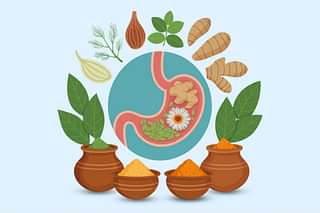

Ayurvedic Ingredients: A-Z


Ayurvedic ingredients starting with 'n'
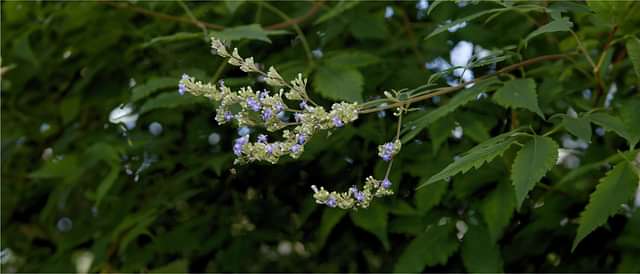
Nirgundi, scientifically known as Vitex negundo, is a medicinal shrub widely used in Ayurveda and other traditional healing systems. Native to tropical and subtropical parts of Asia, it is valued for its leaves, roots, flowers and seeds, each of which has a recognised place in traditional herbal practices. Today, Nirgundi continues to attract interest for its potential therapeutic properties and is commonly included in Ayurvedic formulations. While traditional use is well established, more clinical research is needed to confirm many of its proposed health benefits.
30th Jul 2025
|
13 mins read
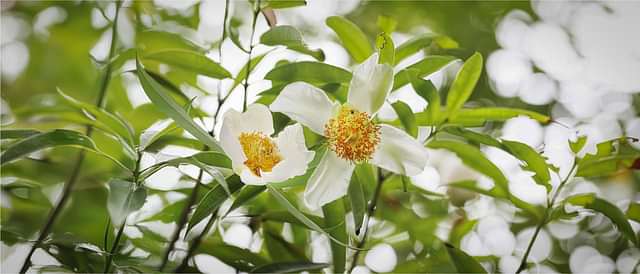
Nagkesar (Mesua ferrea) is a tropical tree whose dried flowers, bark and seeds are used in Ayurvedic medicine. It belongs to the Calophyllaceae family and is traditionally described as having an astringent taste and warming potency. Nagkesar is traditionally used to support skin health, joint comfort and digestive wellness, and has been studied for mild anti-inflammatory and antimicrobial actions. It is generally taken as a powder, oil or tablet, under the guidance of a qualified practitioner.
29th Jul 2025
|
11 mins read
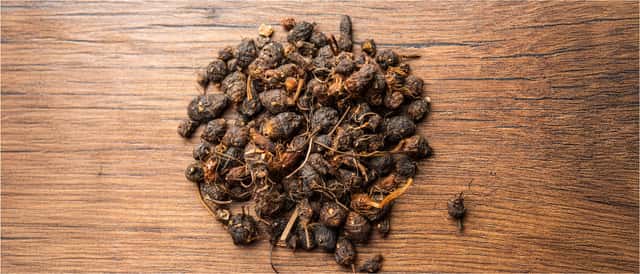
Nagarmotha (Cyperus rotundus), also known as Musta or purple nutsedge, is a perennial plant whose dried rhizomes and tubers are traditionally used in Ayurveda, particularly for digestive support. Its aromatic oil is used in perfumery and aromatherapy, while certain plant parts have also been used as flavouring ingredients in some regional food traditions.
28th Jul 2025
|
10 mins read
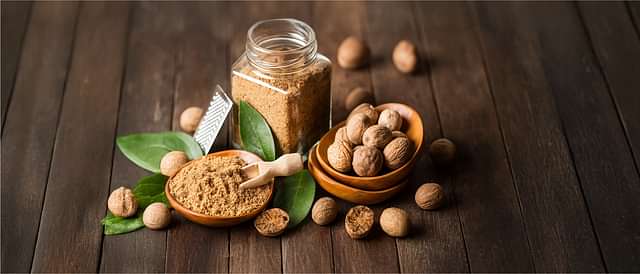
Nutmeg (Myristica fragrans) is a spice native to the Maluku Islands in Indonesia and is widely grown in tropical regions, including parts of India, the Caribbean, and Africa. It is known for its unique and aromatic fragrance and woody and pungent taste. It is known for its medicinal properties and use in preparing various sweet and savoury bakery items.
5th Jul 2025
|
13 mins read
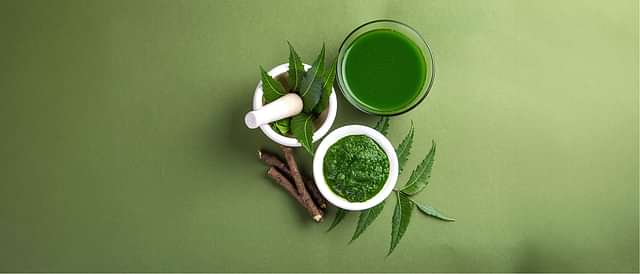
Neem (Azadirachta indica) is a large evergreen tree of the Meliaceae family, native to the Indian subcontinent. Its leaves, bark, seeds and oil have been used in Ayurveda for centuries, where it is known as Nimba. Neem is traditionally used mainly to support skin and scalp health, and in oral care. Laboratory studies have demonstrated antibacterial, antifungal and anti-inflammatory properties, although evidence for many of its uses in humans remains limited. Neem oil is for external use only.
30th Jun 2025
|
22 mins read
Latest health articles





Top Health Essentials


Top-selling ayurvedic products
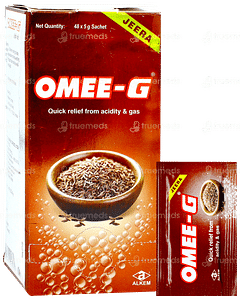
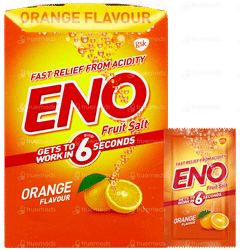












Top-Selling Medicines:
...View more
Top-OTC medicines:
...View more
Top-selling healthcare devices:
...View more
Company
About UsHealth ArticleHealth StoriesHealth LibraryDiseases & Health ConditionsAyurvedaUnderstanding Generic MedicinesAll MedicinesAll BrandsNeed HelpFAQSecuritySavings CalculatorAdvertise with UsSubscribe
Registered Office Address
Grievance Officer
Download Truemeds


Contact Us
Our customer representative team is available 7 days a week from 9 am - 9 pm.
v4.28.14

2026 - Truemeds | All rights reserved. Our content is for informational purposes only. See additional information.

Our Payment Partners




