

- Medicines
- Personal Care
- Skin Cream
- Sunscreen
- Face Wash
- Skin and Body Soap
- Acne Care
- Body Lotions
- Moisturising Lotion
- Moisturising Cream
- Mosquito Repellent
- Moisturising Gel
- Body Wash
- Hair Oils
- Hair Shampoo
- Hair Conditioners
- Hair Supplements
- Hair Colour
- Hair Serum
- Hair Mask
- Hair Solutions
- Baby Diapers and Wipes
- Baby Lotion and Moisturising Cream
- Baby Bath Essentials
- Baby Skin Care
- Baby and Infant Food
- Baby Healthcare
- Women Multivitamins
- Ovulation Test Kit and Women Intimate Care
- Sanitary Pads
- Nutritional Drinks
- Condoms
- Lubricants
- Massage Gels
- Personal Body Massagers
- Men Performance Booster
- Sexual Health Supplements
- Massage Oils
- Ayurveda
- Tooth Paste
- Mouth Ulcer Gel
- Mouthwash
- Toothache and Gum Pain
- Tooth Brush
- Gargle Solution
- Orthopaedic Supports
- Adult Diapers
- Footwear
- Mobility and Support Accessories
- Urinary Support and Care
- Health Conditions
- Bone and Joint Care
- Digestive Care
- Eye Care
- Pain Relief
- Smoking Cessation
- Liver Care
- Stomach Care
- Cold and Cough
- Heart Care
- Kidney Care
- Piles, Fissures & Fistula
- Respiratory Care
- Mental Wellness
- Derma Care
- Pre and Probiotics
- Acidity
- Gas
- Constipation
- Loose Motion/Diarrhoea
- Digestive Fibres
- Digestive Enzymes
- Eye Lubricant Drops
- Lens Solution
- Safety Eye Wear
- Eye Cream
- Eye Vitamins and Supplements
- Eye Drops
- Eye Ointment and Gel
- Nicotine Patch
- Nicotine Gum
- Nicotine Lozenges
- Cough Syrups
- Chest Rubs and Balms
- Nasal Spray
- Lozenges
- Inhalant Capsules
- Cold and Cough Tablets
- Vitamins & Supplements
- Diabetes Care
- Healthcare Devices
- Homeopathic Medicine
- Health Guide
Ayurveda
Everything you need to know about Ayurvedic Ingredients

Common Ayurvedic Ingredients

Browse by categories



Ayurvedic Ingredients: A-Z


Ayurvedic ingredients starting with 'k'

Khadir (Acacia catechu) is a medicinal tree highly valued in Ayurveda for its healing properties. Known for its natural astringent and antioxidant effects, Khadir is used to support skin health, respiratory and digestive conditions. This multipurpose tree produces kattha, a natural astringent, from its heartwood and is known for its antioxidant properties. Today, its bark, leaves, and extract are readily available for herbal medicine. The khadir tree has inextricably belonged to herbal management in one culture or the other, owing to its long history of use in traditional healing practices.
31st Jul 2025
|
11 mins read
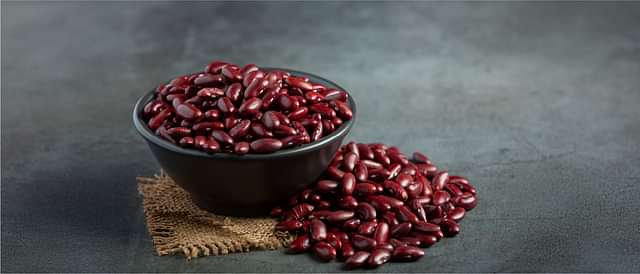
Kidney beans are known as Phaseolus vulgaris, among the most delicious legumes used worldwide. Their dark red colour combined with their unique shape resembling the human kidney renders them attractive, along with the composition of their nutrients, which makes them valuable health-wise. Kidney beans are known to have originated in Central America, but with time, they have found their place worldwide. They are included in many dishes, such as kidney bean curry, spicy sausage, chilly salad, etc. These legumes are packed with protein and thus make a perfect food source for those who prefer vegan dishes and are looking for ways to add protein to their diets. Besides protein, kidney beans are also rich in dietary fibre, which is necessary for a healthy, well-functioning digestive tract. High fibre levels enable a person to poop more regularly and, by extension, help in averting problems such as constipation. In addition, fibre also helps control blood sugar levels; hence, kidney beans are a wise option for those who are diabetic or those who want to keep their energy levels steady throughout the day.
29th Jul 2025
|
10 mins read
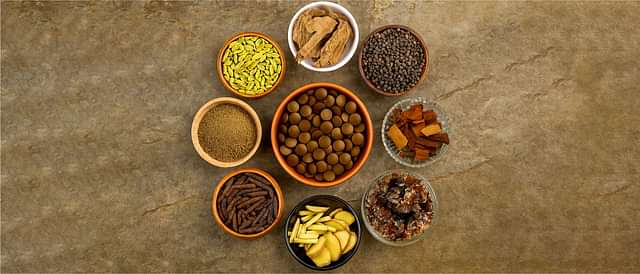
Kanchanar Guggulu is a traditional Ayurvedic polyherbal formulation that balances Kapha and Pitta doshas. It is commonly used as a supportive therapy for lymphatic drainage, thyroid function, hormonal balance, and healthy tissue metabolism. The formulation combines the bark of Kanchanara (Bauhinia variegata) with Guggulu (Commiphora mukul) and synergistic herbs known for their anti-inflammatory, detoxifying, and decongestant properties. Kanchanar Guggulu is also traditionally used to manage conditions like benign tumors, cystic swelling, PCOS, and ulcers, as it helps balance excess Kapha and support fluid regulation in the body.
29th Jul 2025
|
10 mins read
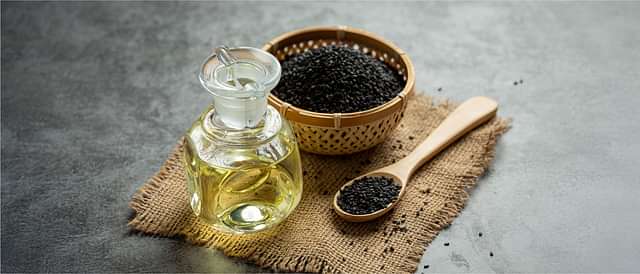
Kalonji, also called black seed or Nigella sativa, is the small, dark seed of a flowering herb used as a spice and in traditional medicine. In Ayurveda, it is known as Krishna Jeeraka. It is traditionally used as whole seeds, powder or oil to support digestion, respiratory comfort and general wellbeing, and is also valued in cooking and topical skin and hair care.
29th Jul 2025
|
16 mins read
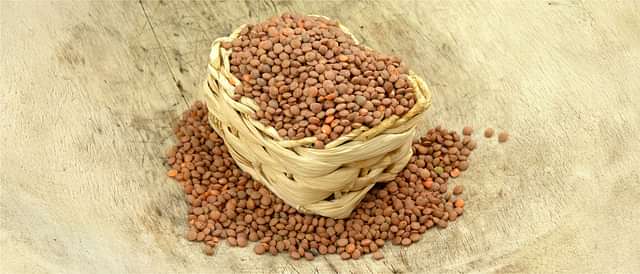
Kulthi, also known as horse gram (Macrotyloma uniflorum), is a protein-rich legume widely used in Indian cooking and Ayurveda. It is a good source of protein, iron and dietary fibre, and is traditionally used to support kidney health, digestion and general nourishment as part of a balanced diet.
29th Jul 2025
|
13 mins read
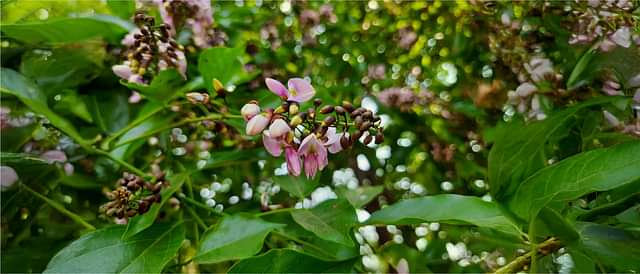
Karanja, also known as the Karanja plant (Pongamia pinnata), is a versatile tree native to India. Known for its medicinal and agricultural benefits, it thrives in tropical climates. The seed oil of the Karanja plant is used in cosmetic treatment, traditional medicine, and organic pest control. It is hard-wearing and ideal for reforestation and soil enhancement, meeting this domain's physical and health aspects.
29th Jul 2025
|
14 mins read
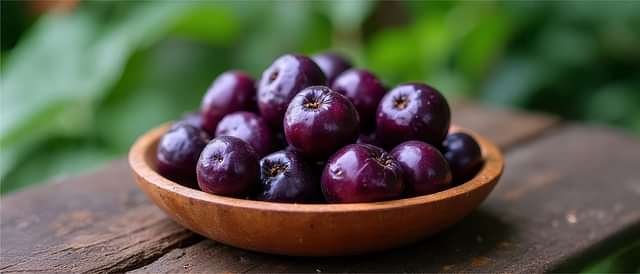
Kokum, botanically known as Garcinia indica, is a sour tropical fruit native to India's Western Ghats. In Ayurveda and traditional South Asian cooking, its dried rind and juice are used as a natural souring agent and are traditionally believed to support digestion. It is eaten as a fruit, used as a spice, made into a sherbet drink, and its seed fat, kokum butter, is used in skincare.
28th Jul 2025
|
16 mins read
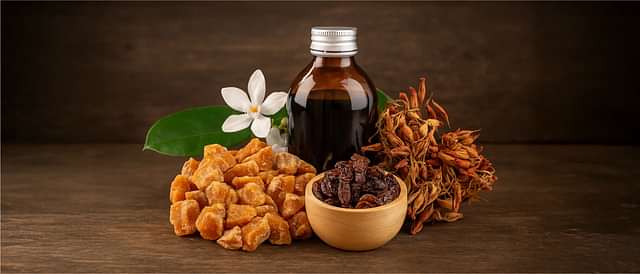
Kutajarishta is a classical Ayurvedic liquid formulation prepared mainly from Kutaja (Holarrhena antidysenterica). It is traditionally used to support digestion and is commonly taken for digestive discomfort associated with diarrhoea and dysentery. Kutajarishta contains naturally self-generated alcohol, formed during fermentation.
17th Jul 2025
|
11 mins read
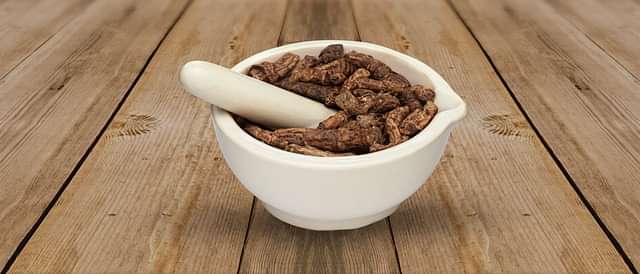
Kutaki, also called Kutki, is a bitter Himalayan herb (Picrorhiza kurroa) long used in Ayurveda to support liver health and digestion. It is the dried root and rhizome of the plant, commonly available as a powder, capsule or tablet. In Ayurveda, it is valued as a cooling, Pitta-balancing herb and is traditionally used to support liver function, healthy digestion and appetite. It is not intended to treat or cure any disease.
17th Jul 2025
|
12 mins read
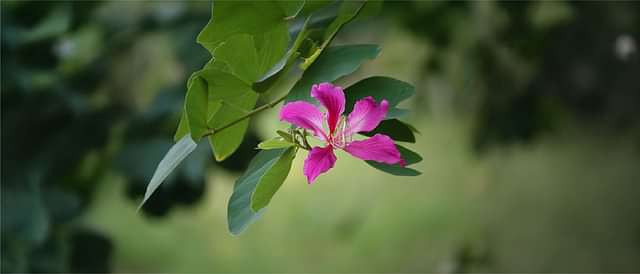
Kachnar, scientifically known as Bauhinia variegata, is a flowering tree that has been used in Ayurveda for generations. It is widely found across tropical and subtropical regions of India and is valued for both its ornamental beauty and traditional medicinal importance. Different parts of the plant, including the bark, flowers, leaves, and buds, are used in Ayurvedic formulations. Kachnar contains naturally occurring plant compounds with antioxidant properties and has traditionally been used to support thyroid health, digestive wellness, and overall wellbeing. Although early research suggests potential health benefits, further high-quality human studies are needed to confirm these effects. This article explains its uses, benefits, dosage, safety considerations, and possible side effects.
10th Jul 2025
|
15 mins read
Latest health articles





Top Health Essentials














Top-selling ayurvedic products





















Top-Selling Medicines:
...View more
Top-OTC medicines:
...View more
Top-selling healthcare devices:
...View more
Company
About UsHealth ArticleHealth StoriesHealth LibraryDiseases & Health ConditionsAyurvedaUnderstanding Generic MedicinesAll MedicinesAll BrandsNeed HelpFAQSecuritySavings CalculatorAdvertise with UsSubscribe
Registered Office Address
Grievance Officer
Download Truemeds


Contact Us
Our customer representative team is available 7 days a week from 9 am - 9 pm.
v4.28.14

2026 - Truemeds | All rights reserved. Our content is for informational purposes only. See additional information.

Our Payment Partners




