

- Medicines
- Personal Care
- Skin Cream
- Sunscreen
- Face Wash
- Skin and Body Soap
- Acne Care
- Body Lotions
- Moisturising Lotion
- Moisturising Cream
- Mosquito Repellent
- Moisturising Gel
- Body Wash
- Hair Oils
- Hair Shampoo
- Hair Conditioners
- Hair Supplements
- Hair Colour
- Hair Serum
- Hair Mask
- Hair Solutions
- Baby Diapers and Wipes
- Baby Lotion and Moisturising Cream
- Baby Bath Essentials
- Baby Skin Care
- Baby and Infant Food
- Baby Healthcare
- Women Multivitamins
- Ovulation Test Kit and Women Intimate Care
- Sanitary Pads
- Nutritional Drinks
- Condoms
- Lubricants
- Massage Gels
- Personal Body Massagers
- Men Performance Booster
- Sexual Health Supplements
- Massage Oils
- Ayurveda
- Tooth Paste
- Mouth Ulcer Gel
- Mouthwash
- Toothache and Gum Pain
- Tooth Brush
- Gargle Solution
- Orthopaedic Supports
- Adult Diapers
- Footwear
- Mobility and Support Accessories
- Urinary Support and Care
- Health Conditions
- Bone and Joint Care
- Digestive Care
- Eye Care
- Pain Relief
- Smoking Cessation
- Liver Care
- Stomach Care
- Cold and Cough
- Heart Care
- Kidney Care
- Piles, Fissures & Fistula
- Respiratory Care
- Mental Wellness
- Derma Care
- Pre and Probiotics
- Acidity
- Gas
- Constipation
- Loose Motion/Diarrhoea
- Digestive Fibres
- Digestive Enzymes
- Eye Lubricant Drops
- Lens Solution
- Safety Eye Wear
- Eye Cream
- Eye Vitamins and Supplements
- Eye Drops
- Eye Ointment and Gel
- Nicotine Patch
- Nicotine Gum
- Nicotine Lozenges
- Cough Syrups
- Chest Rubs and Balms
- Nasal Spray
- Lozenges
- Inhalant Capsules
- Cold and Cough Tablets
- Vitamins & Supplements
- Diabetes Care
- Healthcare Devices
- Homeopathic Medicine
- Health Guide
Vidanga
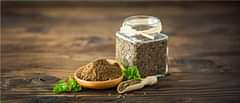
Vidanga (Embelia ribes), also known as False Black Pepper or Vavding, is a herb used in traditional Ayurvedic medicine. It is traditionally used to support healthy digestion, support the body’s natural process of eliminating intestinal worms, and support the body’s natural detoxification processes. Ayurvedic practitioners also use Vidanga, usually as a powder, tablet or capsule, to support healthy weight management alongside a balanced diet and exercise.
 50
50Last updated on : 22 Sep, 2026
Read time : 16 mins
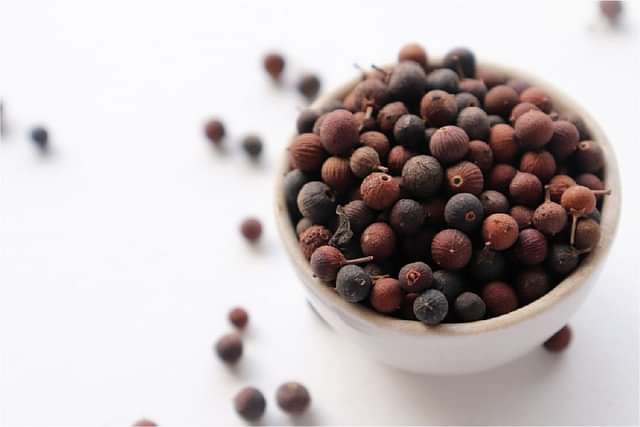
What is Vidanga?
Vidanga takes its Sanskrit name from its traditional role as a Krimighna, or “destroyer of intestinal worms,” reflecting its long-standing place in Ayurvedic practice for intestinal-worm conditions. The herb comes from Embelia ribes, a climbing shrub native to India’s Western Ghats and Himalayan forests, also found in other tropical and subtropical parts of South and Southeast Asia (Sharma et al., 2022). In Ayurvedic practice, the berries, roots and leaves of the plant are used, with the dried berries used most often because they contain the highest concentration of embelin, the herb’s main bioactive compound (Sharma et al., 2022).
In Ayurveda, Vidanga is traditionally placed in the Krimighna gana, the group of herbs described in the Charaka Samhita for intestinal-worm conditions.
Its Ayurvedic properties are traditionally described as Katu (pungent) and Kashaya (astringent) rasa (taste), Ushna (hot) virya (potency), and Katu vipaka (post-digestive effect), with an action traditionally said to balance Kapha and Vata dosha.
Vidanga is understood in Ayurveda as a Krimighna herb that also supports digestion. This traditional understanding is not the same as a proven modern cure, and current pharmacological research on Vidanga remains largely limited to laboratory and animal studies, with limited clinical evidence in humans (Sharma et al., 2022).
Key Facts
| Feature | Details |
| Botanical name | Embelia ribes Burm.f. |
| Family | Myrsinaceae (traditional classification); placed under Primulaceae in current APG taxonomy |
| Part used | Berries (most used), roots and leaves |
| Ayurvedic category | Krimighna (anthelmintic) gana |
| Ayurvedic properties | Rasa: Katu (pungent), Kashaya (astringent); Virya: Ushna (hot); Vipaka: Katu; Dosha action: traditionally said to balance Kapha and Vata
|
| Key active compounds | Embelin, with smaller amounts of vilangin, alkyl resorcinols and tannins (Sharma et al., 2022)
|
| Traditional uses | Traditionally used to support digestion and to help expel intestinal worms |
| Common forms | Churna (powder), tablets, capsules
|
| General dosage | Varies by form and age |
| Best taken | Traditionally taken with warm water or honey, after food |
| Key safety note | Not recommended during pregnancy or breastfeeding; consult a doctor before use. |
Alternative Names of Vidanga
Vidanga is known by several Sanskrit, regional and English names across India, reflecting its long traditional use. The main ones are set out below (Lal & Mishra, 2013).
- Botanical name: Embelia ribes Burm.f.
- English: False Black Pepper
- Sanskrit: Vidanga, Krimighna, Jantughna, Krimihara (“destroyer of worms”)
- Hindi: Vayavidanga, Baberang, Vavding
- Marathi: Vavding, Vavading
- Tamil: Vayuvidangam
- Telugu: Vayuvidangalu
- Kannada: Vayuvilanga
- Bengali: Bidang
- Malayalam: Vizhalari
- Gujarati: Vavding, Vavading
Chemical Constituents of Vidanga
Phytochemical research has identified a small group of compounds present in Vidanga. The main constituents reported are:
- Embelin (2,5-dihydroxy-3-undecyl-1,4-benzoquinone): the main marker compound, which has been studied for its biological activity (Sharma et al., 2022)
- Vilangin: a dimeric derivative of embelin (Sharma et al., 2022)
- Alkyl resorcinols: a related group of phenolic compounds (Sharma et al., 2022)
- Tannins and other phenolic compounds
- Plant sterols, including sitosterol
- Essential oil fractions
Medicinal Properties of Vidanga
Phytochemical studies on Vidanga, mostly conducted in laboratory and animal models rather than in humans, point to the properties below, with the strength of evidence noted for each.
- Antioxidant: Vidanga extracts, largely due to embelin, show free-radical-scavenging activity in laboratory studies (Sharma et al., 2022).
- Anti-inflammatory: Animal studies report reduced inflammatory markers with Vidanga extracts, which may support its traditional use for joint discomfort (Sharma et al., 2022).
- Antimicrobial: Laboratory studies show activity against several bacteria and fungi associated with skin and gut infections (Wankhade et al., 2021).
- Blood-glucose-lowering activity: Reported in several animal studies; human clinical evidence is lacking, so Vidanga should not replace prescribed diabetes treatment (Sharma et al., 2022).
- Anthelmintic (Krimighna): Traditionally used in Ayurveda to help expel intestinal worms; this use is based on traditional Ayurvedic practice rather than confirmed by human clinical trials.
Key Health Benefits of Vidanga
Vidanga is traditionally used in Ayurveda to support digestion, bowel regularity, skin health and general metabolic well-being. Early laboratory and animal research has also explored its potential effects on wound healing, lipid metabolism and antioxidant activity. However, human clinical evidence is limited, so Vidanga should not be considered a treatment for diagnosed medical conditions.
1. Digestive Support
Vidanga is traditionally used in Ayurveda to support healthy digestion. It is believed to ease occasional bloating and heaviness after meals and to encourage a more comfortable stomach. Its traditional use in digestive care is not supported by sufficient human clinical evidence (Wankhade et al., 2021).
2. Metabolic Support
In traditional Ayurvedic practice, Vidanga is used to support a healthy metabolism. It is historically associated with the body’s natural detoxification processes and, when combined with a balanced diet and regular activity, with supporting healthy body weight over time (Sharma et al., 2022).
3. Digestive Regularity
Vidanga has traditionally been used as a herb to support bowel regularity. Ayurvedic texts describe its digestive and eliminative uses, which are traditionally believed to help maintain comfortable, regular elimination as part of general digestive care, alongside adequate fluid intake and fibre.
4. Skin Care
Vidanga has traditionally been used in Ayurveda for skin health, generally as part of traditional cleansing practices. Its antimicrobial and antioxidant activities observed in laboratory studies may be relevant to skin health (Wankhade et al., 2021). It is not a substitute for prescribed treatment of diagnosed skin conditions.
5. Wound and Tissue Support
Animal studies suggest that Vidanga extracts may support the body’s natural wound-healing processes, including faster epithelial repair (Sharma et al., 2022). In Ayurveda, it is traditionally used to support healthy tissue maintenance. Human evidence is currently lacking, so this should be treated as a traditional use.
6. Heart Health Support
Vidanga is traditionally associated in Ayurveda with supporting healthy circulation as part of an overall balanced lifestyle. Animal studies report improvements in lipid and antioxidant markers (Sharma et al., 2022), though human clinical evidence is lacking. It is not a treatment for diagnosed heart disease or high cholesterol.
7. Weight Management Support
Vidanga has traditionally been used in Ayurvedic practice, alongside an appropriate diet and regular exercise, to support healthy weight management. Animal research reports effects on body fat and metabolic markers (Sharma et al., 2022). It is not a treatment for obesity and should not replace medical advice.
Common Uses of Vidanga
Beyond its core benefits, Vidanga has a number of specific, traditional contexts of use in Ayurveda. These are set out below, together with a note on where medical care should take priority.
1. Anti-parasitic Use
Vidanga is traditionally known in Ayurveda as Krimighna, meaning destroyer of worms, and has long been used to help expel intestinal worms such as roundworm and threadworm. This traditional use is associated with embelin, one of its main bioactive compounds (Sharma et al., 2022). A doctor should confirm and treat any suspected worm infection.
2. Digestive Complaints
Vidanga is traditionally used for everyday digestive complaints such as indigestion, bloating, gas and mild constipation. Ayurvedic practice uses it to support gut comfort and regular bowel movements. Persistent or severe digestive symptoms should be assessed by a doctor rather than self-treated with Vidanga alone.
3. Skin Application
In traditional Ayurvedic practice, Vidanga powder or oil is applied to the skin, or taken internally, to support skin health and the management of minor blemishes such as acne-prone skin. This traditional use is associated with its antimicrobial activity observed in laboratory studies (Wankhade et al., 2021). Diagnosed skin conditions need a dermatologist’s assessment.
4. Support During Minor Infections
Vidanga has laboratory-reported antibacterial, antifungal and antiviral activity (Wankhade et al., 2021). In Ayurveda it has been used as a supportive herb alongside other measures for minor infections. It is not a substitute for prescribed antimicrobial treatment where a doctor has diagnosed an infection.
5. Use Alongside Diabetes Care
Ayurvedic practice has traditionally used Vidanga alongside dietary and lifestyle measures for blood sugar support. Animal studies report blood-glucose-lowering activity (Sharma et al., 2022); human clinical evidence is lacking. Vidanga must not replace prescribed diabetes medication, and blood sugar should be monitored as advised by a doctor.
6. Traditional Weight-Management Routines
Vidangadi churna and similar traditional preparations containing Vidanga have long been used in Ayurvedic weight-management routines, generally alongside diet and exercise (Bhardwaj et al., 2025). This is a traditional use rather than a proven treatment, and it should not replace medical advice for obesity or metabolic conditions.
7. Traditional Respiratory Support
Vidanga has been used in some traditional Ayurvedic formulations, together with other herbs, as general respiratory support. Evidence for this use is limited to traditional practice, and it should not be used as a substitute for prescribed treatment of asthma, bronchitis or other diagnosed respiratory conditions.
8. Skin-Cleansing Routines
Vidanga’s traditional use and laboratory-observed antimicrobial and antioxidant activities are associated with its use in Ayurvedic skin-cleansing routines for rashes and blemishes (Wankhade et al., 2021). Results vary between individuals, and anyone with a persistent or worsening skin condition should see a doctor or dermatologist rather than self-treat.
Precautions While Taking Vidanga
- Avoid during pregnancy and breastfeeding, as its safety during these periods has not been established.
- Vidanga has a hot (Ushna) potency and may aggravate acidity or gastritis; people with these conditions should use it cautiously and under professional guidance.
- Animal studies report effects on male fertility at higher doses of embelin (Sharma et al., 2022); anyone trying to conceive should consult a doctor before using Vidanga.
- People with diabetes who take blood-glucose-lowering medicines should use Vidanga only under medical supervision, because of a possible additive effect on blood sugar (see Interactions below).
- Always consult a doctor or a qualified Ayurvedic practitioner before use, particularly if you are taking other medicines or have an existing health condition.
How to Use Vidanga
Vidanga is available in a few common forms, and how it is taken differs slightly between them.
Using Vidanga Powder (Churna)
Mix the recommended amount of Vidanga churna into a cup of warm water or a small amount of honey, and take it after meals as advised by an Ayurvedic practitioner.
Taking Vidanga Capsules or Tablets
Swallow the capsule or tablet whole with a glass of plain water, generally after food, following the amount advised on the product label or by your practitioner.
Vidanga for Topical Use
Vidanga is traditionally prepared as a paste or oil base for application to the skin under Ayurvedic guidance.
Herbs Traditionally Used With Vidanga
Vidanga is classically combined with other herbs and minerals in Ayurvedic formulations. The table below sets out its most established traditional pairing, Vidangadi Churna, and its main components.
Herb / Ingredient | Traditional Role With Vidanga |
Haritaki (Terminalia chebula) | Haritaki is combined with Vidanga in the classical formulation Vidangadi Churna, described in Chakradatta’s Krumi Chikitsa chapter. It is traditionally valued for supporting bowel regularity, complementing Vidanga’s traditional anthelmintic and digestive actions (Bhardwaj et al., 2025) |
Kampillaka (Mallotus philippinensis) | Kampillaka is a traditionally used anthelmintic herb combined with Vidanga in Vidangadi Churna. In traditional Ayurvedic use, the two are combined to support the expulsion of intestinal worms as part of Krimighna (anthelmintic) treatment (Bhardwaj et al., 2025) |
Yavakshara (alkaline preparation of barley) | Yavakshara, an alkaline preparation traditionally made from barley, is included in Vidangadi Churna to support digestion, working alongside Vidanga’s traditional digestive action (Bhardwaj et al., 2025) |
Saindhava (rock salt) | Saindhava, or rock salt, is traditionally added in small amounts to Vidangadi Churna to aid palatability and support digestion, working alongside Vidanga in this Ayurvedic preparation for intestinal worms and digestive complaints (Bhardwaj et al., 2025) |
Recommended Dosage of Vidanga
Ayurvedic dosage traditionally varies with age, body strength and the condition being addressed. The ranges below are general guidance only and must be confirmed by a qualified Ayurvedic practitioner or doctor before use, especially for children and older adults.
Adults
Adults generally take one-half to one teaspoon (about 1 to 3 grams) of Vidanga churna, or one to two capsules, twice daily with warm water or honey after food, as advised by an Ayurvedic practitioner.
Elderly
Older adults are usually advised to start at the lower end of the adult range, since digestive strength and how the body clears medicines can change with age, and to discuss use with a doctor if they take regular medication.
Teenagers
There is no well-established Ayurvedic or clinical dosage for teenagers available for this review.
Children
Vidanga is traditionally used in children for intestinal worms, but only in much smaller amounts than the adult dose, and only under the direct supervision of a paediatrician or qualified Ayurvedic practitioner. Vidanga should not be given to a child without professional advice.
Disclaimer: The dosages given here are general information only and are not a substitute for personalised advice. Always consult a doctor or Ayurvedic practitioner, especially for children, during pregnancy or breastfeeding, or alongside other medication, before taking Vidanga.
Side Effects of Vidanga
Vidanga is not necessarily well tolerated by everyone, and the effects below may occur, particularly with higher doses or prolonged use.
Digestive Upset
Taking more than the recommended amount of Vidanga may cause stomach discomfort, nausea or vomiting in some people.
Diarrhoea with High Doses
Excessive doses may loosen stools or cause diarrhoea, reflecting Vidanga’s traditional digestive and eliminative effects at higher amounts.
Effects in Pregnancy
Vidanga is traditionally avoided in pregnancy because of a possible effect on uterine activity; its safety in pregnancy has not been established, so it should not be used without a doctor’s advice.
Possible Effects on Fertility
Animal studies report reduced sperm parameters at higher doses of embelin (Sharma et al., 2022); anyone trying to conceive should consult a doctor before using Vidanga.
Aggravation of High-Pitta Symptoms
Because of its hot (Ushna) potency, Vidanga may worsen Pitta-related symptoms such as excess heat or acidity and may not be suitable for people with a tendency to bleed. It should be used cautiously in these cases.
Allergic Skin Reactions
Skin rashes or other allergic reactions have rarely been reported. If irritation, swelling or breathing difficulty occurs, stop use immediately and seek medical attention.
Interaction of Vidanga With Other Drugs
Vidanga may interact with certain medicines. The interactions below should be understood before combining it with other medicines or treatments.
Diabetes Medicines
Vidanga has shown blood-glucose-lowering activity in animal studies (Sharma et al., 2022). Taking it alongside insulin or oral diabetes medicines could potentially increase the risk of low blood sugar (hypoglycaemia); blood sugar should be monitored closely and any combination should be supervised by a doctor.
Fertility Treatments
Because embelin has shown antifertility effects in animal studies (Sharma et al., 2022), Vidanga should be discussed with a doctor before use during fertility treatment.
Medicines for Acidity or Gastritis
Vidanga’s hot (Ushna) potency may contribute to stomach irritation in some people. Anyone taking medicines or supplements for acidity or gastritis should consult a doctor or qualified healthcare professional before using Vidanga.
Storage of Vidanga
Store Vidanga powder, tablets or capsules in a clean, airtight container, away from direct sunlight, heat and moisture, to help maintain their quality. Keep it out of reach of children, and check the product label for an expiry date before use.
Key Takeaways
- Vidanga (Embelia ribes) is a traditional Ayurvedic herb long used to support digestion and to help the body expel intestinal worms.
- Its antioxidant, antimicrobial and blood-glucose-lowering activities have mainly been studied in laboratory and animal studies; human clinical evidence is lacking (Sharma et al., 2022).
- It is not recommended during pregnancy or breastfeeding, and should be used cautiously by anyone with gastritis, fertility concerns, or Pitta-related conditions.
- Vidanga may interact with diabetes medicines, so anyone on such treatment should use it only under medical supervision.
- Always consult a doctor or qualified Ayurvedic practitioner before starting Vidanga, particularly for children, older adults, or if taking other medicines.
FAQs
Does Vidanga help with weight loss?
Does Vidanga help with constipation?
Does Vidanga help with a sore throat?
What is Vidangadi churna used for?
Is Vidanga beneficial for heart disease?
Is Vidanga effective against intestinal worms?
Can Vidanga be used for teeth grinding in children?
Can Vidanga help with piles (haemorrhoids)?
Can Vidanga cause skin rashes?
Does Vidanga help with acne?
Does Vidanga help with hair fall?
References
- Sharma, V., Gautam, D. N. S., Radu, A.-F., Behl, T., Bungau, S. G., & Vesa, C. M. (2022). Reviewing the traditional/modern uses, phytochemistry, essential oils/extracts and pharmacology of Embelia ribes Burm. Antioxidants, 11(7), Article 1359. https://doi.org/10.3390/antiox11071359
- Wankhade, P. R., Gupta, R. D., Das, R. J., Awandekar, N. B., & Umekar, M. J. (2021). Review on pharmacological and phytochemistry of Embelia ribes plant. International Journal of Pharmacognosy and Life Science, 2(1), 34–43. https://doi.org/10.33545/27072827.2021.v2.i1a.25
- Lal, B., & Mishra, N. (2013). Importance of Embelia ribes: An update. International Journal of Pharmaceutical Sciences and Research, 4(10), 3823–3838. https://doi.org/10.13040/IJPSR.0975-8232.4(10).3823-38
- Bhardwaj, S. D., Dubey, S., Neeraj, & Yadav, M. K. (2025). A comprehensive review of Vidangadi Churna and its role in Ayurvedic medicine. AYUSHDHARA, 12(4), 374–379. https://doi.org/10.47070/ayushdhara.v12i4.2261

Explore other categories
Latest health articles




Top Health Essentials



Top-selling ayurvedic products













Disclaimer
Top-Selling Medicines:
...View more
Top-OTC medicines:
...View more
Top-selling healthcare devices:
...View more
Company
About UsHealth ArticleHealth StoriesHealth LibraryDiseases & Health ConditionsAyurvedaUnderstanding Generic MedicinesAll MedicinesAll BrandsNeed HelpFAQSecuritySavings CalculatorAdvertise with UsSubscribe
Registered Office Address
Grievance Officer
Download Truemeds


Contact Us
Our customer representative team is available 7 days a week from 9 am - 9 pm.
v4.28.14

2026 - Truemeds | All rights reserved. Our content is for informational purposes only. See additional information.

Our Payment Partners




