

- Medicines
- Personal Care
- Skin Cream
- Sunscreen
- Face Wash
- Skin and Body Soap
- Acne Care
- Body Lotions
- Moisturising Lotion
- Moisturising Cream
- Mosquito Repellent
- Moisturising Gel
- Body Wash
- Hair Oils
- Hair Shampoo
- Hair Conditioners
- Hair Supplements
- Hair Colour
- Hair Serum
- Hair Mask
- Hair Solutions
- Baby Diapers and Wipes
- Baby Lotion and Moisturising Cream
- Baby Bath Essentials
- Baby Skin Care
- Baby and Infant Food
- Baby Healthcare
- Women Multivitamins
- Ovulation Test Kit and Women Intimate Care
- Sanitary Pads
- Nutritional Drinks
- Condoms
- Lubricants
- Massage Gels
- Personal Body Massagers
- Men Performance Booster
- Sexual Health Supplements
- Massage Oils
- Ayurveda
- Tooth Paste
- Mouth Ulcer Gel
- Mouthwash
- Toothache and Gum Pain
- Tooth Brush
- Gargle Solution
- Orthopaedic Supports
- Adult Diapers
- Footwear
- Mobility and Support Accessories
- Urinary Support and Care
- Health Conditions
- Bone and Joint Care
- Digestive Care
- Eye Care
- Pain Relief
- Smoking Cessation
- Liver Care
- Stomach Care
- Cold and Cough
- Heart Care
- Kidney Care
- Piles, Fissures & Fistula
- Respiratory Care
- Mental Wellness
- Derma Care
- Pre and Probiotics
- Acidity
- Gas
- Constipation
- Loose Motion/Diarrhoea
- Digestive Fibres
- Digestive Enzymes
- Eye Lubricant Drops
- Lens Solution
- Safety Eye Wear
- Eye Cream
- Eye Vitamins and Supplements
- Eye Drops
- Eye Ointment and Gel
- Nicotine Patch
- Nicotine Gum
- Nicotine Lozenges
- Cough Syrups
- Chest Rubs and Balms
- Nasal Spray
- Lozenges
- Inhalant Capsules
- Cold and Cough Tablets
- Vitamins & Supplements
- Diabetes Care
- Healthcare Devices
- Homeopathic Medicine
- Health Guide
Triphala
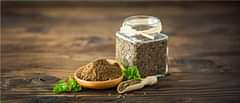
Triphala is a classical Ayurvedic polyherbal formulation traditionally used to support healthy digestion, regular bowel movements, gentle internal cleansing and general immunity. It is prepared from three dried fruits and comes as a powder, tablet, capsule or juice. In Ayurveda, it is valued as a Rasayana, traditionally regarded as a rejuvenating preparation taken to support overall wellbeing rather than to treat specific diseases.
 50
50Last updated on : 11 Aug, 2026
Read time : 12 mins
What is Triphala?
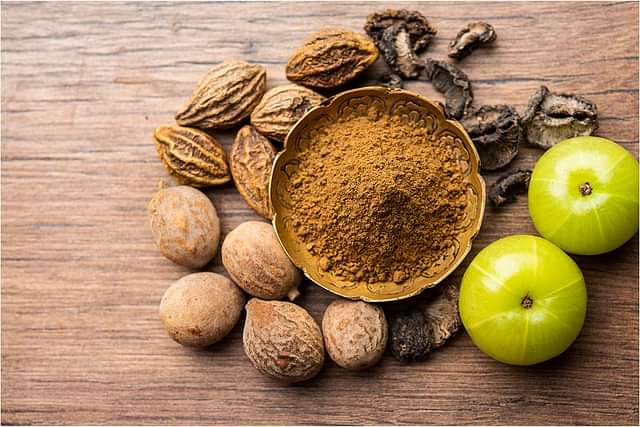
The name Triphala comes from Sanskrit, where Tri means three and Phala means fruit, so Triphala means "three fruits". It is prepared from Amalaki (Emblica officinalis), Haritaki (Terminalia chebula), and Bibhitaki (Terminalia bellirica), usually in equal parts. Triphala is a classical Ayurvedic formulation traditionally used to support digestion and as a Rasayana (rejuvenative) preparation (Peterson et al., 2017).
In Ayurveda, Triphala is classified by its taste (Rasa), potency (Virya), post-digestive effect (Vipaka) and its effects on the three doshas. It is traditionally regarded as tridoshic, meaning it is used to help balance Vata, Pitta and Kapha.
Key Facts
| Feature | Details |
| Formulation type | Polyherbal powder (churna); classed traditionally as a Rasayana |
| Classical reference | Original Ayurvedic texts (Charaka Samhita, Sushruta Samhita, Ashtanga Hridaya) |
| Composition | Amalaki (Emblica officinalis), Haritaki (Terminalia chebula), Bibhitaki (Terminalia bellirica) |
| Classical proportion | Traditionally equal parts, 1:1:1 |
| Also known as | Triphala Churna; spelling variants Trifala, Triphla |
| Key active compounds | Gallic acid, chebulinic acid, chebulagic acid, ellagic acid, tannins, polyphenols, flavonoids, vitamin C |
| Dosha action | Traditionally tridoshic (balances Vata, Pitta, Kapha) |
| Traditional uses | Digestive support, regular bowel movement, gentle cleansing, everyday immunity, skin and eye wellbeing |
| Common forms | Powder, tablet, capsule, juice, syrup |
| General dosage | Adults: about 3 to 6 g powder (roughly 1 teaspoon) with warm water, or 1 to 2 tablets, usually at night, under guidance |
| Best taken | Usually at night before bed, or as advised by a practitioner |
| Key safety note | Can cause loose stools or stomach upset; avoid in pregnancy and breastfeeding unless advised; check with a doctor if on regular medication |
Alternative Names of Triphala
Triphala is a Sanskrit name that is transliterated rather than translated, so the same word is used across languages with only minor spelling differences. It is more helpful to list common spelling variants and the names of its three constituent fruits than to repeat the same word.
- Common English and Sanskrit spellings: Triphala (also written as Trifala or Triphla)
- Powdered form: Triphala Churna
- Its three fruits: Amalaki (Amla), Haritaki (Harad) and Bibhitaki (Baheda)
Composition of Triphala
Triphala is made from three dried fruits blended in equal parts:
- Amalaki (Emblica officinalis)
- Haritaki (Terminalia chebula)
- Bibhitaki (Terminalia bellirica)
Each fruit is dried and powdered separately, then combined in equal proportions. The blend can be taken as a powder or prepared as tablets, capsules, juice or syrup.
Chemical Constituents of Triphala
Triphala’s activity is linked to the polyphenols and other plant compounds found in its three fruits. The main constituents include:
- Tannins and polyphenols
- Gallic acid
- Chebulinic acid and chebulagic acid (mainly from Haritaki)
- Ellagic acid
- Flavonoids
- Vitamin C (mainly from Amalaki)
- Beta-sitosterol and lignans (from Bibhitaki)
Medicinal Properties of Triphala
In traditional practice, and in early laboratory studies, Triphala is associated with the properties below. Most human evidence is still limited, so these are described as supportive rather than curative.
- Antioxidant: Its polyphenols may help neutralise free radicals and reduce oxidative stress (Peterson et al., 2017).
- Anti-inflammatory: Traditionally used to support the body’s normal inflammatory response (Peterson et al., 2017).
- Mild laxative: It gently supports regular bowel movement.
- Carminative and digestive: Traditionally believed to aid comfortable digestion.
- Immunomodulatory: It may help support normal immune activity (Peterson et al., 2017).
- Antimicrobial: Shown against some microbes in laboratory studies (Peterson et al., 2017).
- Rasayana (rejuvenative): Traditionally taken to support overall vitality.
Where evidence comes only from laboratory or animal studies, this is noted, and further human studies are needed to confirm these effects.
Key Health Benefits of Triphala
Triphala is valued in Ayurveda for a few well-known, supportive roles. Each point below explains, in simple terms, how it may help.
1. Digestive and Bowel Health
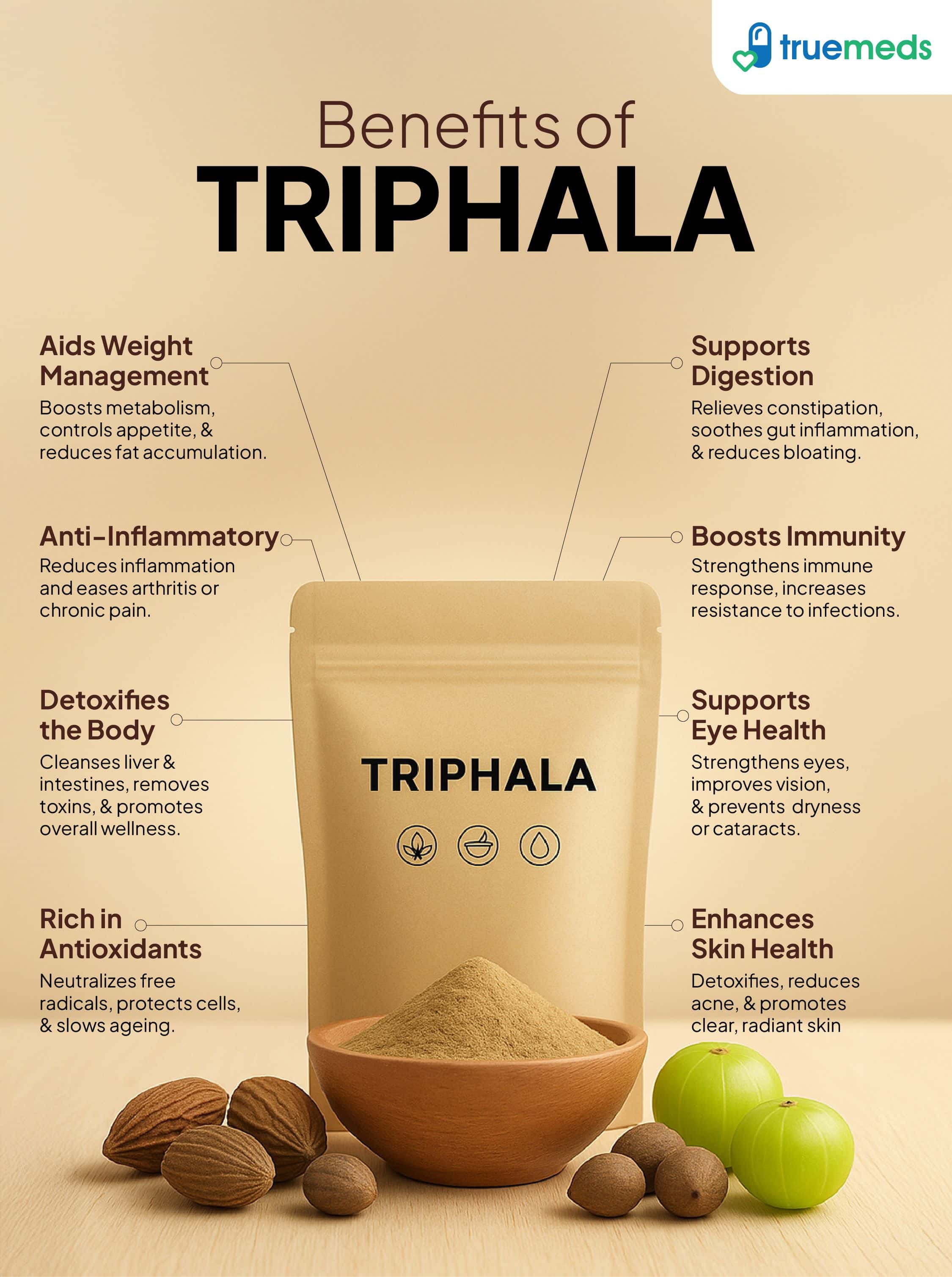
Triphala is traditionally used as a gentle, non-habit-forming laxative. By softening stools and supporting normal bowel movements, it may help relieve occasional constipation and support the natural clearing of the digestive tract, which in turn may aid comfortable digestion (Peterson et al., 2017).
2. Metabolism and Healthy Weight
By supporting regular digestion and bowel movements, Triphala is traditionally believed to help the body clear waste (Ama) and maintain a healthy metabolism. Evidence supporting Triphala for weight management is limited, and it should not be regarded as a weight-loss treatment
3. Antioxidant Action
Triphala is rich in natural polyphenols that may help neutralise free radicals and reduce oxidative stress in cells. In Ayurveda, this antioxidant role underlies its Rasayana (rejuvenative) classification, which is traditionally associated with healthy ageing (Peterson et al., 2017).
4. Immunity Support
Amalaki, one of Triphala’s three fruits, is a natural source of vitamin C and other plant compounds. Limited clinical evidence suggests Triphala may help support the body’s normal immune function, though it is not a treatment or preventive measure for any infection (Peterson et al., 2017).
5. Skin Wellbeing
Through its antioxidant and traditional internal cleansing properties, Triphala is traditionally used to support clear, healthy-looking skin. Used externally in traditional practice, it is believed to soothe minor irritation, though a patch test is advised before any skin use.
6. Eye Comfort
Triphala is traditionally described as Chakshushya, meaning beneficial for eye health, and is associated with supporting everyday eye comfort. Any traditional eye rinse should only be used under qualified Ayurvedic supervision, as homemade eye washes carry a risk of infection.
7. Everyday Inflammatory Support
Triphala is traditionally used to support the body’s normal response to everyday inflammation, which is why it appears in traditional joint-care routines. This is a supportive role and is not a substitute for medical treatment for any diagnosed joint disease.
Common Uses of Triphala
Triphala is commonly used in a number of everyday situations in traditional Ayurvedic practice. This section describes its traditional uses rather than how it works.
- After heavy or irregular meals, to support comfortable digestion.
- During occasional constipation, as a gentle overnight aid to regular bowel movements.
- As part of a seasonal or routine internal cleansing regimen in Ayurvedic practice.
- As a daily Rasayana to support everyday immunity and general wellbeing.
- In traditional skincare routines, taken internally or used externally after a patch test.
- As a traditional mouth rinse to support gum health and oral hygiene.
Precautions While Taking Triphala
Triphala is generally well tolerated, but some sensible precautions apply before use.
Speak to a Doctor First if You Have a Health Condition
If you have an ongoing medical condition, or you are pregnant or breastfeeding, check with a doctor or qualified Ayurvedic practitioner before starting Triphala, as its safety in these situations is not fully established.
Digestive Reactions and Tolerance
Some people may experience loose stools, stomach cramps or bloating. Start with a small dose, monitor how you respond, and reduce or stop using it if you feel unwell.
Do Not Overuse
Taking more than the recommended amount can cause dehydration or disturb your body’s electrolyte balance. Follow the recommended dosage and drink enough water.
Be Careful With Other Medicines
If you take regular medicines, especially blood thinners, seizure medicines or blood pressure medicines, ask your doctor or pharmacist before using Triphala.
Disclaimer: This information is for general guidance only and is not a substitute for professional medical advice. Seek medical help if symptoms are severe, persistent or worrying.
How to Use Triphala
Triphala can be taken in several forms. Choose the one that suits you and follow the guidance for that form.
As a Powder
Mix about one teaspoon (3 to 6 g) of Triphala powder with warm water. Take it on an empty stomach or before bed. It can also be stirred into herbal tea.
As a Tablet or Capsule
Swallow 1 to 2 tablets or capsules with warm water, as directed on the product label or by your qualified Ayurvedic practitioner. Do not crush them unless the label says you can.
As a Juice or Syrup
Take the amount stated on the label, often about one tablespoon, usually in the morning.
For External Skin Use
Mix the powder with water or rose water to form a paste. Patch-test it on a small area first, apply to the skin, and rinse off with warm water after 10 to 15 minutes.
Herbs Traditionally Used With Triphala
In traditional practice, Triphala is often combined with other herbs or with a vehicle (anupana) to suit a particular purpose. These pairings should be guided by a qualified practitioner.
| Guggulu | Combined with Guggulu resin in the classical formulation Triphala Guggulu, traditionally used to support joint comfort and healthy metabolism. It should be taken only under qualified Ayurvedic guidance. |
| Trikatu | A blend of ginger, black pepper and long pepper, sometimes taken with Triphala to traditionally support digestion and the absorption of the formulation. Use only under the advice of a qualified Ayurvedic practitioner. |
| Honey (as anupana) | Warm water with a little honey is a traditional anupana (vehicle) for Triphala, used to make it more palatable and traditionally support its digestive action. Honey should not be given to children under 12 months of age. |
| Ghee (as anupana) | In some traditional Ayurvedic practices, Triphala is taken with a little ghee, particularly where a nourishing rather than purely cleansing effect is traditionally desired. A qualified Ayurvedic practitioner should advise on its suitability. |
Recommended Dosage of Triphla
Dosage depends on the form, the person’s age and the reason for use. The general guidance below should always be confirmed with a doctor or qualified Ayurvedic practitioner.
Adults
About 3 to 6 g of powder (roughly 1 teaspoon) with warm water, or 1 to 2 tablets or capsules, usually once daily, preferably at night.
Elderly
Start at the lower end, about ½ to 1 teaspoon, and adjust according to tolerance, as older adults can be more sensitive to the laxative effect (Peterson et al., 2017).
Teenagers
Only under the guidance of a qualified Ayurvedic practitioner or doctor; a reduced adult dose is generally used.
Children
Not recommended without advice from a doctor or qualified Ayurvedic practitioner.
Note: Dosages above reflect common Ayurvedic clinical practice and are not drawn from a single official pharmacopoeial source. They are intended for general awareness only and should be confirmed by a qualified Ayurvedic physician before use, particularly for children, pregnant or breastfeeding women, and individuals with existing health conditions.
Side Effects of Triphala
Triphala is generally well tolerated by most people when used as recommended. The following side effects may occur, mainly at higher doses.
Digestive Upset
Loose stools, stomach cramps or bloating can happen, especially at higher doses, because Triphala has a mild laxative effect.
Dehydration or Salt Imbalance
Very high doses or prolonged use may lead to dehydration or an imbalance in the body’s electrolytes. Drink enough water and follow the recommended dosage.
Not Advised in Pregnancy and Breastfeeding
Its safety in pregnancy and breastfeeding has not been established, so it should only be used in these situations under medical supervision.
Note: Stop use and seek medical advice if symptoms are severe or persistent.
Interaction of Triphala With Other Drugs
Triphala may affect how some medicines work or are absorbed. If you take any regular medication, speak to your doctor or pharmacist before using it.
Blood-Thinning Medicines
Triphala may increase the effect of anticoagulant or antiplatelet medicines, potentially increasing the risk of bleeding. Use it only under medical supervision and inform your healthcare provider if you are due to have surgery or a dental procedure.
Anticonvulsant Medicines
Triphala may affect how some seizure medicines, such as carbamazepine or oxcarbazepine, are processed by the body. Consult your doctor before using Triphala with these medicines.
Antifungal Medicines
It may affect the absorption of some antifungals, such as ketoconazole or voriconazole.
Diabetes and Blood-Pressure Medicines
Triphala may affect blood sugar and blood pressure. If you take medicines for these conditions, monitor your blood sugar or blood pressure as recommended by your doctor and consult your doctor before using Triphala.
Storage of Triphala
Store Triphala in a clean, airtight container in a cool, dry place, away from direct sunlight and moisture. Keep it out of the reach of children. Use it within the shelf life printed on the pack, and discard it if the powder becomes damp, clumped or develops an unusual smell.
Key Takeaways
The essentials to remember about Triphala, both its uses and its limits:
- Triphala is a classical Ayurvedic formulation made from three dried fruits: Amalaki, Haritaki and Bibhitaki.
- It is traditionally used to support digestion, regular bowel movements, gentle cleansing, everyday immunity, and skin and eye wellbeing.
- It can cause loose stools or stomach upset, may interact with some medicines, and is not advised during pregnancy or breastfeeding unless recommended by a doctor or qualified Ayurvedic practitioner.
- It is a supportive Ayurvedic wellness preparation, not a treatment or cure for any disease.
Disclaimer: The information provided about Triphala is based on traditional Ayurvedic principles and should not be considered medical advice. This product is not intended to diagnose, treat, cure or prevent any disease. Please consult a qualified healthcare professional before using Triphala, especially if you take prescription medicines or have an existing medical condition.
FAQs
How is Triphala made?
Is it safe to take Triphala every day?
What are the common side effects?
Who should avoid Triphala or check with a doctor first?
When is the best time to take Triphala?
What is the correct way to take Triphala powder?
Can Triphala help with occasional constipation?
Is Triphala good for the skin?
References
- Peterson, C. T., Denniston, K., & Chopra, D. (2017). Therapeutic uses of Triphala in Ayurvedic medicine. Journal of Alternative and Complementary Medicine (New York, N.Y.), 23(8), 607–614. https://doi.org/10.1089/acm.2017.0083


Explore other categories
Latest health articles





Top Health Essentials











Top-selling ayurvedic products


















Disclaimer
Top-Selling Medicines:
...View more
Top-OTC medicines:
...View more
Top-selling healthcare devices:
...View more
Company
About UsHealth ArticleHealth StoriesHealth LibraryDiseases & Health ConditionsAyurvedaUnderstanding Generic MedicinesAll MedicinesAll BrandsNeed HelpFAQSecuritySavings CalculatorAdvertise with UsSubscribe
Registered Office Address
Grievance Officer
Download Truemeds


Contact Us
Our customer representative team is available 7 days a week from 9 am - 9 pm.
v4.28.13

2026 - Truemeds | All rights reserved. Our content is for informational purposes only. See additional information.

Our Payment Partners