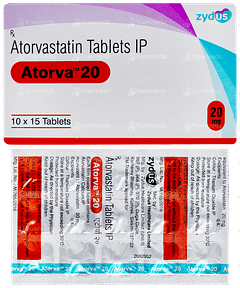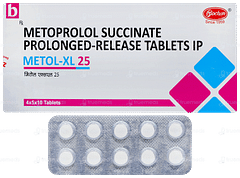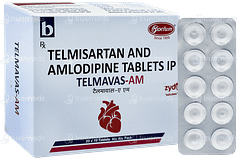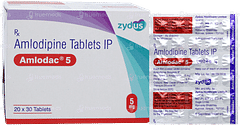
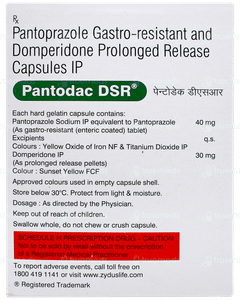
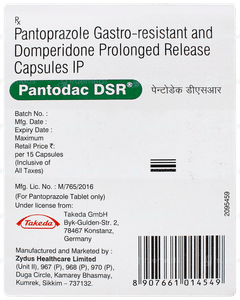
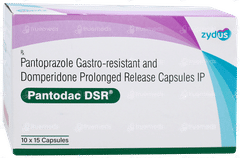
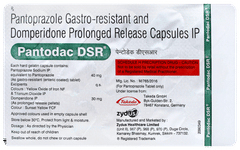

 Composition
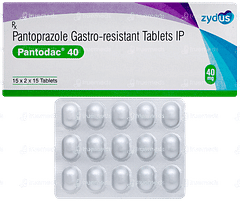
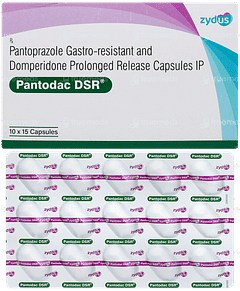
Pantodac DSR Capsule may be used for selected patients with acid reflux accompanied by troublesome nausea or symptoms related to delayed gastric emptying. Pantoprazole reduces acid exposure in the oesophagus, while domperidone helps improve stomach motility. Pantoprazole alone may be appropriate for many acid-related conditions, including peptic ulcers. The combination should not be described as routinely necessary for all ulcers or uncomplicated heartburn. Your doctor should determine whether the additional domperidone component is justified and review treatment duration.
Take Pantodac DSR Capsule exactly as prescribed by your doctor. Swallow the capsule whole with water without crushing or chewing its modified-release contents. Follow your doctor's instructions regarding meals and treatment duration. Do not extend treatment independently, particularly because domperidone should generally be used for the shortest appropriate period. Eating smaller meals, avoiding personal reflux triggers and remaining upright after eating may help reduce symptoms. Seek medical assessment for difficulty swallowing, persistent vomiting, unexplained weight loss or gastrointestinal bleeding.
Possible side effects of Pantodac DSR Capsule include headache, dry mouth, nausea, abdominal discomfort, diarrhoea and dizziness. Domperidone may increase prolactin levels, causing breast tenderness or abnormal milk secretion. Serious adverse effects include QT prolongation, ventricular arrhythmias and, rarely, sudden cardiac death. Pantoprazole may rarely cause kidney inflammation or severe diarrhoea. Prolonged acid suppression can contribute to low magnesium or vitamin B12 levels in susceptible patients. Seek urgent medical attention for fainting, palpitations, severe allergic symptoms or vomiting blood.
Before taking Pantodac DSR Capsule, tell your doctor about heart rhythm disorders, significant liver impairment, kidney disease or electrolyte abnormalities. Mention medicines that prolong the QT interval or inhibit domperidone metabolism, including certain antibiotics and antifungal medicines. Domperidone is unsuitable in patients with certain cardiac conditions or gastrointestinal obstruction, bleeding or perforation. Discuss pregnancy and breastfeeding before treatment. Your doctor should assess the need for both ingredients and monitor treatment when clinically necessary. Persistent reflux symptoms require review rather than indefinite unsupervised combination treatment.