

- Medicines
- Personal Care
- Skin Cream
- Sunscreen
- Face Wash
- Skin and Body Soap
- Acne Care
- Body Lotions
- Moisturising Lotion
- Moisturising Cream
- Mosquito Repellent
- Moisturising Gel
- Body Wash
- Hair Oils
- Hair Shampoo
- Hair Conditioners
- Hair Supplements
- Hair Colour
- Hair Serum
- Hair Mask
- Hair Solutions
- Baby Diapers and Wipes
- Baby Lotion and Moisturising Cream
- Baby Bath Essentials
- Baby Skin Care
- Baby and Infant Food
- Baby Healthcare
- Women Multivitamins
- Ovulation Test Kit and Women Intimate Care
- Sanitary Pads
- Nutritional Drinks
- Condoms
- Lubricants
- Massage Gels
- Personal Body Massagers
- Men Performance Booster
- Sexual Health Supplements
- Massage Oils
- Ayurveda
- Tooth Paste
- Mouth Ulcer Gel
- Mouthwash
- Toothache and Gum Pain
- Tooth Brush
- Gargle Solution
- Orthopaedic Supports
- Adult Diapers
- Footwear
- Mobility and Support Accessories
- Urinary Support and Care
- Health Conditions
- Bone and Joint Care
- Digestive Care
- Eye Care
- Pain Relief
- Smoking Cessation
- Liver Care
- Stomach Care
- Cold and Cough
- Heart Care
- Kidney Care
- Piles, Fissures & Fistula
- Respiratory Care
- Mental Wellness
- Derma Care
- Pre and Probiotics
- Acidity
- Gas
- Constipation
- Loose Motion/Diarrhoea
- Digestive Fibres
- Digestive Enzymes
- Eye Lubricant Drops
- Lens Solution
- Safety Eye Wear
- Eye Cream
- Eye Vitamins and Supplements
- Eye Drops
- Eye Ointment and Gel
- Nicotine Patch
- Nicotine Gum
- Nicotine Lozenges
- Cough Syrups
- Chest Rubs and Balms
- Nasal Spray
- Lozenges
- Inhalant Capsules
- Cold and Cough Tablets
- Vitamins & Supplements
- Diabetes Care
- Healthcare Devices
- Homeopathic Medicine
- Health Guide
Sore Throat (Pharyngitis)
Pharyngitis, or sore throat, is a common condition involving inflammation of the pharynx, causing pain, discomfort, and difficulty swallowing. It can be acute or chronic and is usually caused by viral or bacterial infections, allergies, or environmental factors.
 50
50Last updated on : 10 Jun, 2026
Read time : 14 mins

Overview of Disease
Pharyngitis is a common condition caused by inflammation of the pharynx, the part of the throat behind the nose and mouth. This inflammation typically results in discomfort, irritation, or pain in the throat, which may vary in intensity.
The symptoms of pharyngitis can range from mild and short-lived to more severe and persistent, depending on the underlying cause. In most cases, mild pharyngitis resolves on its own, but recurring or severe cases may require medical attention for proper diagnosis and care.
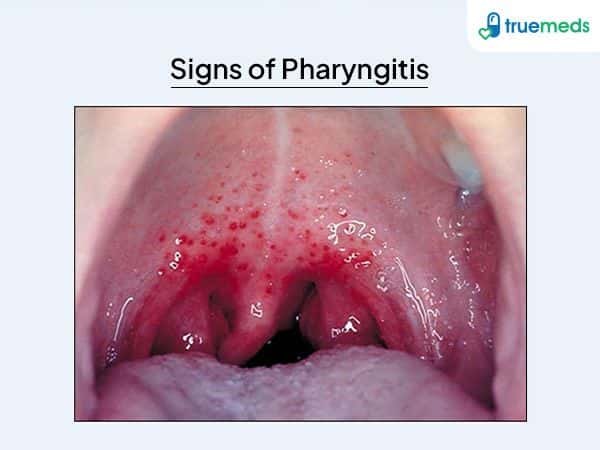
What is Sore Throat (Pharyngitis)?
Pharyngitis occurs when the tissue lining the throat (mucosa) becomes inflamed due to various factors, such as viral and bacterial infections, allergies, and environmental factors like dry air. The primary symptom is a scratchy or burning feeling in the back of the throat, which may worsen with swallowing or talking.
Key Factors about Pharyngitis
| Category | Details |
| Also Referred to as | Sore throat, acute sore throat, pharyngotonsillitis, tonsillopharyngitis |
| Commonly Occurs In | During colder months, and is more common in individuals with frequent exposure to infections (e.g., school-aged children or healthcare workers) |
| Affected Organ | Pharynx, tonsils |
| Type | Acute, Chronic (viral or bacterial) |
| Common Signs | Sore throat, fever, runny nose, cough, headache, hoarse voice, swollen lymph nodes, difficulty swallowing |
| Consulting Specialist | General physician, otolaryngologist (ENT specialist) |
| Treatment Procedures |
|
| Managed By | Pain relief medicines (paracetamol, ibuprofen), antibiotics (when indicated) |
| Mimicking Condition | Epiglottitis, infectious mononucleosis, Kawasaki disease, Lemierre's syndrome, retropharyngeal abscess, peritonsillar abscess |
Types of Pharyngitis
Pharyngitis can be broadly classified into two main types, determined by symptom duration. It is categorised as follows:
1. Acute Pharyngitis
This is the most common type of sore throat and usually resolves quickly. Acute sore throats are typically caused by viral infections such as the common cold, flu, or other common illnesses and last between 3 and 10 days.
2. Chronic Pharyngitis
If the sore throat persists for more than 2–3 weeks or recurs frequently, it is considered chronic. Chronic sore throat may be associated with conditions such as allergies, gastroesophageal reflux disease (GERD), smoking, or environmental irritants, and may require medical evaluation.
Symptoms of (Pharyngitis)
Pharyngitis typically starts with a scratchy, dry sensation in the throat that can quickly worsen. As inflammation increases, sharp pain may occur while swallowing or speaking, often radiating toward the ears or sides of the neck. These symptoms usually appear suddenly and are common in acute throat infections, especially those caused by viruses or bacteria.
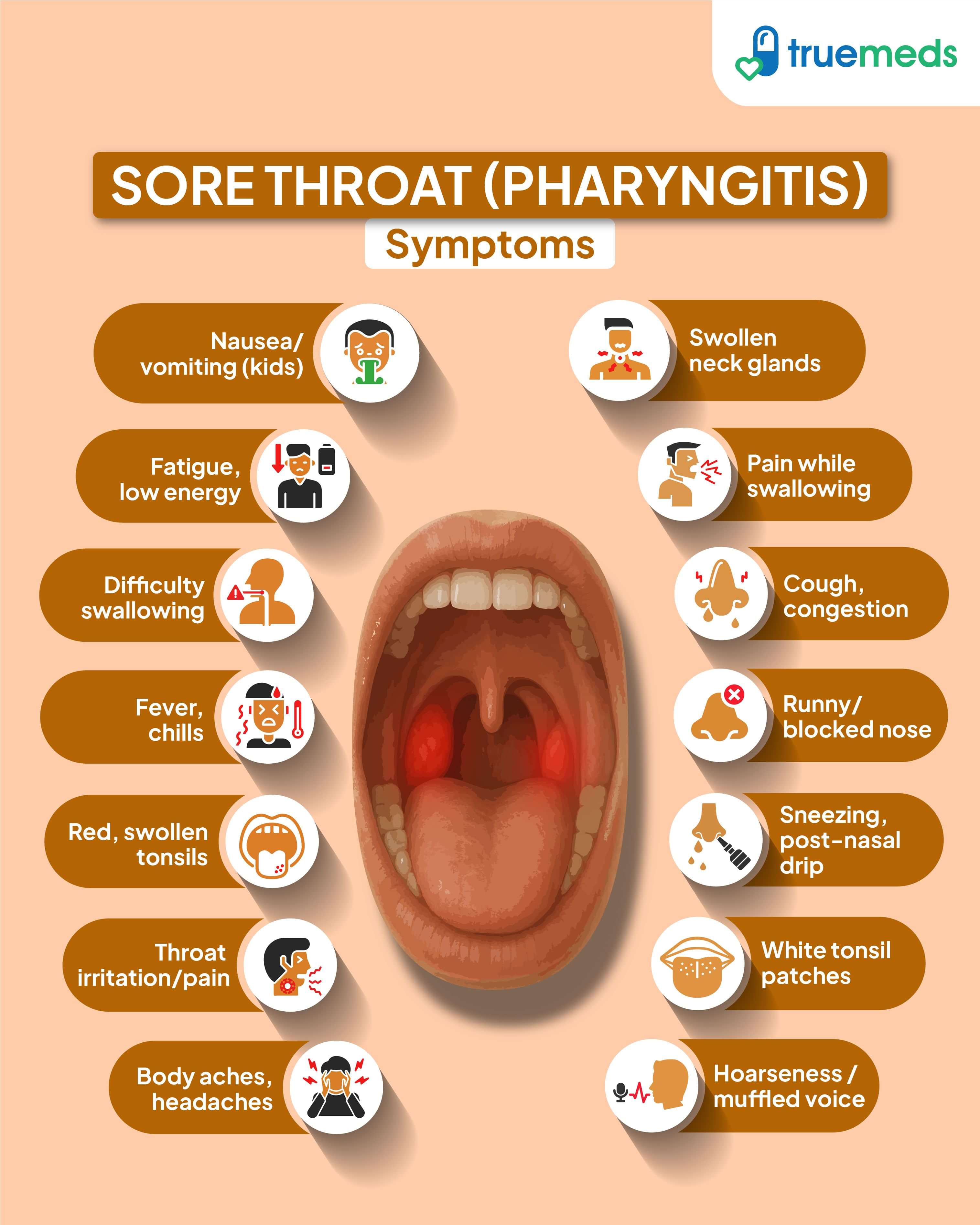
Common signs and symptoms include CDC (2024):
- Irritation, dryness, or pain in the throat
- Discomfort or sharp pain while talking or swallowing
- Difficulty swallowing
- Hoarseness or a muffled voice
- Red and swollen tonsils
- White patches or spots on the tonsils
- Swollen lymph nodes or glands in the neck
- Cough and nasal congestion
- Runny or blocked nose
- Sneezing and post-nasal drip
- Fever and chills
- Body aches and headaches
- General fatigue and low energy
- Nausea, vomiting, or an upset stomach (especially in children)
Recognising these early acute symptoms can help determine whether supportive care is sufficient or medical evaluation is required.
Causes of (Pharyngitis)
Pharyngitis (sore throat) is usually caused by a viral infection, such as a cold or the flu. It usually gets better on its own.
1. Viral Infections
Pharyngitis is commonly caused by viral infections, which account for 50% to 80% of sore throat cases (Wolford et al., 2023). These viruses can irritate and inflame the throat, leading to discomfort and other symptoms. Below are some of the most common viral illnesses associated with pharyngitis:
- Common Cold: One of the leading causes of pharyngitis, the common cold is caused by rhinoviruses and can result in throat irritation, coughing, and congestion.
- Flu (Influenza): The influenza virus often causes a severe sore throat along with fever, body aches, fatigue, and respiratory symptoms.
- Mono (Mononucleosis): Caused by the Epstein-Barr virus, mononucleosis is a contagious illness that can lead to prolonged pharyngitis, swollen lymph nodes, and extreme fatigue.
- Measles: A viral infection that can cause a sore throat along with a characteristic skin rash, fever, and inflamed eyes (conjunctivitis).
- Chickenpox: Known for its itchy rash, chickenpox (caused by the varicella-zoster virus) may also result in a sore throat, especially in the early stages of the illness.
- Coronavirus Disease 2019 (COVID-19): A sore throat is a frequent symptom of COVID-19, often accompanied by cough, fever, fatigue, and loss of taste or smell.
- Croup: A common viral illness in young children characterised by a barking cough, hoarseness, and a sore throat caused by inflammation of the airways.
2. Bacterial Infections
Some sore throats are caused by bacterial infections, with the most common being strep throat, caused by group A Streptococcus bacteria.
3. Other Causes
- Allergies
- Dry air
- Gastro-oesophageal reflux disease (GERD)
- Postnasal drip
- Environmental factors
- Irritants.
- Muscle strain
- HIV infection.
- Tumors
Identifying the cause of a sore throat is essential for determining the most effective treatment, whether it involves over-the-counter medications, home remedies, or prescription antibiotics.
Risk Factors
Some risk factors make it more likely for a sore throat to develop:
- Young Age: Strep throat, a common bacterial cause of pharyngitis, is most prevalent in children.
- Time of Year: Sore throats, including those caused by strep, are more frequent during the winter and early spring months.
- Close Contact: Being in close proximity to someone with a sore throat or cold increases the risk of developing pharyngitis.
- Smoking and Secondhand Smoke: Exposure to smoke can irritate the throat and raise the likelihood of infection.
- Allergies and Postnasal Drip: Allergies can lead to postnasal drip, which may irritate the throat and cause soreness.
- Vocal Strain: Prolonged talking, yelling, or singing can strain the vocal cords and throat muscles, leading to discomfort and pain.
- Frequent Sinus Infections: Recurrent sinus infections can contribute to pharyngitis.
- Crowded Environments: Attendance at daycare, schools, or other crowded settings increases exposure to infectious agents.
While these risk factors increase susceptibility, adopting preventive measures can significantly reduce the risk of pharyngitis.
Prevention of Pharyngitis
To prevent sore throats, avoid germs that cause them and maintain good hygiene. The following methods may help prevent a sore throat:
- Hand Hygiene: Regularly washing your hands with soap and water or using an alcohol-based hand sanitiser can help prevent the spread of infections that cause sore throats.
- Avoid Close Contact: Limit close contact with individuals who have a sore throat, cold, or flu to reduce your risk of catching these illnesses.
- Avoid Sharing Personal Items: Do not share drinking glasses, eating utensils, or other personal items with someone who has a sore throat to prevent the spread of infection.
- Use Humidifiers: Dry air can exacerbate a sore throat, so using a humidifier to maintain moisture can help soothe it and prevent further irritation.
- Avoid Irritants: Reduce your exposure to cigarette smoke, pollution, and other environmental irritants that can irritate your throat and increase your risk of infection.
- Stay Healthy: Engage in healthy behaviours such as getting enough rest, staying hydrated, and eating a balanced diet to strengthen your immune system and prevent infections that can cause sore throats.
Following these preventive steps can help reduce the frequency and severity of sore throat episodes.
Diagnosis & Tests
Diagnosis of pharyngitis is done through a combination of physical examinations, laboratory tests, and other diagnostic tools to identify the condition and its cause. Below are the commonly used diagnostic techniques for Pharyngitis:
Physical Examination
During a physical exam, your doctor will closely examine your throat for signs of redness, swelling, or the presence of white or grey patches. They may also check your ears and nose to rule out related infections and feel the sides of your neck to detect swollen lymph nodes, which can indicate an immune response to infection.
Throat Swab (Rapid Antigen Detection Test and Culture)
If bacterial pharyngitis (e.g., streptococcal infection) is suspected, a throat swab is performed.
- Rapid Antigen Detection Test (RADT): Provides results within minutes.
- Throat Culture: Used if RADT is negative but clinical suspicion remains; results typically take 24–48 hours.
Blood Tests
If a viral or systemic cause is suspected, blood tests may be performed.
- Infectious disease testing: Tests can help identify infections such as Infectious Mononucleosis.
- Complete Blood Count (CBC): May be used to assess infection or inflammation.
Treatment & Management
While viral infections often resolve on their own with supportive care, bacterial pharyngitis, especially caused by Streptococcus pyogenes (strep throat), may require targeted antibiotic therapy. A combination of medications and home remedies can effectively relieve discomfort and promote recovery. There are several ways you can treat a sore throat at home:
Effective management of pharyngitis depends on the underlying cause—viral, bacterial, or allergic. While many cases resolve with supportive care, confirmed bacterial infections require appropriate antibiotic therapy to prevent complications.
1. Antibiotic Therapy
When bacterial pharyngitis is diagnosed, doctors may prescribe targeted antibiotics. Common options include:
- Penicillin or Amoxicillin are first-line treatments for streptococcal pharyngitis.
- Azithromycin, and Cephalexin may be used in patients with penicillin allergy (based on clinical suitability).
- Erythromycin is another alternative in selected cases.
These pharyngitis medicines help eliminate bacteria, reduce symptom duration, and prevent the spread of infection.
2. Pain and Inflammation Management
A sore throat often brings pain, fever, and inflammation, all of which can make swallowing and talking difficult. To manage these symptoms, nonsteroidal anti-inflammatory drugs (NSAIDs) are commonly recommended. Ibuprofen is one of the most popular choices due to its dual action of relieving pain and reducing fever.
Naproxen is another NSAID that provides longer-lasting relief and may be particularly useful for persistent discomfort. These medications help reduce inflammation in the throat tissues, making it easier for patients to eat, drink, and rest comfortably.
3. Cough Suppression and Allergy Relief
Many people with pharyngitis also experience coughing, throat irritation, and postnasal drip, which can further aggravate throat pain. In such cases, antitussives and antihistamines can offer significant relief.
Dextromethorphan is a widely used antitussive that suppresses the cough reflex, allowing the throat to rest and heal. For individuals with more severe throat irritation or associated allergy symptoms, diphenhydramine serves a dual purpose by both reducing cough and providing a sedative effect, which may aid in restful sleep.
In addition, antihistamines are beneficial for those suffering from allergic pharyngitis or postnasal drip. Levocetirizine is a non-drowsy antihistamine that reduces histamine-mediated throat irritation, while cetirizine provides similar benefits with a slightly longer duration of action. Diphenhydramine, though sedating, remains a reliable choice for nighttime relief, helping patients rest better while alleviating throat discomfort caused by allergies or excess mucus.
4. Home Remedies
While medications play a key role in managing pharyngitis, supportive care at home significantly enhances recovery.
- Hydration: Staying well-hydrated is crucial when you have a sore throat. Drinking plenty of fluids, particularly warm liquids like tea with honey, can help soothe your throat and support your body's overall recovery.
- Rest: Getting adequate rest is essential to allow your body to focus its energy on fighting off the underlying infection causing your sore throat.
- Throat Lozenges: Sucking on throat lozenges or hard candies can provide temporary pain relief and help keep your throat moist, which can be particularly helpful if your sore throat is causing pain when swallowing.
5. Lifestyle Modifications
In addition to medical treatment, some lifestyle modifications can help you manage your pharyngitis symptoms and promote healing:
- Avoid Irritants: If you smoke or are exposed to secondhand smoke, it's important to avoid irritants while your throat is healing. Similarly, try to minimise exposure to other potential irritants, such as air pollution or harsh cleaning products.
- Humidify Your Environment: Dry air can exacerbate a sore throat, so using a humidifier at home or in your office can help keep your throat moist and reduce discomfort.
- Gargle with Salt Water: Dissolving a teaspoon of salt in warm water and gargling with this solution can help reduce swelling and provide temporary relief for a sore throat.
By working with your doctor to obtain an accurate diagnosis, following their recommended treatment plan, and incorporating some self-care measures, you can effectively manage your pharyngitis symptoms and find relief from your sore throat.
Living with Disease
When managing a sore throat, several strategies can help alleviate symptoms and improve comfort:
- Rest and Hydration: Give your body a chance to recharge and fight off the infection. Resting will also allow your throat muscles time to repair.
- Pain Relief: Take over-the-counter pain relief medicines such as paracetamol (acetaminophen) or ibuprofen to reduce pain and fever. Do not give aspirin to children or teenagers due to the risk of Reye’s syndrome.
- Comforting Foods and Beverages: Consume warm liquids like broth, caffeine-free tea, or warm water with honey to soothe the throat. Avoid giving honey to children under 1 year of age. Cold items such as ice pops may also provide relief.
- Gargling: Gargle with warm salt water (¼ to ½ teaspoon of salt in 4 to 8 ounces of water) to reduce throat irritation. This is suitable for children over 6 years and adults.
- Humidification: Use a cool-air humidifier to keep the air moist, which can help prevent further throat irritation. Alternatively, sit in a steamy bathroom after a hot shower.
- Avoid Irritants: Stay away from cigarette smoke, pollution, and other irritants that can exacerbate the sore throat.
- Lozenges and Hard Candy: These may help soothe the throat, but should not be given to children under 4 years due to choking risk.
These supportive measures can help relieve symptoms, but they do not replace medical treatment when required.
When to See a Doctor?
There are several scenarios where it is advisable to consult a doctor:
- Persistent Symptoms: If the sore throat does not improve after a week, or if you frequently experience sore throats.
- High Fever and Other Severe Symptoms: If you have a very high temperature, feel hot and shivery, or experience severe symptoms that are worsening quickly.
- Difficulty Swallowing or Breathing: If you or your child has difficulty breathing, is unable to swallow, or is drooling. These symptoms require immediate medical attention.
- Weakened Immune System: If you have a weakened immune system due to conditions like diabetes or are undergoing treatments that suppress it, such as chemotherapy or corticosteroids, consult your doctor promptly if you develop a sore throat.
Whether you are dealing with acute pharyngitis or chronic pharyngitis, it's crucial to pay attention to your body and seek medical advice when necessary. Your doctor can help determine the underlying causes of your sore throat and provide targeted treatment options to alleviate your symptoms and prevent complications.
Key Takeaways
- Pharyngitis (sore throat) is a common condition caused by viral or bacterial infections, allergies, or irritants.
- Symptoms include throat pain, difficulty swallowing, swollen lymph nodes, and fever.
- Most cases are viral and resolve within 3–7 days without antibiotics.
- Antibiotics are required only for confirmed bacterial infections such as streptococcal pharyngitis.
- Supportive care, including rest, hydration, and saltwater gargles, helps relieve symptoms.
- Seek medical care if symptoms are severe, persistent, or associated with complications.
FAQs
What are some quick remedies for a pharyngitis?
Is it possible for a pharyngitis to cause fever?
Which drinks can help soothe a pharyngitis?
What are the primary causes of pharyngitis?
How much time does pharyngitis typically last?
What is the most effective tablet for treating pharyngitis?
What are some natural ways to reduce pharyngitis?
References
- Centers for Disease Control and Prevention. (2025). Clinical guidance for group A streptococcal pharyngitis. https://www.cdc.gov/group-a-strep/hcp/clinical-guidance/strep-throat.html
- Centers for Disease Control and Prevention. (2024). Sore throat basics. https://www.cdc.gov/sore-throat/about/index.html
- MedlinePlus. (2025). Pharyngitis. https://medlineplus.gov/ency/article/000655.htm
- Wolford, R. W., Goyal, A., Syed, S. Y. B., & Schaefer, T. J. (2023). Pharyngitis. StatPearls. https://www.ncbi.nlm.nih.gov/books/NBK519550/
Check Related Salts
Browse Other Conditions
Latest health articles

Top Health Essentials















Disclaimer
Top-Selling Medicines:
...View more
Top-OTC medicines:
...View more
Company
About UsHealth ArticleHealth StoriesHealth LibraryDiseases & Health ConditionsAyurvedaUnderstanding Generic MedicinesAll MedicinesAll BrandsNeed HelpFAQSecuritySavings CalculatorAdvertise with UsSubscribe
Registered Office Address
Grievance Officer
Download Truemeds


Contact Us
Our customer representative team is available 7 days a week from 9 am - 9 pm.
v4.28.13

2026 - Truemeds | All rights reserved. Our content is for informational purposes only. See additional information.

Our Payment Partners




