

- Medicines
- Personal Care
- Skin Cream
- Sunscreen
- Face Wash
- Skin and Body Soap
- Acne Care
- Body Lotions
- Moisturising Lotion
- Moisturising Cream
- Mosquito Repellent
- Moisturising Gel
- Body Wash
- Hair Oils
- Hair Shampoo
- Hair Conditioners
- Hair Supplements
- Hair Colour
- Hair Serum
- Hair Mask
- Hair Solutions
- Baby Diapers and Wipes
- Baby Lotion and Moisturising Cream
- Baby Bath Essentials
- Baby Skin Care
- Baby and Infant Food
- Baby Healthcare
- Women Multivitamins
- Ovulation Test Kit and Women Intimate Care
- Sanitary Pads
- Nutritional Drinks
- Condoms
- Lubricants
- Massage Gels
- Personal Body Massagers
- Men Performance Booster
- Sexual Health Supplements
- Massage Oils
- Ayurveda
- Tooth Paste
- Mouth Ulcer Gel
- Mouthwash
- Toothache and Gum Pain
- Tooth Brush
- Gargle Solution
- Orthopaedic Supports
- Adult Diapers
- Footwear
- Mobility and Support Accessories
- Urinary Support and Care
- Health Conditions
- Bone and Joint Care
- Digestive Care
- Eye Care
- Pain Relief
- Smoking Cessation
- Liver Care
- Stomach Care
- Cold and Cough
- Heart Care
- Kidney Care
- Piles, Fissures & Fistula
- Respiratory Care
- Mental Wellness
- Derma Care
- Pre and Probiotics
- Acidity
- Gas
- Constipation
- Loose Motion/Diarrhoea
- Digestive Fibres
- Digestive Enzymes
- Eye Lubricant Drops
- Lens Solution
- Safety Eye Wear
- Eye Cream
- Eye Vitamins and Supplements
- Eye Drops
- Eye Ointment and Gel
- Nicotine Patch
- Nicotine Gum
- Nicotine Lozenges
- Cough Syrups
- Chest Rubs and Balms
- Nasal Spray
- Lozenges
- Inhalant Capsules
- Cold and Cough Tablets
- Vitamins & Supplements
- Diabetes Care
- Healthcare Devices
- Homeopathic Medicine
- Health Guide
Tonsillitis
Tonsillitis is the inflammation of the tonsils, which are two oval-shaped lymphatic tissues located on either side at the back of the throat. These tissues play a crucial role in the body's immune system, acting as a first line of defence against infections. However, when bacteria or viruses invade, the tonsils can become inflamed, leading to discomfort and various symptoms. The common signs of tonsillitis include swollen and reddened tonsils, a persistent sore throat, difficulty swallowing, and tenderness in the lymph nodes located on the sides of the neck. In some cases, individuals may also experience fever, headache, bad breath, or even white or yellow patches on the tonsils, indicating infection.
 50
50Last updated on : 26 May, 2026
Read time : 14 mins

Overview of Disease
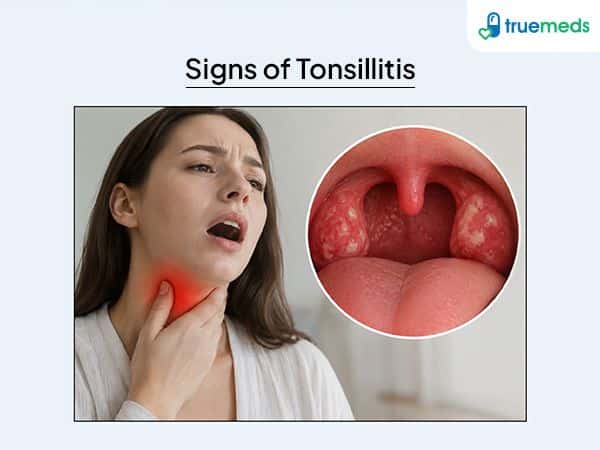
Tonsillitis is an inflammation of the tonsils, which are paired lymphoid tissues located at the back of the throat (Nimmana & Paterek, 2025). The tonsils play a role in the body's immune system, helping to fight off infections. However, when the tonsils themselves become infected, it leads to the condition known as tonsillitis. Tonsillitis can be caused by both viral and bacterial infections, with symptoms ranging from mild to severe. While tonsillitis is more common in children, it can affect individuals of any age. Understanding the causes, symptoms, and treatment options for tonsillitis is crucial for managing this condition effectively and preventing potential complications.
What is Tonsillitis?
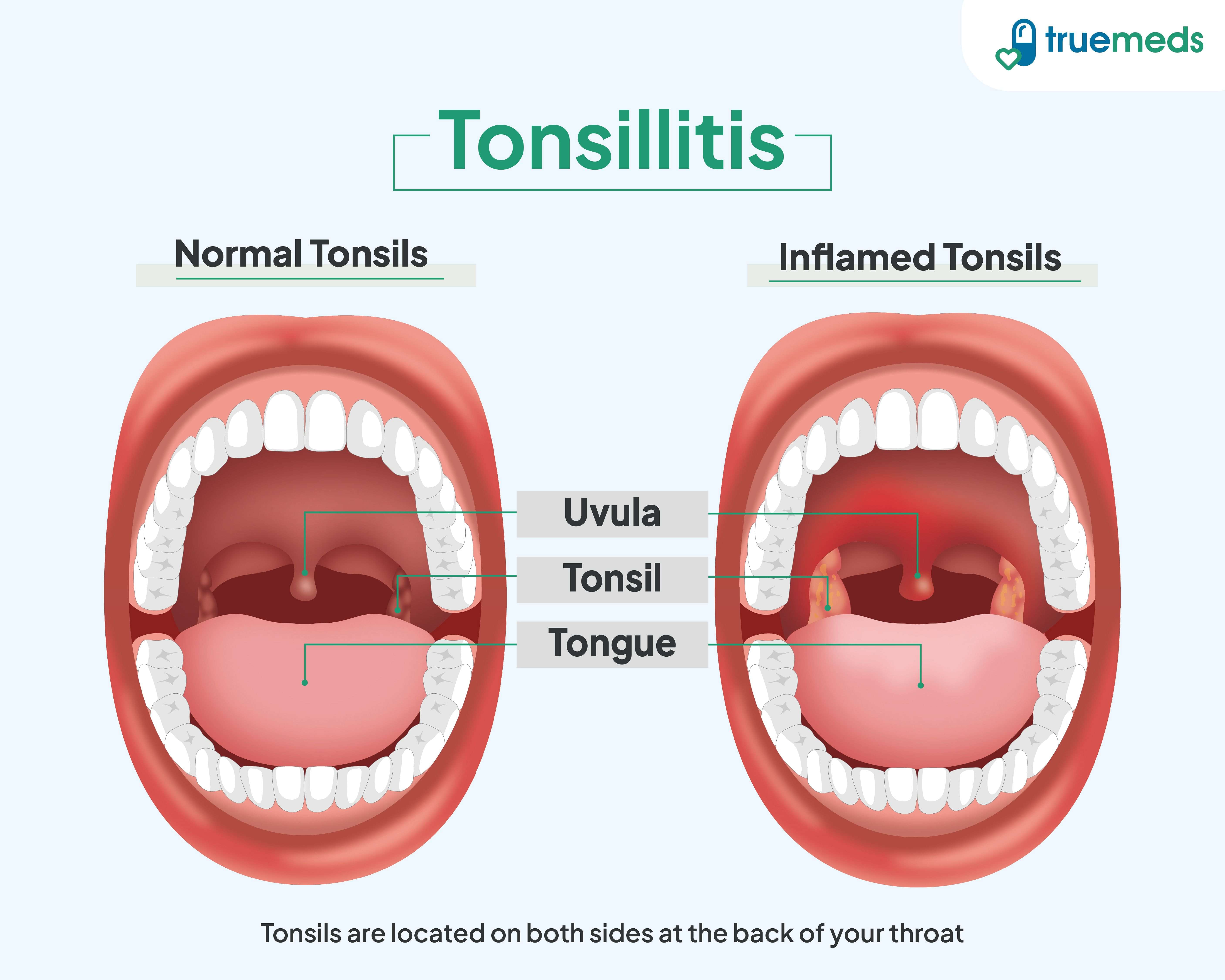
Tonsillitis is an inflammation of the tonsils, which play a vital role in filtering out bacteria and other pathogens that enter the body through the mouth and nose. The condition can be caused by both bacterial and viral infections, with the most common bacterial cause being Group A Streptococcus (strep bacteria) (Nimmana & Paterek, 2025). Viral causes include adenoviruses, influenza virus, Epstein-Barr virus, and parainfluenza viruses.
Key Factors about Tonsillitis
| Category | Details |
| Also Referred as | Pharyngitis, tonsillopharyngitis, strep throat (when caused by Group A Streptococcus) |
| Commonly Occurs In | Children between preschool ages and mid-teenage years |
| Affected Organ | Tonsils, which are lymphoid tissues located in the back of the throat |
| Type | Acute or Chronic; Viral or Bacterial |
| Common Signs | Swollen tonsils, sore throat, difficulty swallowing, fever, enlarged lymph nodes, bad breath, abdominal pain (more common in children), neck pain, headache |
| Consulting Specialist | Primary care provider, ENT (ear, nose, and throat) specialist or otolaryngologist |
| Treatment Procedures | Viral: Hydration and pain control; Bacterial: Antibiotics (e.g., penicillin or amoxicillin as first-line therapy; alternatives include cephalosporins or macrolides); Surgery (tonsillectomy) for recurrent cases |
| Managed By | Bacterial: Antibiotics (e.g., penicillin or amoxicillin) |
| Mimicking Condition | Conditions that may mimic tonsillitis include peritonsillar abscess, infectious mononucleosis, diphtheria, oropharyngeal malignancy, and chronic pharyngitis. |
Symptoms of Tonsillitis
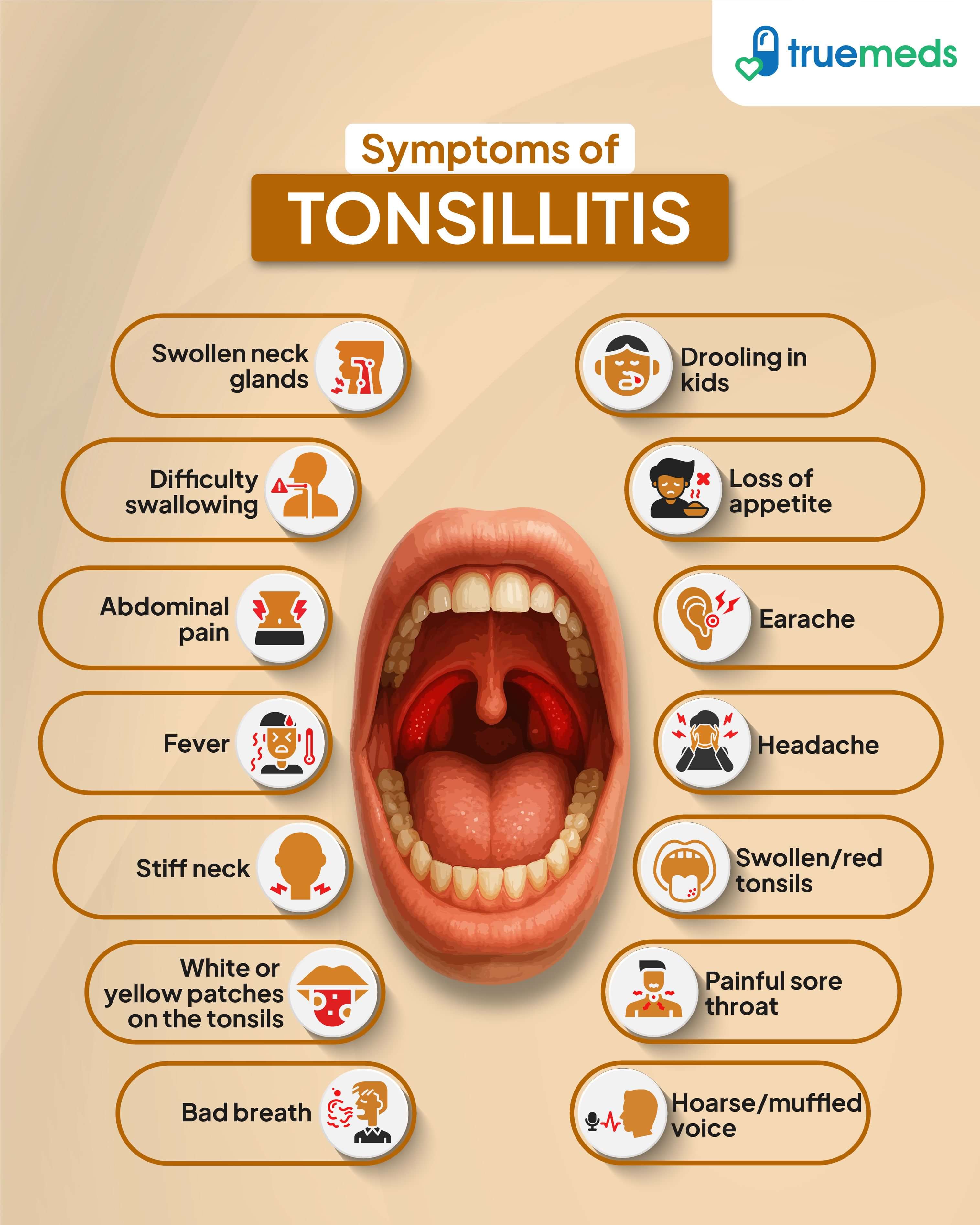
Tonsillitis is characterised by a range of symptoms that can vary in severity from person to person. The most common symptoms include:
- Sore throat, which can be very painful
- Difficulty swallowing (dysphagia)
- Fever
- Red and swollen tonsils
- Swollen lymph nodes in the neck
- Headache
- Loss of appetite
- Bad breath
- Stiff neck
- Earache
- Abdominal pain
- White or yellow patches on the tonsils
- A scratchy, muffled, or throaty voice
- Drooling in young children due to painful swallowing
Young children may not always be able to describe their symptoms when they have tonsillitis. However, parents and caregivers can watch for the following signs that may indicate a throat infection:
- Excessive drooling due to pain or difficulty swallowing; young children may drool more than usual.
- Refusal to eat or drink. A child with tonsillitis may avoid eating, drinking, or breastfeeding due to throat pain, increasing the risk of dehydration.
- Unusual fussiness or irritability. If your child is excessively cranky, refuses to be comforted, or appears more tired than usual, it may be due to throat pain, fever, or general discomfort.
- If you notice severe difficulty breathing, extreme drooling, or dehydration symptoms (dry mouth, sunken eyes, reduced urination), seek immediate medical attention.
If you experience any of these tonsillitis symptoms, it's important to seek medical advice to determine the underlying cause and appropriate tonsillitis treatment.
Stages of Tonsillitis
Tonsillitis is clinically classified based on its pattern and duration rather than true disease stages.
- Acute Tonsillitis: Acute tonsillitis is characterised by the sudden onset of sore throat, fever, and inflamed tonsils, typically lasting 3–7 days and occasionally up to 2 weeks. It is most commonly viral, but may also be caused by bacterial infection.
- Recurrent Tonsillitis: Recurrent tonsillitis is defined by multiple episodes of acute tonsillitis, commonly accepted as ≥7 episodes in one year, ≥5 episodes per year for two consecutive years, or ≥3 episodes per year for three consecutive years.
- Chronic Tonsillitis: Chronic tonsillitis refers to persistent tonsillar inflammation lasting for weeks to months, often associated with chronic sore throat, halitosis, tonsillar debris, and discomfort.
As tonsillitis progresses through these patterns, it is essential to seek appropriate medical care and follow the recommended management plan to prevent complications and promote healing.
Causes of Tonsillitis
Tonsillitis is most commonly triggered by viral infections, though bacterial infections can also be responsible in some cases. Viruses such as adenoviruses, influenza virus, Epstein–Barr virus (EBV), enteroviruses, and parainfluenza virus are common causes.
The primary bacterial cause of tonsillitis is Group A Streptococcus (Streptococcus pyogenes), the same bacterium that leads to strep throat. However, other strains of streptococcus and various other bacteria may also contribute to the condition. Other bacteria that can cause tonsillitis include Group C and G streptococci, Neisseria gonorrhoeae (in sexually active individuals), and Corynebacterium diphtheriae (rare due to vaccination).
Risk Factors
The following risk factors can increase the risk of developing tonsillitis:
- Age: Children between the ages of 5 and 15 are at the highest risk of developing tonsillitis, particularly bacterial tonsillitis. This is because their immune systems are still developing, making them more susceptible to infections.
- Exposure to Germs: School-aged children are more prone to tonsillitis due to their frequent close contact with peers, which increases their exposure to viruses and bacteria. Viral infections are more common in very young children, while bacterial infections are more prevalent in the 5-15 age group.
- Immune System Function: The tonsils play a crucial role in the body's immune system, making them vulnerable to infection. As children's immune systems are still maturing, they are more susceptible to tonsillitis compared to adults.
- Adult Risk Factors: Although less common, adults who have frequent contact with children, such as teachers, may be at a higher risk of developing tonsillitis due to increased exposure to infections.
- Environmental Factors: Some studies suggest that air pollution may contribute to an increased risk, but evidence is limited. The role of weather (including humidity) is not well established.
Complications
Tonsillitis can lead to several complications, especially if caused by bacterial infections such as Group A Streptococcus (GAS). Some of the possible complications include:
- Peritonsillar Abscess (Quinsy): A collection of pus that forms around the tonsil, which can cause severe throat pain, difficulty swallowing, and fever. It is usually treated by draining the pus through a needle or scalpel.
- Rheumatic Fever: An inflammatory disease that can occur after an untreated GAS infection, leading to arthritis, carditis, and valvulitis.
- Scarlet Fever: Caused by a toxin released by GAS, leading to a bright red rash, fever, and other symptoms.
- Acute Glomerulonephritis: Inflammation of the kidneys that can occur after a GAS infection, rarely leading to significant kidney complications.
- Post-streptococcal Arthritis: Inflammation of the joints that occurs after a GAS infection.
- Toxic Shock Syndrome: A rare but serious condition caused by GAS that can lead to low blood pressure, organ failure, and death.
- Ear Infections and Sinusitis: Infections can spread from the tonsils to the ears or sinuses.
- Jugular Vein Thrombophlebitis (Lemierre's Syndrome): Infection spreads to the jugular vein, causing inflammation and potentially leading to septic emboli.
- Necrotising Fasciitis: A rare but serious infection that causes death of soft tissue.
Preventing tonsillitis is crucial to avoid these complications and maintain overall health.
Prevention of Tonsillitis
Preventing tonsillitis involves a combination of good hygiene practices and medical interventions. Here are some key strategies to reduce the risk of developing tonsillitis:
- Hand Hygiene: Regular hand washing with soap and water can help reduce the spread of infections. This is particularly important before eating, after using the bathroom, and when in contact with someone who has tonsillitis symptoms.
- Avoid Close Contact: Maintain a safe distance from individuals who have tonsillitis or other infections to minimise the risk of transmission. If you have tonsillitis, stay home and avoid close contact with others to prevent spreading the infection.
- Good Oral Hygiene: Maintaining good oral hygiene can help prevent infections. Brush your teeth at least twice a day, floss daily, and use an antiseptic mouthwash to reduce the risk of tonsil stones and tonsillitis.
- Tonsillectomy: Tonsillectomy is not a routine preventive measure and is considered only in selected cases, such as recurrent severe tonsillitis meeting established clinical criteria, obstructive sleep-disordered breathing, or complications like peritonsillar abscess (Wilson et al., 2023).
By following these preventive measures, you can significantly reduce your risk of developing tonsillitis and its associated complications. If you experience persistent tonsillitis symptoms despite self-care measures, consult your healthcare provider for appropriate tonsillitis treatment and medication.
Diagnosis & Tests
Tonsillitis is common in children, especially between preschool and teenage years. To diagnose it, the doctor will:
- Check the throat, ears, and nose for signs of infection using a lighted instrument.
- Look for a rash called scarlet fever rash (scarlatina), which can occur with strep throat.
- Feel the neck for swollen lymph nodes.
- Listen to breathing using a stethoscope.
- Check the spleen if mononucleosis (another cause of tonsil inflammation) is suspected.
1. Throat Swab Test
The doctor will use a sterile swab to take a sample from the back of the throat to check for Group A Streptococcus. Some clinics provide quick results within minutes, but a more accurate test sent to a lab may take a few hours or days.
If the rapid test is positive, it means a bacterial infection is present. If negative, a viral infection is likely, but the doctor may wait for the lab test for confirmation.
2. Complete Blood Count (CBC)
A complete blood count (CBC) is not routinely required for diagnosing tonsillitis. It may be considered in atypical or severe cases or when infectious mononucleosis is suspected, but it does not reliably differentiate between viral and bacterial causes.
Treatment & Management
1. Antibiotic Treatment
If a bacterial infection is causing tonsillitis, your doctor will prescribe antibiotics to eliminate the infection. The most commonly used antibiotic for Group A Streptococcus (the bacteria responsible for strep throat) is penicillin, typically taken orally for 10 days.
For patients with penicillin allergy, recommended alternatives include cephalexin (in non-anaphylactic allergy), clindamycin, or macrolides such as azithromycin or clarithromycin, depending on local resistance patterns.
2. Importance of Completing the Antibiotic Course
It is essential to complete the full course of antibiotics as prescribed, even if symptoms improve before finishing the medication. Stopping antibiotics too early can cause the infection to return or spread, leading to severe complications such as rheumatic fever or post-streptococcal glomerulonephritis (kidney inflammation).
If a dose is missed, follow your doctor’s or pharmacist’s instructions on when to take the next dose. Do not double the dose to compensate for a missed one.
3. Pain Management in Tonsillitis
To relieve throat pain and fever associated with tonsillitis, pain-relieving medications like ibuprofen and acetaminophen may be recommended. These medications help reduce inflammation, ease discomfort, and bring down fever. Always follow dosage instructions and consult a doctor before giving pain relievers, especially to children.
Living with Tonsillitis
Tonsillitis, whether caused by a viral or bacterial infection, can significantly impact daily life. Managing the symptoms and preventing complications are essential for individuals living with this condition.
- Managing Symptoms: Living with tonsillitis can be challenging, but there are several ways to manage the symptoms and promote recovery. Rest is crucial to help your body fight off the infection. Avoid strenuous activities and ensure you get adequate sleep. Staying hydrated is also important; drink plenty of fluids such as water, soup, or broth to soothe your throat and maintain hydration. Over-the-counter pain relievers like paracetamol or ibuprofen can help alleviate throat pain and reduce fever, but aspirin should not be given to children under 16. Gargling with warm salt water several times a day can also help reduce swelling and ease throat pain, but this is not recommended for young children.
- Preventing the Spread of Infection: Tonsillitis can be contagious, so it's important to practice good hygiene to prevent the spread of infection. Wash your hands frequently, especially after coughing or sneezing, and avoid sharing food, drinking glasses, water bottles, or utensils. If you or your child has a high temperature or does not feel well enough to engage in usual activities, stay at home and avoid close contact with others until you feel better.
- Monitoring and Seeking Medical Help: Most cases of tonsillitis improve within a week, but if your symptoms persist or worsen, it is important to consult a doctor. Seek urgent medical help if you have pus-filled spots on your tonsils, a sore throat so painful that it is difficult to eat or drink, or if you experience severe throat pain, difficulty opening your mouth, or trouble breathing. Be aware of potential complications such as peritonsillar abscess (quinsy), which requires immediate medical attention. Signs of quinsy include severe throat pain, difficulty opening the mouth, drooling, and trouble breathing.
- Treatment and Follow-Up: If your tonsillitis is caused by bacteria, a doctor may prescribe antibiotics. It is essential to complete the full course of antibiotics, even if symptoms improve before finishing the medication. This helps prevent complications and ensures recovery. If your symptoms persist or recur frequently, your doctor may consider further tests or discuss the possibility of a tonsillectomy (surgical removal of the tonsils) (Wilson et al., 2023). Follow-up care is important to monitor your progress and address any ongoing concerns.
When to See a Doctor?
While many cases of tonsillitis can be managed at home, certain symptoms and situations require prompt medical attention. If tonsillitis symptoms persist for more than a few days without improvement or worsen despite self-care measures, it's important to consult a doctor. Signs of a more serious infection, such as difficulty swallowing or breathing, high fever (≥38°C or 100.4°F), severe pain, or the appearance of white patches or pus on the tonsils, should be evaluated by a healthcare professional.
Children who experience recurrent episodes of tonsillitis or whose symptoms interfere with daily activities like eating, drinking, or sleeping should also be seen by a doctor. In rare cases, untreated tonsillitis can lead to complications such as peritonsillar abscess (a collection of pus around the tonsils) or rheumatic fever, making timely medical intervention crucial. By staying vigilant and seeking medical care when necessary, individuals with tonsillitis can effectively manage their condition and prevent potential complications.
Key Takeaways
- Tonsillitis is an inflammation or infection of the tonsils caused by viruses or bacteria.
- Common symptoms include swollen, red, or white tonsils, throat pain, fever, bad breath, trouble swallowing, and swollen lymph nodes in the neck.
- Treatment depends on the underlying cause and may include antibiotics for bacterial tonsillitis or home remedies for viral tonsillitis.
- Potential complications include peritonsillar abscess, middle ear infection, and rarely systemic complications such as rheumatic fever, scarlet fever, and post-streptococcal glomerulonephritis.
- To prevent the spread of tonsillitis, avoid contact with sick individuals, don't share personal items, and practice frequent handwashing or use hand sanitiser.
- In severe cases, tonsillectomy may be considered, but this is not a routine treatment for tonsillitis.
FAQs
What causes tonsillitis?
How can tonsillitis be prevented?
What are the best treatments for tonsillitis?
What are the risks of leaving tonsillitis untreated?
Can tonsils be removed at home?
What should be eaten during tonsillitis?
What is the typical duration of tonsillitis?
Can tonsillitis resolve on its own?
What should be avoided during tonsillitis?
Is milk safe to consume during tonsillitis?
What are the best drinks for tonsillitis?
References
- MedlinePlus. (2024). Tonsillitis. National Library of Medicine. https://medlineplus.gov/ency/article/001043.htm
- Nimmana, B. K., & Paterek, E. (2025). Tonsillitis. StatPearls Publishing. https://www.ncbi.nlm.nih.gov/books/NBK544342/
- Wilson, J. A., O'Hara, J., Fouweather, T., Homer, T., Stocken, D. D., Vale, L., Haighton, C., Rousseau, N., Wilson, R., McSweeney, L., Wilkes, S., Morrison, J., MacKenzie, K., Ah-See, K., Carrie, S., Hopkins, C., Howe, N., Hussain, M., Mehanna, H., Raine, C., … Teare, M. D. (2023). Conservative management versus tonsillectomy in adults with recurrent acute tonsillitis in the UK (NATTINA): a multicentre, open-label, randomised controlled trial. Lancet (London, England), 401(10393), 2051–2059. https://doi.org/10.1016/S0140-6736(23)00519-6
Check Related Salts
Browse Other Conditions
Latest health articles

Top Health Essentials

























Disclaimer
Top-Selling Medicines:
...View more
Top-OTC medicines:
...View more
Company
About UsHealth ArticleHealth StoriesHealth LibraryDiseases & Health ConditionsAyurvedaUnderstanding Generic MedicinesAll MedicinesAll BrandsNeed HelpFAQSecuritySavings CalculatorAdvertise with UsSubscribe
Registered Office Address
Grievance Officer
Download Truemeds


Contact Us
Our customer representative team is available 7 days a week from 9 am - 9 pm.
v4.28.13

2026 - Truemeds | All rights reserved. Our content is for informational purposes only. See additional information.

Our Payment Partners




