

- Medicines
- Personal Care
- Skin Cream
- Sunscreen
- Face Wash
- Skin and Body Soap
- Acne Care
- Body Lotions
- Moisturising Lotion
- Moisturising Cream
- Mosquito Repellent
- Moisturising Gel
- Body Wash
- Hair Oils
- Hair Shampoo
- Hair Conditioners
- Hair Supplements
- Hair Colour
- Hair Serum
- Hair Mask
- Hair Solutions
- Baby Diapers and Wipes
- Baby Lotion and Moisturising Cream
- Baby Bath Essentials
- Baby Skin Care
- Baby and Infant Food
- Baby Healthcare
- Women Multivitamins
- Ovulation Test Kit and Women Intimate Care
- Sanitary Pads
- Nutritional Drinks
- Condoms
- Lubricants
- Massage Gels
- Personal Body Massagers
- Men Performance Booster
- Sexual Health Supplements
- Massage Oils
- Ayurveda
- Tooth Paste
- Mouth Ulcer Gel
- Mouthwash
- Toothache and Gum Pain
- Tooth Brush
- Gargle Solution
- Orthopaedic Supports
- Adult Diapers
- Footwear
- Mobility and Support Accessories
- Urinary Support and Care
- Health Conditions
- Bone and Joint Care
- Digestive Care
- Eye Care
- Pain Relief
- Smoking Cessation
- Liver Care
- Stomach Care
- Cold and Cough
- Heart Care
- Kidney Care
- Piles, Fissures & Fistula
- Respiratory Care
- Mental Wellness
- Derma Care
- Pre and Probiotics
- Acidity
- Gas
- Constipation
- Loose Motion/Diarrhoea
- Digestive Fibres
- Digestive Enzymes
- Eye Lubricant Drops
- Lens Solution
- Safety Eye Wear
- Eye Cream
- Eye Vitamins and Supplements
- Eye Drops
- Eye Ointment and Gel
- Nicotine Patch
- Nicotine Gum
- Nicotine Lozenges
- Cough Syrups
- Chest Rubs and Balms
- Nasal Spray
- Lozenges
- Inhalant Capsules
- Cold and Cough Tablets
- Vitamins & Supplements
- Diabetes Care
- Healthcare Devices
- Homeopathic Medicine
- Health Guide
Coronavirus
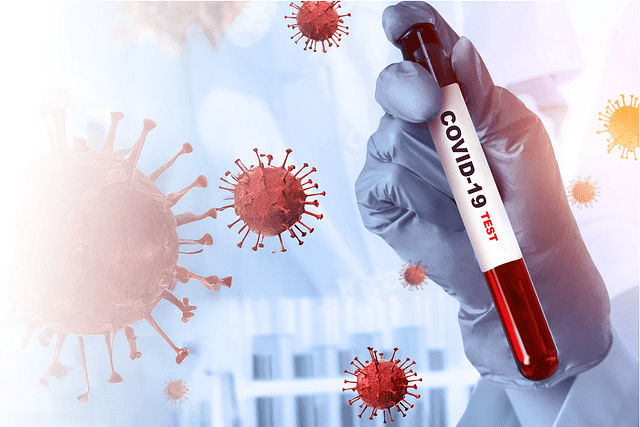
Coronavirus, also known as COVID-19, is a highly contagious respiratory illness caused by the SARS-CoV-2 virus. It was first identified in Wuhan, China, in December 2019 and has since spread globally, leading to a pandemic. Symptoms of coronavirus include fever, cough, and difficulty breathing. It spreads mainly through inhalation of infectious respiratory particles (droplets and aerosols), especially in poorly ventilated indoor settings or close contact.
 50
50Last updated on : 04 May, 2026
Read time : 12 mins
Overview of Disease
Coronavirus is a type of virus that belongs to the family Coronaviridae. These viruses are known to cause respiratory infections in humans and animals, ranging from mild to severe. The most recent outbreak of a coronavirus, known as SARS-CoV-2, has led to a global pandemic, causing COVID-19. The impact of the coronavirus on health has been significant, emphasising the importance of understanding the virus, its transmission, prevention, and treatment options.
What is a Coronavirus?
Coronaviruses are a family of viruses that can cause respiratory illnesses in humans and animals. They are named for their distinctive crown-like appearance, which is due to the presence of spike proteins on their surface. While some coronaviruses cause mild symptoms, such as those associated with the common cold, others can lead to more severe illnesses (Coerdt & Khachemoune, 2021). SARS-CoV-2, the virus responsible for COVID-19, is a novel coronavirus that had not been previously identified in humans. The exact origin of SARS-CoV-2 remains under investigation. The virus primarily spreads through respiratory droplets when an infected person coughs, sneezes, or talks, making it highly transmissible.
Key Factors about Coronavirus
| Category | Details |
| Also Referred to as | COVID, Coronavirus disease 2019, COVID-19 |
| Commonly Occurs In | Humans, animals |
| Affected Organ | Respiratory system, cardiovascular system, renal system, nervous system |
| Type | RNA virus, Severe acute respiratory syndrome coronavirus 2 (SARS-CoV-2) |
| Common Signs | Fever, cough, shortness of breath, fatigue, loss of taste or smell, muscle or body aches, sore throat, diarrhoea, headache, nausea or vomiting |
| Consulting Specialist | Infectious disease specialist, primary care physician |
| Treatment Procedures | Symptomatic and supportive care, oxygen therapy, antiviral medications, hospitalisation for severe cases |
| Managed By | Antivirals (remdesivir and nirmatrelvir); corticosteroids (dexamethasone); monoclonal antibodies (such as casirivimab and sotrovimab); and supportive medications (like acetaminophen and ibuprofen) |
| Mimicking Condition | Influenza, common cold, other respiratory infections |
Types of Coronavirus
Several types of coronaviruses can affect humans, each with varying degrees of severity. These include:
- Common human coronaviruses: These viruses cause mild to moderate upper respiratory symptoms, such as cough, fever, headache, runny nose, and sore throat. Examples include 229E, NL63, HKU1, and OC43.
- Severe acute respiratory syndrome (SARS): The virus is known for causing severe respiratory illness and is transmitted primarily through respiratory droplets. This coronavirus caused a deadly outbreak in 2003.
- Middle East respiratory syndrome (MERS): MERS-CoV, first identified in 2012, causes severe respiratory illness and has been associated with outbreaks in the Middle East. The virus is often linked to contact with camels and has a high mortality rate among infected individuals.
- SARS-CoV-2 (COVID-19): Identified in late 2019, SARS-CoV-2 is the virus responsible for the COVID-19 pandemic. It can lead to a range of symptoms, from mild respiratory issues to severe pneumonia and death. The virus spreads easily from person to person, prompting widespread public health measures globally.
Symptoms of Coronavirus
The symptoms of coronavirus disease 2019 (COVID-19) can vary from mild to severe and typically appear 2 to 14 days after exposure to the SARS-CoV-2 virus. Common symptoms include:
- Respiratory symptoms: A dry, persistent cough is often seen in COVID-19 patients. Many individuals also experience shortness of breath, which can range from mild discomfort to severe difficulty breathing. A sore throat, which can range from mild irritation to intense pain, is also common.
- Fever and chills: Fever is one of the most prevalent signs of COVID-19, often accompanied by chills. People may experience shivering or feeling cold, especially when a fever is present.
- Fatigue: General tiredness or a profound sense of weakness is frequently present. This fatigue can last for weeks, even after other symptoms have resolved.
- Muscle or body aches: Individuals may experience muscle soreness or general body aches, with the intensity varying from mild discomfort to severe pain.
- Loss of taste or smell: A sudden loss of smell or taste, known as anosmia, is a distinctive symptom for many people infected with the virus.
- Gastrointestinal symptoms: Some patients experience nausea or vomiting, while diarrhoea can occur, particularly in those experiencing more severe illness.
- Headache: Head pain, ranging from mild to severe, is often reported and can accompany other symptoms.
- Congestion or runny nose: Nasal congestion or a runny nose may be present, though these symptoms are less common compared to others.
- Skin rashes: Some individuals experience skin changes or rashes, although this is not as frequently observed.
- Severe symptoms: In cases of severe COVID-19, difficulty breathing, persistent chest pain, confusion, and bluish lips or face may occur. These signs indicate a need for immediate medical attention.
Causes of Coronavirus
COVID-19 is caused by the SARS-CoV-2 virus, which belongs to the coronavirus family. The virus primarily spreads through the following means:
- Airborne transmission: Breathing in air that contains COVID-19 particles or having these particles land directly on the mouth, nose, or eyes.
- Direct contact: Touching the mouth, nose, or eyes with hands that have the virus on them, either through direct contact with an infected person or by touching contaminated surfaces.
- Person-to-person transmission: When an infected individual breathes, speaks, coughs, sneezes, or sings, they release particles containing the virus into the surrounding environment.
Risk Factors
Certain factors can increase the risk of severe illness from COVID-19, including (CDC, 2025):
- Older age (65 years and above)
- Underlying health conditions like heart disease, lung disease, diabetes, chronic kidney disease, sickle cell disease, and obesity
- Weakened immune system from solid organ transplant, blood or bone marrow transplant, immune deficiencies, HIV, use of corticosteroids, or use of other immune-weakening medicines
- Pregnancy
- Smoking
- Substance use disorders
Complications
Complications from COVID-19 can range from mild to severe and may affect various organ systems in the body. Some of the most common complications include:
- Respiratory complications: COVID-19 can cause severe respiratory issues such as acute respiratory distress syndrome (ARDS), pneumonia, and respiratory failure. These complications can be life-threatening and may require intensive care, including mechanical ventilation.
- Cardiovascular complications: Patients with COVID-19 may be at an increased risk of cardiovascular events such as heart attacks, strokes, and arrhythmias due to the inflammatory response and the virus's impact on the cardiovascular system (Yu et al., 2024). Pre-existing cardiovascular conditions can increase the risk of these complications.
- Neurological complications: Some patients may develop neurological complications, including stroke, seizures, and encephalitis. These can be due to the direct effect of the virus on the nervous system or secondary to systemic inflammation.
- Multi-organ failure: In severe cases, COVID-19 can lead to multi-organ failure involving organs such as the kidneys, liver, and cardiovascular system. This is often seen in patients with underlying health conditions or those who are immunocompromised.
- Secondary infections: Patients with COVID-19 may be susceptible to secondary bacterial or fungal infections, such as pneumonia or sepsis.
- Long-term effects: Some patients may experience long-term effects such as fatigue, muscle pain, and cognitive impairment, often referred to as "long COVID" or post-acute COVID-19 syndrome.
Preventing complications involves early diagnosis, appropriate treatment, and careful management of the patient's condition.
Prevention of Coronavirus
Preventing the spread of coronavirus involves a combination of individual and community-level measures. Some effective ways to prevent COVID-19 transmission include:
- Getting vaccinated: COVID-19 vaccines have been shown to reduce the risk of infection and severe illness significantly. Vaccination is one of the most effective ways to prevent the spread of the virus.
- Wearing masks: Using face masks in public places, particularly in areas with high transmission rates, can help reduce the spread of the virus.
- Practising hand hygiene: Regularly washing hands with soap and water or using hand sanitiser can help prevent the transmission of the virus.
- Maintaining social distancing: Keeping physical distance from others, especially in crowded settings, can lower the risk of transmission.
- Enforcing travel restrictions: Limiting travel to and from areas with high transmission rates can help slow the spread of the virus.
Diagnosis & Tests
Diagnosing COVID-19 involves a combination of clinical assessment, laboratory tests, and imaging studies. The most common diagnostic tests include:
- Clinical evaluation: Doctors will assess a patient's symptoms and exposure history to determine if they meet the criteria for COVID-19 testing. Common symptoms include fever, cough, and difficulty breathing.
- RT-PCR tests: The reverse transcription-polymerase chain reaction (RT-PCR) test is considered the gold standard for diagnosing COVID-19. It involves collecting a sample from the nose or throat using a swab and testing it for the presence of viral genetic material.
- Rapid antigen tests: Antigen tests detect specific proteins from the SARS-CoV-2 virus in respiratory samples. While faster and more convenient than RT-PCR tests, they have a higher risk of false-negative results, especially in asymptomatic individuals or those early in the course of infection.
- Antibody tests: Antibody tests, also known as serology tests, detect antibodies produced by the immune system in response to the virus. They are not used for diagnosing active infection but can help determine if a person has had COVID-19 in the past.
- Imaging studies: In some cases, doctors may order chest X-rays or computed tomography (CT) scans to assess the extent of lung involvement and rule out other potential causes of the patient's symptoms.
If you test positive for COVID-19, your doctor will provide guidance on self-isolation, monitoring symptoms, and seeking medical care if necessary. They may also recommend testing for close contacts to prevent further spread of the virus.
Treatment & Management
The treatment and management of COVID-19 depend on the severity of symptoms, risk factors, and individual health status. Key therapeutic strategies include:
- Supportive Care: Managing symptoms such as fever, cough, and fatigue with over-the-counter medications like acetaminophen (paracetamol) or ibuprofen. Here is how they work:
- Acetaminophen: A common analgesic and antipyretic used to reduce fever and relieve sore throat pain in COVID-19.
- Ibuprofen: A nonsteroidal anti-inflammatory drug (NSAID) that helps relieve fever, inflammation, and throat pain.
- Antiviral Medications:
- Remdesivir: It inhibits viral replication and is recommended for hospitalised patients with moderate to severe disease.
- Nirmatrelvir + Ritonavir: These are oral antivirals that block viral replication and help prevent disease progression in high-risk, non-hospitalised patients.
- Molnupiravir: It introduces errors into the virus’s RNA, reducing its ability to multiply.
- Corticosteroids:
- Dexamethasone: It suppresses inflammation in patients needing oxygen or ventilatory support.
- Prednisolone or methylprednisolone: These reduce inflammation in patients unsuitable for dexamethasone.
- Immunomodulators:
- Tocilizumab (IL-6 receptor antagonist): It reduces severe inflammatory response in hospitalised patients.
- Baricitinib (JAK inhibitor): It modulates immune overactivation in severe cases of COVID-19.
- Monoclonal Antibodies:
- Sotrovimab or casirivimab + imdevimab: These neutralise the virus, though effectiveness may vary by variant.
- Oxygen Therapy and Ventilatory Support:
- For moderate to severe disease, supplemental oxygen, high-flow nasal cannula, or mechanical ventilation may be necessary to maintain adequate oxygenation.
- Anticoagulants:
- Hospitalised patients often receive low molecular weight heparin to prevent blood clots, as COVID-19 can increase thrombotic risk.
- Preventive Measures:
- Vaccines, such as mRNA vaccines or viral vector vaccines, significantly reduce the risk of severe disease. Booster doses enhance ongoing protection.
- Monitoring and Long COVID Management:
- Post-infection follow-up is important to detect lingering symptoms such as fatigue, brain fog, and respiratory issues. Multidisciplinary care may be required for persistent complications.
This layered approach to COVID-19 management ensures appropriate care from mild outpatient cases to critical illness, focusing on symptom control, viral suppression, and prevention of complications.
When to See a Doctor?
If you suspect that you have been exposed to the coronavirus or are experiencing symptoms such as fever, cough, difficulty breathing, loss of taste or smell, or fatigue, it is essential to contact your doctor for guidance. They may recommend testing, self-isolation, or further evaluation, depending on your individual circumstances. Additionally, if you experience severe symptoms, such as persistent chest pain or pressure, confusion, or difficulty staying awake, seek emergency medical care immediately.
Key Takeaways
- The COVID-19 pandemic, caused by the SARS-CoV-2 virus, has significantly impacted global health and economies.
- The virus spreads primarily through respiratory droplets and close contact with infected individuals.
- Common symptoms include fever, cough, and difficulty breathing, but some people may experience a wide range of other symptoms or be asymptomatic.
- Testing for COVID-19 involves PCR tests, antigen tests, and antibody tests.
- Treatment for COVID-19 depends on the severity of the illness and may include rest, symptom relief, oxygen therapy, antiviral medications, and corticosteroids.
- Variants of the virus have emerged, some of which may be more transmissible or cause more severe illness.
- Long COVID, or post-acute sequelae of COVID-19, can cause persistent symptoms and health issues for some individuals.
- Preventing the spread of the virus involves practising safety measures such as social distancing, wearing face masks, and frequent hand washing.
FAQs
What is the typical duration of COVID-19 illness in 2024?
What is the incubation period of the COVID-19 virus?
The World Health Organization states that the incubation period for COVID-19 ranges from 1 to 14 days, with most cases occurring within 5 to 6 days after exposure to the virus (World Health Organization).
What does COVID stand for?
What medicine to take for COVID?
How does a person contract COVID-19?
What causes coronavirus infection?
What is the typical duration of a COVID-19 infection?
How long have coronaviruses existed?
When did COVID start in India?
To which virus family does the coronavirus belong?
References
- Centers for Disease Control and Prevention. (2021, February 22). Symptoms of COVID-19. https://www.cdc.gov/coronavirus/2019-ncov/symptoms-testing/symptoms.html
- World Health Organization. (2021, April 12). Coronavirus disease (COVID-19). https://www.who.int/health-topics/coronavirus
- Coerdt, K. M., & Khachemoune, A. (2021). Coronaviruses: reaching far beyond the common cold. African Health Sciences, 21(1), 207–213. https://doi.org/10.4314/ahs.v21i1.27
- People with Certain Medical Conditions and COVID-19 Risk Factors. (2025, June 11). COVID-19. https://www.cdc.gov/covid/risk-factors/index.html
- Yu, L., Liu, Y., & Feng, Y. (2024). Cardiac arrhythmia in COVID‐19 patients. Annals of Noninvasive Electrocardiology, 29(2). https://doi.org/10.1111/anec.13105
- World Health Organization: WHO & World Health Organization: WHO. (2023b, August 9). Coronavirus disease (COVID-19). https://www.who.int/news-room/fact-sheets/detail/coronavirus-disease-(covid-19)

Browse Other Conditions
Latest health articles
Top Health Essentials



























Disclaimer
Top-Selling Medicines:
...View more
Top-OTC medicines:
...View more
Company
About UsHealth ArticleHealth StoriesHealth LibraryDiseases & Health ConditionsAyurvedaUnderstanding Generic MedicinesAll MedicinesAll BrandsNeed HelpFAQSecuritySavings CalculatorAdvertise with UsSubscribe
Registered Office Address
Grievance Officer
Download Truemeds


Contact Us
Our customer representative team is available 7 days a week from 9 am - 9 pm.
v4.28.11

2026 - Truemeds | All rights reserved. Our content is for informational purposes only. See additional information.

Our Payment Partners