

- Medicines
- Personal Care
- Skin Cream
- Sunscreen
- Face Wash
- Skin and Body Soap
- Acne Care
- Body Lotions
- Moisturising Lotion
- Moisturising Cream
- Mosquito Repellent
- Moisturising Gel
- Body Wash
- Hair Oils
- Hair Shampoo
- Hair Conditioners
- Hair Supplements
- Hair Colour
- Hair Serum
- Hair Mask
- Hair Solutions
- Baby Diapers and Wipes
- Baby Lotion and Moisturising Cream
- Baby Bath Essentials
- Baby Skin Care
- Baby and Infant Food
- Baby Healthcare
- Women Multivitamins
- Ovulation Test Kit and Women Intimate Care
- Sanitary Pads
- Nutritional Drinks
- Condoms
- Lubricants
- Massage Gels
- Personal Body Massagers
- Men Performance Booster
- Sexual Health Supplements
- Massage Oils
- Ayurveda
- Tooth Paste
- Mouth Ulcer Gel
- Mouthwash
- Toothache and Gum Pain
- Tooth Brush
- Gargle Solution
- Orthopaedic Supports
- Adult Diapers
- Footwear
- Mobility and Support Accessories
- Urinary Support and Care
- Health Conditions
- Bone and Joint Care
- Digestive Care
- Eye Care
- Pain Relief
- Smoking Cessation
- Liver Care
- Stomach Care
- Cold and Cough
- Heart Care
- Kidney Care
- Piles, Fissures & Fistula
- Respiratory Care
- Mental Wellness
- Derma Care
- Pre and Probiotics
- Acidity
- Gas
- Constipation
- Loose Motion/Diarrhoea
- Digestive Fibres
- Digestive Enzymes
- Eye Lubricant Drops
- Lens Solution
- Safety Eye Wear
- Eye Cream
- Eye Vitamins and Supplements
- Eye Drops
- Eye Ointment and Gel
- Nicotine Patch
- Nicotine Gum
- Nicotine Lozenges
- Cough Syrups
- Chest Rubs and Balms
- Nasal Spray
- Lozenges
- Inhalant Capsules
- Cold and Cough Tablets
- Vitamins & Supplements
- Diabetes Care
- Healthcare Devices
- Homeopathic Medicine
- Health Guide
Ear Infection
Ear infections are common conditions that can affect both children and adults, causing symptoms such as ear pain, hearing loss, and fever. They occur when bacteria or viruses infect the middle ear (otitis media), or less commonly, the outer ear canal (otitis externa). In middle ear infections, fluid often accumulates behind the eardrum. Treatment typically involves pain relief and observation; antibiotics are used when clinically indicated, according to NICE (2022).
 50
50Last updated on : 05 May, 2026
Read time : 16 mins

Overview of Disease
Ear infections are a prevalent health concern that can affect people of all ages, but they are especially common among young children. These infections occur when bacteria or viruses invade the middle ear, leading to inflammation and fluid accumulation behind the eardrum. It is essential to understand the causes, symptoms, and available treatment options for ear infections to ensure proper care and relief.
What is Ear Infection?
An ear infection is an inflammatory condition of the ear resulting from bacterial or viral infection. The middle ear is the air-filled space situated between the eardrum and the inner ear, containing the delicate bones responsible for transmitting sound vibrations from the eardrum to the inner ear.
Acute otitis media (AOM) is the most prevalent type of ear infection. It develops when bacteria or viruses infect the middle ear, causing inflammation and fluid buildup behind the eardrum. AOM often occurs as a complication of a cold, flu, or upper respiratory infection, which can facilitate the spread of bacteria to the middle ear via the Eustachian tube.
Key Factors about Ear Infection
| Category | Details |
| Also Referred as | Acute otitis media, middle ear infection |
| Commonly Occurs In | Children between 6 months and 2 years, though it can occur at any age |
| Affected Organ | The middle ear, specifically the space behind the eardrum |
| Type | Acute otitis media, chronic otitis media, otitis media with effusion |
| Common Signs | Ear pain, fever, fussiness, trouble sleeping, loss of appetite, tugging at the ear |
| Consulting Specialist | Ear, Nose, and Throat (ENT) doctor or otolaryngologist |
| Treatement Procedures | Pain relief medications, antibiotics, and ear tube surgery, in some cases |
| Managed By | Management depends on the cause and severity; antibiotics may be used when indicated |
| Mimiciking Condition | Otitis externa (swimmer's ear), otitis media with effusion (without infection) |
Early Signs of Ear Infection
Being aware of the early signs of an ear infection is essential for timely treatment and preventing potential complications. Here are some key indicators to watch out for:
- Ear pain: A sharp, stabbing sensation or a persistent, dull ache in one or both ears is a common early symptom of an ear infection.
- Discharge from the ear: Fluid or pus draining from the ear canal can be a sign of an infection.
- Difficulty hearing: An ear infection can cause muffled hearing or trouble responding to sounds.
- Fever: A high temperature, particularly in children, may accompany an ear infection.
- Tugging at the ear: Children often pull or tug at their ear due to discomfort or pain caused by an infection.
- Balance problems: Balance problems (e.g., dizziness or vertigo) can occur if the infection affects the inner ear or if there are particularly severe or complicated middle-ear infections, but these are not common in typical AOM.
- Irritability: Fussiness, restlessness, and a decreased appetite, especially in children, can be indicators of an ear infection.
Recognising these early signs can help you seek prompt medical attention, leading to effective ear infection treatment and relief from ear pain.
Symptoms of Ear Infection
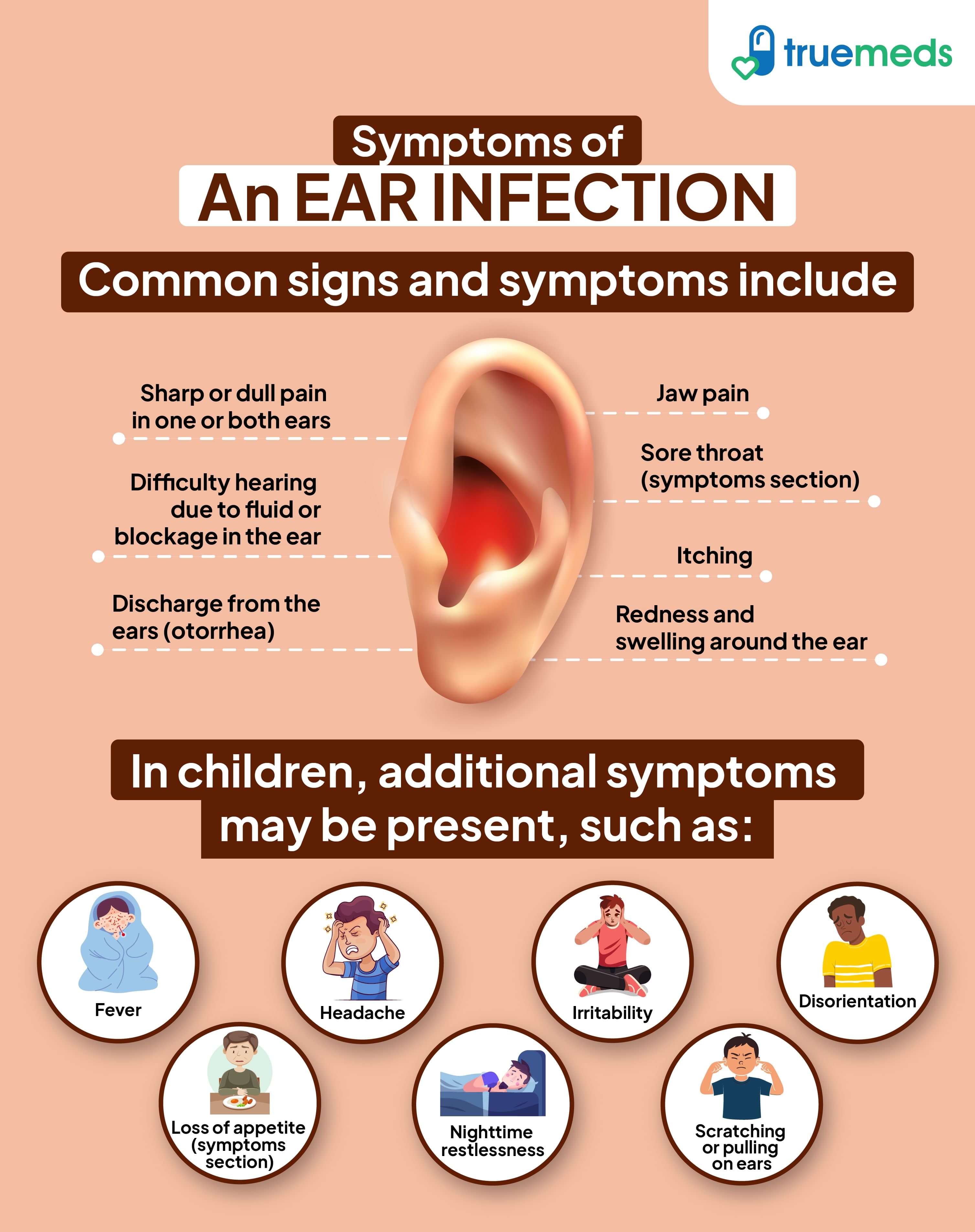
The symptoms of an ear infection can vary depending on the type of infection and the individual's age. Common signs and symptoms include:
- Ear pain: A sharp, stabbing pain or dull ache in one or both ears, often worse at night.
- Hearing loss: Mild hearing loss or muffled sound sensation due to fluid buildup in the middle ear.
- Ear discharge: Fluid or pus draining from the ear, especially if the eardrum has ruptured.
- Fever: A high temperature, usually above 38°C (100°F), indicating the presence of an infection.
- Headache: Pressure and discomfort from the infection can cause headaches.
- Loss of appetite: Discomfort and pain may lead to decreased appetite in both children and adults.
- Itchiness of the outer ear: Infections like otitis externa can cause itching in the outer ear.
- Blisters on the outer ear or ear canal: Some infections, such as herpes zoster, can cause small blisters.
- Vertigo: Inner ear infections like vestibular neuritis can cause sudden, severe vertigo and nausea.
- Noises in the ear: Buzzing or humming sounds may be heard due to the infection.
- Sore throat: Middle ear infections can cause a sore throat due to the Eustachian tube connection.
Stages of Ear Infection
Ear infections can progress through different stages, each with its own set of symptoms and treatment requirements. Recognising these stages of otitis media (middle ear infection) can help with proper management and prevention of complications.
- Acute Otitis Media (AOM): A sudden infection of the middle ear that occurs when bacteria or viruses infect the fluid behind the eardrum.
- Otitis Media with Effusion (OME): A condition where fluid remains in the middle ear after an ear infection has cleared, causing hearing problems and increasing the risk of new infections.
- Chronic Otitis Media with Effusion (COME): A condition where fluid remains in the middle ear for an extended period, leading to recurring infections and hearing problems, according to NICE (2023).
- Chronic Suppurative Otitis Media: A condition where the ear infection does not clear with treatment, leading to a hole in the eardrum and potentially causing permanent hearing loss.
Understanding the stages of ear infections is crucial for proper diagnosis and treatment. Healthcare professionals can determine the best course of action based on the severity and duration of the infection, which may include antibiotics, ear drops for pain, or other ear infection remedies.
Causes of Ear Infection
Ear infections are most commonly caused by bacteria or viruses that affect the middle ear. Several factors can contribute to the development of these infections, including:
- Blockage of the Eustachian Tubes: The Eustachian tubes connect the middle ear to the back of the throat, helping to regulate pressure and drain fluid from the ear. When these tubes become blocked, often due to colds, flu, allergies, or sinus infections, fluid can build up in the middle ear, creating an ideal environment for bacteria to grow and cause an infection.
- Bacterial Infections: The most common bacteria responsible for ear infections are Streptococcus pneumoniae and Haemophilus influenzae. These bacteria can multiply rapidly in the fluid-filled middle ear, leading to inflammation, pain, and other symptoms associated with ear infections.
- Viral Infections: Viruses can cause inflammation and swelling of the Eustachian tubes, making it difficult for fluid to drain from the middle ear. This buildup of fluid can then lead to a secondary bacterial infection, as the stagnant fluid provides a breeding ground for bacteria.
- Adenoid Swelling: The adenoids are small tissues located near the opening of the Eustachian tubes in the back of the throat. When these tissues become enlarged, often due to infections or allergies, they can block the Eustachian tubes and contribute to the development of ear infections, particularly in children.
- Age: Children between the ages of 6 months and 2 years are more susceptible to ear infections due to the size and shape of their Eustachian tubes, which are shorter and more horizontal than in adults. Additionally, their developing immune systems may not be as effective at fighting off infections.
- Environmental Factors: Exposure to secondhand smoke, changes in air pressure (such as during air travel), and poor air quality can all contribute to the development of ear infections by irritating the Eustachian tubes and making them more prone to blockage and inflammation.
Understanding these causes of ear infections can help parents and caregivers take steps to reduce the risk of infection, such as practising good hygiene, staying up-to-date with vaccinations, and avoiding exposure to environmental irritants. If an ear infection does occur, prompt diagnosis and appropriate treatment can help minimise the severity and duration of symptoms.
Risk Factors
Several factors can increase the likelihood of developing an ear infection. While ear infections can affect individuals of all ages, certain groups are more susceptible to this condition.
- Age: Children between 6 months and 2 years are more susceptible to ear infections due to the size and shape of their Eustachian tubes and their developing immune systems.
- Group child care: Exposure to more infections in group settings increases the risk of ear infections.
- Infant feeding: Bottle-fed babies, especially when fed lying down, are at a higher risk compared to breast-fed babies.
- Seasonal factors: Ear infections are more common during fall and winter when colds and flu are prevalent.
Complications
Ear infections, while often resolving on their own, can lead to several complications if not managed properly:
- Mastoiditis: An infection that spreads to the mastoid bone behind the ear, potentially causing damage and pus-filled cysts. Symptoms include redness, pain, swelling behind the ear, and the ear being pushed forward.
- Meningitis: A rare but serious complication where the infection spreads to the membranes surrounding the brain, causing severe headache, high fever, neck stiffness, and altered mental status.
- Brain Abscess: A potentially life-threatening complication involving pus accumulation in the brain, leading to headache, fever, nausea, vomiting, and neurologic deficits.
- Hearing Loss: Repeated ear infections or persistent fluid in the middle ear can result in significant, sometimes permanent, hearing loss.
- Facial Paralysis: In rare cases, the infection can spread to the facial nerve, causing paralysis of the facial muscles.
- Eardrum Tears: The pressure from the infection can cause the eardrum to burst, though most tears heal within 72 hours. Surgical repair may be necessary in some cases.
- Glue ear (serous otitis media): Fluid remains in the middle ear after an infection, affecting hearing and language development. Treatment may involve observation, hearing monitoring, or the insertion of grommets to drain the fluid.
Proper management of ear infections is crucial to prevent these complications and ensure prompt treatment if they occur.
Prevention of Ear Infection
While not all ear infections can be prevented, several measures can reduce the risk:
- Practice good hygiene: Regularly washing your hands, especially during cold and flu season, can reduce the transmission of infections that can lead to ear infections.
- Avoid exposure to secondhand smoke: Exposure to secondhand smoke can increase the risk of ear infections, particularly in children.
- Breastfeeding infants: Breastfeeding provides antibodies that help protect against infections, including ear infections.
- Vaccinate: Ensure your child receives all recommended vaccinations, such as the pneumococcal conjugate vaccine and the influenza vaccine, which can help prevent ear infections.
- Avoid bottle-feeding while lying down: When bottle-feeding an infant, hold the baby at a 45-degree angle to prevent fluid from pooling in the ear, which can lead to an infection.
- Manage allergies: Allergies can cause inflammation in the ear, increasing the risk of infection. Properly managing allergies through medications or environmental changes can help prevent ear infections.
- Use earplugs when swimming: Wearing earplugs or a swim cap can help prevent water from entering the ear canal, reducing the risk of swimmer's ear.
By adopting these preventive measures, you can reduce your risk of developing an ear infection and the potential complications associated with it. If you or your child experiences symptoms of an ear infection, such as earache, fever, or hearing loss, consult a healthcare professional for prompt diagnosis and appropriate treatment.
Diagnosis & Tests
If you suspect you or your child has an ear infection, it's important to see a healthcare provider for proper diagnosis and treatment. The doctor will typically use an otoscope, a lighted instrument, to look inside the ear and check for signs of infection, such as redness, swelling, or fluid buildup behind the eardrum. They may also check for any tenderness or pain in the ear by gently pulling on the earlobe or applying pressure to the area around the ear.
In some cases, additional tests may be needed to determine the severity or underlying cause of the infection. This can include tympanometry, which measures how well the eardrum moves in response to changes in air pressure, or audiometry, which assesses hearing ability. If a chronic or recurrent ear infection is suspected, the doctor may recommend imaging tests, such as a CT scan or MRI, to check for any structural abnormalities or other issues in the ear or surrounding areas.
Treatment & Management
The treatment of ear infections depends on the type and severity of the infection, as well as the individual’s age and overall health. Common treatment options include:
1. Antibiotics
- If a bacterial cause is suspected in acute otitis media, first-line antibiotics such as high-dose amoxicillin are typically preferred; fluoroquinolones (e.g., ciprofloxacin, ofloxacin) are generally reserved for specific, uncommon scenarios under specialist guidance.
- Aminoglycoside antibiotics (e.g., gentamicin, neomycin, tobramycin) are not routinely used for middle ear infections owing to their ototoxic potential; such agents may only be considered in specific, complicated cases under specialist supervision.
2. Pain Relievers
- Over-the-counter pain medications like acetaminophen or ibuprofen help reduce pain and fever associated with ear infections.
3. Ear Drops
- Prescription antibiotic ear drops, such as ciprofloxacin or ofloxacin, may be recommended for outer ear infections (otitis externa).
- Steroid-containing drops like dexamethasone or beclomethasone can help reduce inflammation and swelling in the ear canal.
- If the infection is in the ear canal (otitis externa) and a fungal pathogen is identified, antifungal ear drops (such as clotrimazole) may be prescribed; fungal infections of the middle ear are rare and require specialist evaluation.
4. Watchful Waiting
- In mild cases, especially in older children, a ‘watchful waiting’ strategy may be adopted — guided by clinical guidelines — where symptoms are monitored for 48–72 hours before starting antibiotics, if there is no improvement or if the patient worsens.
5. Surgical Intervention
- In recurrent or persistent ear infections (e.g., multiple AOM episodes or chronic effusion), surgical intervention such as myringotomy with tympanostomy tube insertion may be considered to ventilate the middle ear and reduce recurrence risk.
Following the prescribed treatment plan and attending follow-up appointments are essential to ensure proper healing and prevent complications.
Living with Disease
When living with an ear infection, it is important to:
- Manage pain regularly using appropriate pain relievers and ear drops (if prescribed) as recommended by your healthcare provider.
- Follow the prescribed antibiotic regimen, if applicable, to ensure complete resolution of the infection and prevent antibiotic resistance.
- Keep the affected ear dry and avoid swimming or submerging the head in water until the infection has cleared.
- Use a warm compress on the affected ear to help alleviate pain and discomfort.
- Elevate your head while sleeping to promote drainage and reduce pressure in the ear.
- Avoid smoking or exposure to secondhand smoke, as this can exacerbate ear infections.
- Attend follow-up appointments to monitor the infection and ensure proper healing.
When to See a Doctor?
Seek medical attention if you or your child experiences:
- Severe ear pain or persistent pain lasting more than 1–2 days
- Fever, particularly in children (100.4°F [38°C] or higher in infants under 3 months, 101°F [38.3°C] or higher in older infants and children)
- Discharge of fluid, pus, or blood from the ear
- Hearing loss or muffled hearing in the affected ear
- Dizziness or vertigo accompanying the ear infection
- Swelling, redness, or tenderness in the area behind the ear, which may indicate a more serious infection
Prompt diagnosis and treatment of ear infections can help prevent complications and promote faster recovery. Your healthcare provider will perform a physical examination and may use tools like an otoscope or tympanometer (for tympanometry) to assess the eardrum and middle ear. In some cases, imaging tests or ear swabs may be necessary to determine the cause and severity of the infection, guiding the most appropriate treatment approach.
Key Takeaways
- Ear infections are common, particularly in children, and can cause significant discomfort and pain.
- Symptoms of an ear infection may include earache, fever, headache, difficulty hearing, and fluid drainage from the ear.
- Most ear infections are caused by bacterial or viral infections in the middle ear, a condition known as acute otitis media.
- Doctors diagnose ear infections through physical examination, medical history, and sometimes additional tests like tympanometry or audiometry.
- Treatment for ear infections typically involves pain relief medications, such as acetaminophen or ibuprofen, and in some cases, antibiotics if a bacterial infection is present.
- Home remedies like warm compresses, over-the-counter pain relief measures, and rest can help alleviate symptoms and promote recovery.
- Preventive measures, such as proper hygiene, avoiding tobacco smoke, and staying up-to-date with vaccinations, can reduce the risk of developing ear infections.
- If symptoms persist or worsen, it is essential to seek medical attention for proper diagnosis and treatment to prevent complications.
By understanding the causes, symptoms, and treatment options for ear infections, individuals can take proactive steps to manage this common health issue effectively. Prompt medical care and following the prescribed treatment plan are crucial for a speedy recovery and preventing potential complications associated with untreated ear infections.
FAQs
What are some effective ways to treat an ear infection?
Can an ear infection resolve on its own without treatment?
What are the primary factors that contribute to ear infections?
How can you determine if you have an ear infection at home?
What are some effective ways to alleviate ear pain?
Are there any specific beverages that can help with an ear infection?
What is the best sleeping position for someone with an ear infection?
How can you open up a blocked ear caused by an infection?
What methods can be used to remove fluid from the ear?
Which medications are most effective for treating ear infections?
References
- Morrell, J., et al. (2025). Interventions to Minimize Unnecessary Antibiotic Use for Acute Otitis Media: A Meta-Analysis. Children, 12(10), 1408. https://doi.org/10.3390/children12101408
- Zhang, X., et al. (2023). Comparative efficacy and optimal duration of first-line antibiotic regimens for acute otitis media in children and adolescents: a systematic review and network meta-analysis. Journal of the Pediatric Infectious Diseases Society. https://pubmed.ncbi.nlm.nih.gov/37016201/
- National Institute for Health and Care Excellence (NICE). (2022). Otitis media (acute): antimicrobial prescribing. NICE Guideline NG91, Updated March 2022. https://www.nice.org.uk/guidance/ng91
- National Institute for Health and Care Excellence (NICE). (2023). Otitis media with effusion in under 12s: surgery (update: non-surgical management). NICE Guideline NG233, Published August 2023. https://www.nice.org.uk/guidance/ng233
Check Related Salts
Browse Other Conditions
Latest health articles

Top Health Essentials





























Disclaimer
Top-Selling Medicines:
...View more
Top-OTC medicines:
...View more
Company
About UsHealth ArticleHealth StoriesHealth LibraryDiseases & Health ConditionsAyurvedaUnderstanding Generic MedicinesAll MedicinesAll BrandsNeed HelpFAQSecuritySavings CalculatorAdvertise with UsSubscribe
Registered Office Address
Grievance Officer
Download Truemeds


Contact Us
Our customer representative team is available 7 days a week from 9 am - 9 pm.
v4.28.20

2026 - Truemeds | All rights reserved. Our content is for informational purposes only. See additional information.

Our Payment Partners