

- Medicines
- Personal Care
- Skin Cream
- Sunscreen
- Face Wash
- Skin and Body Soap
- Acne Care
- Body Lotions
- Moisturising Lotion
- Moisturising Cream
- Mosquito Repellent
- Moisturising Gel
- Body Wash
- Hair Oils
- Hair Shampoo
- Hair Conditioners
- Hair Supplements
- Hair Colour
- Hair Serum
- Hair Mask
- Hair Solutions
- Baby Diapers and Wipes
- Baby Lotion and Moisturising Cream
- Baby Bath Essentials
- Baby Skin Care
- Baby and Infant Food
- Baby Healthcare
- Women Multivitamins
- Ovulation Test Kit and Women Intimate Care
- Sanitary Pads
- Nutritional Drinks
- Condoms
- Lubricants
- Massage Gels
- Personal Body Massagers
- Men Performance Booster
- Sexual Health Supplements
- Massage Oils
- Ayurveda
- Tooth Paste
- Mouth Ulcer Gel
- Mouthwash
- Toothache and Gum Pain
- Tooth Brush
- Gargle Solution
- Orthopaedic Supports
- Adult Diapers
- Footwear
- Mobility and Support Accessories
- Urinary Support and Care
- Health Conditions
- Bone and Joint Care
- Digestive Care
- Eye Care
- Pain Relief
- Smoking Cessation
- Liver Care
- Stomach Care
- Cold and Cough
- Heart Care
- Kidney Care
- Piles, Fissures & Fistula
- Respiratory Care
- Mental Wellness
- Derma Care
- Pre and Probiotics
- Acidity
- Gas
- Constipation
- Loose Motion/Diarrhoea
- Digestive Fibres
- Digestive Enzymes
- Eye Lubricant Drops
- Lens Solution
- Safety Eye Wear
- Eye Cream
- Eye Vitamins and Supplements
- Eye Drops
- Eye Ointment and Gel
- Nicotine Patch
- Nicotine Gum
- Nicotine Lozenges
- Cough Syrups
- Chest Rubs and Balms
- Nasal Spray
- Lozenges
- Inhalant Capsules
- Cold and Cough Tablets
- Vitamins & Supplements
- Diabetes Care
- Healthcare Devices
- Homeopathic Medicine
- Health Guide
Bacterial Infection
Bacterial infections are diseases caused by germs (bacteria) that can affect various parts of the body, including the skin, lungs, brain, and blood. These bacteria grow and sometimes release harmful substances that make you sick. Common bacterial infections include urinary tract infections (UTIs), food poisoning, some sexually transmitted infections (STIs), and infections of the skin, sinuses, and ears. Doctors usually treat them with antibiotics.
 50
50Last updated on : 26 May, 2026
Read time : 13 mins
Overview of Disease
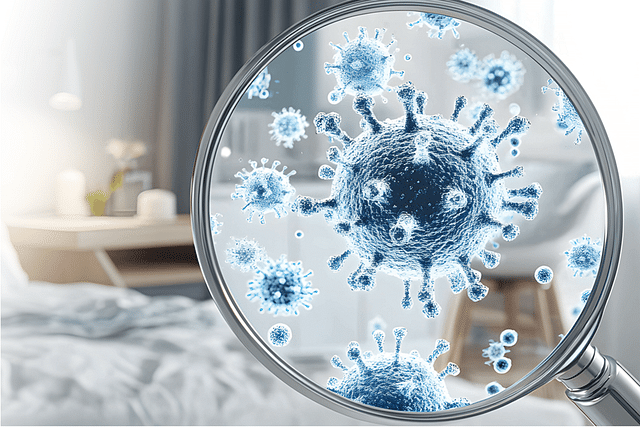
Bacterial infections are a common cause of illness worldwide. They occur when disease-causing bacteria enter the body, multiply, and damage tissues and organs. These infections can range from mild to severe and affect people of all ages. Understanding the causes, symptoms, and treatment options for bacterial infections is essential for maintaining good health.
What is Bacterial Infection?
Bacterial infections are caused by single-celled microorganisms called bacteria, which can thrive both inside and outside the human body. When harmful bacteria enter the body and multiply, they can cause a range of symptoms and health issues. Bacterial infections can affect various parts of the body, including the throat, lungs, skin, and intestines. Their severity can vary from mild to life-threatening. Prompt diagnosis and treatment are essential to prevent complications and ensure a full recovery.
Key Factors about Bacterial Infection
| Category | Details |
| Also Referred as | Bacterial disease is an infection caused by bacteria |
| Commonly Occurs In | Skin, Lungs, Throat, Bowel, Urinary tract, Other parts of the body |
| Affected Organ | Skin, Lungs, Throat, Bowel, Urinary tract, Brain, Blood, and Other organs |
| Type | Pathogenic bacterial infections |
| Common Signs | Fever, Fatigue, Swollen lymph nodes, Headache, Nausea, Vomiting |
| Consulting Specialist | General Practitioner (GP), Infectious Disease Specialist |
| Treatment Procedures | Antibiotics to disrupt bacterial metabolic processes, and supportive care for severe cases |
| Managed By | Antibiotics, Hospitalisation for severe cases |
| Mimicking Condition | Viral infections, Fungal infections |
Types of Bacterial Infection
Bacterial infections can affect various parts of the body, resulting in a wide range of conditions. Some common types include:
- Respiratory Tract Infections: These affect the lungs and airways, causing illnesses such as pneumonia, bronchitis, and strep throat.
- Urinary Tract Infections (UTIs): UTIs occur when bacteria enter the urinary system, infecting the bladder, kidneys, or urethra.
- Skin Infections: Bacterial infections of the skin range from minor issues, such as impetigo, to more serious conditions, including cellulitis.
- Gastrointestinal Infections: These include food poisoning and other digestive infections caused by bacteria like Salmonella, E. coli, and Campylobacter (MedlinePlus Medical Encyclopedia).
- Sexually Transmitted Infections (STIs): Certain STIs, such as chlamydia, gonorrhea, and syphilis, are caused by bacteria.
- Meningitis: A severe infection affecting the protective membranes around the brain and spinal cord.
- MRSA (Methicillin-resistant Staphylococcus aureus): This antibiotic-resistant bacterium can cause infections in the blood, bones, heart, and lungs CDC (2025).
Recognising the signs and symptoms of these bacterial infections is crucial for seeking prompt medical attention and receiving appropriate treatment.
Symptoms of Bacterial Infection
Symptoms of bacterial infections vary depending on the part of your body that is infected. The most common symptom is usually fever, except for skin infections, which often cause redness or pain in the affected area. Other common symptoms include:
- Fever
- Fatigue or feeling tired
- Swollen lymph nodes in the neck, armpits, groin, or other areas
- Headache
- Nausea or vomiting
- Redness, pain, or swelling on the skin (in the case of skin infections)
- Difficulty breathing (for lung infections)
- Persistent cough, or coughing up blood or pus
- Frequent vomiting and trouble keeping liquids down
- Severe abdominal pain
- Blood or mucus in the stool
- Discomfort when urinating or urine that is smelly, cloudy, or contains blood
How Do Bacterial Infections Affect Your Body?
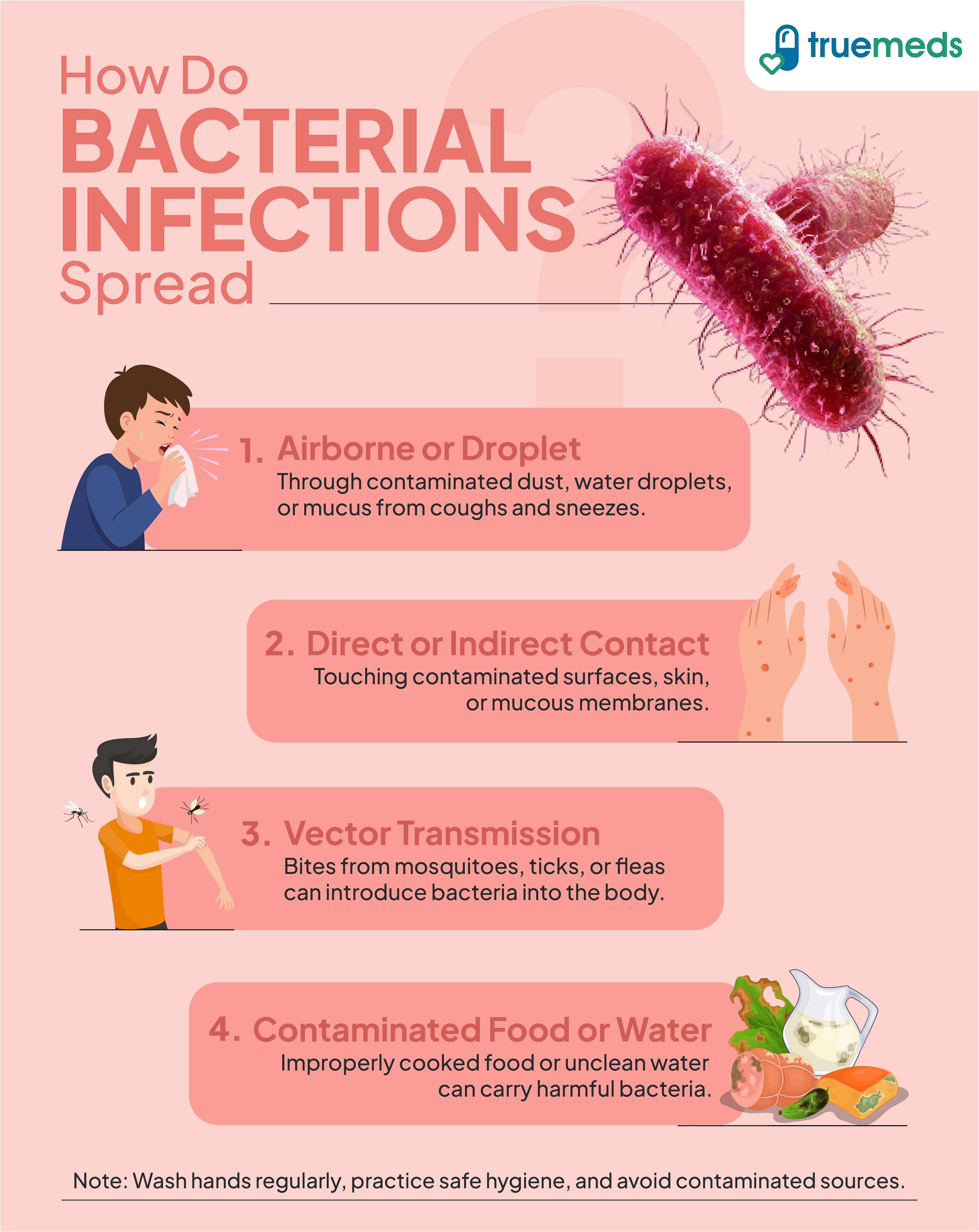
The impact of bacterial infections on the body can vary depending on the specific type of bacteria involved and the location of the infection. Different parts of the body can be affected, including the skin, lungs, brain, blood, and other organs. Here are some examples of how bacterial infections can affect the body:
- Skin Infections: Bacterial skin infections can cause symptoms such as redness, pain, swelling, and skin peeling. Examples include cellulitis, impetigo, and folliculitis.
- Lung Infections: When bacteria infect the lungs, they can cause conditions like pneumonia. This can lead to difficulty breathing, chest pain, and coughing up blood or pus.
- Blood Infections: If bacteria enter the bloodstream, they can cause a severe condition known as sepsis. Sepsis is a life-threatening response to infection that can lead to organ failure and even death if not treated promptly.
- Brain Infections: Certain bacterial infections can affect the brain and its surrounding membranes, resulting in conditions such as meningitis. Meningitis is an inflammation of the protective membranes that cover the brain and spinal cord, which can cause headaches, fever, a stiff neck, and confusion.
Bacterial infections can also affect the digestive, urinary, and reproductive systems. Prompt diagnosis and appropriate treatment are crucial in managing bacterial infections and preventing complications.
Stages of Bacterial Infection
The stages of a bacterial infection include:
- Incubation Period: The incubation period is the time between initial exposure to the bacteria and the onset of symptoms. This stage can vary depending on the type of bacteria and the individual's immune system.
- Prodromal Period: Early, non-specific symptoms characterise the prodromal period as the bacteria begin to multiply and the immune system starts to respond.
- Acute Period: The acute period, also referred to as the illness stage, is characterised by the active multiplication of bacteria, resulting in more pronounced symptoms. This is the stage when most people seek medical attention.
- Decline Period: The decline period occurs when the number of bacteria starts to decrease, either due to the body's immune response or the use of antibiotics. Symptoms begin to resolve during this stage.
- Convalescence Period: This is the final stage of the infection, during which the patient gradually recovers and returns to normal health. However, some individuals may still be contagious during this stage.
Causes of Bacterial Infection
Bacterial infections happen when harmful bacteria enter and multiply in your body. This can occur in many ways, including:
- Through cuts or breaks in the skin, allowing bacteria to enter and cause infections
- Consuming contaminated food or water that carries harmful bacteria
- Eating unpasteurised dairy products that may contain bacteria
- Inhaling droplets from an infected person’s cough or sneeze
- Touching contaminated surfaces and then touching your eyes, nose, or mouth
- Coming into contact with infected blood or bodily fluids
- Exposure to floodwater or items affected by flooding, which can carry bacteria
- Insect bites from ticks, mosquitoes, or fleas that carry bacteria
- Medical procedures, such as surgery or intubation, that may introduce bacteria into the body
- Through sexual contact (oral, anal, or vaginal sex) with an infected person
Risk Factors
Several factors can increase the risk of developing bacterial infections. Patients who are severely or critically ill, especially those with COVID-19, are at a higher risk. The use of systemic steroids has also been identified as a significant risk factor. Other factors include:
- The use of invasive devices, such as endotracheal tubes and central venous catheters, which can act as entry points for bacteria
- Poor sanitation, lack of formal toilet facilities, and inadequate handwashing facilities, particularly in neonates and infants
- Preterm birth, male sex, premature rupture of membranes (PROM), and fewer antenatal care visits for infants and their mothers
Complications
If left untreated, bacterial infections can lead to serious complications. Sepsis is a life-threatening condition where the immune system damages the body’s own tissues in response to an infection. It can cause shock, organ failure, and potentially death. Bacteria entering the bloodstream can cause septicaemia (bloodstream infection), a serious blood infection. Severe bacterial infections can cause organ damage and failure if left untreated.
Untreated skin infections can spread and cause cellulitis, a serious, spreading skin infection. Deep-seated infections in the blood, heart, lungs, or brain can be life-threatening. Early diagnosis and appropriate treatment are crucial for preventing these complications and ensuring a better outcome for patients with bacterial infections.
Prevention of Bacterial Infection
Preventing bacterial infections is crucial to reducing the burden on healthcare systems and enhancing public health. Here are some key pointers for preventing bacterial infections:
- Good Hygiene: Regular hand washing with soap and clean water is crucial to prevent the spread of bacterial infections.
- Proper Use of Antibiotics: Avoiding unnecessary antibiotic use and adhering to proper antibiotic stewardship practices can help reduce the risk of antibiotic resistance.
- Avoid Contact with Contaminated Food and Water: Ensuring that food and water are clean and free from contamination can help prevent gastrointestinal infections.
- Avoid Close Contact with Infected Individuals: Maintaining a safe distance from individuals with bacterial infections can help prevent the spread of the infection.
Diagnosis & Tests
Accurate diagnosis of bacterial infections is crucial for appropriate treatment and management. Here are some key pointers for the diagnosis and testing of bacterial infections:
- Physical Examination: A thorough physical examination by a healthcare professional can help identify signs and symptoms of bacterial infections.
- Blood Tests: Blood tests, such as a complete blood count (CBC) and C-reactive protein (CRP) test, can help detect the presence of an infection and assess its severity.
- Culture Tests: Culture tests involve taking a sample of infected tissue or fluid and growing the bacteria in a laboratory. It helps to identify the specific type of bacteria causing the infection.
- Imaging Tests: Imaging tests, such as X-rays, CT scans, or MRI scans, can help visualise the extent and location of the infection.
- Molecular Tests: Molecular tests, such as polymerase chain reaction (PCR) tests, can detect the presence of bacterial DNA in a sample and provide rapid results.
Doctors may take samples of body fluids or tissues to check for infections by looking for specific signs, such as antibodies or antigens. A lab technician might also try to grow bacteria from these samples. Common samples include:
- Skin or affected tissue
- Blood
- Mucus from the lungs (sputum)
- Fluid around the brain and spine (cerebrospinal fluid (CSF))
- Urine
- Eye secretions
- Stool
Treatment & Management
1. Antibiotics for Bacterial Infections
- Sulfonamides, such as sulfadiazine, sulfamethoxazole, and sulfadoxine, are used to treat bacterial infections, including urinary tract infections (UTIs) and toxoplasmosis. Special-purpose sulfonamides, such as mafenide and silver sulfadiazine, are used to treat burns and skin infections, while sulfasalazine is used for inflammatory bowel diseases. Quinolones like ciprofloxacin, levofloxacin, and moxifloxacin target respiratory, urinary, and gastrointestinal infections.
- Beta-lactam antibiotics, including penicillin V and methicillin, combat streptococcal and staphylococcal infections, while extended-spectrum penicillins such as amoxicillin and piperacillin are used to manage broader infections. Beta-lactamase inhibitors like clavulanic acid enhance the effectiveness of penicillins.
- Cephalosporins range from the first to the fourth generation, treating pneumonia, meningitis, and sepsis. Carbapenems like imipenem and meropenem are reserved for severe infections.
- Tetracyclines, including doxycycline and minocycline, are effective against acne, Lyme disease, and respiratory infections.
- Chloramphenicol is used for typhoid fever and meningitis.
- Aminoglycosides, such as gentamicin and amikacin, treat severe Gram-negative infections, while neomycin is used topically.
- Macrolides like erythromycin and clarithromycin help treat respiratory and skin infections.
- Lincosamides such as clindamycin target anaerobic bacteria.
- Glycopeptides like vancomycin are used to manage resistant infections like MRSA.
- Linezolid is effective against multidrug-resistant Gram-positive infections.
- Other antibiotics, such as mupirocin, treat skin infections, while polypeptides like polymyxin B and colistin target multidrug-resistant bacteria.
- Nitrofurans like nitrofurantoin are used for UTIs, while nitroimidazoles such as metronidazole treat anaerobic infections and protozoal diseases.
- Nicotinic acid derivatives, such as isoniazid and pyrazinamide, are essential in tuberculosis treatment.
2. Specific Treatments for Certain Bacterial Infections
Some bacterial infections require targeted treatments:
- Bacterial Meningitis: Can be prevented with vaccines and requires urgent antibiotic treatment.
- C. diff Infection: Often caused by prolonged antibiotic use, leading to severe diarrhoea.
- MRSA (Methicillin-resistant Staphylococcus aureus): Requires special antibiotic management due to resistance. (Siddiqui & Koirala, 2023)
- Pneumonia: Some bacterial types are preventable through vaccines.
- Salmonella Infection: Managed primarily with symptom relief, with antibiotics used in severe cases.
3. Pain and Fever Management
Pain and fever-relieving medications help provide comfort during infections. Commonly used medications include:
4. Antibiotic Resistance and Alternative Therapies
Overuse of antibiotics has led to resistance, making bacterial infections harder to treat. Alternative treatments, such as antivirulence therapy, phage therapy, and microbiome manipulation, are being explored as potential solutions to combat resistant bacteria. Proper antibiotic use and alternative approaches play a crucial role in managing bacterial infections effectively.
Living with Bacterial Infection
Preventing bacterial infections is key to maintaining good health. Some effective preventive measures include:
- Practising good hand hygiene by washing hands frequently with soap and water
- Avoiding close contact with individuals who are sick
- Ensuring that food is cooked properly and stored safely to prevent foodborne illnesses
- Staying up to date with recommended vaccinations
In addition to personal hygiene, proper sanitation and safe food handling practices can help reduce the spread of bacterial infections. If you are diagnosed with a bacterial infection, it is crucial to closely monitor your symptoms. Follow up with your doctor if your symptoms do not improve or worsen despite treatment. Seek immediate medical attention if you experience severe symptoms such as:
- High fever (above 38.9°C or 102°F)
- Difficulty breathing
- Rapid heartbeat
- Severe pain or swelling at the site of infection
Living with a bacterial infection can be challenging, especially if it is severe or prolonged. It is important to take care of your mental and emotional well-being during this time. Seek support from friends, family, or mental health professionals if you are struggling to cope with the stress of your condition.
When to See a Doctor?
If you suspect that you have a bacterial infection, it is important to consult your doctor promptly. Some signs that you should seek medical attention include:
- Persistent symptoms that do not improve with over-the-counter treatments
- Severe symptoms such as high fever, difficulty breathing, or rapid heartbeat
- Signs of a serious infection, such as severe pain, swelling, or redness at the site of the infection
- Recurrent infections or infections that do not respond to initial treatment
FAQs
What exactly is a bacterial infection?
What are the typical symptoms of bacterial infections?
How do bacterial infections typically spread?
What are some of the most prevalent bacterial infections?
How are bacterial infections usually diagnosed?
What is the standard treatment approach for bacterial infections?
How do bacterial and viral infections differ?
Can bacterial infections be prevented?
Are all bacterial infections contagious?
What could happen if a bacterial infection is left untreated?
References
- National Health Service. (n.d.). Antibiotics. https://www.nhs.uk/medicines/antibiotics/
- MedlinePlus. (n.d.). Bacterial infections. https://medlineplus.gov/bacterialinfections.html
- Sepsis Alliance. (n.d.). Bacterial infections. https://www.sepsis.org/sepsisand/bacterial-infections/
- Siddiqui, A. H., & Koirala, J. (2023). Methicillin-Resistant Staphylococcus aureus. StatPearls. https://www.ncbi.nlm.nih.gov/books/NBK482221/
- Centers for Disease Control and Prevention. (2025). Methicillin-resistant Staphylococcus aureus (MRSA). https://www.cdc.gov/mrsa/about/index.html

Check Related Salts
Latest health articles
Top Health Essentials













Disclaimer
Top-Selling Medicines:
...View more
Top-OTC medicines:
...View more
Company
About UsHealth ArticleHealth StoriesHealth LibraryDiseases & Health ConditionsAyurvedaUnderstanding Generic MedicinesAll MedicinesAll BrandsNeed HelpFAQSecuritySavings CalculatorAdvertise with UsSubscribe
Registered Office Address
Grievance Officer
Download Truemeds


Contact Us
Our customer representative team is available 7 days a week from 9 am - 9 pm.
v4.28.14

2026 - Truemeds | All rights reserved. Our content is for informational purposes only. See additional information.

Our Payment Partners




