

- Medicines
- Personal Care
- Skin Cream
- Sunscreen
- Face Wash
- Skin and Body Soap
- Acne Care
- Body Lotions
- Moisturising Lotion
- Moisturising Cream
- Mosquito Repellent
- Moisturising Gel
- Body Wash
- Hair Oils
- Hair Shampoo
- Hair Conditioners
- Hair Supplements
- Hair Colour
- Hair Serum
- Hair Mask
- Hair Solutions
- Baby Diapers and Wipes
- Baby Lotion and Moisturising Cream
- Baby Bath Essentials
- Baby Skin Care
- Baby and Infant Food
- Baby Healthcare
- Women Multivitamins
- Ovulation Test Kit and Women Intimate Care
- Sanitary Pads
- Nutritional Drinks
- Condoms
- Lubricants
- Massage Gels
- Personal Body Massagers
- Men Performance Booster
- Sexual Health Supplements
- Massage Oils
- Ayurveda
- Tooth Paste
- Mouth Ulcer Gel
- Mouthwash
- Toothache and Gum Pain
- Tooth Brush
- Gargle Solution
- Orthopaedic Supports
- Adult Diapers
- Footwear
- Mobility and Support Accessories
- Urinary Support and Care
- Health Conditions
- Bone and Joint Care
- Digestive Care
- Eye Care
- Pain Relief
- Smoking Cessation
- Liver Care
- Stomach Care
- Cold and Cough
- Heart Care
- Kidney Care
- Piles, Fissures & Fistula
- Respiratory Care
- Mental Wellness
- Derma Care
- Pre and Probiotics
- Acidity
- Gas
- Constipation
- Loose Motion/Diarrhoea
- Digestive Fibres
- Digestive Enzymes
- Eye Lubricant Drops
- Lens Solution
- Safety Eye Wear
- Eye Cream
- Eye Vitamins and Supplements
- Eye Drops
- Eye Ointment and Gel
- Nicotine Patch
- Nicotine Gum
- Nicotine Lozenges
- Cough Syrups
- Chest Rubs and Balms
- Nasal Spray
- Lozenges
- Inhalant Capsules
- Cold and Cough Tablets
- Vitamins & Supplements
- Diabetes Care
- Healthcare Devices
- Homeopathic Medicine
- Health Guide
Anal Fissure
An anal fissure is a small tear or crack in the lining of the anus, causing pain and bleeding during bowel movements. According to the National Health Service (NHS, 2023), this condition is common and can affect people of all ages, although it is more prevalent in infants and middle-aged adults (15–40 years old). Anal fissures are typically categorised as acute (<6 weeks) or chronic (lasting >6 weeks), depending on their duration and healing process.
 50
50Last updated on : 16 Sep, 2026
Read time : 15 mins
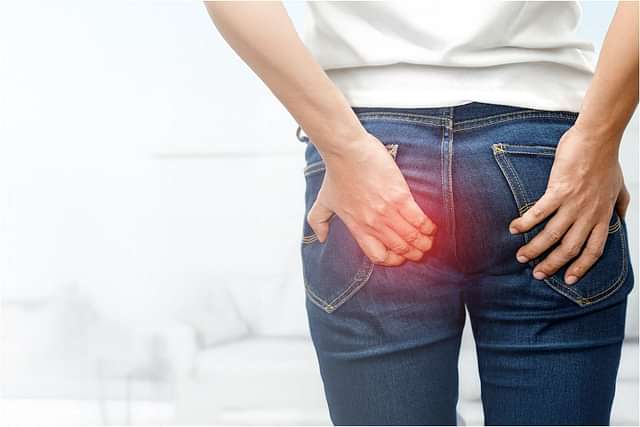
Overview of Disease
Anal fissures are a relatively common condition that can cause discomfort and concern for those affected. While the condition is not life-threatening, it can significantly impact an individual's quality of life due to the pain and bleeding associated with bowel movements. Understanding the causes, symptoms, and treatment options is essential for effective anal fissure prevention and management.
What is Anal Fissure?
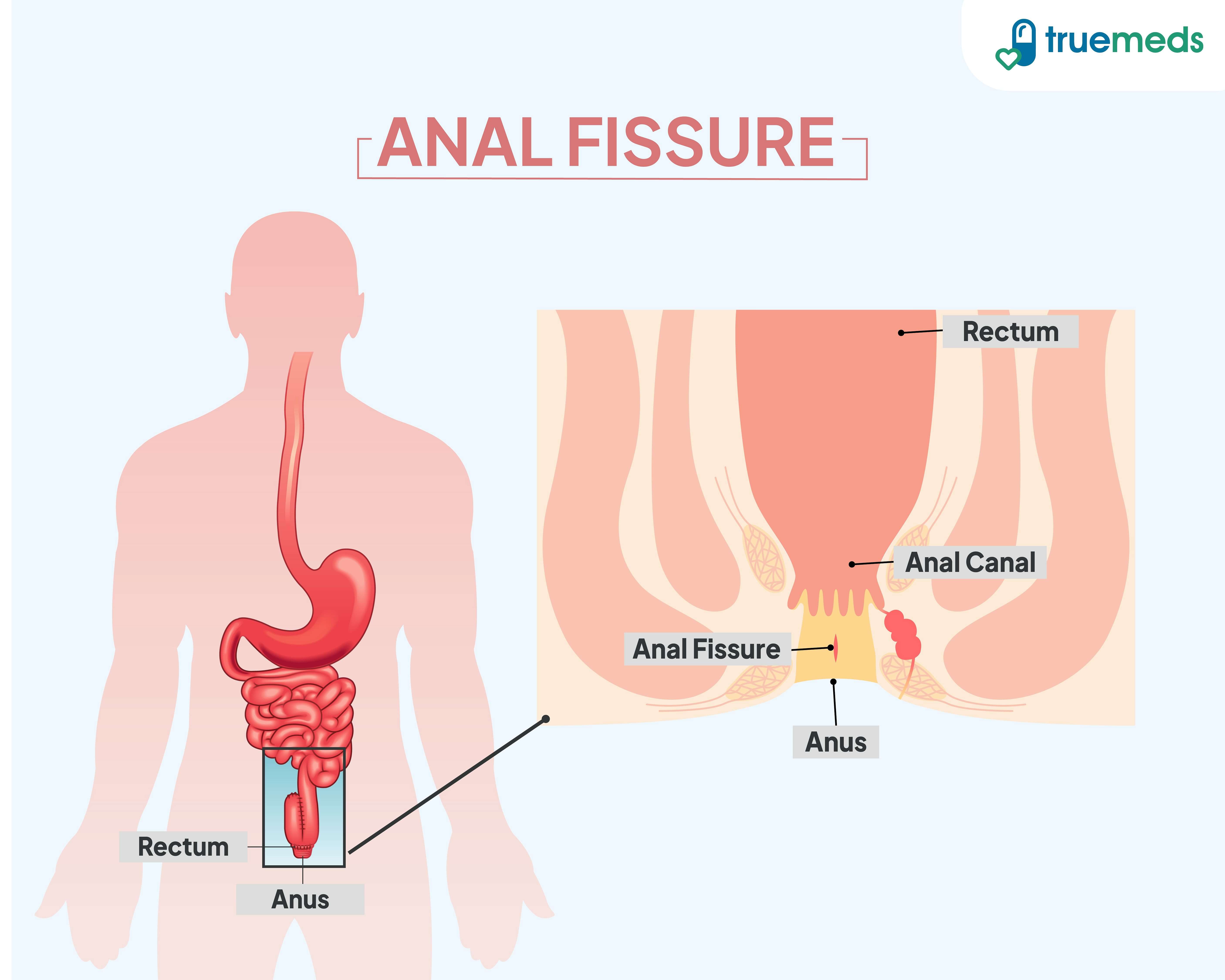
An anal fissure is a longitudinal tear of the anoderm distal to the dentate line and is a frequent cause of emergency department visits. Most fissures result from local trauma to the anoderm, commonly due to passage of hard or bulky stools, persistent irritation, anorectal surgery, or anoreceptive intercourse (Gerbasi and Ashurst, 2025). It is located in the posterior midline in 80–90% of cases, and in the remaining cases, it can be found either anteriorly or both anteriorly and posteriorly (Riboni and Selvaggi, 2024). Anal fissures can cause painful bowel movements and bleeding, and may lead to the development of a visible lump or skin tag near the affected area.
Key Factors about Anal Fissure
| Category | Details |
| Also Referred as | Fissure in ano, rectal fissure |
| Commonly Occurs In | Infants, pregnant people, adults aged 15 to 40 |
| Affected Organ | Anal canal, anus |
| Type | Acute (temporary), Chronic (lasting more than 8-12 weeks) |
| Common Signs | Pain during and after bowel movements, bright red blood on stool or toilet paper, anal spasms, visible crack in the skin around the anus, small lump or skin tag |
| Consulting Specialist | Gastroenterologist |
| Managed By | Topical anaesthetic ointments, nitroglycerin, calcium channel blockers (nifedipine, diltiazem), Botox injections, surgery |
Types of Anal Fissure
An anal fissure, also known as a fissure in ano or anorectal fissure, is a small tear or sore in the skin near the anus. Common causes include constipation, chronic diarrhoea, sexually transmitted infections (STIs), tuberculosis, inflammatory bowel disease (IBD), HIV, anal cancer, obstetric trauma, prior anorectal surgery, and anoreceptive intercourse (Gerbasi and Ashurst, 2025). The tear is usually shallow and located near the rectal lining. Anal fissures are classified into two types: acute (short-term) and chronic (long-lasting). This condition is common, like haemorrhoids, and both can make passing stools painful and difficult.
Symptoms of Anal Fissure
Most people with an anal fissure feel pain, especially while passing stools. The pain can last from a few minutes to several hours after. It is often described as sharp, burning, or cutting. In some cases, the pain may spread to the buttocks, upper thighs, or lower back.
Anal fissure symptoms can be quite distressing. They include:
- Severe pain during and after bowel movements, which can last for several hours
- A sharp, tearing, or burning sensation
- Bright red blood on the stool, toilet paper, or in the toilet bowl
- Visible tear or cut in the anal area
- Cramping and itching around the anus
- Bad-smelling discharge
- A small lump or skin tag near the anal fissure.
These uncomfortable symptoms can make you dread having a bowel movement, but avoiding going to the toilet can worsen the fissure. If you experience any of these symptoms, it's important to see your doctor for a proper anal fissure diagnosis and treatment plan.
Stages of Anal Fissure
Anal fissures typically progress through several stages of healing:
- Initial Stage: The fissure develops due to trauma or strain on the anal lining, resulting in pain and bleeding.
- Healing Stage: Most fissures heal independently within a few weeks with self-care measures such as high-fibre diets, stool softeners, and warm sitz baths.
- Chronic Stage: If the fissure does not heal within 8 weeks, it is considered chronic and may require further treatment, including medication or surgery.
The healing process of anal fissures is crucial in determining the appropriate course of treatment and management.
Causes of Anal Fissure
Stretching and straining can cause small tears in the anal lining, but some medical conditions can also contribute. The anus is the last part of the large intestine, with different types of tissue.
Near the opening, the skin is like the rest of the body, but higher up, where fissures usually occur, it is covered by a thin, delicate mucous lining. This makes it more prone to tearing, especially in babies. Inflammation from injury or disease can further weaken this area.
The anus has two ring-like muscles (anal sphincters) that control bowel movements. If these muscles are too tight, they add pressure to the anal lining, making it easier to tear and reducing blood flow to the tissues.
The following factors usually cause anal fissures:
- Trauma or Injury to the Lining of the Anal Canal: The most common cause of trauma or injury is passing large or hard stools, which can happen when you're constipated. Chronic diarrhoea is another frequent cause, as the frequent passage of stool can irritate the anal lining.
- Certain Medical Conditions: Certain conditions can also increase your risk of developing an anal fissure, including:
- Inflammatory bowel diseases like Crohn's disease and ulcerative colitis
- Sexually transmitted infections that affect the anorectal area
- Childbirth: The pressure of a baby passing through the birth canal during delivery can also cause a fissure.
- Reduced blood flow to the anal area: Conditions like ageing, chronic constipation, or previous surgeries can reduce blood supply to the anal region, making the tissue more prone to tearing. Increased internal anal sphincter tone leads to reduced blood flow (ischemia) to the anoderm.
- Tight anal sphincter muscles: Increased muscle tension in the anal area can lead to excessive pressure, making the tissue more likely to tear during bowel movements.
- Obesity: Excess body weight can put additional pressure on the pelvic floor, increasing the risk of fissures.
- Low-fibre diet: A diet lacking fibre can lead to hard stools and straining, contributing to anal fissures.
- Frequent use of enemas or laxatives: Overuse can irritate and weaken the anal lining, increasing the likelihood of fissures.
- Cancer of the anus or rectum: Although rare, tumours in the anal or rectal area can cause fissures by disrupting normal tissue function.
Thus, any kind of trauma or excessive pressure on the anal canal, whether from difficult bowel movements or an underlying health condition, can lead to the development of a painful anal fissure.
Majorly Affected People
While an anal fissure can happen to anyone, it tends to be more common in young people between the ages of 15 and 40. Children can also be affected. Anal fissures strike men and women equally.
Risk Factors
Several factors can increase your risk of developing an anal fissure. Some of these factors include:
Constipation and straining during bowel movements
A low-fibre diet that leads to hard, dry stools
Frequent episodes of diarrhoea
Recent weight loss surgery causing loose stools
Vaginal childbirth
Minor trauma, especially trauma caused by high-level mountain biking
Inflammatory conditions of the anal area
Complications
If left untreated or failing to heal properly, anal fissures can lead to various complications:
- Chronic Anal Fissure: According to the American Society of Colon and Rectal Surgeons (ASCRS, n.d.), fissures that do not heal within 8-12 weeks are considered chronic. These can result in extensive scar tissue formation, including a sentinel pile or skin tag and hypertrophied papilla.
- Anal Stenosis: The anal canal may become narrowed due to spasms of the anal sphincter or contraction of scar tissue, making bowel movements more difficult and painful.
- Anal Fistulas: Chronic inflammation can cause abnormal tunnels to form between the anal canal and surrounding organs.
- Faecal Impaction: Hard stool can become lodged in the rectum, exacerbating pain and leading to further complications.
- Recurrence: Having experienced an anal fissure increases the risk of developing another one in the future.
- Extension into Surrounding Muscles: The fissure may extend into the internal anal sphincter, making the healing process more challenging.
- Infection and Other Conditions: Persistent failure to heal can indicate underlying health issues such as inflammatory bowel disease, infections, or even cancer, which require proper diagnosis to rule out.
Prevention of Anal Fissure
Adopting certain lifestyle and dietary habits can help prevent the occurrence of anal fissures:
- Consume a High-fibre Diet: Eating foods rich in fibre, such as fruits, vegetables, and whole grains, helps soften stool and reduces the need for straining during bowel movements.
- Stay Well-hydrated: Drinking adequate amounts of water throughout the day keeps stool soft and prevents constipation.
- Exercise Regularly: Engaging in physical activity helps regulate bowel movements and prevent constipation.
- Avoid Hard or Dry Stools: Taking stool softeners or fibre supplements can help prevent the formation of hard stools that can traumatise the anal lining.
- Practice Proper Wiping Techniques: Avoid rough or excessive wiping of the anus after bowel movements to reduce the risk of trauma to the delicate anal tissue.
Diagnosis & Tests
To diagnose an anal fissure, doctors typically follow these steps:
- Review Personal Health History: Your doctor will inquire about your symptoms, medical history, and any previous conditions that might affect the anus.
- Discuss Symptoms: You will be asked to describe the pain, bleeding, and any other symptoms you are experiencing in detail.
- Perform a Physical Examination: Your doctor will conduct a gentle visual examination of the anus and surrounding area to identify the presence of a fissure, skin tags, or other abnormalities. In some cases, they may perform a digital rectal exam by inserting a gloved, lubricated finger into the rectum to assess sphincter muscle tone and check for any lumps or masses.
- Additional Tests: If the fissure appears atypical or if there are signs of an underlying condition, your doctor may recommend further tests such as anoscopy, flexible sigmoidoscopy, or colonoscopy to examine the anal canal and rule out other potential causes of your symptoms.
- Chronic fissures frequently demonstrate the classic triad of sentinel tag, fissure, and hypertrophied anal papillae.
Treatment & Management
Medications for Anal Fissure
1. Vasodilators
- Nitroglycerin ointment is applied to the anal canal to increase blood flow to the fissure and relax the anal sphincter, promoting healing. However, it may cause side effects such as headaches and hypotension.
2. Calcium Channel Blockers
- Nifedipine and Diltiazem can be used topically to relax the anal sphincter muscle and improve blood circulation to the affected area. These are alternatives for patients who cannot tolerate nitroglycerin.
3. Topical Anaesthetic
- Lidocaine is used to provide temporary pain relief by numbing the affected area and reducing discomfort during bowel movements.
4. Combined Therapy
- Lidocaine + Metronidazole + Sucralfate or Lignocaine + Metronidazole + Sucralfate formulations help in pain relief, infection control, and tissue healing.
- Lidocaine + Nifedipine combines anaesthetic and muscle relaxant effects to promote healing and reduce sphincter spasms.
- Cinchocaine + Policresulen is another combination used for its anaesthetic and healing properties in managing anal fissures.
5. Botox Injections
- When other treatments fail, botulinum toxin (Botox) injections provide an alternative by producing a reversible chemical sphincterotomy lasting up to 3 months, reducing spasms and allowing the fissure to heal (Gerbasi and Ashurst, 2025).
6. Surgical Intervention
- In chronic cases that do not respond to medical treatment, a lateral internal sphincterotomy (LIS) remains the gold-standard surgical treatment (Dominguez-Munoz and Balla, 2025). This surgical procedure involves making a small cut in the anal sphincter muscle to relieve pressure, reduce spasm, and promote healing.
Proper medical guidance is essential to determine the most suitable treatment based on the severity of symptoms and patient response.
When to See a Doctor?
It is important to seek medical attention if you experience severe or persistent symptoms related to an anal fissure.
If you have severe pain during or after bowel movements or if you notice bright red blood from the anus, it is crucial to consult a doctor.
Additionally, if symptoms do not improve with self-care measures within a few weeks, it is advisable to seek professional help.
In some cases, complications may arise from an anal fissure, such as chronic anal fissure, anal fistulas, or anal stenosis. If you suspect any of these complications, it is essential to see a doctor for proper diagnosis and treatment.
If you have other symptoms like stomach pain or diarrhoea, or if you are over 45 years old and have risk factors for colon cancer, a colonoscopy may be recommended to rule out any underlying conditions.
Key Takeaways
An anal fissure is a tear or split in the lining of the anus (anal mucosa).
Common symptoms include pain when passing a bowel motion and bright red blood from the anus.
Risk factors for developing anal fissures include constipation, straining during bowel movements, chronic diarrhoea, and childbirth.
Diagnosis is usually made through physical examination and a review of symptoms, but additional tests may be required in some cases.
Initial treatment often involves laxatives and topical anaesthetics, while more advanced options include nitroglycerin ointment, calcium channel blockers, botulinum toxin injections, and surgical interventions such as LIS.
Preventive measures include maintaining a high-fibre diet, staying hydrated, avoiding straining during bowel movements, and practising good anal hygiene.
FAQs
How severe are anal fissures?
While anal fissures can be extremely painful, they are usually not serious. Most cases heal with self-care, but complications like chronic pain or fistulas may develop if left untreated.
What are the signs of an anal fissure?
Symptoms of anal fissures include severe pain during and after bowel movements, bright red blood on toilet paper or stool, visible tear in the anus, and itching or irritation around the anus.
Can an anal fissure cause a fistula?
Yes, if an anal fissure does not heal properly, it can lead to complications such as anal fistulas, which are abnormal tunnels connecting the anal canal to the surrounding skin.
What is the most effective cream for managing anal fissures?
The best cream for managing anal fissures depends on the individual case. Options include nitroglycerin creams, Botox injections, local anaesthetic creams, and vasodilator creams or gels.
What is the quickest way to heal an anal fissure?
The fastest way to heal an anal fissure is a combination of self-care (high-fibre diet, staying hydrated, sitz baths) and medical treatment (creams or gels prescribed by a doctor).
How long does it take to recover from anal fissure surgery?
Recovery time after anal fissure surgery varies depending on the procedure. Most people can return to normal activities within a few days to a few weeks.
What causes anal fissures?
The main causes of anal fissures include constipation, chronic diarrhoea, straining during bowel movements, and trauma to the anal canal. Other factors can include childbirth, anal intercourse, and certain medical conditions.
How can I differentiate between haemorrhoids and an anal fissure?
Haemorrhoids usually cause itching, pain, and bleeding during bowel movements, while anal fissures typically cause severe pain during and after bowel movements, along with bright red blood on the stool or toilet paper.
What foods should be avoided with an anal fissure?
When dealing with an anal fissure, it is best to avoid foods that can cause constipation or irritate the digestive system, such as spicy foods, caffeine, alcohol, and low-fibre or processed foods.
Is Ayurvedic treatment effective for anal fissures?
While some Ayurvedic remedies may help relieve symptoms of anal fissures, such as sitz baths with healing herbs, there is limited scientific evidence to support their effectiveness as a standalone treatment.
References
- Riboni, C., Selvaggi, L., Cantarella, F., Podda, M., Bracchitta, S., Mosca, V., Cosenza, A., Cosenza, V., Selvaggi, F., Nardo, B., & Pata, F. (2024). Anal fissure and its Treatments: A Historical review. Journal of Clinical Medicine, 13(13), 3930. https://doi.org/10.3390/jcm13133930
- NHS. (2023, November 16). Anal fissure. NHS. https://www.nhs.uk/conditions/anal-fissure/
- Gerbasi, L., & Ashurst, J. V. (2025, September 15). Anal fissures. In StatPearls [Internet]. StatPearls Publishing. https://www.ncbi.nlm.nih.gov/books/NBK526063/
- American Society of Colon and Rectal Surgeons. (n.d.). Anal fissure – expanded information. ASCRS. https://fascrs.org/patients/diseases-and-conditions/a-z/anal-fissure-expanded-information
- Giani, I., Cioppa, T., Caminati, F., Linari, C., Dreoni, P., Rossi, G., & Bettazzi, F. (2023). Acute and chronic anal fissure: The role of a new multitarget ointment. World Journal of Surgery and Surgical Research, 6, 1506. https://www.surgeryresearchjournal.com/open-access/acute-and-chronic-anal-fissure-the-role-of-a-new-9688.pdf
- Domínguez-Muñoz, M., Balla, A., Gómez-Rosado, J. C., & Morales-Conde, S. (2025). Current evidence and new trends in anal fissure treatment. Minerva Surgery, 80(3), 258–265. https://doi.org/10.23736/S2724-5691.25.10778-8
- Boland, P., Kelly, M., Donlon, N., Bolger, J., Larkin, J., Mehigan, B., & McCormick, P. (2020). Management options for chronic anal fissure: A systematic review of randomised controlled trials. International Journal of Colorectal Disease, 35(10), 1801–1813. https://doi.org/10.1007/s00384-020-03699-4

Check Related Salts
Browse Other Conditions
Latest health articles
Top Health Essentials














Disclaimer
Top-Selling Medicines:
...View more
Top-OTC medicines:
...View more
Company
About UsHealth ArticleHealth StoriesHealth LibraryDiseases & Health ConditionsAyurvedaUnderstanding Generic MedicinesAll MedicinesAll BrandsNeed HelpFAQSecuritySavings CalculatorAdvertise with UsSubscribe
Registered Office Address
Grievance Officer
Download Truemeds


Contact Us
Our customer representative team is available 7 days a week from 9 am - 9 pm.
v4.28.14

2026 - Truemeds | All rights reserved. Our content is for informational purposes only. See additional information.

Our Payment Partners




