

- Medicines
- Personal Care
- Skin Cream
- Sunscreen
- Face Wash
- Skin and Body Soap
- Acne Care
- Body Lotions
- Moisturising Lotion
- Moisturising Cream
- Mosquito Repellent
- Moisturising Gel
- Body Wash
- Hair Oils
- Hair Shampoo
- Hair Conditioners
- Hair Supplements
- Hair Colour
- Hair Serum
- Hair Mask
- Hair Solutions
- Baby Diapers and Wipes
- Baby Lotion and Moisturising Cream
- Baby Bath Essentials
- Baby Skin Care
- Baby and Infant Food
- Baby Healthcare
- Women Multivitamins
- Ovulation Test Kit and Women Intimate Care
- Sanitary Pads
- Nutritional Drinks
- Condoms
- Lubricants
- Massage Gels
- Personal Body Massagers
- Men Performance Booster
- Sexual Health Supplements
- Massage Oils
- Ayurveda
- Tooth Paste
- Mouth Ulcer Gel
- Mouthwash
- Toothache and Gum Pain
- Tooth Brush
- Gargle Solution
- Orthopaedic Supports
- Adult Diapers
- Footwear
- Mobility and Support Accessories
- Urinary Support and Care
- Health Conditions
- Bone and Joint Care
- Digestive Care
- Eye Care
- Pain Relief
- Smoking Cessation
- Liver Care
- Stomach Care
- Cold and Cough
- Heart Care
- Kidney Care
- Piles, Fissures & Fistula
- Respiratory Care
- Mental Wellness
- Derma Care
- Pre and Probiotics
- Acidity
- Gas
- Constipation
- Loose Motion/Diarrhoea
- Digestive Fibres
- Digestive Enzymes
- Eye Lubricant Drops
- Lens Solution
- Safety Eye Wear
- Eye Cream
- Eye Vitamins and Supplements
- Eye Drops
- Eye Ointment and Gel
- Nicotine Patch
- Nicotine Gum
- Nicotine Lozenges
- Cough Syrups
- Chest Rubs and Balms
- Nasal Spray
- Lozenges
- Inhalant Capsules
- Cold and Cough Tablets
- Vitamins & Supplements
- Diabetes Care
- Healthcare Devices
- Homeopathic Medicine
- Health Guide
Gastroesophageal Reflux Disease (GERD)
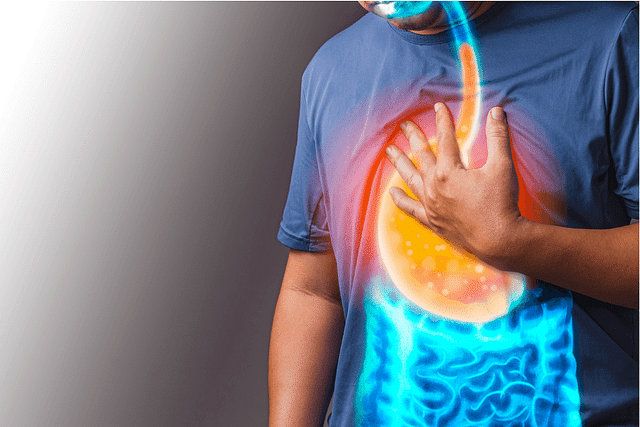
Gastroesophageal reflux disease (GERD) is a chronic digestive disorder in which stomach acid flows back into the oesophagus, causing symptoms such as heartburn, epigastric pain, and regurgitation. GERD can lead to complications such as oesophagitis, Barrett's oesophagus, and even oesophageal cancer if left untreated. Lifestyle changes and medications can help manage symptoms and prevent further oesophageal damage.
 50
50Last updated on : 13 Apr, 2026
Read time : 13 mins
Overview of Disease
Gastroesophageal reflux disease (GERD) is a common digestive disorder that affects millions of people worldwide. It occurs when the lower oesophageal sphincter (LES), a ring of muscle at the bottom of the oesophagus, fails to close properly, allowing stomach acid to flow back into the oesophagus. This can cause a variety of symptoms, including heartburn, epigastric distress, and regurgitation.
What is GERD?
GERD is a chronic condition characterised by the regurgitation of stomach contents into the oesophagus. The LES, a circular band of muscle at the junction of the oesophagus and stomach, normally prevents acid reflux by maintaining a tight seal.
However, in individuals with GERD, the LES becomes weak or relaxes inappropriately, allowing stomach acid and digestive juices to flow back up into the oesophagus. This repeated exposure to acidic contents can cause irritation and inflammation of the oesophageal lining, leading to the hallmark symptoms of GERD, such as heartburn and regurgitation.
Key Factors about Gastroesophageal Reflux Disease (GERD)
| Category | Details |
| Also Referred as | Acid reflux, heartburn |
| Commonly Occurs In | Adults, infants, children, and pregnant women |
| Affected Organ | Oesophagus, stomach, and lower esophageal sphincter (LES) |
| Type | Chronic digestive disorder |
| Common Signs | Heartburn, regurgitation, nausea after eating, difficulty swallowing, cough, wheezing, hoarseness |
| Consulting Specialist | Gastroenterologist |
| Treatment Procedures | Lifestyle changes, antacids, proton pump inhibitors (PPIs), H2 blockers, and surgery in severe case |
| Managed By | Antacids, proton pump inhibitors (PPIs), H2 blockers |
| Mimicking Condition | Oesophageal spasms, indigestion (dyspepsia), asthma |
Symptoms of Gastroesophageal Reflux Disease (GERD)
Common Symptoms
- Heartburn (a burning sensation in the chest, neck, and throat)
- Regurgitation (a sour or bitter taste in the mouth due to the backflow of stomach contents)
- Difficulty swallowing (dysphagia)
- Pain when swallowing (odynophagia)
- Nausea and vomiting
- Chest pain, which may be mistaken for a heart attack
- Chronic cough
- Hoarseness or voice changes
- Bad breath
Less Common Symptoms
- Dental erosions caused by repeated exposure to stomach acid
- Laryngitis, or inflammation of the voice box
- Asthma, which may be triggered or worsened by GERD
- Globus sensation, or the feeling of a lump in the throat
- Dysphonia, or changes in voice quality
Recognising the various symptoms of GERD is crucial for prompt diagnosis and treatment. If you experience any of these symptoms regularly, it is essential to consult a healthcare professional for an accurate assessment and appropriate management.
Stages of Gastroesophageal Reflux Disease (GERD)
Here are the different stages of GERD:
Stage 1: Mild GERD
In this stage, patients experience mild symptoms once or twice a month, which can usually be managed with lifestyle modifications and over-the-counter acid-suppressive medications.
Stage 2: Moderate GERD
Patients in this stage experience more frequent symptoms, often requiring daily prescription acid-suppressive medications. If left untreated, GERD symptoms can affect daily activities and lead to oesophageal inflammation.
Stage 3: Severe GERD
In severe GERD, patients experience poorly controlled symptoms despite the use of prescription medications, significantly impacting their quality of life. They are more likely to develop erosive oesophageal inflammation and may require a thorough evaluation by a GERD specialist.
Stage 4: Reflux-induced Precancerous Lesions or Oesophageal Cancer
Patients in this advanced stage experience severe symptoms, including dysphagia (difficulty swallowing), and are at risk of developing precancerous lesions or oesophageal cancer. Close monitoring and management by a reflux expert are crucial in this stage.
Understanding the stages of GERD can help patients and healthcare providers determine the appropriate course of treatment and monitor disease progression.
Causes of Gastroesophageal Reflux Disease (GERD)
The development of GERD can be attributed to a combination of intrinsic and extrinsic factors.
1. Impaired Lower Oesophageal Sphincter (LES) Function
Impaired lower oesophageal sphincter (LES) function allows stomach contents to reflux into the oesophagus. Additionally, transient LES relaxations (TLESRs) are brief, spontaneous relaxations of the LES not associated with swallowing and may also cause GERD symptoms.
2. Anatomical Factors
Conditions like hiatal hernia, where part of the stomach protrudes through the diaphragm, can also contribute to GERD by compromising the LES's ability to function properly.
Oesophageal dysmotility, or impaired movement of the oesophagus, can lead to prolonged exposure of the oesophageal lining to stomach acid. Increased intra-abdominal pressure from obesity is another significant risk factor, as it can push stomach contents upwards.
3. Lifestyle and Dietary Influences
Certain lifestyle choices, such as smoking, excessive alcohol consumption, and dietary habits (e.g., high-fat meals, chocolate, caffeine), can trigger or worsen GERD symptoms. Additionally, lying down shortly after eating can hinder digestion and increase the frequency of reflux episodes.
Understanding the causes of GERD and epigastric distress can help individuals make lifestyle changes and seek appropriate treatment to manage their symptoms and prevent further complications.
Risk Factors
Here are some risk factors for GERD:
- Obesity: Being overweight or obese puts extra pressure on your abdomen, which can lead to stomach acid flowing back up into the oesophagus (Xie et al., 2024).
- Pregnancy: Hormonal changes during pregnancy can relax the lower oesophageal sphincter (LES), allowing stomach acid to reflux into the oesophagus. Additionally, the growing uterus puts pressure on the stomach, increasing the risk of GERD.
- Hiatal hernia: A hiatal hernia occurs when the upper part of your stomach bulges through the diaphragm into your chest cavity. This can weaken the LES and allow stomach acid to flow back into the oesophagus.
- Smoking: Cigarette smoking can relax the LES, allowing stomach acid to reflux into the oesophagus. It can also decrease saliva production, which helps neutralise stomach acid (Johns Hopkins Medicine, 2025).
- Certain medications: Some medications, such as calcium channel blockers, antihistamines, and sedatives, can relax the LES and increase the risk of GERD.
These risk factors can lead to various complications, which will be discussed in the next section.
Complications
If left untreated, GERD can lead to several complications, including:
- Oesophagitis: Inflammation of the oesophagus due to chronic acid exposure can lead to pain, difficulty swallowing, and potential scarring.
- Oesophageal structure: Repeated exposure to stomach acid can lead to scar tissue forming in the oesophagus, narrowing the passage and making it difficult to swallow.
- Barrett’s Oesophagus: A condition where the oesophageal lining changes due to prolonged acid reflux, increasing the risk of oesophageal cancer.
- Oesophageal Ulcers: Chronic irritation from stomach acid can cause ulcers in the oesophagus.
- Gastrointestinal Bleeding: Erosions caused by acid can lead to bleeding, which may manifest as vomiting blood or passing black stools.
- Respiratory problems: Stomach acid reflux can irritate the throat and airways, leading to chronic cough, asthma, and laryngitis.
- Dental Erosion: Frequent exposure to acids can erode tooth enamel, leading to dental problems.
- Reduced Quality of Life: Persistent GERD can significantly impact daily activities, work productivity, and overall well-being.
Prevention of Gastroesophageal Reflux Disease (GERD)
While not all cases of GERD can be prevented, several lifestyle changes can help reduce your risk or manage symptoms:
1. Dietary Adjustments
- Avoid trigger foods such as chocolate, coffee, spicy foods, fatty foods, and carbonated beverages.
- Limit acidic foods like citrus fruits and tomato-based products.
- Eat smaller, more frequent meals to reduce stomach pressure.
2. Weight Management
- Achieve and maintain a healthy weight to decrease abdominal pressure that can exacerbate symptoms.
3. Posture and Positioning
- Avoid lying down for at least two to three hours after eating to prevent reflux.
- Elevate the head of the bed by 6 to 8 inches to minimise nighttime symptoms.
4. Clothing Choices
- Wear loose-fitting clothing to reduce pressure on the abdomen and lower oesophageal sphincter.
5. Lifestyle Changes
- Quit smoking, as it can increase stomach acid production and weaken the oesophageal sphincter.
- Limit alcohol consumption, which can irritate the oesophagus and stimulate acid production.
6. Stress Management
- Practice relaxation techniques such as deep breathing or yoga to help manage stress, which can aggravate symptoms.
7. Medication Awareness
- Be cautious with medications that may worsen GERD symptoms, such as certain sedatives or calcium channel blockers. Always consult a healthcare provider before taking any medications.
By addressing risk factors and implementing effective prevention strategies, individuals can reduce symptom burden and improve overall well-being.
Diagnosis & Tests
Apart from symptom observation, the following diagnostic steps may be taken by your doctor to diagnose GERD:
1. Diagnostic Tests
- Upper Gastrointestinal (GI) Endoscopy: This procedure involves inserting a flexible tube with a camera into the oesophagus to visually examine the oesophageal lining for signs of inflammation, ulcers, or other abnormalities.
- Ambulatory Acid Probe Tests: These tests measure the acid levels in the oesophagus over 24 hours to determine if acid reflux is occurring, helping to diagnose GERD.
- Barium Swallow: In this test, the patient swallows a barium solution that is visible on X-rays, allowing doctors to visualise the oesophagus and stomach to identify any structural issues or abnormalities.
- Oesophageal Manometry: This test assesses the muscle contractions of the oesophagus to check for problems with the oesophageal sphincter, which can contribute to the development of GERD.
2. Laboratory Tests
While not definitive, blood tests can help rule out other conditions that may cause symptoms similar to GERD, such as anaemia from chronic bleeding or infections. These tests can provide valuable information to guide the diagnostic process and ensure an accurate diagnosis.
Once a diagnosis of GERD has been established, healthcare professionals can develop an appropriate treatment plan to manage the condition and alleviate epigastric pain and other associated symptoms.
Treatment & Management
Effective treatment and management of gastroesophageal reflux disease often involve a combination of lifestyle modifications and medication. Here are a few treatment and management methods:
1. Medications
Managing acidity and gastroesophageal reflux disease (GERD) often involves a combination of over-the-counter and prescription medications designed to neutralise acid, reduce production, and enhance gastric motility.
- Over-the-Counter Options: Antacids such as calcium carbonate, magnesium trisilicate, aluminium hydroxide, sodium bicarbonate, and magaldrate quickly neutralise stomach acid, providing fast symptom relief.
- H2 Receptor Blockers: Medications such as ranitidine, famotidine, and cimetidine reduce acid production and aid in healing oesophageal irritation.
- Proton Pump Inhibitors (PPIs): Prescription PPIs such as rabeprazole, pantoprazole, omeprazole, lansoprazole, dexrabeprazole, and esomeprazole significantly reduce acid production and are used for long-term management.
- Prokinetic Medications: Levosulpiride, metoclopramide, domperidone, and itopride help accelerate gastric emptying, reducing acid reflux and associated symptoms, and are used in selected cases under medical supervision.
- Coating Agents: Sucralfate forms a protective layer over ulcers and irritated tissues, promoting healing and reducing discomfort.
2. Lifestyle Modifications
- Dietary Changes: Avoid trigger foods such as citrus fruits, tomatoes, chocolate, spicy foods, and fatty or fried foods to reduce heartburn frequency and severity.
- Meal Frequency: Eat smaller, more frequent meals to decrease stomach pressure and minimise acid reflux.
- Weight Management: For overweight individuals, losing weight can significantly reduce pressure on the stomach and alleviate GERD symptoms.
- Elevating Bed: Raise the head of the bed by about 6 inches to prevent nighttime acid reflux.
3. Additional Treatments
- Surgical Options: For severe cases that do not respond to medication, surgical interventions like Nissen fundoplication may strengthen the anti-reflux barrier.
- Endoscopic Procedures: Techniques such as Transoral Incisionless Fundoplication (TIF) offer less invasive options for managing GERD.
By combining lifestyle changes with appropriate medication, patients can achieve significant relief from GERD symptoms and enhance their quality of life.
When to See a Doctor?
If your symptoms become severe or prolonged, you should visit your doctor. Look out for these symptoms:
1. Persistent Symptoms
If you experience persistent symptoms of GERD, such as heartburn, acid reflux, or chest pain, that do not respond to lifestyle changes or over-the-counter medications, it is important to consult a doctor. Persistent symptoms may indicate a more serious underlying condition, which requires proper diagnosis and treatment.
2. Severe or Frequent Symptoms
If your GERD symptoms are severe or occur frequently, even if they respond to medication, it is advisable to seek medical attention. Severe symptoms may include intense chest pain, difficulty swallowing, or the feeling of food getting stuck in your throat. Frequent episodes of heartburn or acid reflux, occurring more than twice a week, should also be evaluated by a doctor.
3. Nighttime Symptoms
Experiencing symptoms such as nighttime discomfort, particularly if they wake you from sleep, can be a sign of more severe GERD. Nighttime reflux can lead to complications such as inflammation of the oesophagus (oesophagitis) or respiratory problems, such as chronic cough or asthma. If you regularly experience nighttime symptoms, it is important to consult a doctor for proper evaluation and treatment.
4. Difficulty Swallowing or Painful Swallowing
If you have difficulty swallowing (dysphagia) or experience pain when swallowing, it is crucial to see a doctor. These symptoms may indicate a more serious condition, such as oesophageal stricture (narrowing of the oesophagus) or oesophageal ulcers, which can be complications of untreated GERD. In rare cases, difficulty swallowing may also be a sign of oesophageal cancer, making prompt medical evaluation essential.
5. Unexplained Weight Loss
Unintentional weight loss, particularly when accompanied by other GERD symptoms, should be evaluated by a doctor. While GERD itself does not typically cause weight loss, it may be a sign of an underlying condition that requires medical attention, such as peptic ulcer disease or gastric cancer.
6. Vomiting Blood or Passing Black Stools
If you experience vomiting blood or passing black, tarry stools (melena), seek immediate medical attention. These symptoms may indicate bleeding in the digestive tract, which can be a complication of severe GERD or other serious conditions such as peptic ulcers or gastrointestinal cancers. Prompt diagnosis and treatment are essential in such cases.
7. Persistent Symptoms Despite Treatment
If you have been diagnosed with GERD and are receiving treatment, but your symptoms persist or worsen despite following the prescribed treatment plan, it is important to follow up with your doctor. Your doctor may need to adjust your medication, recommend additional lifestyle changes, or investigate further to rule out other potential causes of your symptoms.
Key Takeaways
- Gastroesophageal reflux disease (GERD) is a chronic digestive disorder characterised by the backflow of stomach contents into the oesophagus.
- Common symptoms of GERD include heartburn, regurgitation, chest pain, difficulty swallowing, and epigastric distress or discomfort.
- Risk factors for GERD include obesity, pregnancy, smoking, certain medications, and a hiatal hernia.
- Lifestyle modifications, such as maintaining a healthy weight, avoiding trigger foods, and elevating the head of the bed, can help manage GERD symptoms.
- Over-the-counter antacids, H2 receptor blockers, and proton pump inhibitors (PPIs) are common treatments for GERD.
- In severe cases or when medications are ineffective, surgical options like fundoplication may be considered.
- If you experience persistent symptoms, severe epigastric pain, or any alarming signs, consult a doctor for an accurate diagnosis and appropriate treatment.
FAQs
What are some effective ways to manage GERD?
Managing GERD involves lifestyle changes, such as weight loss, avoiding trigger foods, and eating smaller meals, as well as medications such as antacids, H2 blockers, and proton pump inhibitors.
How much time does it usually take for GERD symptoms to subside?
The time for GERD symptoms to resolve varies by individual and treatment approach. Lifestyle changes and medications can provide relief within days to weeks.
Can sitting in an upright position help alleviate GERD symptoms?
Yes, sitting upright, especially after meals, can help reduce GERD symptoms by preventing stomach acid from flowing back into the oesophagus, thus minimising epigastric discomfort.
What are the primary factors contributing to the development of GERD?
The leading causes of GERD include a weakened lower oesophageal sphincter, hiatal hernia, obesity, pregnancy, smoking, and certain medications that relax the sphincter.
What home remedies can be used to manage GERD and associated epigastric distress symptoms?
Home remedies for GERD include avoiding trigger foods, eating smaller meals, maintaining a healthy weight, elevating the head while sleeping, and using over-the-counter antacids for occasional epigastric pain.
What are some home remedies for managing GERD?
Dietary changes, such as avoiding trigger foods, eating smaller meals, and staying upright after eating, can help. Heat application and stress reduction techniques may also provide relief.
Which foods can trigger or worsen GERD?
Common trigger foods include coffee, chocolate, alcohol, spicy or fatty foods, and acidic foods like tomatoes and citrus fruits.
References
- Xie, M., Deng, L., Fass, R., & Song, G. (2024). Obesity is associated with higher prevalence of gastroesophageal reflux disease and reflux-related complications: A global healthcare database study. Neurogastroenterology & Motility, 36(4). https://doi.org/10.1111/nmo.14750
- Johns Hopkins Medicine. (2025). Smoking and the digestive system. https://www.hopkinsmedicine.org/health/conditions-and-diseases/smoking-and-the-digestive-system
- Yadlapati, R., Gyawali, C. P., Pandolfino, J. E., et al. (2022). AGA clinical practice update on the personalised approach to the evaluation and management of gastroesophageal reflux disease: Expert review. Clinical Gastroenterology and Hepatology, 20(5), 984–994.e1. https://doi.org/10.1016/j.cgh.2022.01.025
- Desai, M., et al. (2024). American Society for Gastrointestinal Endoscopy guideline on the diagnosis and management of GERD. Gastrointestinal Endoscopy. https://www.sciencedirect.com/science/article/pii/S2468448124001711
- Lata, T., & Wilson, R. B. (2023). Current management of gastro-oesophageal reflux disease—treatment costs, safety profile, and effectiveness: A narrative review. Gastroenterology Report, 11, goad008. https://doi.org/10.1093/gastro/goad008
Check Related Salts
Latest health articles
Top Health Essentials













Disclaimer
Top-Selling Medicines:
...View more
Top-OTC medicines:
...View more
Company
About UsHealth ArticleHealth StoriesHealth LibraryDiseases & Health ConditionsAyurvedaUnderstanding Generic MedicinesAll MedicinesAll BrandsNeed HelpFAQSecuritySavings CalculatorAdvertise with UsSubscribe
Registered Office Address
Grievance Officer
Download Truemeds


Contact Us
Our customer representative team is available 7 days a week from 9 am - 9 pm.
v4.28.14

2026 - Truemeds | All rights reserved. Our content is for informational purposes only. See additional information.

Our Payment Partners




