- Medicines
- Personal Care
- Skin Cream
- Sunscreen
- Face Wash
- Skin and Body Soap
- Acne Care
- Body Lotions
- Moisturising Lotion
- Moisturising Cream
- Mosquito Repellent
- Moisturising Gel
- Body Wash
- Hair Oils
- Hair Shampoo
- Hair Conditioners
- Hair Supplements
- Hair Colour
- Hair Serum
- Hair Mask
- Hair Solutions
- Baby Diapers and Wipes
- Baby Lotion and Moisturising Cream
- Baby Bath Essentials
- Baby Skin Care
- Baby and Infant Food
- Baby Healthcare
- Women Multivitamins
- Ovulation Test Kit and Women Intimate Care
- Sanitary Pads
- Nutritional Drinks
- Condoms
- Lubricants
- Massage Gels
- Personal Body Massagers
- Men Performance Booster
- Sexual Health Supplements
- Massage Oils
- Ayurveda
- Tooth Paste
- Mouth Ulcer Gel
- Mouthwash
- Toothache and Gum Pain
- Tooth Brush
- Gargle Solution
- Orthopaedic Supports
- Adult Diapers
- Footwear
- Mobility and Support Accessories
- Urinary Support and Care
- Health Conditions
- Bone and Joint Care
- Digestive Care
- Eye Care
- Pain Relief
- Smoking Cessation
- Liver Care
- Stomach Care
- Cold and Cough
- Heart Care
- Kidney Care
- Piles, Fissures & Fistula
- Respiratory Care
- Mental Wellness
- Derma Care
- Pre and Probiotics
- Acidity
- Gas
- Constipation
- Loose Motion/Diarrhoea
- Digestive Fibres
- Digestive Enzymes
- Eye Lubricant Drops
- Lens Solution
- Safety Eye Wear
- Eye Cream
- Eye Vitamins and Supplements
- Eye Drops
- Eye Ointment and Gel
- Nicotine Patch
- Nicotine Gum
- Nicotine Lozenges
- Cough Syrups
- Chest Rubs and Balms
- Nasal Spray
- Lozenges
- Inhalant Capsules
- Cold and Cough Tablets
- Vitamins & Supplements
- Diabetes Care
- Healthcare Devices
- Homeopathic Medicine
- Health Guide
Trikatu Churna
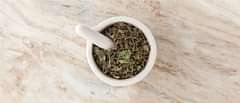
Trikatu Churna is a traditional Ayurvedic powder made from three pungent spices. It is traditionally used to support digestion and appetite. Evidence in humans is limited, so most available evidence comes from traditional Ayurvedic sources and laboratory or animal studies. Because the powder is considered heating in Ayurveda and may affect the absorption or effects of some medicines, use it only after seeking advice from a doctor or a qualified Ayurvedic practitioner. This page explains its ingredients, properties, dosage, side effects and precautions.
 50
Last updated on : 29 Oct, 2026
Read time : 16 mins

What is Trikatu Churna?
The name Trikatu comes from the Sanskrit words tri, meaning three, and katu, meaning pungent. It describes a classical combination of three pungent spices. A churna is a fine powder made by grinding dried ingredients.
Trikatu Churna combines dried ginger rhizome (Zingiber officinale, family Zingiberaceae), black pepper fruit (Piper nigrum) and long pepper fruit (Piper longum), both of the family Piperaceae. Black pepper and long pepper are native to India, and ginger has been grown widely in India for centuries (Sharma et al., 2024).
In Ayurveda, Trikatu is classed as a digestive stimulant (deepana). Traditional use is for low appetite and sluggish digestion, a state known as agnimandya. Ayurvedic sources describe a pungent taste (katu rasa), a heating potency (ushna virya) and a pungent post-digestive effect (katu vipaka). The powder is said to reduce Kapha and Vata and to increase Pitta, which is why Ayurvedic practice traditionally advises caution when using it in people with a Pitta-predominant constitution (Sharma et al., 2024).
Key Facts
| Feature | Details |
| Type of formulation | Classical Ayurvedic powder (churna) |
| Ingredients | Dried ginger, black pepper and long pepper |
| Traditional ratio | Equal parts of each ingredient |
| Ayurvedic properties | Pungent taste, heating potency and pungent post-digestive effect |
| Effect on doshas | Traditionally reduces Kapha and Vata and may increase Pitta |
| Traditional use | Traditionally used as a digestive stimulant for low appetite and sluggish digestion |
| Main compounds | Piperine, piperlongumine and gingerols |
| Usual adult dose | 1 to 3 g a day in divided doses, under the guidance of a qualified practitioner (Sharma et al., 2024). |
| Key precautions | People with peptic ulcers or acid reflux, and those who are pregnant or breastfeeding, should seek medical advice before use. May interact with medicines. |
| Storage | Airtight container in a cool, dry place away from sunlight |
Alternative Names of Trikatu Churna
Trikatu Churna is also known by the following names in different regional languages and in common usage.
- English: Three Pungents, Three Peppers, Three Pungent Herbs
- Hindi: Trikatu, Thikkat, Trikut
- Tamil: Thirikadugu Chooranam, Thirikatugu
- Telugu: Trikatamu
- Malayalam: Thrikadugam
- Kannada: Thirukaduga
- Marathi: Trikatu
Chemical Constituents of Trikatu Churna
The main active compounds in Trikatu Churna come from its three ingredients, and the best known are listed below.
- Piperine: An alkaloid in black pepper and long pepper that gives them their pungent taste (Joshi et al., 2024; Kaushik et al., 2018).
- Piperlongumine: An alkaloid found mainly in long pepper (Darje & Sarvade, 2026).
- [6]-Gingerol: A pungent phenolic compound found in ginger (Darje & Sarvade, 2026).
- [6]-Shogaol: A related compound that can form when ginger is dried (Darje & Sarvade, 2026).
Medicinal Properties of Trikatu Churna
This section summarises the properties reported for Trikatu Churna and identifies whether the findings come from human, laboratory or animal research.
- Potential Bioavailability Enhancement: Piperine, a major alkaloid found in black pepper and long pepper, has been shown to inhibit the drug transporter P-glycoprotein and the enzyme CYP3A4 in laboratory studies. These findings have led to interest in piperine as a potential bioavailability enhancer, but do not establish this effect for Trikatu Churna in humans (Bhardwaj et al., 2002; Kaushik et al., 2018).
- Effect on Carbamazepine: Piperine altered the pharmacokinetics of carbamazepine in healthy volunteers (Bedada et al., 2017).
- Anti-inflammatory Activity: A study in rats reported anti-inflammatory activity for Trikatu Churna, but this has not been confirmed in humans (Kulkarni & Surana, 2010).
- Effects on Platelet Aggregation: Ginger has been studied for its effects on platelet aggregation, although findings from human studies are inconsistent (Marx et al., 2015).
- Safety: Safety data in humans are limited, and one toxicity study in rats found that a single dose was tolerated, although some changes in laboratory measures were reported with repeated dosing (Chanda et al., 2009).
Key Health Benefits of Trikatu Churna
The benefits below come from traditional Ayurvedic use and from laboratory or animal studies. Where evidence in people is limited, the text says so.
Digestion and Appetite Support
In Ayurveda, Trikatu Churna is traditionally used to stimulate Agni, the digestive capacity, when appetite is low or meals feel heavy. This is a traditional use. Well-designed human trials are lacking, so it should not replace medical care for persistent digestive symptoms.
Effect on Absorption of Other Substances
Piperine, found in black pepper and long pepper, may affect the absorption and metabolism of certain medicines and nutrients (Bhardwaj et al., 2002; Kaushik et al., 2018). This effect is seen mainly in laboratory and small volunteer studies, and it can alter medicine levels unpredictably in some people.
Anti-Inflammatory Activity in Animals
A study in rats reported anti-inflammatory activity for Trikatu (Kulkarni & Surana, 2010). Ginger and piperine are each also linked to this effect in experimental work. Human trials specifically assessing Trikatu Churna are lacking, so it should not be relied on to relieve joint or muscle pain.
Traditional Warming Action
Ayurveda describes Trikatu as a heating, pungent combination that is traditionally used to reduce Kapha, which is associated in Ayurvedic theory with feelings of heaviness and sluggishness (Sharma et al., 2024). This description reflects traditional Ayurvedic concepts rather than effects established in clinical trials. Ayurvedic practice may advise people with a Pitta-predominant constitution to use it cautiously or avoid it.
Contains Compounds Studied for Immune-Related Activity
The ingredients of Trikatu Churna contain bioactive compounds that have been investigated for their potential effects on inflammatory and immune signalling pathways. Experimental studies have explored whether these compounds influence the production of certain signalling molecules involved in immune responses. However, these findings do not establish that Trikatu Churna strengthens immunity, prevents infections or reduces the risk of colds and flu in humans. Further well-designed clinical studies are needed to determine its effects and safety.
Common Uses of Trikatu Churna
Trikatu Churna is a traditional Ayurvedic formulation made from three pungent spices: black pepper, long pepper and dried ginger. It has traditionally been used to support digestion, appetite and respiratory health. However, evidence from human studies is limited, and its effectiveness in treating diseases has not been established.
1. Improving Digestion
Trikatu Churna is traditionally used to support digestion and stimulate appetite. Although its ingredients have been studied for their effects on digestive processes, there is insufficient clinical evidence that the formulation increases digestive enzyme or gastric juice secretion or improves nutrient absorption in humans.
2. Boosting of Metabolism
Compounds in black pepper, long pepper and ginger have been investigated for their potential effects on energy metabolism. However, there is insufficient clinical evidence that Trikatu Churna increases metabolic rate or promotes weight loss in humans. Weight management should focus on a balanced diet, regular physical activity and appropriate medical advice.
3. Respiratory Diseases
Trikatu Churna is traditionally used in Ayurveda for respiratory complaints, including coughs and colds. Its ingredients have shown biological activity in experimental studies, including potential effects on inflammatory pathways. It should not replace prescribed treatment for asthma, bronchitis or other respiratory conditions.
4. May help Weight Loss
Trikatu Churna is sometimes included in traditional Ayurvedic weight-management practices because of its perceived heating properties. However, there is insufficient clinical evidence that it increases metabolism, prevents fat accumulation or promotes sustained weight loss in humans.
5. Balanced Blood Sugar Level
Some compounds in Trikatu Churna's ingredients have been investigated for their potential effects on glucose metabolism in experimental studies. However, there is insufficient evidence in humans that the formulation improves insulin sensitivity, reduces insulin resistance or regulates blood glucose. People with diabetes or prediabetes should not use it instead of prescribed medicines, dietary advice or regular blood glucose monitoring.
6. Nutrient Absorption
Piperine, a compound found in black pepper and long pepper, has been studied for its effects on enzymes and processes involved in the absorption and metabolism of certain compounds and medicines. However, this can help to improve the absorption of all vitamins and minerals or treat malabsorption disorders.
7. Appetite Stimulation
Trikatu Churna is traditionally used in Ayurveda to stimulate appetite and support digestive fire (Agni). However, there is insufficient clinical evidence that it reliably improves appetite, nutrient absorption or nutritional status in humans. Persistent loss of appetite, particularly during recovery from an illness, should be assessed by a healthcare professional to identify the underlying cause.
Precautions While Taking Trikatu Churna
Trikatu Churna is considered heating in Ayurveda and may affect how some medicines work, so the following precautions apply.
- Pregnancy and breastfeeding: Avoid use during pregnancy or breastfeeding unless a doctor or qualified Ayurvedic practitioner advises otherwise, as safety in these groups has not been established.
- Stomach conditions: People with peptic or gastric ulcers, gastritis or acid reflux should seek medical advice before use, as the pungent spices may aggravate symptoms.
- Pitta constitution: In Ayurveda, Trikatu is considered heating. People who often have a burning sensation, acidity or excess body heat may find that these symptoms get worse.
- Regular medicines: Speak to a doctor or pharmacist before use if you take any prescription medicine, and do not stop or change a prescribed medicine on your own.
- Bleeding disorders and surgery: Tell your doctor or surgeon before use if you take blood-thinning medicines, have a bleeding disorder or are due to have surgery, as ginger may affect platelet activity, although human evidence is inconsistent (Marx et al., 2015).
- Long-term conditions: People with diabetes, heart, kidney or liver conditions should speak to a doctor before use.
- Allergy: Do not use it if you are allergic to black pepper, long pepper or ginger.
- Children: Give it only on the advice of a paediatrician or a qualified Ayurvedic practitioner.
How to Use Trikatu Churna
The method of use depends on the formulation, so follow the instructions for the product you have.
Taking the Powder
- Measure the dose advised by your practitioner with a clean, dry spoon.
- Mix the powder with a small amount of honey or with lukewarm water.
- Take it shortly before a meal, unless your practitioner has advised a different time.
- Stop use and seek advice if you feel a burning sensation in the stomach.
Capsule and Tablet Forms
- Read the label to confirm the ingredients, strength and dose.
- Swallow the capsule or tablet with water at the time stated on the label.
- Do not take the capsules or tablets together with the loose powder.
Preparing the Powder at Home
- Buy clean, dry ginger, black pepper and long pepper from a trusted source.
- Weigh equal parts of each ingredient.
- Grind the ingredients to a fine powder and sieve the powder.
- Pour it into a clean, dry airtight container and write the date on the container.
- Home-ground powder can vary in strength and purity, so a product from a licensed manufacturer is usually more consistent.
Recommended Dosage of Trikatu Churna
The dose depends on age, health and the product used, so the figures below are general guidance and not a personal prescription.
Adults
Reviews of the classical formulation describe 1 to 3 g of the powder a day, divided into two doses and taken with honey or warm water (Sharma et al., 2024). Use the dose and duration advised by a qualified practitioner, starting at the lower end of the recommended range if advised.
Teenagers
A lower dose than the adult dose may be needed. The amount should be determined by a doctor or a qualified Ayurvedic practitioner and not by estimation at home.
Children
Use only on the advice of a paediatrician or a qualified Ayurvedic practitioner, who will determine whether it is appropriate and advise on the dose according to the child's age and weight. Do not give the adult dose.
Older Adults
Older adults are more likely to take regular medicines and to have a sensitive stomach, so the dose should be determined by a qualified practitioner, taking account of their health conditions and medicines.
Note: Do not exceed the advised dose, and do not stop or change a prescribed medicine on the basis of this information.
Side Effects of Trikatu Churna
Side effects may be related to the strong, pungent nature of the powder, and safety data in humans are limited. One toxicity study in rats found that a single oral dose was tolerated, although some changes in laboratory measures were reported with repeated dosing. These findings cannot be assumed to apply to humans (Chanda et al., 2009).
Heartburn and Acidity
The pungent spices may increase acid reflux or a burning feeling in the chest, mainly in people who already have acidity.
Stomach Irritation
People with a sensitive stomach may experience discomfort, pain or nausea after taking the powder, particularly on an empty stomach.
Feeling of Heat
Some people may notice a warm feeling or sweating. If this is uncomfortable, stop use and speak to a doctor or practitioner.
Allergic Reactions
Rash, itching or swelling of the face or lips can occur in people allergic to any of the three spices.
Signs That Need Medical Help
Stop use and seek medical help straight away if you have severe stomach pain, vomiting, black stools, difficulty breathing or swelling of the face or throat.
Interaction With Other Drugs
Piperine can affect how the body absorbs and clears some medicines, so Trikatu Churna may influence medicine levels in the blood. It is not known whether the amount of piperine in a usual dose is enough to cause this, so caution is advised. Do not stop or change a prescribed medicine without medical advice.
Anti-Epileptic Medicines
Piperine has been reported to alter the blood levels of carbamazepine in healthy volunteers (Bedada et al., 2017), and earlier work reported a similar effect with phenytoin (Kaushik et al., 2018). Small changes in the levels of these medicines can affect seizure control.
Propranolol and Theophylline
Piperine has been reported to raise the blood levels of propranolol and theophylline (Kaushik et al., 2018). Higher levels of these medicines can cause side effects.
Rifampicin
Piperine has also been studied in combination with the antibiotic rifampicin, with findings suggesting an increase in the amount absorbed (Kaushik et al., 2018). Seek medical advice before using them together.
Medicines Moved by P-Glycoprotein
Piperine inhibits P-glycoprotein, a protein that helps transport many medicines out of cells (Bhardwaj et al., 2002). Piperine was also reported to increase the exposure of fexofenadine in healthy volunteers (Bedada & Boga, 2017).
Blood-Thinning Medicines
Ginger may reduce platelet aggregation, although human findings are inconsistent (Marx et al., 2015). Speak to your doctor before use if you take warfarin, aspirin or similar medicines, as there may be a risk of increased bleeding.
Storage of Trikatu Churna
Correct storage helps to keep the powder clean, dry and usable until the date on the label.
- Keep the powder in a tightly closed container.
- Store it in a cool, dry place away from direct sunlight, heat and moisture.
- Use a clean, dry spoon each time, as water can spoil the powder.
- Keep it out of reach of children.
Discard the powder if it becomes damp or lumpy, develops an unusual smell or contains insects.
Key Takeaways
- Trikatu Churna is a traditional Ayurvedic powder made from dried ginger, black pepper and long pepper, traditionally used to support digestion and appetite.
- Evidence in humans is limited, and most findings come from traditional Ayurvedic sources and laboratory or animal studies.
- Piperine can affect the blood levels of some medicines, so tell your doctor before use if you take regular medicines.
- The powder is considered heating in Ayurveda and may cause heartburn or stomach irritation. People with ulcers or acid reflux, and those who are pregnant or breastfeeding, should seek medical advice before use.
- It should not be used as a treatment for weight management, blood glucose regulation or respiratory conditions, and it should not replace prescribed medicines.
FAQs
What spices are in Trikatu?
Who should not take Trikatu?
When should you take Trikatu?
Can we take Triphala and Trikatu together?
Is Trikatu good for Pitta?
Is Trikatu Churna good for the thyroid?
How to make Trikatu Churna at home?
Can Trikatu Churna help with sinus problems?
Can I use Trikatu Churna for diabetes?
Is Trikatu Churna safe during pregnancy?
Will Trikatu Churna interact with my medicines?
References
- Bedada, S. K., Appani, R., & Boga, P. K. (2017). Effect of piperine on the metabolism and pharmacokinetics of carbamazepine in healthy volunteers. Drug Research, 67(1), 46–51. https://doi.org/10.1055/s-0042-118173
- Bedada, S. K., & Boga, P. K. (2017). The influence of piperine on the pharmacokinetics of fexofenadine, a P-glycoprotein substrate, in healthy volunteers. European Journal of Clinical Pharmacology, 73(3), 343–349. https://doi.org/10.1007/s00228-016-2173-3
- Bhardwaj, R. K., Glaeser, H., Becquemont, L., Klotz, U., Gupta, S. K., & Fromm, M. F. (2002). Piperine, a major constituent of black pepper, inhibits human P-glycoprotein and CYP3A4. Journal of Pharmacology and Experimental Therapeutics, 302(2), 645–650. https://doi.org/10.1124/jpet.102.034728
- Chanda, D., Shanker, K., Pal, A., Luqman, S., Bawankule, D. U., Mani, D., & Darokar, M. P. (2009). Safety evaluation of Trikatu, a generic Ayurvedic medicine in Charles Foster rats. The Journal of Toxicological Sciences, 34(1), 99–108. https://doi.org/10.2131/jts.34.99
- Darje, S. D., & Sarvade, D. D. (2026). Trikatu and its therapeutic potential: A narrative review of its bioactive compounds and pharmacological mechanisms. Journal of Clinical and Diagnostic Research, 20(5), JE01–JE04. https://doi.org/10.7860/JCDR/2026/78126.23341
- Joshi, S., Rai, A., & Gupta, R. K. (2024). Phyto-pharmacological review on bioavailability enhancer [Trikatu]. Journal of Pharmacognosy and Phytochemistry, 13(3), 298–307. https://doi.org/10.22271/phyto.2024.v13.i3d.14971
- Kaushik, R., Jain, J., Khan, A. D., & Rai, P. (2018). Trikatu - A combination of three bioavailability enhancers. International Journal of Green Pharmacy, 12(3), S437–S441. https://doi.org/10.22377/IJGP.V12I03.2002
- Kulkarni, V. S., & Surana, S. J. (2010). Antiinflammatory activity of an Indian traditional medicine. Pharmacologyonline, 2, 1–4. https://pharmacologyonline.silae.it/files/youngresearchers/2010/vol2/Antiinflammatory_paper-3.pdf
- Marx, W., McKavanagh, D., McCarthy, A. L., Bird, R., Ried, K., Chan, A., & Isenring, L. (2015). The effect of ginger (Zingiber officinale) on platelet aggregation: A systematic literature review. PLOS ONE, 10(10), e0141119. https://doi.org/10.1371/journal.pone.0141119
- Sharma, P., Kumar, A., Aggarwal, R. R., & Tripati, S. K. (2024). A review on Trikatu churna. International Journal of Research in Ayurveda and Pharmacy, 15(1), 125–128. https://ijrap.net/admin/php/uploads/3068_pdf.pdf




Explore other categories
Latest health articles





Top Health Essentials


Top-selling ayurvedic products












Disclaimer
Top-Selling Medicines:
...View more
Top-OTC medicines:
...View more
Top-selling healthcare devices:
...View more
Company
About UsHealth ArticleHealth StoriesHealth LibraryDiseases & Health ConditionsAyurvedaUnderstanding Generic MedicinesAll MedicinesAll BrandsNeed HelpFAQSecuritySavings CalculatorAdvertise with UsSubscribe
Registered Office Address
Grievance Officer
Download Truemeds


Contact Us
Our customer representative team is available 7 days a week from 9 am - 9 pm.
v4.28.23

2026 - Truemeds | All rights reserved. Our content is for informational purposes only. See additional information.

Our Payment Partners