



 Composition
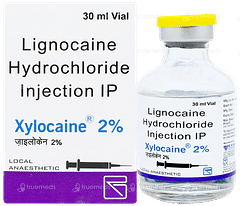
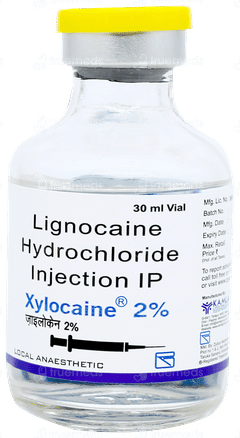
Xylocaine 2% Injection is used to numb a specific area of the body so that minor surgery, dental work or stitching can be done without pain. It is used for infiltration, where it is injected into the tissue around the area, and for nerve blocks. It is not used for spinal or epidural anaesthesia. See a doctor soon if you have a rash, swelling of the face or trouble breathing after the injection.
Xylocaine 2% Injection is given by a doctor, dentist or trained healthcare professional. They decide the amount based on the procedure and your weight. Follow your doctor's prescribed dose and duration. The numbness usually starts within a few minutes and wears off in one to two hours. Take care not to bite, burn or injure the numbed area. Avoid hot drinks and chewing until feeling returns.
Common side effects of Xylocaine 2% Injection include pain at the injection site, dizziness, tingling around the mouth, low blood pressure, nausea, drowsiness and blurred vision. Mild effects may settle during treatment. Inform your doctor if symptoms persist or worsen. Tell the healthcare team straight away if you have ringing in the ears, a strange taste, numb lips or tongue, twitching or an uneven heartbeat. The healthcare professional decides the amount you receive.
Before using Xylocaine 2% Injection, tell your doctor about any reaction to a local anaesthetic, heart disease, a slow heartbeat, epilepsy, liver or kidney disease or porphyria. Mention all medicines, supplements and herbal products you take, especially heart rhythm medicines. Consult your doctor if you are pregnant or breastfeeding. Tell the healthcare team if you feel unwell during or after the procedure. Tell your doctor if you have low blood pressure.