Key Takeaways
- Gas can cause chest pain that may feel sharp, stabbing, or like pressure
- Heart attacks can feel like indigestion, making the two difficult to distinguish
- Call emergency services (108 or 112) immediately if chest pain comes with shortness of breath, arm pain, jaw pain, or sweating
- Exercise-related chest pain always warrants medical evaluation
- When uncertain whether chest pain is gas or cardiac, always err on the side of seeking emergency care
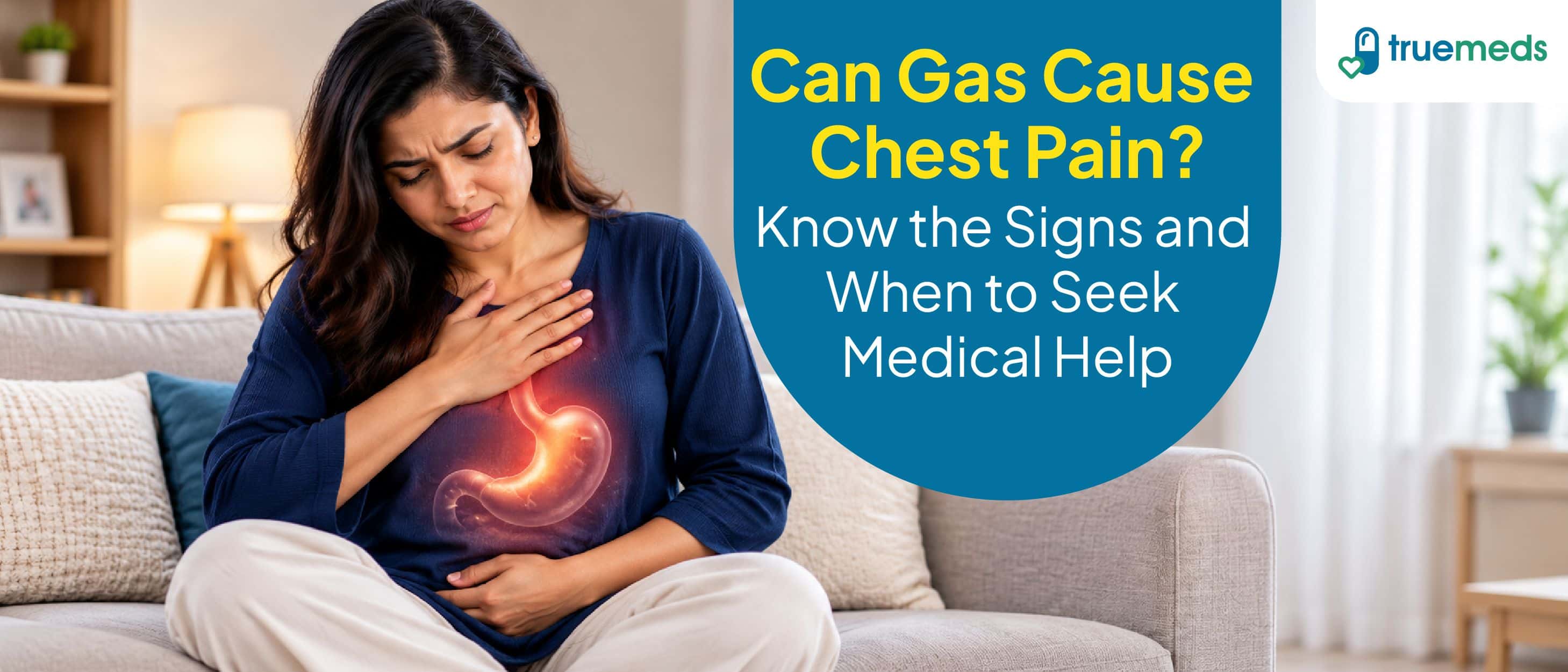
Many people wonder whether gas can cause chest pain, and the answer is yes. However, gas-related discomfort and heart-related chest pain can feel very similar, making them difficult to distinguish. If you are unsure about the cause of your chest pain, seek emergency medical care immediately.
Gas-related chest pain and heart attack symptoms are often mistaken for one another because both can cause chest pressure or discomfort. In some cases, a heart attack may also feel similar to heartburn or indigestion[1]. This article offers general information on gas-related chest discomfort and heart attack symptoms, but it does not replace professional medical evaluation or emergency care when chest pain occurs.
When is chest pain a medical emergency?
Identifying the early signs of a medical emergency can be lifesaving. Most heart attacks cause discomfort in the middle of the chest that persists for several minutes or subsides and then returns. This discomfort may present as pressure, tightness, a sensation of fullness, or pain in the chest[2].
Call emergency services (108 or 112) immediately if you experience[2],[3]:
- Pain spreading to one or both arms, shoulders, back, neck, jaw, or stomach
- Shortness of breath, with or without chest discomfort
- Cold sweats, nausea, dizziness, or lightheadedness
- Sudden, severe chest pain, especially if it spreads to the back or between the shoulder blades
- Angina that becomes more severe, lasts longer, occurs more frequently, or develops at rest
- Sudden, sharp chest pain with shortness of breath, especially after prolonged immobility or with leg swelling
A heart attack occurs when blood flow to the heart muscle is blocked, depriving it of oxygen. In addition to the symptoms listed above, it may cause unusual fatigue, weakness, or indigestion. Symptoms can vary from person to person and may be less obvious in some individuals. Prompt medical attention is essential to prevent serious heart damage or death. If you suspect a heart attack, seek emergency medical help immediately[4].
While waiting for emergency medical services, take the following steps if you suspect a heart attack[5]:
- Stop all activity and help the person rest in a comfortable position
- If advised by a healthcare professional, assist the person in taking aspirin as directed, provided they are awake, can chew or swallow safely, and have no known allergy or contraindication
- Assist the person in taking their prescribed medication, such as nitroglycerin, as directed by their healthcare professional
- Loosen tight clothing, keep the person from becoming too cold or overheated, and reassure them
- Stay with the person and monitor their breathing and responsiveness until emergency help arrives
- If they become unresponsive and are not breathing normally, begin CPR or use an automated external defibrillator (AED) if available
Can gas really cause chest pain?
Yes, digestive problems can cause chest discomfort. Heartburn and acid reflux may cause a burning sensation in the chest, particularly after eating[6]. Other symptoms of digestive problems may include bloating, belching, and bringing up food or bitter-tasting fluid[3].
However, chest pain should not automatically be attributed to gas or indigestion, as it can also indicate a serious heart problem[3]. Seek immediate medical attention if you have persistent chest pain, pain that spreads to your arms, neck, jaw, back, or abdomen, or chest discomfort accompanied by sweating, nausea, dizziness, or breathlessness[6].
If you are uncertain about the cause of your chest pain, seek medical evaluation.
Gas pain vs heart attack: key differences
While gas and heart attacks can both cause chest discomfort, certain features may help distinguish between them. However, these differences are not absolute, and medical evaluation remains essential when in doubt. The key differences include[2],[3],[4],[6],[7]:
Feature | Gas pain | Heart attack |
|---|---|---|
Location | May shift; often in upper abdomen or chest | Centre of chest; may radiate to arm, jaw, neck, back |
Duration | May vary depending on the cause | Lasts more than a few minutes or comes and goes |
Character | May cause abdominal discomfort, bloating or belching | Pressure, squeezing, fullness |
Relief | May improve with burping, passing gas, or movement | Does not improve with position changes or antacids |
Associated symptoms | Bloating, belching, abdominal discomfort | Shortness of breath, cold sweat, nausea, arm or jaw pain |
Women may have less typical heart attack symptoms, such as breathlessness, nausea, vomiting, or pain in the back or jaw, and these symptoms can occur even without the usual chest pain[2]. Heart attack symptoms in women may differ from those commonly seen in men, including discomfort in the shoulders, back, or arms, unexplained fatigue, weakness, stomach upset, and anxiety[8].
Never assume chest pain is just gas without proper medical evaluation, especially if you have risk factors for heart disease.
Read about - Why Does Your Chest Feel Tight or Heavy? Causes and Care
Can gas cause chest pain on the left or right side?
Gas can cause pain and discomfort in different parts of the digestive tract. Depending on where gas builds up, it may cause abdominal discomfort that can sometimes be mistaken for chest pain[9].
Left-sided pain from gas may occur when gas collects in the left side of the colon, potentially causing discomfort in the upper abdomen. Right-sided pain from gas may occur when gas accumulates in the right side of the colon. This discomfort may resemble pain associated with other digestive conditions, such as gallstones or appendicitis[9].
However, chest pain should not automatically be attributed to gas. If the pain is persistent, unexplained, or accompanied by symptoms such as shortness of breath, sweating, or dizziness, seek medical attention promptly[3].
Why chest pain during exercise needs extra caution
Chest pain that occurs during physical activity requires special attention because exercise increases the heart's demand for oxygen. If the heart's blood supply is compromised, symptoms may emerge during exertion.
Physical exercise or emotional stress are common triggers of anginal symptoms. Occurrence at rest or with minimal exertion associated with anginal symptoms usually indicates acute coronary syndrome, which requires immediate medical attention[10].
Symptoms that warrant stopping exercise immediately and seeking medical attention include the following[11]:
- Dizziness or lightheadedness
- Chest pain or pressure
- Irregular heartbeat or pulse
- Shortness of breath
- Nausea
While gas-related chest pain can occasionally occur during exercise due to physical movement stimulating the digestive system, any chest discomfort during physical activity should be evaluated by a healthcare professional before assuming it is related to gas.
How to relieve gas-related chest pain
Once gas-related symptoms have been identified, your doctor may recommend several approaches to reduce or prevent excess gas. These may include swallowing less air, changing your eating and drinking habits, adjusting your diet, or taking medicines and supplements[12].
Lifestyle modifications
Follow these lifestyle changes[12]:
- Eat slowly and sit down to eat rather than eating on the go
- Avoid chewing gum, sucking on hard candies, and drinking fizzy beverages or using straws
- Avoid talking while eating or drinking to reduce the amount of air you swallow
- If you smoke, talk to your doctor about strategies to quit
Dietary adjustments
Your doctor may recommend eating smaller, more frequent meals or reducing foods and drinks that trigger your symptoms. Common triggers include cruciferous vegetables (such as broccoli and cauliflower), legumes (such as beans, peas, and lentils), and foods or drinks high in fibre, fructose, or lactose[12].
Your doctor may recommend specific dietary changes to manage underlying conditions that contribute to gas symptoms, such as coeliac disease, irritable bowel syndrome (IBS), or lactose intolerance[12].
Medicines and supplements
Depending on your symptoms and whether an underlying health condition is contributing to them, your doctor may recommend over-the-counter medicines, prescription medications, or supplements. Prescription medicines may be used to treat conditions such as IBS or small intestinal bacterial overgrowth (SIBO). Lactase products may also help people with lactose intolerance[12].
If gas-related symptoms persist despite lifestyle changes, consult your doctor to rule out underlying digestive conditions.
Conclusion
Gas can indeed cause chest pain, but distinguishing it from cardiac pain can be challenging. The key points to remember are the following: Heart attack symptoms include chest pressure lasting more than a few minutes with pain that may spread to the arms, jaw, or back; gas pain typically shifts location and may improve with movement or passing gas; and women may experience less typical heart attack symptoms. When in doubt about the cause of your chest pain, always seek emergency medical care. It is better to have gas evaluated unnecessarily than to ignore a potentially life-threatening cardiac event.
FAQs
Can gas cause chest pain on the left side specifically?
Yes, gas can cause left-sided chest pain when trapped near the colon. However, left-sided chest pain also overlaps with cardiac pain location. If you experience persistent or severe left-sided chest pain, seek medical evaluation to rule out heart-related causes.
What does gas pain in the chest actually feel like?
Gas pain in the chest often feels sharp or stabbing and may shift location with movement or position changes. It is frequently accompanied by bloating, the urge to belch, or abdominal discomfort. The pain typically improves after passing gas or burping.
Should I go to the ER if I'm not sure whether it's gas or my heart?
Yes, absolutely. Medical guidelines advise calling emergency services (108 or 112) if you think you might be having a heart attack, even if you are not certain. Emergency medical professionals can quickly determine the cause and provide appropriate treatment.
Can gas cause chest pain that lasts for hours?
Gas pain can sometimes persist for extended periods if the gas remains trapped. However, chest pain lasting more than a few minutes warrants medical evaluation, as this is also a characteristic of heart attacks. Do not assume prolonged chest pain is just gas.
Are women's heart attack symptoms different from men's?
Women often experience less typical symptoms, including shortness of breath, nausea, vomiting, back or jaw pain, unusual tiredness, and anxiety. Women may sometimes have these symptoms without classic chest pain, making heart attacks harder to recognise.
Can anxiety also cause chest pain similar to gas or a heart attack?
Yes, anxiety can cause real chest pain through muscle tension and changes in breathing patterns. Anxiety-related chest pain is typically sharp and brief, unlike the pressure or squeezing of cardiac pain. However, distinguishing anxiety from cardiac causes requires professional assessment.
Medical Disclaimer
This article is for informational purposes only and does not constitute medical advice. The information provided should not be used for diagnosing or treating health conditions. Always consult a qualified healthcare provider for diagnosis, treatment, and personalised medical advice. Do not disregard professional medical advice or delay seeking it because of information found in this article. If you have a medical emergency, contact your doctor or emergency services immediately.
References
National Heart, Lung, and Blood Institute. (2022). Heart attack symptoms. NHLBI. https://www.nhlbi.nih.gov/health/heart-attack/symptoms
American Heart Association. (2024). What are the warning signs of heart attack. AHA. https://www.heart.org/en/-/media/Files/Health-Topics/Answers-by-Heart/What-Are-the-Warning-Signs-of-Heart-Attack.pdf
MedlinePlus. (2026). Chest pain. MedlinePlus. https://medlineplus.gov/ency/article/003079.htm
National Institute on Aging. (2024). What is a heart attack? NIA. https://www.nia.nih.gov/health/heart-health/what-heart-attack