
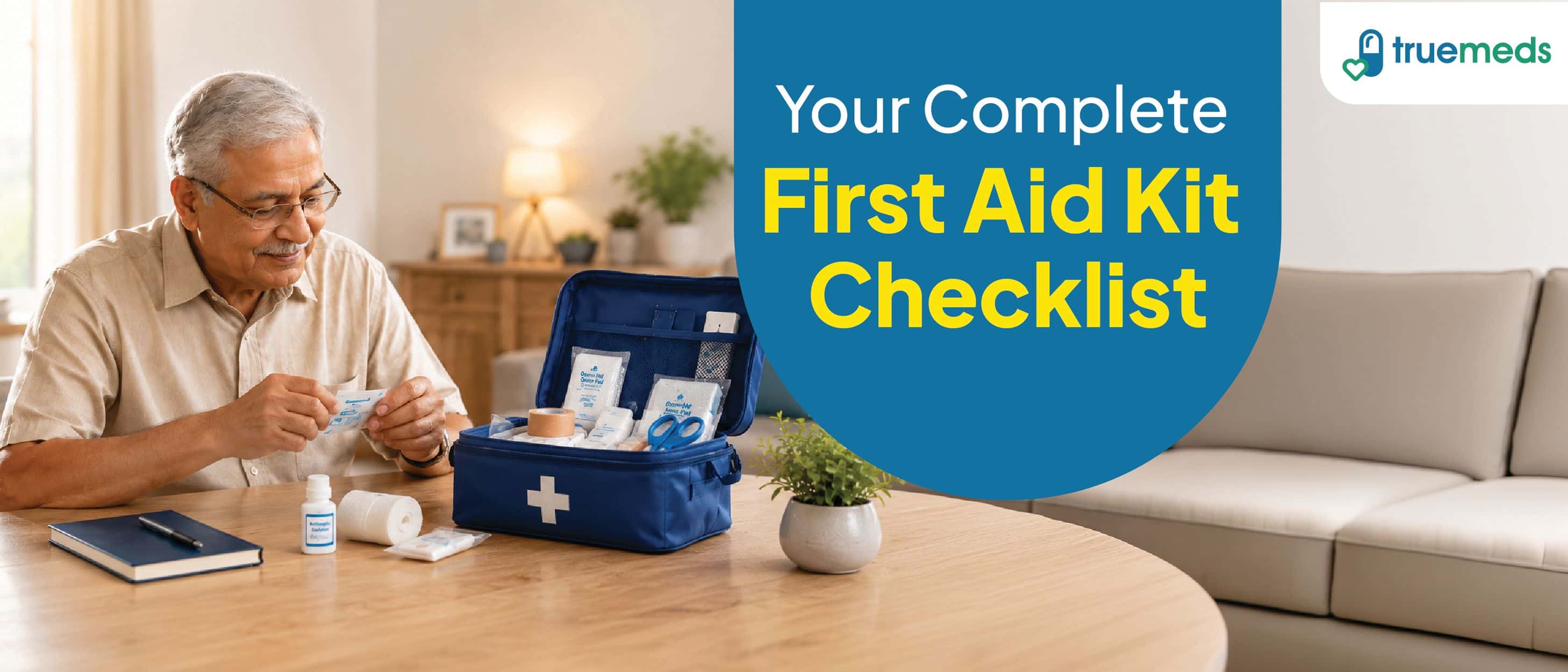
Knowing which items to include in a first-aid box can make a real difference during an emergency. A first aid kit supports immediate care before professional help arrives, and trusted guidance recommends keeping one at home and in the car, with larger or specialised versions for travel, workplaces, or sports[1]. Whether you are a parent at home, a frequent traveller, or a workplace safety officer, having the right supplies within reach matters. This guide covers what to include in a first aid kit for different settings, how to organise and maintain it, and the items people most commonly forget.
Key Takeaways
- A basic first aid box includes dressings, antiseptic supplies, gloves, scissors, and a first-aid guide.
- The most useful kit is one that is customised for the setting and the people who may need it, including children, older adults, and people with chronic conditions.
- First aid kits should be kept in an accessible, known location and reviewed regularly, especially after use or at seasonal changes.
- Workplaces may need extra protective gear and should consider having trained first responders on site.
- Do not forget an emergency information card with contact numbers, allergy details, and medication lists.
What's in a First Aid Box? The Quick Answer
At a minimum, a basic first aid kit should include[1]:
- Adhesive bandages (assorted sizes)
- Sterile gauze pads
- Adhesive tape
- Antiseptic wipes
- Disposable gloves
- Scissors
- A first-aid guide
This core list is a good starting point for anyone building a kit for the first time.
Quick First Aid Kit Checklist for Home, Travel and Workplace
A more complete kit can include additional items that cover a wider range of situations[2]:
Category | Items |
Wound care | Adhesive bandages, sterile gauze pads, non-stick gauze, triangular bandages, elastic bandages |
Eye care | Eye pads or shields, sterile eyewash |
Disinfection | Antiseptic wipes, antiseptic solution, antibiotic ointment |
Topical supplies | Calamine lotion, hydrocortisone cream |
Tools | Scissors, tweezers, a thermometer, and instant ice packs, CPR face shield/mask |
Hygiene and protection | Disposable gloves, face masks, hand sanitiser |
Keep this checklist visible when assembling or restocking your kit.
What Makes a First Aid Kit Truly Useful?
A truly useful first aid kit contains the essential supplies needed to support initial care for common injuries and emergencies quickly and safely.
1. The Purpose of a First Aid Kit
A first aid kit is designed to help with common minor problems such as cuts, scrapes, sprains, insect stings, and minor burns before professional care is available[2]. It does not replace emergency services for serious conditions like severe bleeding, difficulty breathing, chest pain, or loss of consciousness. For those situations, call local emergency services immediately.
2. Emergencies a Basic Kit Can Help Manage
A well-stocked kit can support initial care for small wounds, minor skin reactions, eye irritation, and soft-tissue injuries. Keeping it in one known location and checking it regularly can help ensure supplies are available when needed[2]. For anything beyond minor first aid, seek medical attention promptly.
3. Common Mistakes People Make When Building a Kit
People often build a kit once and forget to review it. Others copy a generic list without considering the specific needs of their household, workplace, or activity. A kit that is not tailored, up to date, or accessible may not help when it is needed most.
Essential First Aid Kit Items and Why Each One Matters
A well-stocked first aid kit should include essential supplies to clean, protect, and manage common injuries safely until further medical care is available.
Adhesive bandages, sterile gauze pads, non-stick gauze, and elastic bandages help cover and support injured areas. Triangular bandages can be used as slings or to secure dressings in place[2].
1. Cleaning and Disinfection Supplies
Antiseptic wipes and antiseptic solution help clean wounds before dressing them. Antibiotic ointment may be applied to small cuts or scrapes. Sterile eyewash can help rinse the eyes[2].
2. Tools for Safe First Aid
Tweezers, scissors, a thermometer, and instant ice packs support safe and effective first aid for a range of injuries[2].
3. Medicines Commonly Kept in a First Aid Kit
Medicines in a kit are generally limited to simple topical supplies. Prescription medicines and medical devices should be individualised to the user's specific needs and conditions, rather than selected from a generic list[3]. Do not self-medicate without medical supervision.
4. Protective Items for Emergency Situations
Gloves, eye protection, protective clothing, and respirators can reduce exposure to physical, chemical, and biological hazards, particularly in emergency response, recovery, or cleanup situations[4]. For everyday home kits, disposable gloves and face masks are practical minimum choices.
How to Make a First Aid Kit From Scratch
A well-organised first aid kit can help you respond quickly and confidently to common injuries and emergencies.
1. Choosing the Right Container
Use a portable, durable container that can be carried easily and kept in a fixed, accessible location[5]. A waterproof or airtight container helps protect supplies from moisture damage.
2. Building Your Kit Step by Step
Start with the core items from the checklist above. Then add supplies specific to your household, travel destination, or workplace [1]. Keep personal medicines and medical devices in a separate labelled section within the kit.
3. Organising Items for Quick Access
Group items by category: wound care, tools, medicines, and protective gear. Label each section clearly. The most frequently needed items should be easiest to reach.
4. Creating an Emergency Information Card
Include an emergency information card with contact numbers, personal identification, medication details, allergy information, and copies of important documents stored in a waterproof holder[5]. This card is especially useful if the person needing help cannot speak or is unconscious.
What Should Be in a Home First Aid Kit?
A home first aid kit should include essential supplies for treating common injuries and handling unexpected health emergencies.
1. Supplies for Everyday Household Injuries
The core checklist items (bandages, gauze, antiseptic wipes, tweezers, scissors, and topical supplies) cover many everyday household injuries.
2. Items for Children and Older Adults
A home kit may need to be customised for family members who require prescription medicines, inhalers, glasses, hearing aids, blood sugar monitoring supplies, infant care items, or other personal medical devices[3].
3. Extra Essentials Worth Keeping at Home
Consider keeping a written list of each family member's current medications, doses, allergies, and their doctors' contact details. This information may be critical if someone else needs to help in an emergency[3].
What Should Be in a Travel First Aid Kit?
A travel first-aid kit should contain compact, versatile supplies to help you handle common injuries and health needs while on the go.
1. Compact Items That Save Space
A travel kit should stay small but practical. Include only the core wound care items: a pair of gloves, antiseptic wipes, a small pair of scissors or tweezers, and a basic first-aid guide[5].
2. Travel-Friendly Medicines and Supplies
Add personal prescription medicines, a list of medical contacts, and key personal identification documents. Keep chargers for any medical devices you carry[5].
3. Items for Outdoor Activities and Road Trips
For outdoor trips, weather- or activity-specific extras may be useful. Consider adding instant ice packs for sports injuries and any personal protective gear relevant to the activity[5].
What Should Be in a Workplace First Aid Kit?
A workplace first aid kit should be tailored to common job-related injuries, workplace risks, and basic safety requirements.
1. Common Workplace Injury Supplies
Workplace kits should include standard first aid items and be placed where workers spend time and where injuries are most likely to occur[6].
2. Additional Items for High-Risk Work Environments
High-risk environments may require additional protective gear, adaptive equipment, or hazard-specific supplies depending on the type of work being performed[4]. Severe bleeding-control supplies, such as tourniquets and haemostatic gauze, may also be needed.
3. India Workplace Compliance Basics
In India, the Ministry of Health and Family Welfare (MoHFW) training for a "First Responder" covers assessment of injuries, life-saving first aid, and transfer to the medical care system. This training is available to industry employees and public-health workers alike[7]. Employers are encouraged to ensure that at least some staff have formal first aid training, particularly in higher-risk workplaces.
4. Keeping Workplace Kits Ready for Emergencies
Make sure all staff know where the kit is stored. Kits should be easy to reach quickly and checked on a regular schedule. Replace used or expired items promptly[6].
How Often Should You Check and Refill Your First Aid Kit?
Regularly checking and refilling your first aid kit helps ensure essential supplies are safe, available, and ready when you need them.
1. Replacing Expired Products
Check your kit at least every six months for expired medicines, outdated supplies, or items that are no longer functional[5].
2. Restocking Used Supplies
Replace any item used during first aid as soon as possible, even if the next scheduled check is months away[5].
3. Seasonal Updates for Your Kit
During hot-weather months or before outdoor events, consider adding or reviewing ORS packets, ice packs, and cooling supplies. Indian public health guidance supports preparedness and referral planning for heat-related illness during the summer season[8].
Where Should You Keep a First Aid Kit?
Keeping your first aid kit in a safe, accessible, and clearly known location ensures it can be reached quickly during an emergency.
1. Best Locations at Home
Keep the kit in a central, accessible location that all household members know[6]. Avoid storing it in locked cabinets or out-of-reach spaces.
2. Where to Store a Kit While Travelling
A travel kit should be easy to access in your bag, backpack, or vehicle. Store it separately from luggage that may go in a cargo hold[5].
3. Making Workplace Kits Easy to Access
Place workplace kits near work areas, clearly labelled, and away from hazardous materials. Make sure all team members know the location of the first aid kit[6].
First Aid Kit Items People Often Forget
Some useful first aid kit essentials are easy to overlook but can make a big difference in an emergency.
1. Emergency Contact Information
A list of emergency phone numbers, including local emergency services, poison control, and personal doctors, is one of the most commonly missed items[1].
2. Medical History and Prescription Details
Including a brief note on current medications and medical conditions, as well as instructions on what to do if the person is found unconscious or unable to speak, can guide first responders effectively[6].
3. Flashlight, Whistle, and Other Helpful Extras
A small flashlight and a whistle can help in low-light conditions or when signalling for help[5]. These simple extras can make a real difference in an emergency.
FAQs
What are 10 things in a first aid kit?
A standard kit typically includes adhesive bandages, sterile gauze pads, adhesive tape, antiseptic wipes, disposable gloves, scissors, tweezers, a thermometer, a first-aid guide, and a topical wound supply such as antibiotic ointment or antiseptic solution.
How to make a small medkit?
Choose a compact, portable container and fill it with only the essentials: bandages, antiseptic wipes, gloves, scissors, and any personal medicines you need. Add emergency contacts and keep it light enough to carry comfortably during travel or daily use.
How do I make a first aid kit at home?
Start with the core supplies listed in the checklist above, then add items your family specifically needs, such as prescription medicines, an inhaler, infant care items, or blood sugar monitoring supplies. Store it in a place everyone at home can find quickly.
What are the different types or classes of first aid kits?
Kits are generally grouped by setting: a basic home kit for everyday injuries, a compact travel kit for trips and outdoor activities, and a workplace kit tailored to job-specific hazards. Each type can be further customised based on individual or group needs.
What medicines should be included in a first aid kit?
Common topical supplies such as antiseptic solution, antibiotic ointment, calamine lotion, and hydrocortisone cream are generally kept in kits. Prescription medicines should be selected based on individual needs. Do not include medicines without medical guidance.
How often should a first aid kit be checked?
Check your kit at least every six months. Replace any used or expired supplies as soon as possible. After any emergency use, restock the kit before the next scheduled check.
What should a travel first aid kit contain?
A travel kit should include core wound care supplies, personal prescription medicines, a list of emergency contacts, identification documents, chargers for any medical devices, and any extras suited to your destination or activity.
What should a workplace first aid kit contain?
Workplace kits should cover standard first aid supplies placed where workers spend time. High-risk workplaces may need additional protective gear or hazard-specific supplies. Having at least some staff trained in first aid is also strongly advisable.
Can I customise a first aid kit for my family?
Yes. A family kit can be adapted to include prescription medicines, inhalers, glasses, hearing aids, blood sugar supplies, infant care items, or other devices specific to each member's health needs. Personalisation makes a kit significantly more useful.
Where is the best place to store a first aid kit?
Store your kit somewhere accessible and known to everyone in the household, vehicle, or workplace. Avoid locked or hard-to-reach spaces. For travel, keep it in a bag or compartment you can reach quickly when needed.
Medical Disclaimer
This article is for informational purposes only and does not constitute medical advice. The information provided should not be used for diagnosing or treating health conditions. Always consult a qualified healthcare provider for diagnosis, treatment, and personalised medical advice. Do not disregard professional medical advice or delay seeking it because of information found in this article. If you have a medical emergency, contact your doctor or emergency services immediately.
References
NLM MedlinePlus. (2026). First Aid. MedlinePlus. https://medlineplus.gov/firstaid.html
NLM MedlinePlus Medical Encyclopedia. (2025). First aid kit. MedlinePlus. https://medlineplus.gov/ency/article/001958.htm
CDC. (2024). Personal Needs. CDC. https://www.cdc.gov/prepare-your-health/take-action/personal-needs.html
CDC/NIOSH. (2024). Personal Protective Equipment. CDC. https://www.cdc.gov/niosh/emres/safety/ppe.html