Chest tightness or heaviness is a symptom, not a medical condition itself. It can have many possible causes, including heart, lung, digestive, musculoskeletal, or psychological conditions. While some causes, such as muscle strain or acid reflux, are usually mild and improve with appropriate care, others, including heart attacks or pulmonary embolism, require urgent medical attention. Because chest tightness or a heavy feeling in the chest can sometimes signal a serious underlying condition, new, severe, persistent, or unexplained symptoms should never be ignored. Prompt medical evaluation can help identify the underlying cause and ensure timely treatment when needed.
What does chest tightness or heaviness feel like?
When your chest feels heavy or tight, you may experience a sensation of pressure, squeezing, or fullness in the chest area. Some people describe it as feeling like a heavy weight is pressing down on their chest. The discomfort may also radiate to other parts of the body, such as the neck, jaw, or arms[2]. Chest tightness or heaviness can be constant or intermittent, and certain activities or stress levels may worsen the sensation. While the experience of tightness in the chest can vary from person to person, it is essential to pay attention to these sensations and seek medical advice if they persist or worsen.
Common causes of chest tightness or heaviness
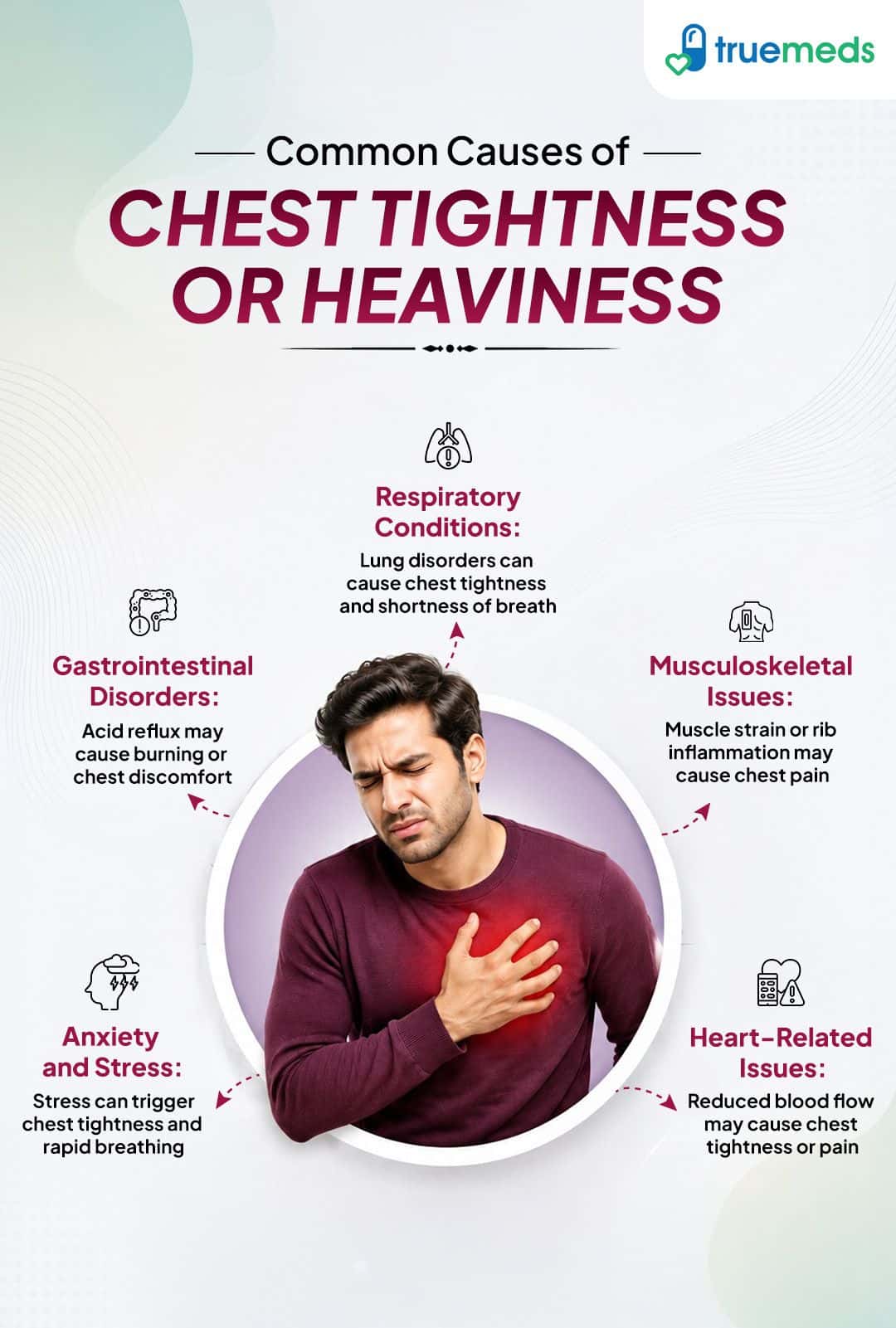
There are several reasons why your chest feels heavy, ranging from heart-related issues to respiratory problems and even psychological factors. Here are some of the most common causes of chest tightness:
1. Heart-related issues
One of the most concerning causes of chest tightness is heart-related issues. Conditions such as angina, which occurs when there is reduced blood flow to the heart muscle, can cause a feeling of tightness in the chest [1]. Similarly, a heart attack, which happens when blood flow to the heart is completely blocked, can cause pressure, heaviness, or squeezing in the chest[3]. Microvascular angina, which affects the smaller blood vessels in the heart, can cause similar discomfort[1]. These conditions often present with pain or pressure that may spread to the neck, arm, or jaw and can be triggered by physical exertion or stress[3]. If you experience chest tightness or heaviness along with other symptoms like shortness of breath, nausea, or dizziness, it is crucial to seek immediate medical attention.
If you experience severe chest pain with these symptoms, seek emergency medical care immediately.
2. Gastrointestinal disorders
Gastrointestinal disorders such as gastroesophageal reflux disease (GERD) and acid reflux can often be mistaken for chest pain, manifesting as a burning sensation behind the breastbone. This type of noncardiac chest pain can feel similar to angina but does not typically radiate to the arms and is not worsened by physical activity. Oesophageal spasms, which can be triggered by acid reflux, may cause sharp pain in the throat and upper chest[2]. These symptoms are often brought on by eating or lying down and can be alleviated with antacids.
3. Respiratory conditions
Respiratory conditions like asthma, pneumonia, and pleurisy can cause tightness and heaviness in the chest. Asthma may result in a tight, heavy feeling in the chest due to bronchospasm, which constricts the airways[4]. Pneumonia, an infection of the lungs, can cause sharp chest pain that worsens with deep breathing or coughing[5]. These respiratory conditions often present with additional symptoms such as coughing, wheezing, or shortness of breath.
4. Musculoskeletal issues
Musculoskeletal issues are a frequent cause of localised chest tightness and pain[2]. Muscle strain, particularly in the chest wall or intercostal muscles between the ribs, can result in sharp, focal pain[6]. Costochondritis, which is inflammation of the cartilage that connects the ribs to the breastbone, can also cause chest pain that may be mistaken for a cardiac issue. Rib injuries, such as fractures or bruising, can lead to localised pain that worsens with movement or deep breathing[2]. These musculoskeletal conditions often respond well to rest, physical therapy, or anti-inflammatory medications.
Treatment options should be discussed with a healthcare provider.
5. Anxiety and Stress
Anxiety and stress can cause physical symptoms, including chest tightness or a feeling of heaviness in the chest[7]. This sensation is often described as pressure, squeezing, or constriction and can be alarming for those experiencing it. However, these symptoms are typically not related to a cardiac issue, once heart causes have been ruled out but rather are linked to heightened emotional states[7]. Chest tightness caused by anxiety or stress may be accompanied by other symptoms such as rapid heartbeat, palpitations, or shortness of breath. Managing stress through relaxation techniques, such as deep breathing or meditation, can help alleviate these symptoms[7]. In some cases, seeking professional help from a mental health expert may be beneficial for addressing underlying anxiety or stress disorders.
6. Other potential causes
In addition to the common causes discussed earlier, chest tightness or heaviness can also be a symptom of more serious conditions such as lung cancer, pericarditis (inflammation of the heart's protective sac), and pulmonary embolism (a blood clot in the lungs)[8]. These conditions require prompt medical evaluation and treatment. Lung cancer rarely presents with chest tightness alone and usually occurs with other symptoms such as chronic cough or weight loss. It may cause chest discomfort due to the growth of a tumour, while pericarditis often leads to sharp chest pain that improves when sitting up and leaning forward[2]. Pulmonary embolism typically presents with the sudden onset of chest pain accompanied by shortness of breath[8]. If you suspect any of these conditions, it is essential to seek medical attention immediately. Treatment for tightness or heaviness in the chest depends on identifying and addressing the underlying cause.
Remedies and treatments for chest tightness or heaviness
The appropriate remedy for chest tightness or heaviness varies based on the root cause, which may be related to the heart, lungs, or stress. Treatment approaches range from simple self-care techniques to medical interventions, all aimed at addressing the specific underlying condition. Here are some effective self-care methods for managing tightness in the chest:
1. Warm or cold compresses
Applying warm or cold compresses to the chest area can help reduce inflammation and alleviate pain associated with tightness in the chest. Warm compresses promote blood flow and are often beneficial for muscle strains[9], while cold compresses help decrease inflammation and are useful for managing injuries[10]. Both techniques can offer relief for conditions such as costochondritis (inflammation of the rib cage cartilage) or muscle strain. However, it is crucial to consult with your doctor to determine the most appropriate approach for your specific condition.
2. Proper breathing techniques
Engaging in proper breathing techniques is an effective way to alleviate chest tightness by promoting relaxation and reducing stress[7]. Deep breathing exercises involve taking slow, controlled breaths, focusing on inhaling deeply and exhaling completely. This practice can help regulate breathing patterns and reduce anxiety symptoms[7]. For individuals experiencing chest tightness due to panic attacks or stress-related conditions, incorporating breathing exercises into their daily routine can be a valuable first step in managing their symptoms. Combining these techniques with other relaxation methods, such as meditation or gentle stretching, can further enhance their benefits and promote overall well-being.
3. Over-the-counter pain relievers
Over-the-counter pain relievers like ibuprofen or paracetamol can provide temporary relief from chest tightness caused by muscle strain or inflammation[11]. However, it is essential to use these medications cautiously, as they may pose risks, especially when taken for extended periods. If you experience persistent chest tightness, consult your doctor before relying on pain relievers, as they may temporarily relieve symptoms while delaying the diagnosis of an underlying heart condition.
Use as directed. Seek medical advice if symptoms persist or worsen.
4. Stress management techniques
Engaging in relaxation techniques such as meditation, yoga, and mindfulness can effectively alleviate chest tightness triggered by stress and anxiety[7]. These practices help reduce muscle tension, lower cortisol levels, and interrupt the body's "fight-or-flight" response, which often contributes to the sensation of heaviness in the chest[7]. Incorporating stress management techniques into your daily routine can improve emotional regulation and decrease the frequency and intensity of stress-induced chest discomfort. During acute episodes of tightness in the chest, focus on slow, deep breathing exercises to calm your nervous system and promote relaxation.
When should you seek emergency medical care?
If you experience severe chest tightness that radiates to your arm or jaw, or is accompanied by symptoms such as sweating, nausea, or shortness of breath, seek immediate medical care, as these may be signs of a heart attack[3]. Additionally, if chest pain lasts longer than 15 minutes at rest or recurs with exertion,, or occurs alongside dizziness or fainting, urgent medical evaluation is necessary. Consult your doctor if chest tightness recurs despite efforts to manage stress or use over-the-counter pain relievers, as this may indicate underlying conditions such as asthma, gastroesophageal reflux disease (GERD), or cardiac issues[4]. Prompt medical guidance is essential for accurate diagnosis and appropriate treatment.
Conclusion
Chest tightness can stem from various causes, including muscle strain, stress, or potentially serious cardiac conditions. While over-the-counter pain relievers like ibuprofen or paracetamol may provide temporary relief, they should be used cautiously and under the guidance of a doctor. Engaging in stress management techniques, such as meditation, yoga, and mindfulness, can help alleviate anxiety-related chest heaviness. By monitoring your symptoms and seeking medical advice when your chest feels heavy, you can effectively manage chest tightness and protect your heart health.
FAQs
Is chest tightness always a sign of a heart problem?
Chest tightness is not always a sign of a heart problem. It can be caused by various other conditions, such as anxiety, acid reflux, or musculoskeletal issues.
Can anxiety cause chest tightness?
Yes, anxiety can cause chest tightness. Stress and heightened physiological responses associated with anxiety can lead to a feeling of heaviness or tightness in the chest.
How can I differentiate between heartburn and a heart attack?
Heartburn typically involves a burning sensation in the chest after eating, which can be relieved by antacids. A heart attack often causes a feeling of pressure, squeezing, or fullness in the chest that may radiate to the jaw, neck, or arms.
What should I do if I experience sudden chest pain?
If you experience sudden chest pain, seek immediate medical attention by calling emergency services or visiting the casualty department of a hospital. Sudden chest pain could be a sign of a serious condition that requires prompt evaluation and treatment.
Are there any home remedies for relieving chest tightness?
Some home remedies, such as relaxation techniques and staying hydrated, may help alleviate non-cardiac chest tightness. However, it is crucial to consult a doctor for a proper diagnosis and treatment plan, as chest tightness can have various underlying causes.
Can acid reflux make your chest feel heavy?
Yes. Acid reflux or gastroesophageal reflux disease (GERD) can cause a feeling of heaviness, tightness, or burning in the chest that may resemble heart-related chest pain. Because the symptoms can be similar, persistent or severe chest discomfort should always be medically evaluated.
Which doctor should I consult for chest tightness?
You should initially consult a general physician or internal medicine specialist for chest tightness. Depending on the underlying cause, they may refer you to a cardiologist, pulmonologist, gastroenterologist, or another specialist for further evaluation and treatment.
Does chest tightness worsen during exercise?
It can. Chest tightness caused by heart conditions, such as angina, often worsens during physical activity and improves with rest. However, exercise may also trigger symptoms in people with asthma. Chest tightness during exertion should be assessed by a healthcare professional.
Can chest tightness be caused by muscle strain?
Yes. Muscle strain involving the chest wall or muscles between the ribs can cause chest tightness or pain, particularly after heavy lifting, exercise, or sudden movements. The discomfort often worsens with movement or pressure over the affected area and usually improves with appropriate rest.
Medical Disclaimer
This article is for informational purposes only and does not constitute medical advice. The information provided should not be used for diagnosing or treating health conditions. Always consult a qualified healthcare provider for diagnosis, treatment, and personalised medical advice. Do not disregard professional medical advice or delay seeking it because of information found in this article. If you have a medical emergency, contact your doctor or emergency services immediately.
References
National Heart, Lung, and Blood Institute. (2022, March 24). Angina (chest pain). National Institutes of Health. https://www.nhlbi.nih.gov/health/angina
MedlinePlus. (2023, October 2). Chest pain. U.S. National Library of Medicine. https://medlineplus.gov/ency/article/003079.htm
Harvard Health Publishing. (2022, August 1). Chest pain: A heart attack or something else? Harvard Medical School. https://www.health.harvard.edu/heart-health/chest-pain-a-heart-attack-or-something-else
Goldin, J., & Cataletto, M. E. (2024, May 3). Asthma. StatPearls - NCBI Bookshelf. https://www.ncbi.nlm.nih.gov/books/NBK430901/