
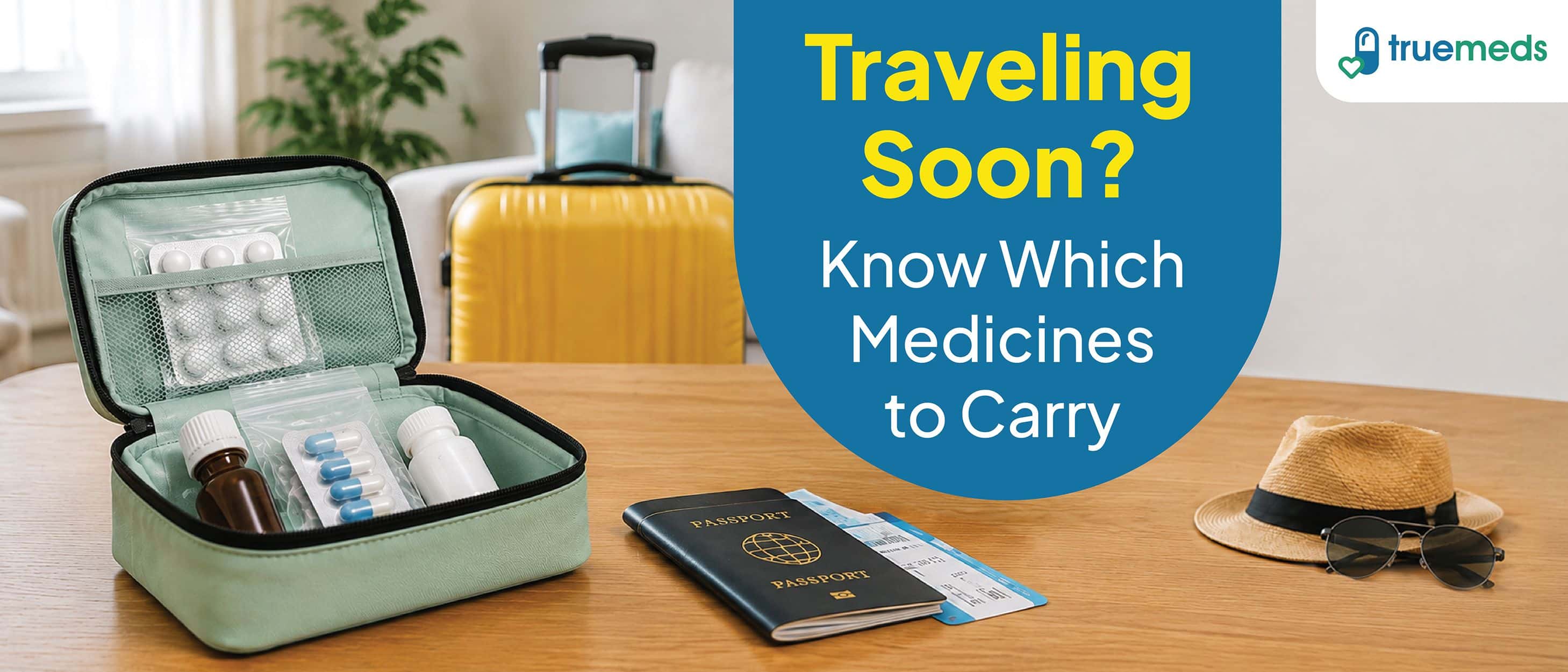
Whether you are heading to a hill station, exploring a new city, or embarking on an international adventure, knowing which medicines to carry while travelling can make the difference between a minor inconvenience and a ruined trip. Personalise your travel health kit based on the availability of local medical care, your itinerary, planned activities, and trip duration. A well-prepared travel medicine kit allows you to manage common minor illnesses and injuries without scrambling to find a pharmacy in an unfamiliar location[1]. This guide covers essential medicines, first aid supplies, motion sickness prevention, monsoon health essentials, and packing tips to keep you healthy throughout your journey.
Key Takeaways
- Personalise your travel medicine kit based on destination, trip duration, and planned activities.
- Include pain relievers, antidiarrhoeals, ORS sachets, antihistamines, and motion sickness tablets in your basic kit.
- Take motion sickness medication before symptoms start for better effectiveness.
- During monsoon travel, prioritise mosquito protection and waterborne illness prevention.
- Store medicines between 15 and 25°C and keep them in original containers.
- Pack prescription medicines in carry-on luggage with copies of prescriptions.
- Adjust kit contents based on whether you are taking a weekend trip, family vacation, or international journey.
Why should you carry a travel medicine kit?
When you travel, you may encounter unfamiliar foods, changing weather conditions, and limited access to healthcare facilities. A properly stocked travel medicine kit helps you respond quickly to common health issues like headaches, stomach upsets, or minor cuts. Extreme temperatures during travel can also reduce the effectiveness of many medicines, making proper preparation essential[2]. Having the right supplies on hand means you can address minor ailments promptly and focus on enjoying your trip rather than searching for medical help.
Essential medicines to carry while travelling
Your travel medicine kit should include medications for the most common health issues travellers face. The specific contents depend on your health history, destination, and trip duration.
Medicines for fever, pain, and common illnesses
Pack all prescription medicines along with a copy of the prescription in your carry-on bag. Keep medicines in their original containers with labels that clearly identify contents, patient name, and dosing information. For over-the-counter needs, include[1]:
- Paracetamol or ibuprofen for fever and pain relief
- Antacids for heartburn or indigestion
- Throat lozenges for sore throat or cough
Consult your doctor before taking any new medication, especially if you have existing health conditions.
Medicines for stomach problems and diarrhoea
Traveller's diarrhoea is among the most common travel-related illnesses. For severe fluid loss, oral rehydration solution (ORS) prepared from packaged oral rehydration salts is best, and it is widely available at pharmacies in most countries. Antimotility agents like loperamide can provide symptomatic relief and may reduce the frequency of bowel movements, which can be helpful during long-distance travel on aeroplanes or buses[3].
Medicines for allergies and cold symptoms
Antihistamines are useful for managing unexpected allergic reactions or cold symptoms during travel. Cetirizine is a second-generation antihistamine that may help reduce cold or allergy symptoms such as sneezing, itching, watery eyes, or runny nose[4]. Pack a small supply to address seasonal allergies or reactions to unfamiliar environments.
What should be included in a travel first aid kit?
Beyond medications, your travel first aid kit should include supplies for wound care and emergencies.
Wound care essentials
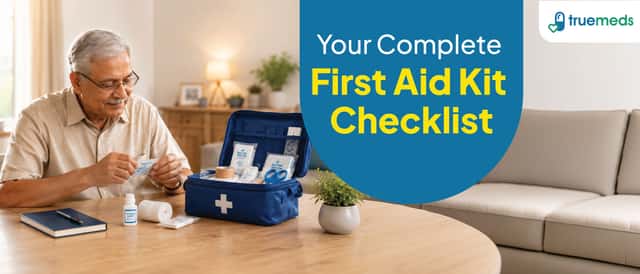
A well-equipped travel first aid kit should include supplies for managing minor injuries[1]:
- Adhesive bandages in various sizes
- Sterile gauze pads and medical tape
- Antiseptic wipes or solution
- Scissors and tweezers
- Elastic bandage to wrap injuries and support sprains
Emergency and personal health supplies
Beyond wound care, include personal health items and emergency supplies. Store medications and first aid supplies in a durable, water-resistant container. Consider adding[1]:
- Digital thermometer
- Insect repellent and sunscreen
- Hand sanitiser
- Personal prescription medications with documentation
How to prevent travel sickness during a journey
Motion sickness can affect anyone, but prevention strategies can significantly reduce symptoms.
Simple tips to reduce motion sickness
Motion sickness can significantly affect your travel experience. Behavioural interventions may help prevent symptoms before they start. Ensuring adequate sleep is important, as being sleep-deprived can worsen motion sickness. Avoiding alcohol consumption and smoking can also help reduce motion sickness symptoms. Additional strategies include[5]:
- Fixing your eyes on the horizon or a stable point
- Sitting in stable parts of the vehicle (front seat of a car, over the wings in an aeroplane)
- Taking controlled, slow breaths when symptoms begin
Which medicines can help with motion sickness and vomiting?
When behavioural strategies are not sufficient, motion sickness medications can provide relief.
When motion sickness tablets may help
Prevention of motion sickness is more effective than treatment[6]. Tablet medications should be taken well before travel to allow absorption, as once initial symptoms begin, gastric stasis may prevent the medication from working effectively[5]. For those prone to motion sickness, taking medication 30 to 60 minutes before departure may provide better results.
Motion sickness tablets commonly used for travel
Antihistamines are commonly used to prevent and treat motion sickness. A study found that antihistamines are likely to reduce the risk of developing motion sickness in susceptible adults under naturally occurring conditions of movement. However, people taking antihistamines may experience more drowsiness (sleepiness) than those taking a placebo[7].
Understanding dimenhydrinate uses
Dimenhydrinate is a first-generation antihistamine used for the treatment or prevention of motion sickness or symptoms of nausea and dizziness[8].
Consult a healthcare provider before using motion sickness medication, particularly for children or pregnant women.
Choosing the right option for your travel needs
When selecting a motion sickness tablet, consider the duration of your journey and potential side effects. First-generation antihistamines like dimenhydrinate are effective but may cause drowsiness[7]. For shorter trips, non-drowsy alternatives might be preferable. Discuss options with your doctor based on your specific travel plans.
What medicines should you carry during the monsoon season?
Travelling during the rainy season requires additional health precautions.
Monsoon health essentials for travellers
The monsoon season in India (June to September) brings unique health challenges. Malaria transmission peaks during this period because rainwater collection promotes mosquito breeding.
Key monsoon health essentials include[1]:
- Insect repellent with DEET
- Antimalarial medication (if prescribed for your destination)
- ORS sachets for potential waterborne illness
- Antihistamines for allergic reactions
Protecting yourself from seasonal illnesses
During monsoon travel, waterborne diseases become more common. Carry water purification tablets if travelling to remote areas. Mosquito-borne illnesses like dengue and malaria are more prevalent, so pack adequate insect repellent and consider wearing long sleeves during peak mosquito hours[1].
How to pack medicines safely while travelling
Proper packing ensures your medications remain effective and accessible throughout your journey.
Carrying prescription medicines
Pack all prescription and over-the-counter medicines in your carry-on luggage and take enough to last your entire trip plus extra in case of travel delays. Keep medicines in their original, labelled containers[2]. Narcotics and psychoactive medications for personal use should be carried in the original prescription container and are limited in many countries to a 30-day supply or less[1].
Storage tips for different climates
Proper storage maintains medication effectiveness. The general safe room temperature for medication storage is between 15 and 25°C. Unless instructions specifically require refrigeration, most medications should be stored in a cool, dry place away from sunlight[9]. In hot climates, consider insulated pouches for temperature-sensitive medicines.
Travel medicine kit checklist for different types of trips
Your kit contents should vary based on trip type and destination. Here is a quick guide:
Trip Type | Essential Items | Additional Considerations |
|---|---|---|
Weekend getaways | Basic pain relievers, bandages, antihistamines, personal medications | A basic first aid kit ensures minor injuries will not disrupt limited time away[10] |
Family vacations | Child-appropriate medications, thermometer, ORS sachets, motion sickness tablets | Include age-appropriate dosages and formulations for children |
International travel | Full first aid kit, prescription copies, antimalarials (if needed), water purification | For extended stays, a comprehensive kit is essential when heading to remote locations where medical help may be limited[10] |
Common mistakes travellers make with medicines
Many travellers make preventable errors when preparing their medicine kit. The most common mistakes include:
- Waiting until symptoms appear: Prevention is more effective than treatment for motion sickness. Take medications before travel begins.
- Forgetting prescription copies: Always carry prescriptions for controlled medications.
- Improper storage: Extreme temperatures can reduce medication effectiveness.
- Not packing enough: Carry extra supplies for potential travel delays.
- Leaving medicines in checked luggage: Always keep essential medicines in carry-on bags.
FAQs
What medicine should I carry while travelling?
Pack pain relievers like paracetamol, antidiarrhoeal medication, ORS sachets, antihistamines for allergies, and motion sickness tablets. Include any personal prescription medications with copies of prescriptions.
What all should we carry in a first aid kit while travelling?
Include adhesive bandages, sterile gauze, antiseptic wipes, scissors, tweezers, an elastic bandage, thermometer, and insect repellent. Store items in a water-resistant container for durability.
What is a travel medicine kit?
A travel medicine kit is a personalised collection of medicines and first aid supplies designed to manage common minor illnesses and injuries during travel. Contents should be based on destination, activities, and trip duration.
How can I prevent travel sickness naturally?
Get adequate sleep before travel, avoid alcohol and smoking, fix your eyes on the horizon, sit in stable vehicle positions, and practise controlled breathing. Taking medication before symptoms start also helps.
Which motion sickness tablet is commonly used during travel?
Dimenhydrinate is a commonly used first-generation antihistamine for motion sickness prevention and treatment. It should be taken 30 to 60 minutes before travel for best results but may cause drowsiness.
What are the uses of dimenhydrinate?
Dimenhydrinate is used for prevention and treatment of motion sickness, nausea, vomiting, and dizziness. It works by blocking signals in the brain that trigger these symptoms.
What medicines should I carry during the monsoon season?
Carry insect repellent, ORS sachets, antihistamines, and antimalarial medication if prescribed. Include water purification tablets for remote areas where waterborne illness risk increases.
Can I carry prescription medicines on a flight?
Yes, keep prescription medicines in their original labelled containers in your carry-on bag. Carry prescription copies and note that some countries limit controlled medications to a 30-day supply.
How should medicines be stored while travelling?
Store medicines between 15 and 25°C in a cool, dry place away from sunlight. Use insulated pouches in hot climates and keep medicines in their original containers.
Medical Disclaimer
This article is for informational purposes only and does not constitute medical advice. The information provided should not be used for diagnosing or treating health conditions. Always consult a qualified healthcare provider for diagnosis, treatment, and personalised medical advice. Do not disregard professional medical advice or delay seeking it because of information found in this article. If you have a medical emergency, contact your doctor or emergency services immediately.
References
Centers for Disease Control and Prevention. (2025). Travel health kits. CDC Yellow Book. https://www.cdc.gov/yellow-book/hcp/preparing-international-travelers/travel-health-kits.html
Centers for Disease Control and Prevention. (2022). Traveling abroad with medicine. CDC Travelers' Health. https://wwwnc.cdc.gov/travel/page/travel-abroad-with-medicine
Centers for Disease Control and Prevention. (2026). Travelers' diarrhea. CDC Yellow Book. https://www.cdc.gov/yellow-book/hcp/preparing-international-travelers/travelers-diarrhea.html
National Library of Medicine. (2024). Cetirizine. StatPearls/NCBI Bookshelf. https://www.ncbi.nlm.nih.gov/books/NBK549776/