Key Takeaways
- Get tested before you assume you have low iron. Tiredness, hair loss and poor concentration have many causes. A full blood count and a ferritin test can help assess whether iron is really low.
- Men and women after menopause with low iron need a doctor’s check for hidden blood loss.
- Heme iron (meat, fish, liver) is absorbed better than non-heme iron (pulses, grains, leafy vegetables). Eggs are a relatively minor source of iron.
- Pair plant iron with vitamin C (lemon, amla, guava, tomato), and keep tea, coffee and calcium tablets about 1–2 hours away from iron-rich meals.
- Food is slow. Diet alone may not be enough to correct established iron deficiency, so ask your doctor about supplements if tests show low iron.
- Don’t take iron tablets without a test or advice, and keep them away from children. Iron poisoning in children is an emergency.
- Beetroot, pomegranate, dates and jaggery contain variable, generally modest amounts of iron and should not be relied on as major sources.
Iron is a vital mineral that helps your body make haemoglobin, the protein in red blood cells that carries oxygen to every organ and muscle. When iron levels are low, you may feel tired, weak, short of breath, or notice pale skin, hair loss, and poor concentration.
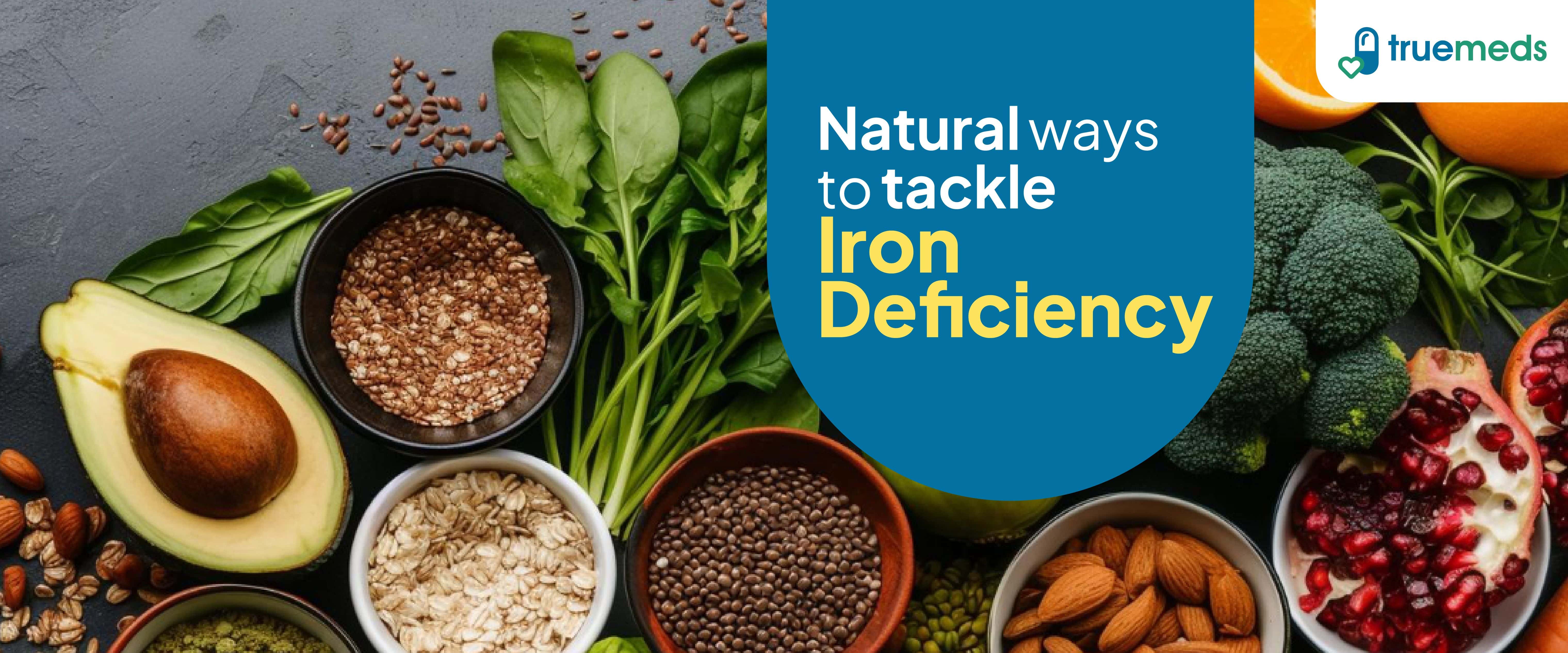
Learning how to increase iron in the body through diet and daily habits is important because it supports energy, immunity, and overall health, and often prevents mild deficiencies from progressing to clinically diagnosed iron deficiency anaemia. While supplements can help in some cases, many people can increase their iron intake naturally by choosing the right mix of foods, improving iron absorption, and limiting factors that block iron.
Do You Really Have Low Iron?
Tiredness, hair loss and poor concentration can also come from low vitamin B12, thyroid problems, poor sleep or stress. Ask your doctor for a blood count (haemoglobin and MCV) and a ferritin test, and sometimes other iron tests.
Common reasons for low iron:
- Not eating enough iron, especially on vegetarian diets
- Heavy periods, pregnancy and breastfeeding, or fast growth in teenagers
- Blood loss from the gut (piles, ulcers, painkillers such as NSAIDs, or worm infections)
- Conditions that reduce absorption (coeliac disease, long-term acid-reducing medicines, weight-loss surgery)
- Frequent blood donation
Men and women after menopause with confirmed iron-deficiency anaemia need a doctor’s check for hidden blood loss. Some people, such as those with thalassaemia trait (more common in India), have low haemoglobin that does not respond to iron, so get tested before taking iron for a long time.
Natural Ways to Increase Iron Levels
If you are wondering how to increase iron levels yet safely, think of it as a two‑step plan: boost iron intake and improve absorption. The strategies below combine animal and plant sources, absorption enhancers, and practical habits that work together to increase iron levels over a few weeks.
Eat iron‑rich animal sources
Animal foods provide heme iron, which is more easily absorbed than the non-heme iron found in plant foods. Good sources include[1]:
- Lean meat (beef, lamb)
- Organ meats (liver)
- Poultry (chicken, turkey)
- Eggs
- Fish (sardines, tuna, mackerel)
- Shellfish (mussels, clams, oysters)
Including small portions of these foods a few times a week can be an effective way to increase iron intake, especially if you have no dietary restrictions.
Use plant‑based iron sources with absorption enhancers
If you are a vegetarian, vegan, or simply eat less meat, you can still increase iron naturally by leaning on non‑heme iron sources and pairing them wisely. Great plant options include:
- Lentils
- Chickpeas
- Beans
- Tofu
- Spinach and other dark leafy greens
- Pumpkin seeds
- Sesame seeds
- Quinoa
- Whole grains
- Iron‑fortified cereals or breads.
Because non‑heme iron is not easily absorbed, pairing these with vitamin C‑rich foods (like lemon, oranges, amla, tomatoes, or bell peppers) in the same meal dramatically improves how much iron your body actually absorbs. [2]
Here are a few simple ways to use it:
- Add citrus fruits like oranges, sweet lime, or lemon to meals or sip lemon water with iron‑rich dishes.
- Include bell peppers, tomatoes, broccoli, strawberries, kiwi, or amla alongside lentils, beans, or spinach.
- Finish iron‑rich meals with a small serving of fruit instead of tea or coffee.
This combination is beneficial if your diet is mainly plant‑based and you want to increase iron intake naturally without relying heavily on supplements.
Limit iron inhibitors
Even if you eat plenty of iron, certain substances can block its absorption in the gut. Drinking tea or coffee with or right after a meal, which is a common habit, can significantly reduce iron absorption because of the tannins. Tannins in tea and coffee, excess calcium from dairy or supplements taken with meals, and phytates in unsoaked legumes or bran-heavy foods all reduce how much iron reaches your blood. [3]
To help raise iron levels:
- Have tea or coffee at least 1 to 2 hours before or after iron-rich meals.
- Do not take calcium supplements with your main iron-rich meal unless your doctor says otherwise. [4]
- Soak, sprout or ferment beans, lentils and some grains to reduce phytates and free up more minerals. [5]
Iron Content Chart for Common Foods
Source: Indian Food Composition Tables (IFCT)
Iron supplements: When & how to use
Iron supplements are usually the fastest way to increase iron levels in people with iron deficiency, especially when diet alone is not enough. They can be effective when blood tests confirm iron-deficiency anaemia or significantly low iron stores, but they should not be started without consulting a healthcare professional. Common forms include ferrous sulphate, ferrous fumarate, and ferrous gluconate, usually taken once or twice daily, often on an empty stomach or with vitamin C to improve absorption. However, some people tolerate them better with a small snack. [6]
People with severe iron-deficiency anaemia may need intravenous (IV) iron, as determined by their doctor.
Always:
- Get tested first (haemoglobin, ferritin, and other iron markers).
- Use the exact dose and duration prescribed by your doctor to reduce the risk of side effects such as constipation, nausea, or, rarely, iron overload.
- Keep iron supplements out of the reach of children, as accidental overdose can be dangerous.
Think of iron supplements as a targeted treatment while a balanced diet and healthy habits remain the foundation for maintaining long-term iron levels.
Cooking Methods to Boost Iron Absorption
How you cook and combine foods can subtly increase the amount of iron you absorb over time.
- Cook in cast-iron pans: Acidic or liquid dishes like tomato‑based curries, dals, and stews pick up small amounts of iron from the cookware, which can contribute to iron intake over months. [7]
- Soaking beans, lentils, chickpeas, and some whole grains before cooking reduces phytates and improves mineral availability, including iron.
- Avoid over‑boiling vegetables: Lightly steaming or sautéing iron‑rich veggies like spinach and broccoli helps preserve both iron and vitamin C compared with prolonged boiling.[8]
These are simple, everyday actions that help increase iron levels without major dietary overhauls.
FAQs
How to increase iron levels quickly through food?
To increase iron levels through food, focus on heme iron (lean red meat, liver, poultry, fish) at most main meals, and combine them with vitamin C‑rich foods such as lemon, oranges, bell peppers, or tomatoes. If you are a vegetarian, emphasise lentils, beans, tofu, spinach, pumpkin seeds, and iron‑fortified cereals paired with citrus or other vitamin C sources, while keeping tea, coffee, and high‑calcium foods away from these meals.
How long does it take to boost iron in the body with diet?
For mild deficiency, consistent dietary changes can start to improve iron stores and symptoms within 4–8 weeks, though full normalisation of haemoglobin and ferritin may take several months. The exact timeline depends on how low your levels are, the underlying cause (diet, blood loss, or medical conditions), and whether you are also using prescribed supplements.
Can I increase iron levels without supplements?
Yes, many people with borderline low iron or mild iron deficiency can increase their iron levels naturally with a well‑planned diet and improved absorption strategies. However, if tests show significant anaemia or very low ferritin, supplements are often needed in addition to dietary changes.
What signs show low iron levels, and when should I see a doctor?
Common signs of low iron include persistent fatigue, pale skin, brittle nails, hair loss, shortness of breath on exertion, frequent headaches, cold hands and feet, or strange cravings, such as wanting to chew ice (pica). You should see a doctor promptly if symptoms are severe, if you have chest pain, palpitations, very heavy periods, blood in stool, recent major surgery or injury, or if you are pregnant, as these situations need medical evaluation rather than self‑treatment.
Are there risks of increasing iron intake through diet?
In healthy people without genetic conditions, it is rare to reach harmful iron levels from food alone because the body naturally limits absorption. However, those with disorders like hereditary hemochromatosis, chronic liver disease, or long‑term high‑dose supplementation can accumulate excess iron, which may damage organs. Hence, they require individualised medical guidance and sometimes dietary restriction of iron.
How much iron do you need each day?
Daily iron needs vary by age, sex, and life stage. Adult men generally need about 8 mg daily, while most women aged 19–50 need around 18 mg. Pregnant women require more. Your doctor can advise the right intake based on your health and iron status.
How fast can you raise iron?
How quickly you can increase iron levels depends on the cause and severity of the deficiency. Dietary changes may take several weeks to improve iron stores, while medically supervised iron supplements often work faster. Regular follow-up tests help monitor your progress.
References
Office of Dietary Supplements - Iron. (n.d.). https://ods.od.nih.gov/factsheets/Iron-HealthProfessional/
Moustarah, F., & Daley, S. F. (2024, January 8). Dietary iron. StatPearls - NCBI Bookshelf. https://www.ncbi.nlm.nih.gov/books/NBK540969/
Delimont, N. M., Haub, M. D., & Lindshield, B. L. (2017). The impact of tannin consumption on iron bioavailability and status: A narrative review. Current Developments in Nutrition, 1(2), 1–12. https://doi.org/10.3945/cdn.116.000042
Lönnerdal, B. (2010). Calcium and iron absorption - Mechanisms and public health relevance. International Journal for Vitamin and Nutrition Research, 80(45), 293–299. https://doi.org/10.1024/0300-9831/a000036