One of the most common questions asked is, "Does pressing breasts cause pain?" Breast pain upon pressing, also known as mastalgia, is a common concern that affects a significant number of women at some point in their lives[1]. While experiencing pain in the breast while pressing can be worrying, it is essential to understand that in most cases, the underlying causes are benign (not harmful or severe) and not indicative of a serious health issue.
However, persistent or severe breast tenderness should be evaluated by a doctor to rule out any potential infections, cysts, or rare malignancies[2]. Breast cancer rarely causes pain as the only symptom, but persistent focal pain should still be evaluated. By gaining a better understanding of the various causes behind pressing breast pain, you can differentiate between normal hormonal fluctuations and symptoms that may require medical attention.
What Does It Mean When Your Breast Hurts When You Press It?
Experiencing localised pain or discomfort when pressing the breast can happen for a variety of reasons and is often related to normal, temporary changes in breast tissue. Muscle strain, inflammation, or hormonal changes in the breast tissue are common causes behind this sensation[2]. If the pain follows a cyclical pattern and seems to coincide with your menstrual cycle, it is likely related to hormonal fluctuations (refer to normal changes in hormone levels)[3].
On the other hand, non-cyclical pain may arise from injuries, ill-fitting bras, or infections such as mastitis[3]. If the pain is sharp, persistent, and accompanied by redness or fever, it is crucial to seek prompt medical evaluation, as these symptoms may indicate the presence of an abscess or an inflammatory condition[4].
Common Causes of Breast Pain Upon Pressing
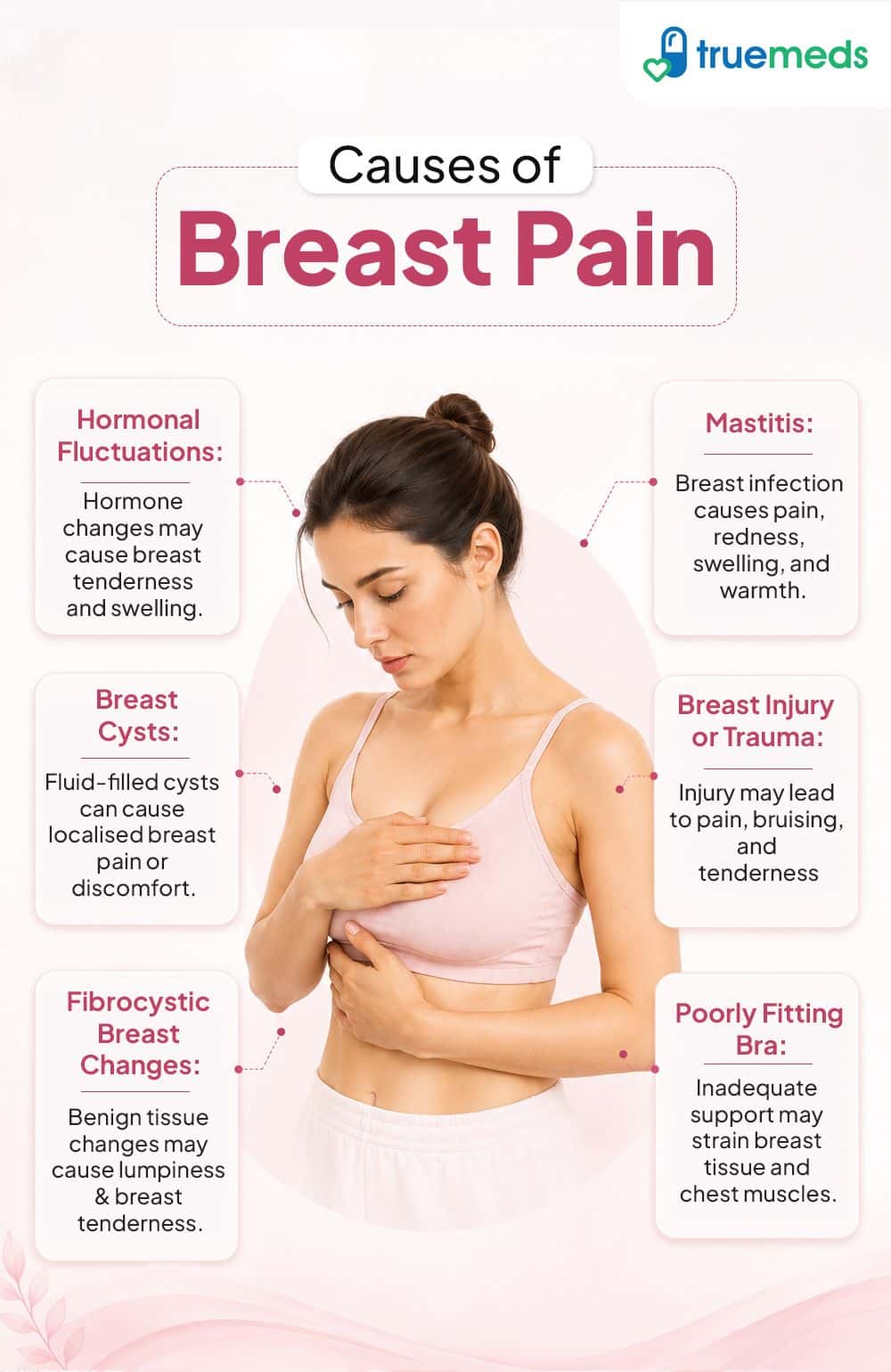
Several factors can contribute to the discomfort you feel when pressing on your breast. These include:
1. Hormonal Fluctuations
Hormonal changes are a primary contributor to breast pain and tenderness, particularly during certain stages of a woman's life[1]. The surge of oestrogen and progesterone levels just before menstruation can lead to enlargement of the milk ducts and swelling of the milk glands, resulting in diffuse tenderness throughout the breasts.
Similarly, during pregnancy, the increased presence of hormones like human chorionic gonadotropin (hCG) and prolactin may heighten breast sensitivity (refers to tenderness, soreness, aching, or a feeling of fullness/pressure in one or both breasts) in some women. Women undergoing menopausal hormone therapy may also experience prolonged symptoms of breast tenderness. Recognising the link between hormonal changes and breast pain can help you better understand and manage this common symptom.
2. Breast Cysts
If you experience pain in your breast while pressing, it could be due to breast cysts. These fluid-filled sacs within the breast tissue can cause localised pain when touched[5]. Breast cysts are usually round or oval-shaped lumps that move easily under the skin and may change in size during your menstrual cycle[6]. While most cysts are benign, if they persist or become particularly painful, your doctor may recommend an ultrasound-guided aspiration or monitoring. It's important to consult a doctor, especially if the cysts persist or appear complex, to rule out any abnormalities[6].
Consult your doctor before starting any treatment.
3. Fibrocystic Breast Changes
Fibrocystic breast changes are characterised by dense, lumpy breast tissue and tenderness that may worsen with hormonal fluctuations, particularly oestrogen and progesterone levels. If you experience pain in your breast while pressing, especially before your menstrual period, fibrocystic changes could be the cause[7].
To manage fibrocystic breast changes and alleviate the pain in your breast while pressing, you can try reducing your caffeine intake, wearing supportive bras, and using NSAIDs. In severe cases, hormonal therapies like oral contraceptives may be prescribed under medical supervision[7]. It's crucial to consult your doctor for an accurate diagnosis.
Any treatment or management approach should be guided by a qualified healthcare professional based on individual needs.
4. Mastitis
Mastitis is an inflammation of the breast tissue, usually caused by an infection during breastfeeding. Symptoms of mastitis include localised pain, swelling, redness, and fever[8]. If mastitis is suspected to be due to infection or symptoms are significant, your doctor will likely prescribe antibiotics such as dicloxacillin and recommend frequent nursing to clear any blockages[9].
To relieve the pain, you can apply warm compresses, take NSAIDs, and stay well-hydrated. If left untreated, mastitis can lead to the formation of abscesses, which may require drainage[8].
A rare but serious condition called inflammatory breast cancer can look similar to mastitis, with redness, warmth, swelling, and thickened or dimpled skin (sometimes described as resembling orange peel), often with no lump you can feel. Because the two conditions look alike, mastitis that is not improving after appropriate treatment should be re-examined rather than simply re-treated. This is especially important if you are not breastfeeding because mastitis outside breastfeeding is uncommon. Ask your doctor about imaging if your symptoms are not settling. Most cases are not cancer, but this is one of the few situations where it is worth being sure rather than reassured.
Antibiotic treatment must be prescribed by a healthcare provider.
5. Breast Injury or Trauma
Direct trauma to the breast, such as from a seatbelt injury or sports impact, can cause bruising, swelling, or haematomas, leading to localised pain when pressed. If you've experienced a breast injury, managing the pain and swelling involves rest, applying ice packs, and taking NSAIDs.
In severe cases, your doctor may recommend imaging tests to rule out complications from haematomas or fat necrosis. If you have persistent pain or notice new lumps after an injury, it's essential to seek medical evaluation to determine the underlying cause of your pressing breast pain[2].
6. Poorly Fitting Bra
An ill-fitting bra can cause significant discomfort and pain when pressing on the breast[2]. Tight bands or cups that are too small can compress the breast tissue, leading to localised pressure points and exacerbating tenderness[1]. Inadequate support during movement can also worsen cyclical pain linked to hormonal changes[2].
To minimise irritation and pressing breast pain, it is recommended to opt for professionally fitted, wireless bras with wide straps and breathable fabric. Addressing this common issue can provide relief and improve overall breast comfort.
7. Breast Abscess
A breast abscess is a collection of pus that usually develops as a complication of untreated or severe mastitis. It can cause severe, localised breast pain that becomes worse when pressing on the affected area. Other symptoms may include a painful lump, swelling, redness, warmth over the skin, and fever. Breast abscesses are more common in women who are breastfeeding, but they can also occur in non-breastfeeding women.
Treatment usually involves draining the abscess and taking antibiotics prescribed by a healthcare professional. Early medical evaluation is important to prevent the infection from worsening and to promote faster recovery.
Remedies and Treatments for Breast Pain Upon Pressing
There are several effective strategies for managing pain in the breast while pressing, including both lifestyle adjustments and targeted therapies.
1. Warm or Cold Compresses
Applying warm or cold compresses to the affected area can help alleviate breast pain when touched.
- Warm compresses improve blood flow, easing muscle tension and reducing swelling, especially before menstruation.
- Cold packs, on the other hand, can numb nerve endings and reduce inflammation, particularly after an injury or during acute flare-ups.
- To avoid skin irritation, limit the application of either compress to 15-minute intervals.
2. Proper Supportive Bra
Investing in a well-fitting, supportive bra is essential for minimising breast discomfort[1].
- A supportive bra helps distribute the weight of the breasts evenly, reducing strain on the tissue.
- This is particularly beneficial for women with larger breasts or those engaging in physical activities, as it helps maintain comfort and prevent additional pressure on the breasts.
- By choosing the right bra size and style, individuals can significantly reduce pressing breast pain caused by pressure and movement[1].
- If you experience pain in your breast while pressing, consider getting professionally fitted for a supportive bra[1].
3. Over-the-Counter Pain Relievers
Over-the-counter pain relievers like ibuprofen and paracetamol, and nonsteroidal anti-inflammatory drug (NSAID) creams can be effective in managing breast pain when pressed. Ibuprofen, an NSAID, works by blocking inflammation-triggering prostaglandins, whereas paracetamol relieves pain by acting on the central nervous system, possibly by inhibiting certain pain-related enzymes in the brain[1].
These medications should be used as directed for short-term relief[1]. However, if the pain persists beyond two menstrual cycles or worsens suddenly, it is essential to consult a doctor for further evaluation and guidance.
Use as directed. Consult a healthcare professional if pain persists or you have contraindications.
4. Gentle Massage
Gently massaging your breasts in a circular motion using light pressure may help improve lymphatic drainage and reduce tenderness associated with pressing breast pain.
Focus on outward motions towards your armpits to alleviate fluid retention that could be causing pain in your breast while pressing.
Consider using natural oils like coconut or olive oil to reduce friction during the massage.
This technique can be particularly helpful for cyclical breast pain linked to hormonal fluctuations.
Note: Gentle massage is only recommended for general or cyclical breast tenderness. Do not massage a breast that is red, hot, swollen, or very painful, as these may be signs of mastitis or a breast abscess, and massage could worsen the condition. Also, do not massage over a breast lump that has not been examined by a healthcare professional. If you notice persistent pain, redness, swelling, fever, or a new lump, seek medical evaluation before trying massage or other home remedies.
5. Avoiding Caffeine
Consider cutting back on caffeine. Reducing your intake of coffee, tea, soda, and energy drinks may help alleviate cyclical breast pain[1]. Some women report improvement with reduced caffeine intake, although scientific evidence is mixed.
When to See a Doctor?
If you are concerned about why your breast hurts when you press it, it is essential to know when to seek medical advice.
See a doctor promptly if you notice:
- A new lump that feels hard, irregular, or fixed in place (does not move under the skin)
- Dimpling, puckering, or thickening of the skin, sometimes described as looking like orange peel
- A nipple that has newly turned inward, or has changed shape or direction
- Nipple discharge that is bloody, or that comes from one duct in one breast without being squeezed
- A lump or swelling in the armpit or around the collarbone
- Persistent redness, scaling, or an eczema-like rash on the nipple
- Pain that is always in the same spot, in one breast, and does not vary with your cycle
- Any new breast change after menopause
Seek urgent care if you have:
- Fever with a red, hot, painful breast (possible infection or abscess)
- Rapidly spreading redness or swelling
- Left-sided chest pain with breathlessness, sweating, or pain spreading to the arm or jaw. This may be cardiac, not breast-related, and needs emergency assessment.
Conclusion
Pressing breast pain often stems from various factors, including hormonal shifts, cysts, or musculoskeletal strain. If you find yourself wondering, 'Why does my breast hurt when I touch it?', there are several proven strategies that may help alleviate the discomfort. These include wearing supportive bras, using NSAID creams, reducing caffeine intake, and practising gentle massage techniques.
While most cases of pain in the breast while pressing resolve with self-care measures, it's crucial to seek medical assessment for persistent or severe pain to rule out infections, medication side effects, or rare tumours. By tracking your symptoms and prioritising follow-up appointments if changes occur, you can effectively manage pressing breast pain and maintain optimal breast health.
FAQs
Is it normal for my breast to hurt when I press it?
Breast tenderness or mild pain when pressed is quite common and is often linked to natural hormonal fluctuations, especially around the menstrual cycle. It may also be related to benign conditions such as fibrocystic breast changes, muscle strain, or temporary sensitivity in the breast tissue.
Can stress cause breast pain upon pressing?
While stress itself does not directly cause breast pain, it may contribute to or exacerbate the symptoms of pressing breast pain in some individuals.
How can I differentiate between normal breast tenderness and a serious condition?
Normal breast tenderness is often cyclical and related to hormonal fluctuations. Serious conditions may involve persistent pain, lumps, nipple discharge, or skin changes. Consult your doctor if you have concerns.
Are there any natural remedies for breast pain upon pressing?
Natural remedies for pressing breast pain include applying warm or cold compresses, reducing caffeine intake, and wearing a supportive bra. Over-the-counter medicines like paracetamol or ibuprofen may also help.
When should I seek medical attention for breast pain?
Seek medical advice if your breast pain persists, worsens, or is accompanied by symptoms such as lumps, nipple discharge, or skin changes. Your doctor can help determine the underlying cause and provide appropriate treatment.
Medical Disclaimer
This article is for informational purposes only and does not constitute medical advice. The information provided should not be used for diagnosing or treating health conditions. Always consult a qualified healthcare provider for diagnosis, treatment, and personalised medical advice. Do not disregard professional medical advice or delay seeking it because of information found in this article. If you have a medical emergency, contact your doctor or emergency services immediately.
References
National Centre for Biotechnology Information. (2024, February 6). Mastalgia. StatPearls - NCBI Bookshelf. https://www.ncbi.nlm.nih.gov/books/NBK562195/
Breastcancer.org. (2021, December 16). Breast pain (Mastalgia): Types, causes, and more. Breastcancer.org - Breast Cancer Information and Support. https://www.breastcancer.org/benign-breast-conditions/mastalgia
Johns Hopkins Medicine. (2024, September 10). Breast pain (mastalgia). Johns Hopkins Medicine. https://www.hopkinsmedicine.org/health/conditions-and-diseases/mastalgia-breast-pain
National Center for Biotechnology Information. (2024, December 11). Acute mastitis. StatPearls - NCBI Bookshelf. https://www.ncbi.nlm.nih.gov/books/NBK557782/