

A rash below the breast is a common skin concern that many women experience at some point in their lives. These rashes often develop due to the warm, moist environment created by skin folds rubbing together[1]. While a skin rash under the breast can affect individuals of all ages and body types, it is more prevalent in those with larger breasts, prone to excessive sweating, or with a compromised skin barrier[2]. If left untreated, these rashes can progress into fungal or bacterial infections[1]. Rashes under the breast should be treated with the same importance as any other skin or health condition. Although most cases are benign, persistent rashes may indicate underlying conditions such as eczema[3] or, in rare instances, malignancies like Paget's disease[4].
What is a rash below the breast?
A rash under the breast develops when the skin folds rub together, creating a warm and moist environment that can lead to irritation or infection[1]. These rashes typically present as redness, itching, or cracked skin and can stem from various causes, including inflammation, fungal overgrowth (such as candidiasis), allergic reactions, or chronic skin conditions such as eczema[2]. While most cases of rashes under the breast are harmless, severe instances may involve pain, blistering, or foul odours[1]. In such situations, it is essential to seek medical evaluation to rule out infections or rare malignancies.
Common causes of rash below the breast
Several factors can contribute to breast rash. The following table provides a detailed breakdown of the most common causes, along with their key symptoms:
In addition to the causes mentioned above, other factors that may contribute to rashes under the breast include bacterial infections (often secondary to untreated intertrigo)[1], ringworm (tinea) (a fungal infection that may cause scaly or irregular patches, sometimes resembling candidiasis in skin folds), and hormonal changes during pregnancy or menopause that can affect sweat gland activity. By identifying the specific cause of the rash through medical intervention, individuals can seek targeted treatments to alleviate symptoms and prevent further complications.
Professional diagnosis is essential for accurate identification and treatment.
Symptoms of rash below the breast
A rash under the breast can be an uncomfortable and distressing condition, presenting with various symptoms that may impact daily life. It's crucial to be aware of these signs to ensure prompt diagnosis and effective treatment.
Common symptoms of a rash under the breast include[1]:
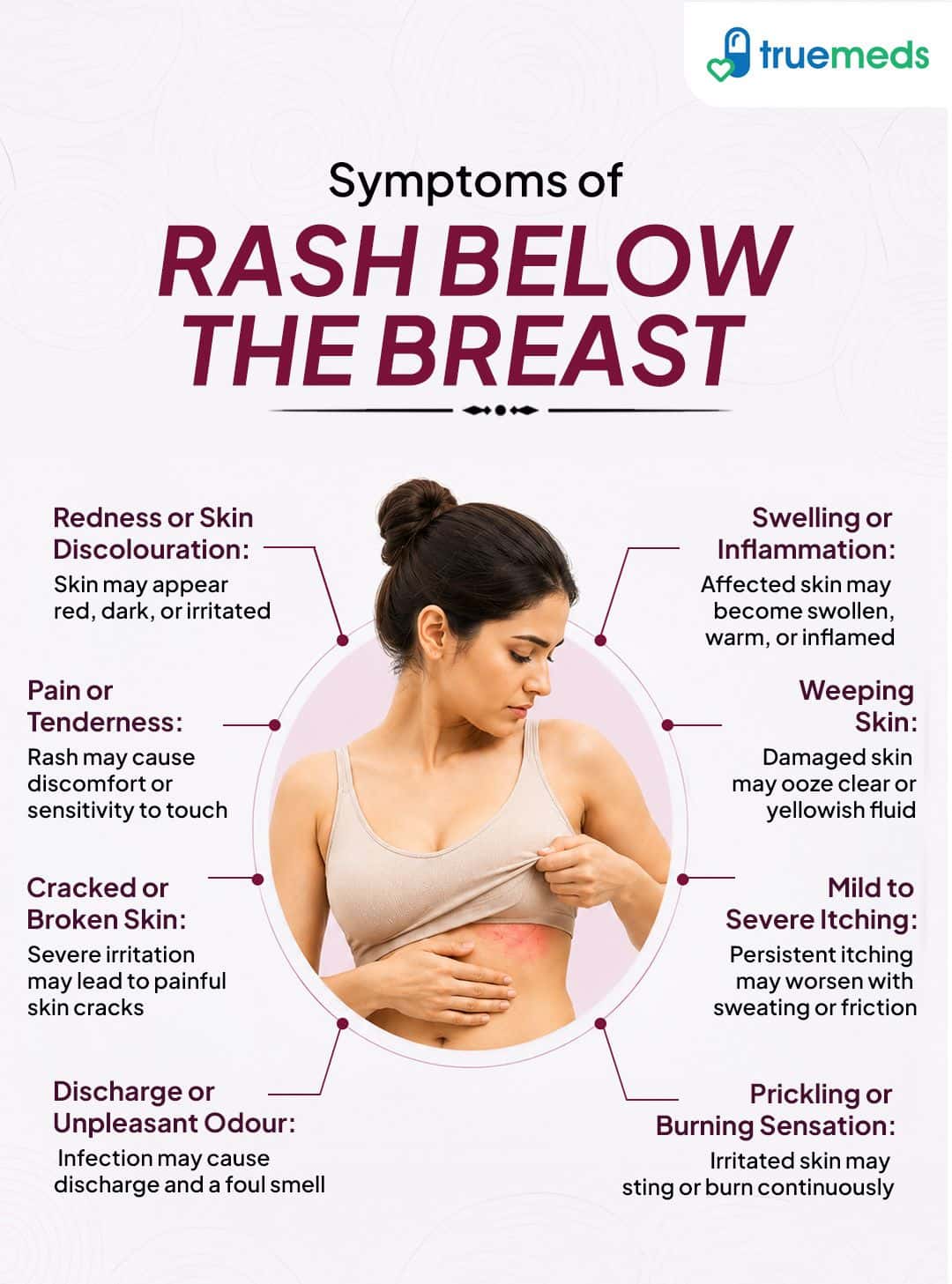
- Redness or discolouration of the skin
- Itching, which can range from mild to severe
- Swelling or inflammation in the affected area
- Pain, tenderness, or a prickling sensation
- Cracked, broken, or weeping skin
- Discharge or an unpleasant odour
If you notice any of these symptoms, it's essential to monitor them closely and consider seeking medical advice for an accurate diagnosis and appropriate treatment plan.
Diagnosis and when to see a doctor
If you experience persistent or worsening symptoms of a rash under the breast, it's important to consult your doctor for a proper diagnosis[2]. They will visually examine the affected area and may ask about your symptoms and medical history to determine the underlying cause of the rash.
In some cases, the rash may be a sign of a fungal or bacterial infection, which may require specific treatments such as antifungal or antibiotic creams[2]. Your doctor may also recommend further diagnostic tests if necessary to rule out other skin conditions that may present similarly[3].
It is crucial not to ignore symptoms like severe itching, swelling, or signs of infection, as prompt treatment can prevent complications and improve your overall comfort and well-being. Your doctor can provide guidance on the best course of action for your specific situation.
Effective treatments for rash below the breast
Treating a rash under the breast effectively involves addressing the underlying cause and alleviating symptoms. Treatment options for a rash under the breast include:
- Antifungal creams for fungal infections like candidiasis. Some antifungal creams are available over the counter, while others require a prescription. Because these creams are only effective for fungal infections, consult a healthcare provider to confirm the cause of the rash before starting treatment[7].
- Mild steroid creams can also help reduce inflammation and itching associated with conditions like intertrigo[8]. Steroid creams should not be used alone if a fungal infection is suspected, as they may worsen symptoms.
- Moisture-wicking powders that help keep the area dry, preventing the growth of fungi and bacteria that thrive in moist environments[2].
- Proper hygiene practices, such as washing the area regularly and keeping it clean, are essential to prevent infections[2].
- Wearing breathable fabrics can help reduce moisture accumulation, thus preventing rashes[2].
Treatment must be determined by a healthcare provider. Do not self-medicate without medical supervision.
In addition to these medical treatments, home remedies and self-care tips can also be beneficial in managing rashes under the breast.
Home remedies and self-care tips
Incorporating self-care practices and home remedies can complement medical treatments for rashes under the breast[2].
- Keeping the affected area dry is crucial, as moisture can worsen conditions like candidiasis.
- Applying cold compresses can help soothe itching and reduce inflammation, while coconut oil may soothe dry skin in non-infectious rashes, but it should be avoided if a fungal infection is suspected, as it may worsen moisture retention.
- Using a fan or exposing the area to air can also help keep it dry and promote healing.
- Regular washing with mild soap and avoiding tight clothing can prevent further irritation.
By combining these self-care tips with appropriate medical treatments, you can effectively manage and treat rashes under the breast.
Tip: Since coconut oil might not be tolerated by some, try using aloe vera. Applying fresh aloe vera gel to the affected area can soothe irritation and promote healing due to its natural anti-inflammatory properties. Additionally, storing the aloe vera gel in the refrigerator may help preserve its freshness.
How to prevent rash below the breast
Preventing rashes under the breasts involves a combination of good hygiene practices, proper clothing choices, and managing overall health[2].
- Regularly clean and dry the area under the breasts, using mild cleansers or unscented soaps, ensuring the area is completely dry after bathing.
- Wear loose, breathable clothing, such as bras made from moisture-wicking materials like cotton, to help reduce moisture accumulation.
- Managing weight can also reduce skin fold irritation and prevent conditions like intertrigo, a common cause of under-breast rashes.
- Additionally, using anti-chafing powders to absorb moisture can be beneficial.
By following these preventive measures, you can minimise the risk of developing rashes under the breasts and maintain healthy skin in this sensitive area.
Conclusion
A rash below the breast can be caused by various conditions, including fungal infections like candidiasis and skin fold irritation known as intertrigo. Recognising the symptoms, such as redness, itching, and a distinct odour, is crucial for prompt treatment. Preventative measures, including good hygiene practices, wearing breathable clothing, and managing weight, can help prevent recurrence and manage these conditions effectively. If symptoms persist or worsen, it is essential to seek medical advice from your doctor for proper diagnosis and treatment, ensuring relief and reducing the risk of complications associated with these skin infections.
FAQs
What causes a rash under the breasts?
Common causes of rashes under the breasts include fungal infections (like Candida or ringworm), bacterial infections, intertrigo (skin friction/moisture), eczema, and allergies.
How can I treat a rash under my breasts at home?
To treat a rash under the breasts at home, keep the area clean, dry, and friction-free. Additionally, use over-the-counter antifungal creams for yeast infections. Lastly, wear breathable fabrics designed to reduce moisture. These measures are considered effective for rash under the breast treatment at home.
When should I see a doctor for a breast rash?
Consult a doctor for a breast rash if it persists or worsens despite home treatment, shows signs of infection (pus, fever), or is accompanied by unexplained lumps or changes in the breast.
Can wearing tight bras cause rashes under the breasts?
Yes, tight bras can trap moisture and increase friction, creating ideal conditions for rashes like intertrigo or fungal infections to develop.
Are rashes under the breasts a sign of breast cancer?
Rarely. Most rashes under the breasts are benign. However, inflammatory breast cancer can cause redness and swelling. Consult a doctor if you notice a change in your breasts.
How can I prevent rashes under my breasts?
To prevent rashes under the breasts, wear moisture-wicking bras, keep the skin dry with talc-free powder, avoid harsh soaps, and address skin folds promptly to minimise friction and moisture.
Which doctor should I consult for a rash under the breast?
You can consult a general physician or dermatologist for persistent or recurrent rashes under the breast. If the rash is associated with fever, severe pain, spreading redness or other concerning symptoms, seek prompt medical attention. Your healthcare provider may refer you to a specialist if needed.
Can diabetes increase the risk of developing a rash under the breast?
Yes. Diabetes can increase the risk of developing rashes under the breast because higher blood sugar levels may promote fungal growth and make infections more likely. Keeping blood sugar well controlled and maintaining good skin hygiene can help reduce the risk.
Can a rash under the breast return after treatment?
Yes. A rash under the breast can recur, particularly if moisture, friction or the underlying cause is not addressed. Wearing breathable clothing, keeping the area dry and following your healthcare provider's advice can help prevent future episodes.
How long does a rash under the breast usually take to heal?
Healing time depends on the underlying cause and its severity. Mild cases may improve within 1–2 weeks with appropriate treatment, while fungal infections or more severe rashes may take longer and require ongoing medical care.
Medical Disclaimer
This article is for informational purposes only and does not constitute medical advice. The information provided should not be used for diagnosing or treating health conditions. Always consult a qualified healthcare provider for diagnosis, treatment, and personalised medical advice. Do not disregard professional medical advice or delay seeking it because of information found in this article. If you have a medical emergency, contact your doctor or emergency services immediately.
References
Nobles, T., Syed, H. A., & Miller, R. A. (2024, October 28). Intertrigo. StatPearls - NCBI Bookshelf. https://www.ncbi.nlm.nih.gov/books/NBK531489/
Watson, K. (2019, March 8). Taking care of a yeast infection on your chest. Healthline. https://www.healthline.com/health/breast-yeast-infection
Breastcancer.org. (2024, July 18). Breast and nipple eczema: What causes it and how is it treated? https://www.breastcancer.org/benign-breast-conditions/eczema-of-the-nipple
National Cancer Institute. (2024). Paget disease of the breast. National Cancer Institute. https://www.cancer.gov/types/breast/paget-breast-fact-sheet