

- Medicines
- Personal Care
- Skin Cream
- Sunscreen
- Face Wash
- Skin and Body Soap
- Acne Care
- Body Lotions
- Moisturising Lotion
- Moisturising Cream
- Mosquito Repellent
- Moisturising Gel
- Body Wash
- Hair Oils
- Hair Shampoo
- Hair Conditioners
- Hair Supplements
- Hair Colour
- Hair Serum
- Hair Mask
- Hair Solutions
- Baby Diapers and Wipes
- Baby Lotion and Moisturising Cream
- Baby Bath Essentials
- Baby Skin Care
- Baby and Infant Food
- Baby Healthcare
- Women Multivitamins
- Ovulation Test Kit and Women Intimate Care
- Sanitary Pads
- Nutritional Drinks
- Condoms
- Lubricants
- Massage Gels
- Personal Body Massagers
- Men Performance Booster
- Sexual Health Supplements
- Massage Oils
- Ayurveda
- Tooth Paste
- Mouth Ulcer Gel
- Mouthwash
- Toothache and Gum Pain
- Tooth Brush
- Gargle Solution
- Orthopaedic Supports
- Adult Diapers
- Footwear
- Mobility and Support Accessories
- Urinary Support and Care
- Health Conditions
- Bone and Joint Care
- Digestive Care
- Eye Care
- Pain Relief
- Smoking Cessation
- Liver Care
- Stomach Care
- Cold and Cough
- Heart Care
- Kidney Care
- Piles, Fissures & Fistula
- Respiratory Care
- Mental Wellness
- Derma Care
- Pre and Probiotics
- Acidity
- Gas
- Constipation
- Loose Motion/Diarrhoea
- Digestive Fibres
- Digestive Enzymes
- Eye Lubricant Drops
- Lens Solution
- Safety Eye Wear
- Eye Cream
- Eye Vitamins and Supplements
- Eye Drops
- Eye Ointment and Gel
- Nicotine Patch
- Nicotine Gum
- Nicotine Lozenges
- Cough Syrups
- Chest Rubs and Balms
- Nasal Spray
- Lozenges
- Inhalant Capsules
- Cold and Cough Tablets
- Vitamins & Supplements
- Diabetes Care
- Healthcare Devices
- Homeopathic Medicine
- Health Guide
Urticaria
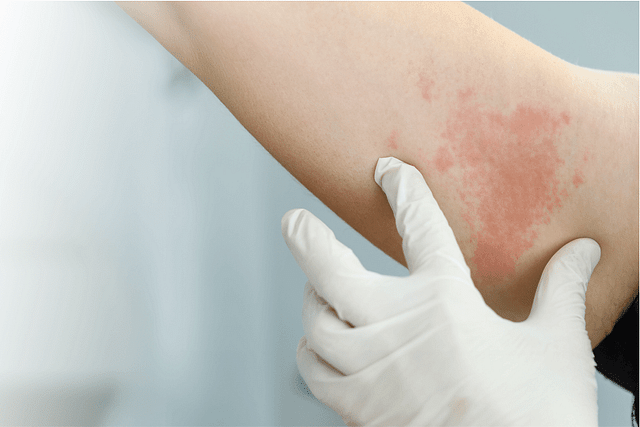
Urticaria, also known as hives, is a skin condition characterised by itchy, raised welts or bumps that can appear anywhere on the body. It occurs when the immune system reacts to an allergen or irritant, triggering the release of histamine and other chemical mediators from mast cells in the skin. Urticaria can be classified as acute, chronic, or physical, depending on symptom duration, specific triggers, or underlying causes.
 50
50Last updated on : 26 May, 2026
Read time : 11 mins
Overview of Disease
Urticaria is a common skin condition that affects millions of people worldwide. It is characterised by the appearance of itchy, raised welts or bumps on the skin, which can cause significant discomfort and distress. While the exact cause of urticaria is not always clear, it is often due to an allergic reaction or an underlying medical condition. In this article, we will explore the causes, symptoms, and management options for urticaria.
What is Urticaria?
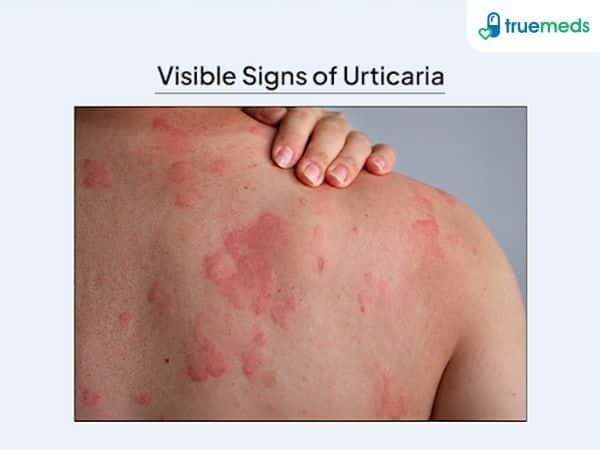
Urticaria, or hives, is a skin condition that occurs when the body's immune system reacts to an allergen or irritant. This reaction triggers mast cells in the skin to release histamine and other chemical mediators. These substances cause the blood vessels to leak fluid into the surrounding tissues, leading to swelling and inflammation.
The resulting welts or bumps can appear anywhere on the body and are often itchy and uncomfortable. The triggers for urticaria can vary widely and may include foods, medications, infections, insect bites, or physical stimuli such as cold, heat, or pressure.
Key Factors about Urticaria
| Category | Details |
| Also Referred to as | Hives |
| Commonly Occurs In | Adults (peak age 20–40 years), more frequent in women |
| Affected Organ | Skin |
| Type | Acute urticaria, chronic urticaria, and physical urticaria |
| Common Signs | Itchy, raised welts or circular hives (varying in size and shape, may be red, skin-coloured, or slightly darker/lighter than surrounding skin), painful in some cases |
| Consulting Specialist | Dermatologist, allergist, immunologist |
| Managed By | Antihistamines (cetirizine, levocetirizine, chlorpheniramine), H2 antihistamines nizatidine), systemic corticosteroids (prednisone or prednisolone), LTRAs (montelukast), immune-suppressing medications (cyclosporine) |
Types of Urticaria
Urticaria can be further classified based on its duration, specific triggers, or underlying causes.
1. Physical Urticaria
Physical urticaria, also known as inducible urticaria, is a type of chronic urticaria that is caused by physical stimuli such as cold, heat, sunlight, vibration, pressure, or exercise. The symptoms can appear within minutes to hours after exposure to the trigger. Some common types of physical urticaria include:
- Dermatographism: A hives rash that forms after stroking or scratching the skin.
- Cholinergic Urticaria: Small, itchy bumps that appear within 15 minutes of exercise or physical exertion.
- Solar Urticaria: Hives caused by exposure to sunlight.
- Cold Urticaria: Hives triggered by exposure to cold temperatures.
- Aquagenic Urticaria: Hives triggered by water contact.
2. Acute Urticaria
Acute urticaria refers to hives lasting less than six weeks. It is often caused by an allergic reaction to food, medication, the environment, insect bites, or infection. The symptoms can appear suddenly and can be itchy, burning, or stinging
3. Chronic Urticaria
Chronic urticaria refers to hives that last more than six weeks (Mehta et al., 2025). It can be spontaneous or inducible and may be caused by chronic infections, autoimmune disorders, or other underlying medical conditions.
The symptoms can be persistent and may require ongoing treatment for hives. It is further divided into two subtypes:
- Chronic Spontaneous Urticaria (CSU): This subtype occurs without any identifiable cause and can appear at any time.
- Chronic Inducible Urticaria (CIndU): It is a subtype of chronic urticaria that is triggered by specific stimuli. These triggers can include pressure, heat, cold, sunlight, vibration, or even emotional stress. Symptoms often appear within minutes to hours after exposure to the trigger and may persist for several hours or days.
Symptoms of Urticaria
Urticaria symptoms can vary, but typically include:
- Itchy Welts: Raised, itchy patches on the skin that can appear anywhere on the body. These welts can range from a few millimetres to several centimetres in size and typically last less than 24 hours, resolving without leaving any marks or bruising.
- Erythema: Redness around the welts, which can be more pronounced in some cases.
- Angioedema: Swelling of the deeper layers of the skin and mucous membranes, which can be painful rather than itchy. This often occurs in the face, throat, hands, and feet.
- Appearance: Welts can be round, form rings, or create map-like patterns on the skin.
Causes of Urticaria
The causes of hives are diverse and can include: (Kayıran, 2018)
- Viral Infections: Viral infections are a common cause of acute urticaria, particularly in children.
- Allergies: Food, medication, and environmental allergies (such as pollen, pet dander, or insect bites) can trigger urticaria.
- Physical Stimuli: As mentioned in the types of urticaria, various physical factors such as cold, heat, pressure, sunlight, and vibration can induce hives.
- Autoimmune Disorders: In some cases, particularly in CSU, the body's immune system mistakenly attacks healthy cells, leading to the release of histamine and other chemicals that cause hives.
- Stress: Emotional stress can worsen or even trigger urticaria in some individuals.
- Certain Medications: Some medications, such as aspirin, non-steroidal anti-inflammatory drugs (NSAIDs), and antibiotics, can cause urticaria as a side effect.
Complications
Urticaria can lead to several complications, some of which are severe and require immediate medical attention:
- Anaphylaxis: It is a rare but serious allergic reaction that may occur in acute allergic urticaria. Symptoms include swelling of the face, mouth, and throat, as well as the airways, causing difficulty breathing, wheezing, a fast heart rate, clammy skin, anxiety, confusion, dizziness, vomiting, and potentially fainting or loss of consciousness. If these symptoms are present, it is crucial to use an epinephrine auto-injector, if available, and seek emergency medical care immediately.
- Angioedema: This condition involves deep swelling under the skin, often around the eyes and lips, and sometimes in the hands, feet, and genitals. Angioedema can be particularly dangerous if it affects the throat, tongue, or lungs, as it can block airways and make breathing difficult.
- Secondary Infections: Scratching hives can lead to skin infections that may require additional treatment, such as antiseptic creams or antibiotics.
- Impact on Daily Life: Chronic urticaria can significantly interfere with sleep and daily activities due to intense itchiness and discomfort.
Prevention of Urticaria
Preventing urticaria involves several strategies to minimise exposure to known triggers and manage symptoms:
- Avoid Known Triggers: Keeping a diary to track when hives occur can help pinpoint specific allergens or irritants. If you know what triggers your hives, avoid those substances. Common triggers include certain foods (e.g. nuts, eggs, seafood), medications (e.g. aspirin, NSAIDs), latex, and some plants.
- Use Mild Products: Choose mild or fragrance-free soaps, skin creams, and detergents to reduce skin irritation.
- Manage Stress: Stress can exacerbate hives; using relaxation techniques such as meditation can help manage stress levels.
- Avoid Tight Clothing: Wearing loose, light, cotton clothing can help reduce skin irritation and discomfort and prevent physical urticaria triggered by friction or pressure.
- Cool Environment: Working and sleeping in a cool environment and using cool compresses or wet clothes can help ease itchiness.
- Maintain Good Hygiene: Bathing and changing clothes after exposure to potential allergens, such as pollen or animal contact, can help prevent hives.
Diagnosis & Tests
Diagnosing urticaria involves a combination of physical examination, medical history review, and sometimes, additional tests. Your doctor will ask about your symptoms, their duration, and any potential triggers you may have identified. They will also examine your skin to assess the appearance and distribution of the hives.
In some cases, your doctor may recommend the following tests to help determine the underlying cause of your urticaria:
- Skin Prick Test: This test involves placing small amounts of potential allergens on your skin and pricking the skin to allow the substance to enter. If you're allergic to a particular substance, a small bump or hive will appear at the test site.
- Blood Tests: These tests can help identify potential infections, hormonal imbalances, or other underlying health conditions that may be causing your urticaria. Specific tests may include a complete blood count (CBC), thyroid function tests, and autoimmune disorder tests.
- Challenge Tests: In some cases, your doctor may recommend a supervised challenge test, where you are exposed to a suspected trigger, such as a medication or food, to see if it causes a reaction. This test is conducted under close medical supervision to ensure your safety.
- Skin Biopsy: Rarely, a small skin sample may be removed and examined under a microscope to rule out other skin disorders.
Treatment & Management
The treatment and management of urticaria depend on the type and severity of the condition. The primary goals are to relieve symptoms, identify and avoid triggers, and prevent recurrences. Here are some standard treatment options for urticaria:
1. Antihistamines
Antihistamines help relieve symptoms by blocking histamine, which triggers allergic reactions.
a. Sedating H1 Antihistamines (First-Generation)
These older antihistamines may cause drowsiness:
- Chlorpheniramine
- Chlorpheniramine Maleate
- Hydroxyzine
- Diphenhydramine
b. Non-Sedating H1 Antihistamines (Second-Generation)
These newer antihistamines are preferred for daytime use:
- Loratadine
- Cetirizine
- Mizolastine
c. Other Second-Generation H1 Antihistamines
d. H2 Antihistamines
Cimetidine, Ranitidine, and Famotidine are sometimes used alongside H1 antihistamines, especially for patients with acid reflux or indigestion:
2. Systemic Corticosteroids
Short-term use of corticosteroids, such as prednisone or prednisolone, can help control severe symptoms or significant angioedema. However, systemic corticosteroids should be used cautiously, especially in patients with diabetes, hypertension, or osteoporosis, due to potential side effects.
3. Leukotriene Receptor Antagonists (LTRAs)
LTRAs, such as montelukast, can be useful, particularly in patients with cold urticaria or intolerance to NSAIDs.
4. Immunomodulators and Biologics
For chronic urticaria resistant to high-dose antihistamines, cyclosporine can be effective. However, it should be used cautiously due to potential side effects and contraindications, such as impaired kidney function and uncontrolled blood pressure. Omalizumab, a monoclonal antibody against IgE, is effective for CSU that is resistant to high-dose antihistamine therapy. It is recommended as second-line therapy after high-dose second-generation antihistamines.
Living with Disease
Living with urticaria can be challenging, as the symptoms can be uncomfortable and unpredictable. Here are some urticaria home remedies to help manage the condition and improve your quality of life:
- Identify and avoid triggers, such as certain foods, medications, or environmental factors, when possible.
- Cool compresses may help relieve itching.
- Wear loose, lightweight, and breathable clothing to minimise skin irritation.
- Manage stress through relaxation techniques, such as deep breathing, meditation, or yoga.
- Maintain a healthy lifestyle by eating a balanced diet, staying hydrated, getting regular exercise, and getting enough sleep.
- Keep a symptom diary to help identify patterns and potential triggers.a
When to See a Doctor?
While mild cases of urticaria can often be managed at home with over-the-counter antihistamines, there are certain situations when it is important to seek medical attention:
- If your symptoms are severe or widespread, causing significant discomfort or interfering with your daily activities.
- If you experience difficulty breathing, wheezing, or swelling of the tongue, lips, or throat, these may be signs of a more serious allergic reaction (anaphylaxis).
- If your hives persist for more than a few days or recur frequently, this may indicate chronic urticaria, which requires further evaluation and treatment.
- If you suspect a specific trigger, such as a medication or food, you need help identifying and avoiding it.
- If your symptoms do not improve with over-the-counter treatments or if you experience side effects from the medications.
- If you have other symptoms, such as fever, joint pain, or swelling, these may suggest an underlying condition.
Key Takeaways
- Urticaria or hives is a skin condition that occurs when the body's immune system reacts to an allergen or irritant and is characterised by itchy, raised welts or bumps that can appear anywhere on the body.
- Urticaria can be classified as acute, chronic, or physical, depending on symptom duration, specific triggers, or underlying causes.
- If not managed on time, it can lead to several complications, some of which are severe, such as anaphylaxis, angioedema, and secondary infections.
- You can prevent urticaria by adopting several strategies, such as identifying and avoiding known triggers (e.g., nuts, eggs, seafood, latex, pollen, and animal dander); managing stress levels; and maintaining good hygiene.
FAQs
What causes urticaria, and how can it be managed?
Is there a permanent cure for urticaria?
What makes urticaria symptoms worse at night?
Can urticaria be a lifelong condition?
Are there any dietary restrictions for people with urticaria?
What is the typical duration of urticaria?
Is urticaria contagious?
Can urticaria spread from one part of the body to another?
Can stress cause or worsen urticaria?
References
- Kelman, M., Jones, C., & Allergy UK. (n.d.). Acute, chronic and physical urticaria: A brief guide for healthcare professionals. In Allergy UK: Acute, Chronic and Physical Urticarias for Primary Care Clinicians. https://www.allergyuk.org/wp-content/uploads/2024/07/HCP-CSU-eBook-2024.pdf
- Godse, K., Patil, A., De, A., Sharma, N., Rajagopalan, M., Shah, B., Tahiliani, S., Girdhar, M., Zawar, V., Sangolli, P., Shankar, D. K., & Dhar, S. (2022). Diagnosis and management of urticaria in Indian settings: Skin allergy research society’s guideline-2022: Skin allergy research society’s guideline-2022. Indian Journal of Dermatology, 67(6), 732–743. https://doi.org/10.4103/ijd.ijd_307_22
- Maurer, M., Hawro, T., Krause, K., Magerl, M., Metz, M., Siebenhaar, F., Weller, K., & Altrichter, S. (2019). Diagnosis and treatment of chronic inducible urticaria. Allergy, 74(12), 2550-2553. https://doi.org/10.1111/all.13878
- Saini, S. S., & Kaplan, A. P. (2018). Chronic spontaneous urticaria: The devil's itch. The Journal of Allergy and Clinical Immunology: In Practice, 6(4), 1097-1106. https://doi.org/10.1016/j.jaip.2018.04.013
- Fonseca, J. T. da, Figueiredo, J. P. de, Neves, L. V. B. T., Oliveira, J. C. S. de, Oliveira, J. S. de, Figueiredo, V. R., & Campos, R. de A. (2026). Treatment response in chronic urticaria: analysis of clinical and laboratory predictors. Anais Brasileiros de Dermatologia, 101(1), 501261. https://doi.org/10.1016/j.abd.2025.501261
- NHS inform. (2023, May 29). Hives | NHS inform. NHS Inform. https://www.nhsinform.scot/illnesses-and-conditions/skin-hair-and-nails/hives/
- Kayıran, M. A. (2018). Diagnosis and treatment of urticaria in primary care. Northern Clinics of Istanbul, 6(1), 93–99. https://doi.org/10.14744/nci.2018.75010
- Mehta, S., Goldin, J., & Danosos, G. N. (2025). Chronic urticaria. Skin & Allergy News, 36(2), 50. https://doi.org/10.1016/s0037-6337(05)70590-8
Latest health articles

Top Health Essentials


















Disclaimer
Top-Selling Medicines:
...View more
Top-OTC medicines:
...View more
Company
About UsHealth ArticleHealth StoriesHealth LibraryDiseases & Health ConditionsAyurvedaUnderstanding Generic MedicinesAll MedicinesAll BrandsNeed HelpFAQSecuritySavings CalculatorAdvertise with UsSubscribe
Registered Office Address
Grievance Officer
Download Truemeds


Contact Us
Our customer representative team is available 7 days a week from 9 am - 9 pm.
v4.28.14

2026 - Truemeds | All rights reserved. Our content is for informational purposes only. See additional information.

Our Payment Partners