

- Medicines
- Personal Care
- Skin Cream
- Sunscreen
- Face Wash
- Skin and Body Soap
- Acne Care
- Body Lotions
- Moisturising Lotion
- Moisturising Cream
- Mosquito Repellent
- Moisturising Gel
- Body Wash
- Hair Oils
- Hair Shampoo
- Hair Conditioners
- Hair Supplements
- Hair Colour
- Hair Serum
- Hair Mask
- Hair Solutions
- Baby Diapers and Wipes
- Baby Lotion and Moisturising Cream
- Baby Bath Essentials
- Baby Skin Care
- Baby and Infant Food
- Baby Healthcare
- Women Multivitamins
- Ovulation Test Kit and Women Intimate Care
- Sanitary Pads
- Nutritional Drinks
- Condoms
- Lubricants
- Massage Gels
- Personal Body Massagers
- Men Performance Booster
- Sexual Health Supplements
- Massage Oils
- Ayurveda
- Tooth Paste
- Mouth Ulcer Gel
- Mouthwash
- Toothache and Gum Pain
- Tooth Brush
- Gargle Solution
- Orthopaedic Supports
- Adult Diapers
- Footwear
- Mobility and Support Accessories
- Urinary Support and Care
- Health Conditions
- Bone and Joint Care
- Digestive Care
- Eye Care
- Pain Relief
- Smoking Cessation
- Liver Care
- Stomach Care
- Cold and Cough
- Heart Care
- Kidney Care
- Piles, Fissures & Fistula
- Respiratory Care
- Mental Wellness
- Derma Care
- Pre and Probiotics
- Acidity
- Gas
- Constipation
- Loose Motion/Diarrhoea
- Digestive Fibres
- Digestive Enzymes
- Eye Lubricant Drops
- Lens Solution
- Safety Eye Wear
- Eye Cream
- Eye Vitamins and Supplements
- Eye Drops
- Eye Ointment and Gel
- Nicotine Patch
- Nicotine Gum
- Nicotine Lozenges
- Cough Syrups
- Chest Rubs and Balms
- Nasal Spray
- Lozenges
- Inhalant Capsules
- Cold and Cough Tablets
- Vitamins & Supplements
- Diabetes Care
- Healthcare Devices
- Homeopathic Medicine
- Health Guide
Acne
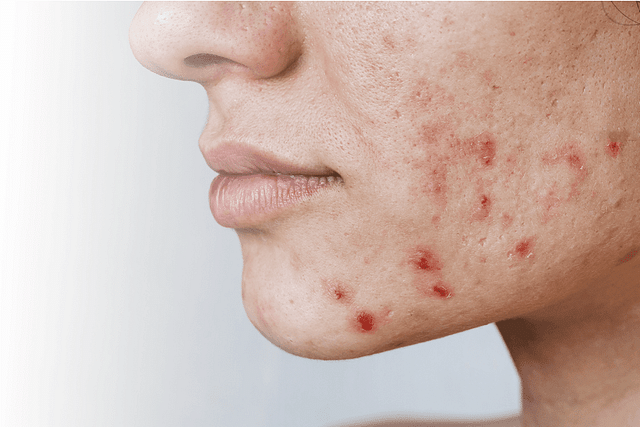
Acne is a common skin condition that occurs when hair follicles become clogged with oil and dead skin cells, leading to the formation of pimples, blackheads, and whiteheads. It affects people of all ages but is most prevalent during puberty. Acne can be classified into four grades based on severity, encompassing various types, including comedonal, inflammatory, and nodulocystic acne.
 50
50Last updated on : 17 Apr, 2026
Read time : 12 mins
Overview of Disease
Acne is a prevalent skin disorder that affects millions of people worldwide. It is characterised by the appearance of various types of lesions on the skin, particularly in areas with a high density of oil glands, such as the face, back, and chest. While acne is most common among teenagers, it can also affect adults, especially women. Understanding the causes, stages, and types of acne is crucial for effective management and treatment of this condition.
What is Acne?
Acne is a multifactorial skin condition that results from a combination of excess sebum production, dead skin cell accumulation, bacterial growth, and inflammation within hair follicles. Sebaceous glands, which are connected to hair follicles, produce an oily substance called sebum. When the follicles become clogged with a mixture of sebum and dead skin cells, it creates an ideal environment for the proliferation of bacteria, particularly Cutibacterium acnes. This process leads to the development of various types of acne lesions, ranging from mild to severe.
Key Factors about Acne
| Category | Details |
| Also Referred to as | Acne vulgaris |
| Commonly Occurs In | Teenagers, though it affects people of all ages |
| Affected Organ | Skin, particularly areas with high oil gland concentration (face, forehead, chest, upper back, shoulders) |
| Type | Comedonal, papular, pustular, nodular, cystic (or nodulocystic) |
| Common Signs | Whiteheads, blackheads, papules, pustules, nodules, cysts |
| Consulting Specialist | Dermatologist |
| Treatment Procedures | Topical and oral medications (e.g., benzoyl peroxide, antibiotics, retinoids), lifestyle changes, and minor procedures |
| Managed By | Retinoids (Retinoic acid, Tretinoin & Adapalene), Antimicrobials (Azelaic acid), Topical antibiotics (Clindamycin), Anti-acne agents (Salicylic acid), Systemic antibiotics (Doxycycline & Minocycline), Oral antibiotics |
| Mimicking Condition | Folliculitis, rosacea, hidradenitis suppurativa, miliaria |
Types of Acne
Acne can be broadly categorised into three main types based on the predominant lesions present. These include:
- Comedonal acne: This type is characterised by the presence of non-inflammatory lesions called comedones.
- Whiteheads: These are plugged hair follicles that remain beneath the skin surface, creating small, white or flesh-coloured bumps.
- Blackheads: When plugged follicles open up and reach the skin surface, the exposed sebum undergoes oxidation, resulting in a dark appearance.
- Inflammatory acne: This type is characterised by red, inflamed lesions that occur when bacteria infect clogged hair follicles.
- Papules: These are small, pink, or red bumps that can be tender to the touch and are often surrounded by inflamed skin.
- Pustules: Similar to papules, pustules are inflamed bumps that contain visible pus at their tips and are commonly referred to as "pimples."
- Nodulocystic acne: This severe form of acne is characterised by large, deep, and painful lesions that extend into deeper layers of the skin.
- Nodules: These are solid, large, and painful bumps that form deep within the skin and can persist for weeks or even months.
- Cysts: Cysts are pus-filled, painful lesions that can cause significant damage to the skin and often lead to scarring.
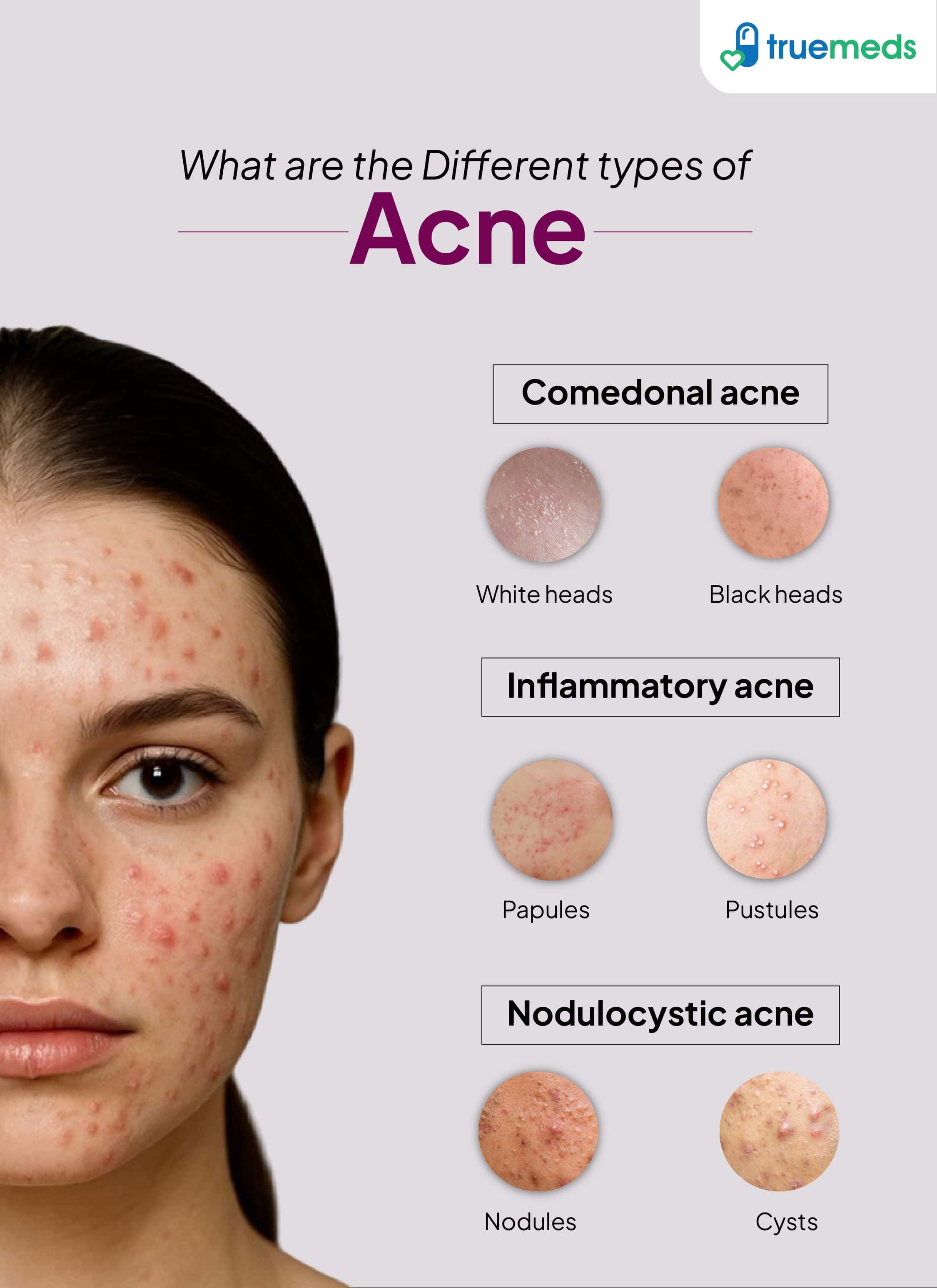
Identifying the predominant type of acne lesions is crucial for determining the most suitable treatment approach and minimising the risk of long-term complications such as scarring and hyperpigmentation.
Symptoms of Acne
Acne symptoms can vary in severity. The most common ones include:
- Comedones: These are non-inflammatory lesions, including open comedones (blackheads) and closed comedones (whiteheads), which form when hair follicles become clogged with oil and dead skin cells.
- Papules: Small, red, inflamed bumps that can be tender to the touch. Papules are a sign of inflammation in the hair follicles.
- Pustules: Similar to papules but filled with pus, pustules appear as red bumps with a white or yellow centre. They indicate a more advanced inflammatory response.
- Nodules: Larger, painful lumps that develop beneath the skin's surface. Nodules are solid and can be quite tender, often requiring more intensive treatment.
- Cysts: Deep, painful, pus-filled lesions that can lead to scarring. Cysts are a severe form of acne and are often larger than nodules.
- Scarring: Acne can lead to permanent scarring, which may appear as depressions or raised areas on the skin after the lesions have healed.
- Skin changes: The affected areas may appear oily and have an uneven texture, and individuals may experience redness or inflammation around the acne lesions.
Stages of Acne
Acne can be classified into four grades based on the severity and extent of the lesions. The stages of acne include:
- Grade 1 (mild acne): This stage is characterised by the presence of a few whiteheads and blackheads, with occasional small, inflamed bumps called papules.
- Grade 2 (moderate acne): In this stage, there is an increased number of comedones (whiteheads and blackheads) and a greater frequency of inflammatory papules and pustules.
- Grade 3 (severe acne): This stage is characterised by numerous comedones, papules, and pustules, as well as the emergence of larger, more painful lesions known as nodules.
- Grade 4 (cystic acne): The most severe form of acne, this stage is characterised by widespread, large, and painful cysts and nodules that can lead to significant scarring if left untreated.
Causes of Acne
Acne is primarily caused by a combination of factors that lead to the blockage of hair follicles and the overproduction of sebum. According to NIH, some of the common causes of acne include:
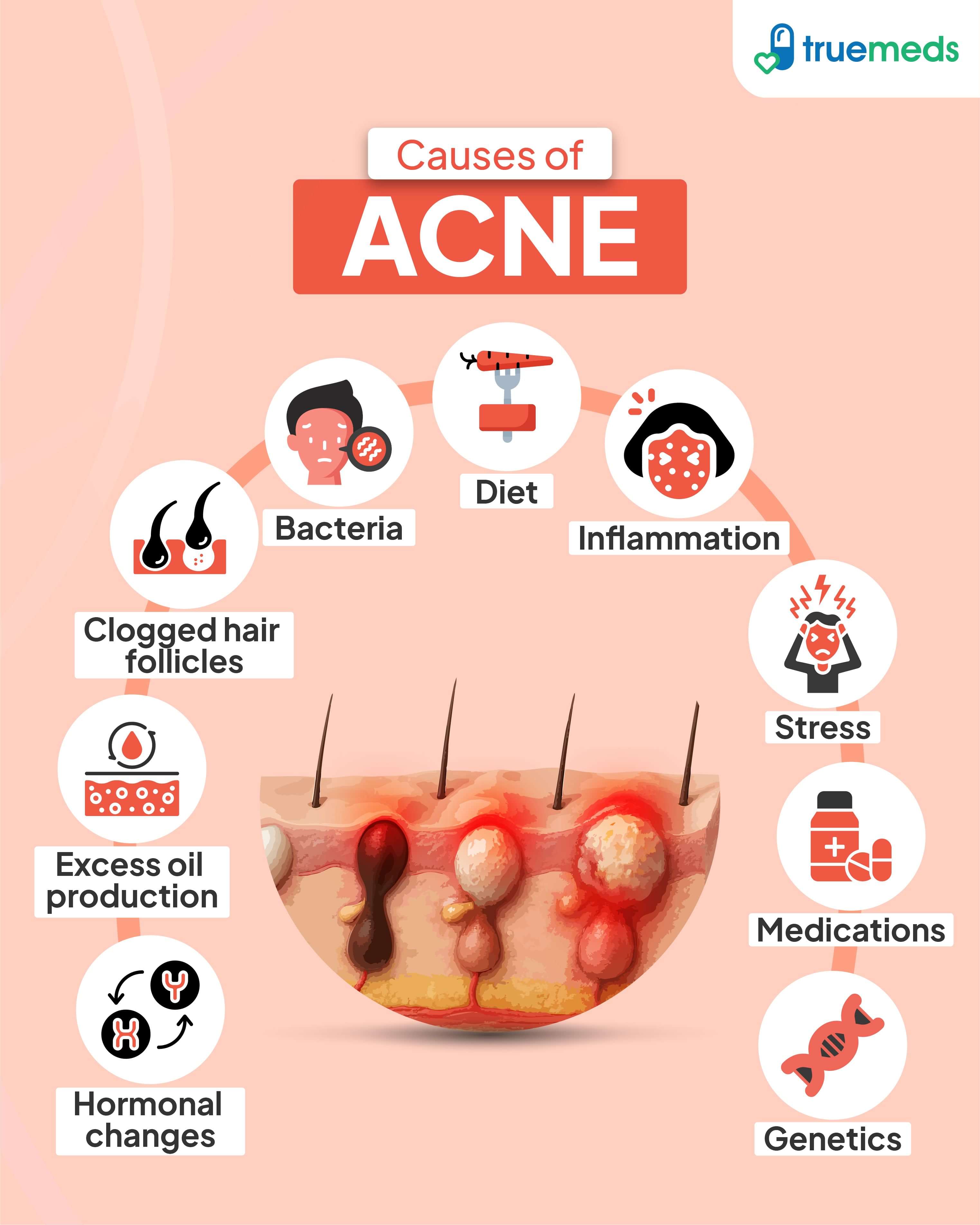
- Excess oil production: Overactive sebaceous (oil) glands can lead to excessive sebum production, which can clog pores and create an environment conducive to acne.
- Clogged hair follicles: Dead skin cells can accumulate and mix with oil, blocking hair follicles. This can lead to the formation of comedones (blackheads and whiteheads).
- Bacteria: The presence of Cutibacterium acnes (C. acnes), a type of bacteria that usually lives on the skin, can contribute to inflammation and infection when follicles are clogged.
- Inflammation: The body's immune response to bacteria and clogged follicles can cause inflammation, leading to the red, swollen lesions characteristic of acne.
- Genetics: A family history of acne can increase the likelihood of developing the condition, suggesting a genetic predisposition.
Risk Factors
Several factors can increase an individual's likelihood of developing acne, including:
- Hormonal changes during puberty, menstruation, pregnancy, and menopause
- Genetic predisposition
- Certain medications containing corticosteroids, testosterone, or lithium
- Diets high in refined carbohydrates, dairy products, or foods with a high glycaemic index
- Stress
- Friction or pressure on the skin from items like helmets, tight collars, or backpacks
- Harsh skin care products or excessive face washing
Who's at Risk?
Acne can affect individuals of all ages, but some groups are more susceptible, including:
- Adolescents and young adults
- Women who experience hormonal fluctuations, such as during menstrual cycles or pregnancy
- Individuals with a family history of acne
- People with oily skin types
- Those who use certain medications that can trigger acne as a side effect
- Individuals who consume diets high in refined carbohydrates, dairy, or high-glycaemic foods
- People who experience high levels of stress
- Those who frequently wear items that cause friction or pressure on the skin
Complications
While acne is primarily a skin condition, it can lead to several complications if not properly managed. Some of these complications include (Sutaria, A. H., Masood, S., 2023):
- Scarring: Acne can cause both atrophic (depressed) and hypertrophic (raised) scars. These scars can be permanent and may require treatments like laser therapy or dermal fillers to improve appearance.
- Hyperpigmentation: After acne lesions heal, they can leave behind dark spots or areas of discolouration on the skin, known as post-inflammatory hyperpigmentation. This can take time to fade and may require treatments like chemical peels or topical lightening agents.
- Psychological impact: Acne can significantly affect mental health, leading to issues such as low self-esteem, anxiety, and depression. The visible nature of acne can cause distress and social withdrawal for some individuals.
- Infection: Infected acne lesions can lead to more severe conditions, such as abscesses, which may require medical intervention or drainage.
- Acne fulminans: A rare but severe form of acne that can occur suddenly, causing extensive inflammation, painful nodules, and systemic symptoms like fever. This condition requires immediate medical attention.
- Chronic skin changes: Persistent acne can lead to lasting changes in skin texture and appearance, affecting overall skin health.
Prevention of Acne
Preventing acne involves a combination of lifestyle choices and skincare practices. Here are key strategies to help reduce the risk of developing acne:
- Maintain a clean skin routine: Gently wash the face twice daily with a mild cleanser to remove excess oil, dirt, and impurities. Avoid harsh scrubs that can irritate the skin.
- Moisturise: Use non-comedogenic moisturisers to keep the skin hydrated without clogging pores. Even oily skin needs moisture to maintain balance.
- Choose non-comedogenic products: Select makeup, skincare, and haircare products labelled as non-comedogenic, meaning they are less likely to clog pores.
- Avoid touching your face: Minimise touching your face, as oils and bacteria from your hands can contribute to clogged pores and irritation.
- Manage hair products: Keep hair clean and avoid heavy hair products that can transfer to the skin and clog pores, especially along the hairline.
- Healthy diet: Incorporate a balanced diet rich in fruits, vegetables, whole grains, and lean proteins. Some individuals may benefit from reducing high-glycaemic foods and dairy.
- Stay hydrated: Drink plenty of water to maintain skin hydration and support overall health.
- Sun protection: Use non-comedogenic sunscreen to protect the skin from UV damage, which can exacerbate acne and lead to scarring.
- Stress management: Engage in stress-reducing activities such as exercise, meditation, or hobbies, as stress can trigger hormonal changes that worsen acne.
By adopting these preventive measures, individuals can reduce their risk of developing acne and maintain healthier skin.
Diagnosis & Tests
Diagnosing acne typically involves a thorough clinical evaluation by a doctor. The process includes:
- Medical history: The doctor will ask about the patient's medical history, including any previous skin conditions, family history of acne, and current medications or skincare products.
- Physical examination: A detailed examination of the skin is conducted to assess the type and severity of acne lesions, including the presence of comedones, papules, pustules, nodules, or cysts.
- Assessment of symptoms: The provider may enquire about the frequency and duration of breakouts, any associated symptoms (such as pain or itching), and the impact of acne on the patient’s quality of life.
- Differential diagnosis: The doctor may rule out other skin conditions that can mimic acne, such as rosacea, folliculitis, or hidradenitis suppurativa, to ensure an accurate diagnosis.
- Laboratory tests: In some instances, blood tests or hormonal evaluations may be recommended to identify underlying hormonal imbalances, especially in adult women with persistent or severe acne.
Treatment & Management
Acne treatment varies depending on severity and type, often requiring a combination of topical treatments, oral medications, and lifestyle modifications.
1. Topical Medications
- Topical Antibiotics: Clindamycin and sulfacetamide sodium help reduce bacteria and inflammation on the skin.
- Benzoyl Peroxide: Benzoyl Peroxide works as an antibacterial agent that kills acne-causing bacteria and reduces inflammation.
- Keratolytic Agents: Salicylic acid helps exfoliate the skin, unclog pores, and prevent new breakouts.
- Retinoids: Tretinoin and adapalene aid in promoting cell turnover, preventing clogged pores, and improving skin texture.
2. Oral Medications
- Systemic Antibiotics: Doxycycline and minocycline help reduce bacteria and inflammation in moderate to severe acne.
- Isotretinoin: Isotretinoin is a potent oral retinoid reserved for severe, treatment-resistant cases, significantly reducing oil production and preventing breakouts.
3. Combination Medications
- Adapalene + Clindamycin: Adapalene + Clindamycin combines the benefits of a retinoid and an antibiotic to prevent clogged pores and reduce bacterial growth.
- Clindamycin + Tretinoin: Clindamycin + Tretinoin helps control acne by reducing inflammation and promoting skin renewal.
- Adapalene + Benzoyl Peroxide: Adapalene + Benzoyl Peroxide targets acne with both exfoliating and antibacterial properties.
- Benzoyl Peroxide + Clindamycin: Benzoyl Peroxide + Clindamycin reduces bacterial growth and inflammation, while also preventing new acne lesions.
4. Additional Treatments
- Chemical Peels: Help exfoliate dead skin cells, improve acne, and reduce scarring.
- Laser and Light Therapies: Target acne bacteria and inflammation for long-term reduction of acne.
- Skincare: Using non-comedogenic products, maintaining a healthy diet, and following a gentle skincare routine can enhance treatment outcomes.
When to See a Doctor?
If you find that your acne is severe, persists for a long time, or significantly impacts your self-esteem and confidence, it's essential to consult a doctor. Additionally, seek medical advice if over-the-counter acne products do not improve your skin after several weeks of use. If you notice signs of infection, such as increased redness, swelling, warmth, or discharge, it is advisable to see a doctor promptly.
Key Takeaways
- Acne is a common skin condition that affects people of all ages, but it is most prevalent in teenagers and young adults.
- Various factors, including hormonal changes, genetics, skincare habits, and lifestyle choices, can contribute to the development of acne.
- Treatment options for acne include over-the-counter medications, prescription topical and oral treatments, as well as in-office procedures.
- Maintaining a consistent skincare routine, using non-comedogenic products, and adopting a balanced diet and lifestyle can help manage acne and reduce the risk of future breakouts.
- If acne is severe, persistent, or causing significant distress, it is essential to consult a dermatologist or doctor for personalised advice and treatment options.
FAQs
Is acne considered a disease or a skin condition?
How to remove a pimple overnight?
Which treatment is best for acne?
Is vitamin C good for acne?
What are the home remedies for acne / pimples?
Can acne be cured with ayurveda?
How do I remove my pimple marks?
References
- National Institute of Arthritis and Musculoskeletal and Skin Diseases. (2020). What is acne? Definition & types. https://www.niams.nih.gov/health-topics/acne
- Penn Medicine. (n.d.). Acne - Symptoms and causes. https://www.pennmedicine.org/for-patients-and-visitors/patient-information/conditions-treated-a-to-z/acne
- Yale Medicine. (n.d.). Acne (Acne Vulgaris). https://www.yalemedicine.org/conditions/acne
- Johns Hopkins Medicine. (n.d.). Acne. https://www.hopkinsmedicine.org/health/conditions-and-diseases/acne
- NHS. (n.d.). Acne. https://www.nhs.uk/conditions/acne/
- Branch, N. S. C. a. O. (2025, June 5). Acne. National Institute of Arthritis and Musculoskeletal and Skin Diseases. https://www.niams.nih.gov/health-topics/acne
- Sutaria, A. H., Masood, S., Saleh, H. M., & Schlessinger, J. (2023, August 17). Acne vulgaris. StatPearls - NCBI Bookshelf. https://www.ncbi.nlm.nih.gov/books/NBK459173/
Latest health articles

Top Health Essentials











Disclaimer
Top-Selling Medicines:
...View more
Top-OTC medicines:
...View more
Company
About UsHealth ArticleHealth StoriesHealth LibraryDiseases & Health ConditionsAyurvedaUnderstanding Generic MedicinesAll MedicinesAll BrandsNeed HelpFAQSecuritySavings CalculatorAdvertise with UsSubscribe
Registered Office Address
Grievance Officer
Download Truemeds


Contact Us
Our customer representative team is available 7 days a week from 9 am - 9 pm.
v4.28.20

2026 - Truemeds | All rights reserved. Our content is for informational purposes only. See additional information.
Our Payment Partners