

- Medicines
- Personal Care
- Skin Cream
- Sunscreen
- Face Wash
- Skin and Body Soap
- Acne Care
- Body Lotions
- Moisturising Lotion
- Moisturising Cream
- Mosquito Repellent
- Moisturising Gel
- Body Wash
- Hair Oils
- Hair Shampoo
- Hair Conditioners
- Hair Supplements
- Hair Colour
- Hair Serum
- Hair Mask
- Hair Solutions
- Baby Diapers and Wipes
- Baby Lotion and Moisturising Cream
- Baby Bath Essentials
- Baby Skin Care
- Baby and Infant Food
- Baby Healthcare
- Women Multivitamins
- Ovulation Test Kit and Women Intimate Care
- Sanitary Pads
- Nutritional Drinks
- Condoms
- Lubricants
- Massage Gels
- Personal Body Massagers
- Men Performance Booster
- Sexual Health Supplements
- Massage Oils
- Ayurveda
- Tooth Paste
- Mouth Ulcer Gel
- Mouthwash
- Toothache and Gum Pain
- Tooth Brush
- Gargle Solution
- Orthopaedic Supports
- Adult Diapers
- Footwear
- Mobility and Support Accessories
- Urinary Support and Care
- Health Conditions
- Bone and Joint Care
- Digestive Care
- Eye Care
- Pain Relief
- Smoking Cessation
- Liver Care
- Stomach Care
- Cold and Cough
- Heart Care
- Kidney Care
- Piles, Fissures & Fistula
- Respiratory Care
- Mental Wellness
- Derma Care
- Pre and Probiotics
- Acidity
- Gas
- Constipation
- Loose Motion/Diarrhoea
- Digestive Fibres
- Digestive Enzymes
- Eye Lubricant Drops
- Lens Solution
- Safety Eye Wear
- Eye Cream
- Eye Vitamins and Supplements
- Eye Drops
- Eye Ointment and Gel
- Nicotine Patch
- Nicotine Gum
- Nicotine Lozenges
- Cough Syrups
- Chest Rubs and Balms
- Nasal Spray
- Lozenges
- Inhalant Capsules
- Cold and Cough Tablets
- Vitamins & Supplements
- Diabetes Care
- Healthcare Devices
- Homeopathic Medicine
- Health Guide
Burns
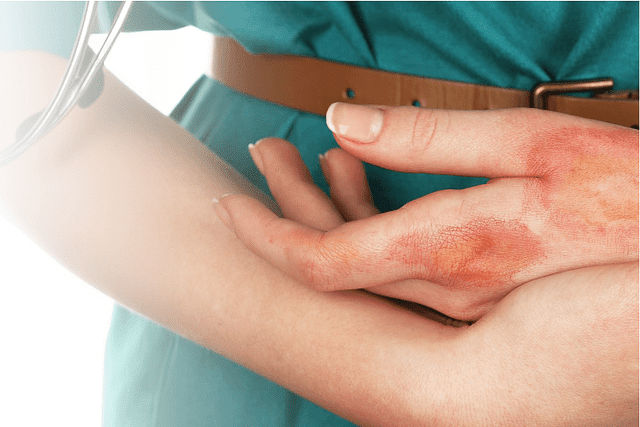
Most burns occur when you come into contact with something too hot. It also occurs when chemicals, electricity, or radiation damage the skin and underlying tissues. The severity depends on how deep the burn is and how much of the body it affects. Burns are common injuries, often accidental. Recognising and treating burns properly is essential, and knowing when to seek professional medical care can be life-saving.
 50
50Last updated on : 30 Apr, 2026
Read time : 13 mins
Overview of Disease
Burns are a common type of injury that can occur in various settings, from the home to the workplace. They can be caused by a wide range of factors, including heat, chemicals, electricity, radiation, and the sun. While some burns are minor and can be treated at home, others can be severe and require immediate medical attention. In this article, we will explore the different types of burns, their causes, and the appropriate first aid measures.
What is a Burn?
According to the World Health Organisation (WHO, 2023), a burn is an injury to the skin or other tissues resulting from exposure to heat, electricity, chemicals, friction or radiation. An estimated 180 000 deaths every year are caused by burns. The vast majority occur in low- and middle-income countries. The severity of a burn depends on its depth (the number of skin layers affected) and its size. Burns can cause pain, redness, swelling, blistering, and, in severe cases, charring of the skin. Burns can range from minor injuries to life-threatening emergencies; seeking appropriate medical care depends on the severity.
Key Factors about Burns
| Category | Details |
| Also Referred as | Burn Injury |
| Commonly Occurs In | Children, Elderly, Kitchen, Workplace |
| Affected Organ | Skin, Underlying Tissues |
| Type | Thermal, Chemical, Electrical, Radiation |
| Common Signs | Pain, Redness, Swelling, Blisters, Charring |
| Consulting Specialist | Emergency Medicine Physician, Burn Specialist, Plastic Surgeon |
| Treatement Procedures | Cooling, Debridement, Dressing, Pain Management, Antibiotics, Skin Grafting |
| Managed By | Burn ointments (Bacitracin and Silver sulfadiazine), Pain relievers (Paracetamol, Ibuprofen, and Morphine), Anabolic steroids (Oxandrolone), Antibiotics (Cefotaxime, Trimethoprim and Penicillin V), Thromboprophylaxis, Surgery (Skin grafts and Reconstruction surgeries) |
| Mimiciking Condition | Minor skin irritations, Allergic reactions |
Types of Burns
There are 5 main types of burns:
Burns can be classified into five main types based on their cause:
- Thermal Burns – Caused by exposure to extreme temperatures, such as fire, boiling water, flame, steam or hot objects. Thermal injuries account for about 90% of all burns.
- Electrical Burns – Occur when electrical currents pass through the body, generating heat and damaging tissues. Electrical injuries account for less than 5% of all burns.
- Friction Burns – Result from intense rubbing against the skin, generating heat and often causing additional injuries like scrapes.
- Radiation Burns – Radiation burns are mainly caused by ultraviolet (UV) light, X-rays, or gamma radiation. Alpha and beta particles are less likely to cause external burns but can be harmful if internalised.
- Chemical Burns – Happen when strong acids or bases react with the skin, leading to severe tissue damage. Chemical injuries account for approximately 3% of burns (Zwierello and Poirun, 2023).
Approximately 86% of burns are caused by thermal injury, while about 4% are electrical and 3% are chemical.
Degrees of burns
Burn severity is determined by how deep the damage goes. While the old system classified burns by degrees, experts now use the following categories:
- Superficial Burns (Similar to First-Degree Burns): Affect only the top layer of skin (epidermis). These are mild, self-treatable, and typically cause redness and slight discomfort.
- Partial-Thickness Burns (Similar to Second-Degree Burns): Damage deeper layers of skin (epidermis and part of dermis), leading to blisters, pain, and changes in skin color or texture.
- Full-Thickness Burns (Similar to Third-Degree Burns): Extend through all layers of the skin and may reach the fatty tissue underneath. These burns destroy nerve endings, so they may not be painful.
- Deeper Burns (Fourth-Degree Burns and Beyond): Less common but more severe, these burns can reach muscles, nerves, and even bones, causing significant tissue damage.
Symptoms of Burns
Burns can cause various symptoms depending on their severity, including:
- Pain: Ranges from mild discomfort in superficial burns to severe pain in partial-thickness burns. Full-thickness burns may not hurt due to nerve damage, but the surrounding areas can be painful.
- Skin Texture Changes: Superficial burns may cause peeling, while deeper burns can lead to blistering, leathery skin, or stiffness.
- Skin Color Changes: Burns can cause redness, blistering, or darkened, charred skin. Healing skin may also appear discolored.
Causes of Burns
Burns can result from various sources, including:
- Heat Exposure: Touching hot surfaces, flames, or hot air (e.g., hair dryers, heaters).
- Cold Exposure: Contact with dry ice, extreme cold air, or frostbite-inducing temperatures.
- Hot or Cold Liquids: Scalding water, steam, or exposure to substances like liquid nitrogen.
- Electrical Burns: Occur from contact with power lines, damaged cords, lightning, or batteries.
- Friction Burns: Caused by falling on pavement (road rash) or rubbing against rough fabrics.
- Sunburns and Radiation: Prolonged sun exposure without protection or radiation therapy.
- Chemical Burns: Contact with harsh cleaning products, industrial chemicals, or construction materials.
Complications
Burns can lead to various complications, some of which can be life-threatening. The risk of complications increases with the severity and extent of the burn. Some common complications include:
- Infection: Burns compromise the skin's protective barrier, making it more susceptible to bacterial infections. Signs of infection include increased pain, redness, swelling, and discharge.
- Dehydration: Fluid loss through the burnt skin can lead to dehydration, which can cause organ damage if left untreated.
- Hypothermia: Extensive burning can disrupt the body's ability to regulate temperature, leading to hypothermia.
- Scarring: Deep burns can result in significant scarring, which may cause physical and psychological distress. Contractures (tightening of the skin) can limit movement and function.
- Breathing problems: Burns to the face, neck, or chest can cause swelling and inflammation in the airways, leading to difficulty breathing.
- Sepsis: Severe infections can lead to sepsis, a life-threatening condition characterised by widespread inflammation and organ dysfunction.
- Psychological trauma: The physical and emotional impact of burns can lead to psychological complications such as anxiety, depression, and post-traumatic stress disorder (PTSD).
Prevention of Burns
Preventing burns is crucial to avoid the pain, suffering, and potential complications associated with these injuries. Some key steps to prevent burns include:
Keep hot liquids and food out of reach of children, and use caution when handling them.
Install smoke alarms and regularly check their batteries to ensure they are functioning properly.
Keep matches, lighters, and other flammable materials out of reach of children.
Use caution when handling hot objects such as curling irons, hair straighteners, and cooking equipment.
Ensure electrical outlets are not overloaded and replace any frayed or damaged electrical cords.
Use sunscreen with an appropriate SPF and wear protective clothing when exposed to the sun to prevent sunburns.
Store chemicals and flammable liquids in a secure location away from heat sources.
Teach children about fire safety and create an escape plan in case of a fire.
Diagnosis & Tests
Diagnosing burns involves a thorough assessment of the injury's severity and extent to determine the appropriate level of care. The following factors are considered during the diagnostic process:
Visual examination: The size, depth, and location of the burn are carefully assessed. First-degree burns are characterised by redness and minor swelling, while second-degree burns present with blisters and more intense redness. Third-degree burns appear waxy, white, charred, or dark brown, with a raised and leathery texture.
Estimating the percentage of body surface area (BSA) affected: The "rule of nines" is often used to estimate the percentage of BSA affected in adults, while specialised charts are used for children. Burns covering more than 10% of the BSA are considered severe and require immediate medical attention.
Assessing the burn depth: The depth of the burn is determined by examining the skin's appearance and sensation. First-degree burns affect only the epidermis, while second-degree burns extend into the dermis. Third-degree burns damage all layers of the skin and may appear leathery or charred.
Evaluating other injuries: Burns can be accompanied by other injuries, such as fractures, inhalation injuries, or head trauma. A comprehensive evaluation is essential to identify and address any additional complications.
Medical history: Preexisting medical conditions, allergies, and current medications are considered when developing a treatment plan.
Treatment & Management
The management and treatment of burns vary significantly depending on the severity and type of burn. Treatment options include initial care, pain management, wound care, medications, surgical intervention, hydration, infection monitoring, and rehabilitation.
1. Initial Care
For minor burns, the first step is to cool the affected area by running cool (not cold) water over the burn for 10 to 20 minutes. Avoid using ice, as it can further damage the skin.
After cooling, gently clean the burn with mild soap and water to remove debris. Normal saline solution is preferred over Povidone Iodine to disinfect the wound and prevent infection.
2. Pain Management
Pain relief is crucial in burn treatment. Paracetamol (Acetaminophen) and Ibuprofen are commonly used analgesics that help reduce pain and inflammation.
For more severe burns, stronger pain medications may be prescribed by a doctor.
3. Wound Care and Antiseptic Treatment
Burns should be kept clean and protected to prevent infection. Silver Sulfadiazine, Sulfamylon (Mafenide Acetate), Silver Nitrate, and Povidone Iodine can be used to prevent bacterial growth and promote healing. The most commonly used topical antimicrobial agent is silver sulfadiazine (SSD), an effective antimicrobial agent against Staphylococcus and Streptococcus that has been widely used in burn wound management since 1968 (Radzikowska-Buchner and Lopuszynxka, 2023).
For burns with blisters, it is important to leave them intact to protect the underlying skin. If blisters break, gently clean the area and apply an antibiotic ointment.
4. Antibiotic Therapy for Infection Prevention
Mafenide Acetate, Gentamicin, and Cefotaxime are antibiotics used to prevent or treat infections, especially in deeper burns where the risk of bacterial contamination is high.
These antibiotics help eliminate bacteria and support proper healing.
5. Fluid Replacement Therapy
Maintaining hydration is critical for patients with extensive burns to compensate for fluid loss.
Albumin is used in fluid replacement therapy to restore lost plasma volume and maintain blood circulation in cases of severe burns.
6. Combined Treatment for Wound Healing
Some burns benefit from specialised wound healing agents, such as Allantoin + Allium Cepa Extract + Heparin, which promote tissue regeneration and reduce scarring.
Aminacrine Hydrochloride + Cetrimide is another combination therapy used for wound disinfection and healing acceleration.
7. Surgical Intervention
In severe cases, surgical procedures such as skin grafting and reconstructive surgery may be required to restore skin integrity and function. Split-thickness and full-thickness skin autografts (STSG/FTSG) remain the gold standard for permanent skin substitution and rapid wound closure (Suca and Coma, 2024).
These procedures help reduce long-term complications and improve recovery.
8. Monitoring for Infection and Rehabilitation
It is important to monitor for signs of infection, such as redness, swelling, pus formation, or fever. Seek medical attention promptly if these symptoms appear.
In cases of severe burns, physical rehabilitation may be required to restore mobility and function. This helps prevent contractures and improves long-term recovery outcomes.
Proper burn management and early intervention help minimise complications and promote faster healing. Always follow medical advice regarding the use of medications and wound care to ensure optimal recovery.
Living with Disease
While prevention is key, living with the aftermath of a burn injury requires careful management to promote healing and prevent further complications. Here are some pointers to keep in mind:
- Follow your doctor's instructions for wound care, including regular dressing changes and the application of prescribed ointments or creams.
- Keep the burnt area clean and dry to prevent infection and avoid scratching or picking at the wound.
- Protect the burnt area from direct sunlight, as it can cause further damage and discolouration to the healing skin.
- Wear loose, comfortable clothing that doesn't rub against the burnt area, and opt for natural, breathable fabrics like cotton.
- Stay hydrated and maintain a balanced diet rich in nutrients that support wound healing, such as vitamin C, zinc, and protein.
- Attend follow-up appointments with your doctor to monitor the healing process and address any concerns or complications.
- Consider seeking support from a burn survivor support group or a mental health professional to cope with the emotional impact of the injury.
When to See a Doctor?
While minor burns can often be treated at home, certain situations require immediate medical attention. If you experience any of the following symptoms or circumstances, it's essential to call your doctor or seek emergency care:
- The burn is larger than the size of the palm of your hand, or it covers a sensitive area like the face, hands, feet, or genitals.
- The burn is deep, causing the skin to appear white, brown, or charred, or if it results in blistering.
- You experience signs of infection, such as increased pain, redness, swelling, or discharge from the burn site.
- You develop fever, chills, or other systemic symptoms following burn injury.
- The burn was caused by electricity, chemicals, or an explosion, as these types of burns may cause internal damage not immediately visible on the skin.
Key Takeaways
- Burns are a common injury that can range from mild to life-threatening, depending on the extent and depth of the damage.
- Scald burns from hot liquids, flame burns, and contact with hot objects are the most common types of burns.
- Symptoms of burns include pain, redness, swelling, blistering, and, in severe cases, charring of the skin.
- Treatment for burns depends on the severity and may include cooling the burn, applying topical treatments, taking pain medication, and, in severe cases, hospitalisation and skin grafting.
- Preventing burns involves a combination of awareness, safety measures, and cautious behaviours in various settings, such as the kitchen, around fires, and when handling chemicals.
- Living with burns requires diligent wound care, pain management, sun protection, rehabilitation, and emotional support.
- Seek medical attention for deep, large, or infected burns or if the pain is severe and unmanageable at home.
FAQs
What are the 4 stages of burn injuries?
What are the primary types of burns based on their cause?
How are burns defined?
How to prevent and treat burns?
How are burns classified?
What are the 4 C's of burn care?
How do you diagnose a burn?
What is the rule of 9 for burns?
How to treat a 3rd degree burn?
References
- MedlinePlus. (2021). Burns. https://medlineplus.gov/burns.html
- National Health Service. (2022). Burns and scalds. https://www.nhs.uk/conditions/burns-and-scalds/
- Schaefer, T. J., Tannan, S. C., & Braswell, L. E. (2022). Burn evaluation and management. StatPearls Publishing. https://www.ncbi.nlm.nih.gov/books/NBK430741/
- World Health Organization. (2023, October 13). Burns [Fact sheet]. https://www.who.int/news-room/fact-sheets/detail/burns
- Żwierełło, W., Piorun, K., Skórka-Majewicz, M., Maruszewska, A., Antoniewski, J., & Gutowska, I. (2023). Burns: Classification, pathophysiology, and treatment: A review. International Journal of Molecular Sciences, 24(4), 3749. https://doi.org/10.3390/ijms24043749
- Šuca, H., Čoma, M., Tomšů, J., Sabová, J., Zajíček, R., Brož, A., Doubková, M., Novotný, T., Bačáková, L., Jenčová, V., Kuželová Košťáková, E., Lukačín, Š., Rejman, D., & Gál, P. (2024). Current approaches to wound repair in burns: How far have we come from cover to close? A narrative review. Journal of Surgical Research, 296, 383-403. https://www.journalofsurgicalresearch.com/article/S0022-4804(24)00013-1/fulltext
- Radzikowska-Büchner, E., Łopuszyńska, I., Flieger, W., Tobiasz, M., Maciejewski, R., & Flieger, J. (2023). An overview of recent developments in the management of burn injuries. International Journal of Molecular Sciences, 24(22), 16357. https://doi.org/10.3390/ijms242216357
Latest health articles

Top Health Essentials
















Disclaimer
Top-Selling Medicines:
...View more
Top-OTC medicines:
...View more
Company
About UsHealth ArticleHealth StoriesHealth LibraryDiseases & Health ConditionsAyurvedaUnderstanding Generic MedicinesAll MedicinesAll BrandsNeed HelpFAQSecuritySavings CalculatorAdvertise with UsSubscribe
Registered Office Address
Grievance Officer
Download Truemeds


Contact Us
Our customer representative team is available 7 days a week from 9 am - 9 pm.
v4.28.18

2026 - Truemeds | All rights reserved. Our content is for informational purposes only. See additional information.

Our Payment Partners




