

- Medicines
- Personal Care
- Skin Cream
- Sunscreen
- Face Wash
- Skin and Body Soap
- Acne Care
- Body Lotions
- Moisturising Lotion
- Moisturising Cream
- Mosquito Repellent
- Moisturising Gel
- Body Wash
- Hair Oils
- Hair Shampoo
- Hair Conditioners
- Hair Supplements
- Hair Colour
- Hair Serum
- Hair Mask
- Hair Solutions
- Baby Diapers and Wipes
- Baby Lotion and Moisturising Cream
- Baby Bath Essentials
- Baby Skin Care
- Baby and Infant Food
- Baby Healthcare
- Women Multivitamins
- Ovulation Test Kit and Women Intimate Care
- Sanitary Pads
- Nutritional Drinks
- Condoms
- Lubricants
- Massage Gels
- Personal Body Massagers
- Men Performance Booster
- Sexual Health Supplements
- Massage Oils
- Ayurveda
- Tooth Paste
- Mouth Ulcer Gel
- Mouthwash
- Toothache and Gum Pain
- Tooth Brush
- Gargle Solution
- Orthopaedic Supports
- Adult Diapers
- Footwear
- Mobility and Support Accessories
- Urinary Support and Care
- Health Conditions
- Bone and Joint Care
- Digestive Care
- Eye Care
- Pain Relief
- Smoking Cessation
- Liver Care
- Stomach Care
- Cold and Cough
- Heart Care
- Kidney Care
- Piles, Fissures & Fistula
- Respiratory Care
- Mental Wellness
- Derma Care
- Pre and Probiotics
- Acidity
- Gas
- Constipation
- Loose Motion/Diarrhoea
- Digestive Fibres
- Digestive Enzymes
- Eye Lubricant Drops
- Lens Solution
- Safety Eye Wear
- Eye Cream
- Eye Vitamins and Supplements
- Eye Drops
- Eye Ointment and Gel
- Nicotine Patch
- Nicotine Gum
- Nicotine Lozenges
- Cough Syrups
- Chest Rubs and Balms
- Nasal Spray
- Lozenges
- Inhalant Capsules
- Cold and Cough Tablets
- Vitamins & Supplements
- Diabetes Care
- Healthcare Devices
- Homeopathic Medicine
- Health Guide
Melasma
Melasma is a common skin condition characterised by dark, discoloured patches on the face and other sun-exposed areas. It is caused by excessive melanin production and can be triggered by hormonal changes, sun exposure, and genetic factors. While harmless, melasma can be distressing for those affected and may require various treatment approaches depending on the type and severity.
 50
50Last updated on : 22 Apr, 2026
Read time : 13 mins
Overview of Disease
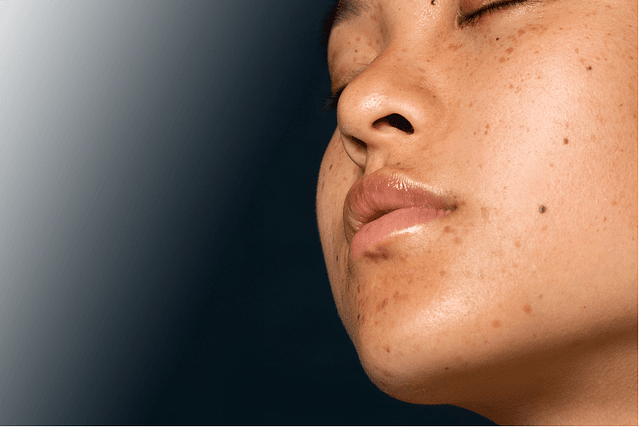
Melasma is a skin condition that affects millions of people worldwide, causing dark patches or freckle-like spots to appear primarily on the face, though it may occasionally appear on other sun-exposed areas. It is often referred to as the "mask of pregnancy" due to its high prevalence among pregnant women, but it can affect anyone, regardless of age or gender. In this article, we will explore the causes, types, symptoms, and treatment options for melasma.
What is Melasma?
Melasma is a benign hyperpigmentation disorder characterised by the appearance of dark, discoloured patches on the skin, primarily on the face. It is caused by the excessive production of melanin, the skin pigment responsible for skin colour. Various factors, including hormonal fluctuations, sun exposure, and genetic predisposition, can trigger melasma. Understanding the nature of this condition is crucial for those seeking effective management and treatment options.
Key Factors about Melasma
| Category | Details |
| Also Referred to as | Chloasma, "mask of pregnancy" |
| Commonly Occurs In | Women aged 20–40 years, especially those with darker skin tones |
| Affected Organ | Skin (face, sun-exposed areas) |
| Type | Epidermal, dermal, mixed |
| Common Signs | Brown, blue-grey patches, freckle-like spots, irregular borders, often symmetrical on the face |
| Consulting Specialist | Dermatologist |
| Treatment Procedures | Topical skin-lightening agents, chemical peels, laser/light therapies, microneedling (used cautiously and typically not first-line due to risk of post-inflammatory hyperpigmentation) |
| Managed By | Bleaching agents (hydroquinone); topical epidermal turnover enhancers such as retinoids (e.g., tretinoin, adapalene) (topical isotretinoin formulations are not routinely used or supported for melasma). Alpha- and beta-hydroxy acids (for example, glycolic acid, mandelic acid, and salicylic acid) may be used as adjuncts to improve epidermal turnover. Other agents that target melanin synthesis pathways may also be used. |
| Mimicking Condition | Freckles, age spots, sun spots, liver spots, and certain skin cancers (e.g., melanoma) |
Types of Melasma
Melasma can be categorised into three main types based on the level of increased melanin in the skin. These include:
- Epidermal Melasma: This type of melasma affects the outer layer of the skin (epidermis) and is characterised by light brown patches. Epidermal melasma is the most responsive to treatment and may improve with topical medications and sun protection.
- Dermal Melasma: Dermal melasma affects the deeper layer of the skin (dermis) and is characterised by blue-grey patches. This type of melasma is more challenging to treat and may require more aggressive therapies, such as chemical peels or laser treatments.
- Mixed Melasma: Mixed melasma is the most common type and involves both the epidermal and dermal layers of the skin. It may present with a combination of light brown and blue-grey patches, and treatment often requires a multi-faceted approach.
Melasma can appear on various areas of the body, but it most commonly affects the face, particularly the cheeks, forehead, bridge of the nose, chin, and upper lip. It can also appear on other sun-exposed areas, such as the neck, arms, back, and forearms.
Symptoms of Melasma
The most common symptoms of melasma include:
- Hyperpigmentation: Hyperpigmentation is characterised by the appearance of discoloured patches of skin that are noticeably darker than the surrounding areas. These patches can vary in size and shape, often developing gradually over time.
- Discoloured patches of skin: The affected patches are usually brown or grey in colour and have well-defined borders, making them distinct from the surrounding skin. These patches can appear on various areas of the body, though they are most commonly found on the face.
- Uneven skin tone: Melasma can lead to an overall uneven skin tone, with the affected areas appearing darker than the rest of the skin. This unevenness can be particularly noticeable in certain lighting conditions, which may affect an individual’s confidence and self-esteem.
Causes of Melasma
Melasma is a complex skin condition caused by various factors that lead to an increase in melanin production by overactive melanocytes in the skin. These include:
- Sun exposure: Prolonged exposure to ultraviolet (UV) radiation is a primary trigger for melasma. Ultraviolet A (UVA) and ultraviolet B (UVB) rays stimulate melanin production in the skin, leading to the formation of dark patches.
- Hormonal changes: Hormonal fluctuations are a significant factor in melasma development. This condition is commonly observed during pregnancy, known as the “mask of pregnancy.” Hormonal treatments, such as birth control pills or hormone replacement therapy, can also exacerbate melasma.
- Genetics: A genetic predisposition plays a critical role in melasma. Individuals with a family history of the condition are at a higher risk of developing it themselves.
- Skin type: Melasma is more prevalent in individuals with darker skin tones, particularly those of Latin, Asian, or Middle Eastern descent. This susceptibility is linked to higher melanin levels in these skin types.
- Medications: Certain medications, such as anti-seizure medications, birth control pills, and those that increase the skin's sensitivity to sunlight, can trigger melasma by altering hormonal levels or making the skin more susceptible to UV damage.
- Skin irritation: Irritation from harsh skincare products, chemical peels, or laser treatments can trigger melasma in individuals who are already predisposed to the condition.
- Environmental factors: Factors such as pollution and stress may also exacerbate melasma symptoms, contributing to the overall condition.
Risk Factors
Several factors can increase the likelihood of developing melasma, including:
- Gender (women are more prone than men)
- Age (between 20 and 40 years)
- Pregnancy
- Medium or dark skin tones
- Family history
- Use of hormonal contraceptives or hormone replacement therapy
- Prolonged exposure to sunlight
Who's at Risk?
Melasma can affect anyone, but certain groups are at a higher risk, including:
- Women, especially those between 20 and 40 years old
- Individuals with darker skin tones, particularly those of Latin, Asian, Black, or Native American heritage
- Pregnant women, due to significant hormonal changes
- Those with a family history of melasma
Complications
While melasma is primarily a cosmetic concern, it can lead to several complications that may affect an individual's emotional and physical well-being. Some of the complications include:
- Psychological impact: Melasma can cause significant distress for those affected, leading to feelings of self-consciousness, anxiety, or depression. The visible nature of the condition may impact self-esteem and confidence.
- Social withdrawal: Individuals with melasma may avoid social situations due to embarrassment about their skin appearance. This can lead to isolation and a decreased quality of life.
- Skin irritation: Certain treatments for melasma, such as chemical peels or laser therapy, can cause skin irritation, redness, or discomfort. This can sometimes worsen the condition rather than improve it.
- Sun sensitivity: People with melasma may become more aware of sun exposure and its effects, leading to increased use of sun protection measures. While this is generally positive, it can also contribute to anxiety around sun exposure.
- Treatment challenges: Melasma can be resistant to treatment, requiring ongoing management. This can lead to frustration and a sense of helplessness if desired results are not achieved.
- Risk of recurrence: Even after successful treatment, there is a risk of melasma returning, particularly with sun exposure or hormonal changes. This can create a cycle of ongoing concern and management.
- Potential for scarring: Melasma itself rarely causes scarring. However, inappropriate or aggressive procedures (deep chemical peels, high-energy lasers) and unsupervised use of potent topical steroids can cause post-inflammatory hyperpigmentation, skin atrophy, telangiectasia, or other adverse effects. Psychological impact and quality-of-life effects are common and may require supportive care.
Prevention of Melasma
Preventing melasma involves a combination of lifestyle changes and protective measures, especially for individuals at higher risk. These include:
- Sun protection: Daily broad-spectrum sunscreen (SPF 30–50+ recommended) is essential. For melasma, tinted mineral sunscreens (zinc oxide/titanium dioxide) that contain iron oxides are particularly useful because they protect against UV and visible light (including blue light), which contribute to melasma recurrence. Reapply sunscreen every 2 hours when outdoors and combine with physical measures (wide-brimmed hats, sun-avoidance) (Gan et al., 2024).
- Avoid direct sun exposure: In addition to using sunscreen, it's important to minimise sun exposure, especially during peak hours (11 am to 3 pm). Seek shade whenever possible and wear lightweight, protective clothing such as long-sleeved shirts, long trousers, and wide-brimmed hats to shield your skin from direct sunlight.
- Skincare routine: Incorporate skincare products containing ingredients like niacinamide, vitamin C, alpha arbutin, and antioxidants into your daily routine. These ingredients may help reduce hyperpigmentation and support skin health. However, avoid harsh scrubs and peels that can irritate the skin and potentially worsen the condition.
- Hormonal management: For women, hormonal fluctuations can be a significant trigger for melasma. If you're pregnant or planning to become pregnant, take extra precautions to reduce sun exposure, as pregnancy can increase the risk of developing melasma.
- Healthy lifestyle: Adopting a balanced diet, staying hydrated, and managing stress levels can contribute to overall skin health and may help in preventing the onset of melasma.
- Family history and genetic considerations: If you have a family history of melasma, it's crucial to be extra vigilant with sun protection and to follow the preventive measures outlined above.
Diagnosis & Tests
Diagnosing melasma typically involves a combination of clinical evaluation and patient history. The diagnosis is generally made using:
1. Physical Examination
A dermatologist will begin by examining the affected areas of the skin. They will look for the characteristic brown or grey-brown patches, often on sun-exposed areas like the face, neck, and forearms. The symmetry and pattern of the discolouration are also noted, as melasma typically presents bilaterally.
2. Wood's Lamp Examination
In some cases, a wood's lamp may be used. This special light helps determine the depth of the pigmentation—whether it is superficial (epidermal) or deeper (dermal) (AAD, 2022).
3. Hormonal Assessment
Hormonal factors can contribute to melasma. However, routine measurement of hormone levels such as follicle-stimulating hormone (FSH), luteinizing hormone (LH), and prolactin is not routinely recommended. Assessment of pregnancy status and thyroid function may be considered if clinically indicated. A detailed medical and medication history is often more useful in identifying hormone-related triggers.
4. Dermoscopy
Dermoscopy is a non-invasive imaging method that allows for an in-depth analysis of skin pigmentation. A specialised device called a dermatoscope magnifies the skin, enabling dermatologists to assess the extent and depth of melanin deposits. By capturing high-resolution images (when available), this technique aids in evaluating the severity of melasma and guiding management decisions.
Treatment & Management
Managing melasma involves a combination of topical treatments, advanced diagnostic techniques, and targeted therapies to reduce hyperpigmentation.
1. Topical Treatments and Skin-Lightening Agents
The first-line treatments include hydroquinone (typically 2–4% under dermatologic supervision), azelaic acid (20%), kojic acid, thiamidol, niacinamide, 0.05%–0.1% tretinoin, or adapalene as retinoid agents to enhance epidermal turnover and hydroquinone penetration. Chemical exfoliants such as glycolic or mandelic acid can be adjunctive. Therapeutic choices should be individualised to skin type and tolerability; oral isotretinoin is not used in the management of melasma (Gan et al., 2024).
2. Combination Therapy & Antioxidants
Triple-combination topical therapy (TCC) typically contains hydroquinone (commonly 2–4%) with a topical retinoid (e.g., tretinoin 0.025–0.1%) and a low-potency topical corticosteroid (commonly fluocinolone acetonide 0.01% in commercial formulations such as Tri-Luma). Other corticosteroids (e.g., mometasone) are not usually recommended for long-term use because of higher atrophy risk; potent steroids should be used cautiously and only short-term under supervision (Gan et al., 2024). Combining agents (e.g., hydroquinone + tretinoin + a mild corticosteroid as TCC) often improves outcomes and tolerability. Antioxidants such as topical vitamin C (ascorbic acid) and vitamin E may be helpful adjuncts. Ingredients and formulations should be described accurately — allantoin may be used as a soothing excipient in formulations, but it is not a primary depigmenting agent.
3. Supportive Evaluation Methods
Dermoscopy, a non-invasive imaging technique, helps evaluate melanin depth and track management progress. Diagnosis remains primarily clinical, supported by tools such as dermoscopy and Wood’s lamp examination.
By integrating these targeted therapies and evaluation methods, melasma can be effectively managed, supporting better skin health and a more even complexion.
When to See a Doctor?
If you are experiencing symptoms of melasma, such as patches of discolouration on the face, it is important to consult a dermatologist for proper evaluation and treatment. Persistent or worsening symptoms warrant medical attention, as a doctor can help determine the best treatment options. Additionally, if over-the-counter treatments prove ineffective, or the condition is impacting your quality of life. In that case, it is advisable to consult a dermatologist for more targeted and effective treatment strategies.
Safety note about procedures: According to AAD (2022), procedures such as chemical peels and lasers can produce variable results and may worsen pigmentation (post-inflammatory hyperpigmentation) if performed inappropriately, particularly in darker skin types (Fitzpatrick IV–VI). These procedures should be done by experienced clinicians and only after adequate topical control and sun-protection measures are in place.
Key Takeaways
- Melasma is a chronic pigmentary skin condition that can be caused by various factors, including hormonal changes, sun exposure, and genetic predisposition.
- Early signs of melasma include the appearance of brown or grey-brown patches on the face, particularly on the cheeks, forehead, nose, and upper lip.
- The diagnosis of melasma typically involves a visual examination by a dermatologist, along with a review of medical history and potential triggers.
- Prevention of melasma includes sun protection, daily use of broad-spectrum sunscreen, wearing protective clothing, and avoiding excessive sun exposure.
- Management options for melasma include topical medications like hydroquinone, alpha arbutin, vitamin C, kojic acid, azelaic acid, and tretinoin, as well as oral tranexamic acid in selected cases under medical supervision (Godse, 2023).
- If you experience persistent or worsening symptoms of melasma or if over-the-counter treatments are ineffective, it is important to consult a dermatologist for proper diagnosis and treatment.
FAQs
What is the best treatment for melasma?
Is Vitamin C good for melasma?
Can melasma be cured permanently?
What are the main causes of melasma?
How can I remove melasma from my face?
What are the home remedies for the condition?
Can the condition be cured with ayurveda?
References
- Gan, C., et al. (2024). An update on new and existing treatments for the management of melasma. American Journal of Clinical Dermatology. https://doi.org/10.1007/s40257-024-00863-2
- American Academy of Dermatology Association. (2022). Melasma: Diagnosis and treatment. AAD. https://www.aad.org/public/diseases/a-z/melasma-treatment
- Godse, K. (2023). Oral tranexamic acid for the treatment of melasma. International Journal of Dermatology (review). https://www.ncbi.nlm.nih.gov/pmc/articles/PMC10238972/
- Ghasemiyeh, P., et al. (2024). Different therapeutic approaches in melasma: a review. Frontiers in Pharmacology, 15. https://doi.org/10.3389/fphar.2024.1337282
- MedlinePlus. (n.d.). Melasma. https://medlineplus.gov/ency/article/000836.htm
Check Related Salts
Latest health articles

Top Health Essentials














Disclaimer
Top-Selling Medicines:
...View more
Top-OTC medicines:
...View more
Company
About UsHealth ArticleHealth StoriesHealth LibraryDiseases & Health ConditionsAyurvedaUnderstanding Generic MedicinesAll MedicinesAll BrandsNeed HelpFAQSecuritySavings CalculatorAdvertise with UsSubscribe
Registered Office Address
Grievance Officer
Download Truemeds


Contact Us
Our customer representative team is available 7 days a week from 9 am - 9 pm.
v4.28.13

2026 - Truemeds | All rights reserved. Our content is for informational purposes only. See additional information.

Our Payment Partners




