

- Medicines
- Personal Care
- Skin Cream
- Sunscreen
- Face Wash
- Skin and Body Soap
- Acne Care
- Body Lotions
- Moisturising Lotion
- Moisturising Cream
- Mosquito Repellent
- Moisturising Gel
- Body Wash
- Hair Oils
- Hair Shampoo
- Hair Conditioners
- Hair Supplements
- Hair Colour
- Hair Serum
- Hair Mask
- Hair Solutions
- Baby Diapers and Wipes
- Baby Lotion and Moisturising Cream
- Baby Bath Essentials
- Baby Skin Care
- Baby and Infant Food
- Baby Healthcare
- Women Multivitamins
- Ovulation Test Kit and Women Intimate Care
- Sanitary Pads
- Nutritional Drinks
- Condoms
- Lubricants
- Massage Gels
- Personal Body Massagers
- Men Performance Booster
- Sexual Health Supplements
- Massage Oils
- Ayurveda
- Tooth Paste
- Mouth Ulcer Gel
- Mouthwash
- Toothache and Gum Pain
- Tooth Brush
- Gargle Solution
- Orthopaedic Supports
- Adult Diapers
- Footwear
- Mobility and Support Accessories
- Urinary Support and Care
- Health Conditions
- Bone and Joint Care
- Digestive Care
- Eye Care
- Pain Relief
- Smoking Cessation
- Liver Care
- Stomach Care
- Cold and Cough
- Heart Care
- Kidney Care
- Piles, Fissures & Fistula
- Respiratory Care
- Mental Wellness
- Derma Care
- Pre and Probiotics
- Acidity
- Gas
- Constipation
- Loose Motion/Diarrhoea
- Digestive Fibres
- Digestive Enzymes
- Eye Lubricant Drops
- Lens Solution
- Safety Eye Wear
- Eye Cream
- Eye Vitamins and Supplements
- Eye Drops
- Eye Ointment and Gel
- Nicotine Patch
- Nicotine Gum
- Nicotine Lozenges
- Cough Syrups
- Chest Rubs and Balms
- Nasal Spray
- Lozenges
- Inhalant Capsules
- Cold and Cough Tablets
- Vitamins & Supplements
- Diabetes Care
- Healthcare Devices
- Homeopathic Medicine
- Health Guide
Gastritis
Gastritis is a condition characterised by inflammation of the stomach lining, which can cause abdominal pain, nausea, and indigestion. It can be acute or chronic and is often caused by infections, medications, or lifestyle factors. Treatment depends on the underlying cause and may include medications, dietary changes, and lifestyle modifications.
 50
50Last updated on : 10 Jun, 2026
Read time : 13 mins

Overview of Disease
Gastritis is a common digestive condition that affects millions of people worldwide. It occurs when the lining of the stomach becomes inflamed or irritated, leading to various uncomfortable symptoms. While gastritis can be acute or chronic, it is essential to understand the causes, symptoms, and available treatment options to manage the condition effectively. In this article, we will explore the causes, symptoms, stages, and treatment options for gastritis to help you better understand this condition.
What is Gastritis?
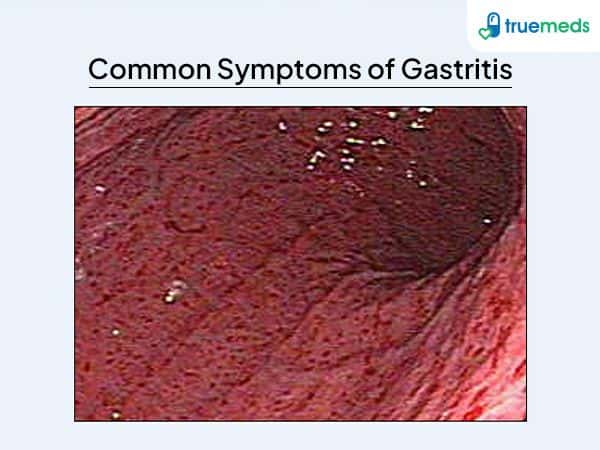
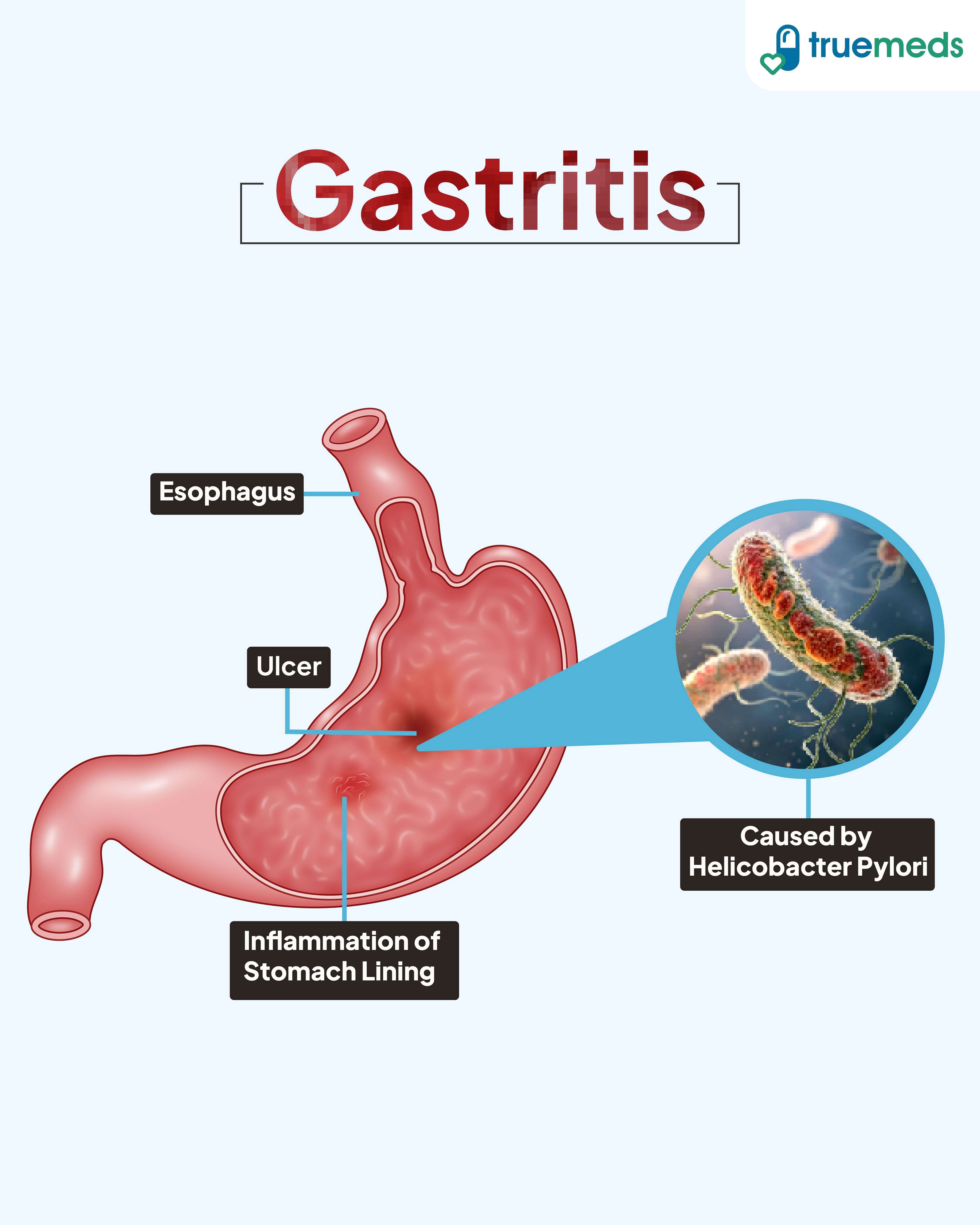
Gastritis is the condition when the soft, protective lining inside your stomach becomes swollen or irritated. This lining normally acts like a shield, protecting your stomach from strong acids that help digest food. When the lining is inflamed, it means something is damaging it – this could be an infection (like bacteria), a substance you’ve consumed (such as alcohol or spicy foods), or even your stomach’s own digestive juices. Once this protective barrier is weakened, it leads to discomfort and other problems in your stomach.
Key Factors about Gastritis
| Category | Details |
| Also Referred as | Gastric mucosal inflammation, stomach inflammation |
| Commonly Occurs In | Worldwide, particularly associated with Helicobacter pylori (H. pylori) infection, common in older adults |
| Affected Organ | Stomach lining |
| Type | Acute, Chronic |
| Common Signs | Nausea, vomiting, loss of appetite, bloating, upper abdominal pain |
| Consulting Specialist | Gastroenterologist |
| Managed By | Antacids, acid reducers, H2 blockers, PPIs, antibiotics |
| Mimicking Condition | Reactive Gastropathy, Peptic Ulcers |
Types of Gastritis
Gastritis can be classified into several types based on its causes and effects on the stomach lining. The main types include:
- Acute gastritis: This type involves a sudden onset of stomach lining inflammation, often caused by irritants like NSAIDs, alcohol, or early-stage H. pylori infection. Symptoms may include acute stomach upset, upper abdominal pain, nausea, vomiting, and bloating.
- Chronic gastritis: Characterised by persistent, low-grade inflammation and damage to the stomach lining, chronic gastritis can result from long-term H. pylori infection, autoimmune diseases, and prolonged NSAID use. It can lead to stomach lining thinning and increased gastric cancer risk.
- Erosive gastritis: A type in which the stomach lining becomes inflamed and eroded, often related to alcohol use, stress, or long-term NSAID use.
- Nonerosive gastritis: In this less common type, the stomach lining becomes inflamed without eroding, potentially caused by infections, autoimmune diseases, and other factors.
- Autoimmune gastritis: Occurring when the immune system attacks healthy stomach lining cells, this type causes chronic inflammation and possible vitamin deficiencies, including vitamin B12 deficiency anaemia.
- Infectious gastritis: Gastritis caused by infections such as H. pylori, which can be acute or chronic and is a major contributor to peptic ulcers and gastric cancer risk.
While gastritis types vary, they all involve some degree of stomach lining inflammation that can progress to more severe complications if left untreated. Recognising the symptoms early allows for prompt diagnosis and appropriate treatment.
Early Signs of Gastritis
Some early signs that may indicate the development of gastritis include:
- Mild, recurring abdominal pain or discomfort
- Occasional indigestion or heartburn
- Feeling of fullness or bloating after eating small amounts of food
- Gradual loss of appetite
- Nausea, especially in the morning or after meals
- Excessive belching or gas
- Bad breath or a metallic taste in the mouth
- Hiccups that persist for more than a day
- Mild, unexplained weight loss over time
- Subtle non-specific changes in bowel habits, such as occasional constipation or diarrhoea, although these are not typical features of gastritis
If you experience any of these early signs persistently, it's essential to consult your doctor for a proper evaluation.
Symptoms of Gastritis
Sometimes, gastritis causes no symptoms at all. But if symptoms do show up, it usually means the problem has become more serious or has been there for a long time. The lining may have worn down so much that your stomach’s own acids and enzymes start hurting it. The inflammation can cause indigestion, and underlying causes such as H. pylori or NSAID use may also lead to ulcers, which can bleed.
Some of the common symptoms of gastritis include:
- Abdominal pain: Gastritis often causes a dull or burning pain in the upper abdomen, typically in the centre or upper left part of the stomach. The pain may worsen when the stomach is empty or after eating certain foods, such as spicy or fatty meals.
- Nausea and vomiting: Inflammation of the stomach lining can lead to feelings of nausea and the urge to vomit. In some cases, vomiting may occur, especially if the gastritis is caused by an infection or excessive alcohol consumption.
- Indigestion: Gastritis can cause indigestion, characterised by a feeling of fullness, belching, and discomfort in the upper abdomen.
- Bloating: Bloating may also occur, causing the stomach to feel tight and swollen.
- Loss of appetite: The inflammation and discomfort associated with gastritis can lead to a decreased appetite. Some people may feel full quickly after eating only a small amount of food.
- Unexplained weight loss: Chronic gastritis can sometimes result in unintentional weight loss due to reduced food intake and nutrient absorption issues.
- Gastrointestinal bleeding: In severe cases of erosive gastritis, bleeding may occur in the stomach lining. This can lead to symptoms such as black, tarry stools (melena) or vomiting blood (haematemesis), which require immediate medical attention.
- Stomach Pain: You may feel a burning, gnawing, or aching pain in your upper stomach. This discomfort may be worse on an empty stomach or at night.
- Nausea and Vomiting: You might feel like throwing up or vomit, especially after eating certain foods.
- Black Blood: If gastritis causes a bleeding ulcer, you may notice black or tar-like stools (called melena) or dark blood in your vomit that looks like coffee grounds.
Recognising these symptoms can help in the early diagnosis and treatment of gastritis, preventing potential complications.
Causes of Gastritis
Gastritis happens when your stomach’s protective lining becomes weak or damaged, allowing acids to damage the stomach wall. There are several reasons why this can happen:
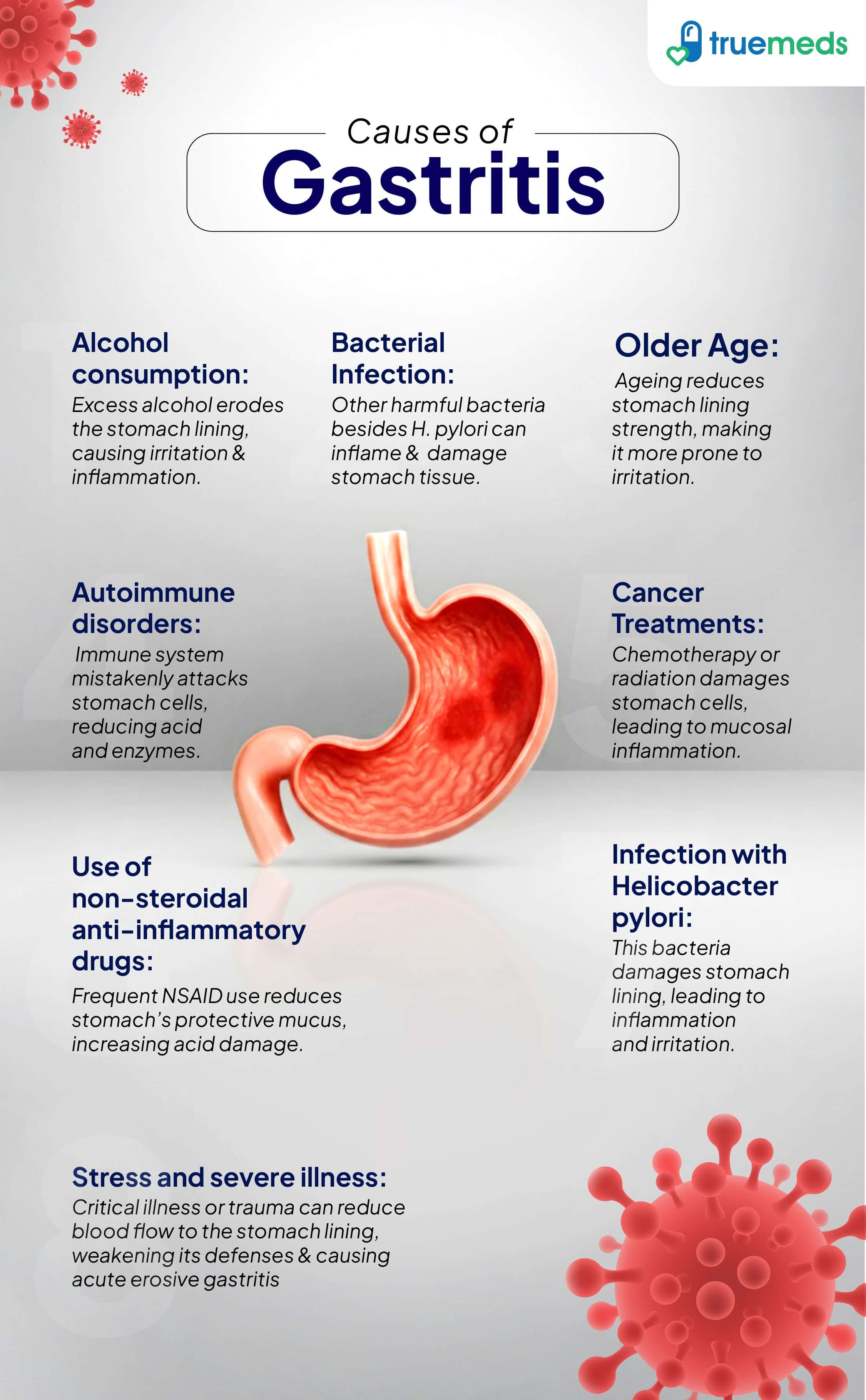
- Infection with Helicobacter pylori (H. pylori): This common bacterium infects many people worldwide. While not everyone develops symptoms, it can cause chronic gastritis, ulcers, and other stomach issues. Risk increases with factors such as crowded living conditions, poor sanitation, and smoking.
- Use of non-steroidal anti-inflammatory drugs (NSAIDs): Long-term use of NSAIDs, such as aspirin, ibuprofen, and naproxen, can irritate the stomach lining and cause gastritis.
- Alcohol consumption: Drinking too much alcohol can wear down the lining of the stomach and lead to gastritis.
- Autoimmune disorders: In some cases, the immune system may attack the cells of the stomach lining, resulting in autoimmune gastritis and inflammation.
- Stress and severe illness: Severe stress, such as that caused by injury, surgery, or serious illness, can contribute to the development of gastritis.
- Other causes: Less common causes of gastritis include bile reflux (backflow of bile into the stomach), consuming caustic substances, viral infections like cytomegalovirus and herpes simplex virus, and certain inflammatory conditions like Crohn's disease and coeliac disease.
Understanding the causes of gastritis is crucial for preventing and managing the condition.
Risk Factors
Several factors can increase an individual's likelihood of developing gastritis:
- Age: As people get older, the stomach lining tends to become thinner, making them more susceptible to gastritis.
- Medication use: Regular use of NSAIDs can irritate the stomach lining and increase the risk of developing gastritis.
- Immune system issues: Individuals with weakened immune systems, such as those with HIV/AIDS, are more likely to contract infections that can cause gastritis.
- Lifestyle factors: Heavy alcohol consumption and smoking increase the risk of developing gastritis.
- Previous gastric conditions: People with previous gastric conditions or a history of gastric surgery are at higher risk.
Identifying and addressing these risk factors can help you take steps to prevent gastritis or manage the condition more effectively.
Complications
If left untreated, gastritis can lead to various complications, including:
- Peptic ulcers: Gastritis can lead to the formation of peptic ulcers, which are painful sores in the stomach lining that can cause bleeding and scarring.
- Gastrointestinal bleeding: Chronic gastritis can cause erosion of the stomach lining, leading to bleeding. This may result in anaemia and, in severe cases, may require blood transfusions or surgery.
- Anaemia: Chronic gastritis can lead to bleeding in the stomach, which may result in anaemia, a condition characterised by a lack of healthy red blood cells.
- Stomach cancer: In rare cases, chronic gastritis, particularly when caused by H. pylori infection, can increase the risk of developing stomach cancer.
Seeking prompt diagnosis and treatment for gastritis can help prevent these complications from developing.
Prevention of Gastritis
While not all cases of gastritis can be prevented, there are several steps individuals can take to reduce their risk:
- Avoid or limit NSAIDs: If possible, avoid using NSAIDs or limit their use. If you need to take them, do so with food and follow your doctor's instructions.
- Manage stress: Practice stress-reduction techniques like meditation, deep breathing, or yoga to help manage stress levels.
- Maintain a healthy diet: Eat a balanced diet rich in fruits, vegetables, and whole grains. Avoid spicy, fatty, or acidic foods that may irritate the stomach lining.
- Limit alcohol consumption: Reduce or avoid alcohol consumption to prevent damage to the stomach lining.
- Quit smoking: Smoking can irritate the stomach lining and increase the risk of gastritis.
- Practice good hygiene: Wash your hands regularly and consume clean water and food to reduce the risk of bacterial infections that can cause gastritis.
By adopting these preventive measures and seeking prompt treatment when necessary, individuals can reduce their risk of developing gastritis and its associated complications.
Diagnosis & Tests
Diagnosing gastritis involves a combination of assessing symptoms, clinical presentation, and various diagnostic tests. These include:
- Physical examination: During the physical examination, the doctor may palpate the abdomen to detect tenderness or discomfort. This can provide clues about the presence and extent of inflammation in the stomach lining.
- Endoscopy: A flexible tube with a camera is inserted through the mouth to visually inspect the stomach lining. Biopsies can be taken during the procedure to check for inflammation, ulcers, or infection, according to the ACG Guidelines (2022).
- Upper gastrointestinal series: This involves swallowing a barium solution to visualise the stomach and small intestine using X-rays, helping to identify ulcers, inflammation, or other abnormalities.
- Blood tests: These can check for signs of infection, such as H. pylori (a common cause of gastritis), and identify anaemia resulting from chronic bleeding.
- Stool tests: These detect the presence of blood in the stool, which may indicate stomach bleeding.
- Breath tests: The urea breath test can also detect H. pylori by measuring the amount of carbon dioxide produced when the bacteria break down urea.
Treatment & Management
Treatment for gastritis depends on its causes. If it’s due to alcohol or certain pain medicines (like NSAIDs), stopping those might help it heal on its own.
1. Antibiotics for H. pylori
If you have this bacteria, your doctor will give you a combination of antibiotics such as amoxicillin, clarithromycin, metronidazole, tinidazole, or tetracycline for 7 to 14 days. You must complete the full course, even if you feel better early. Your doctor will also give you medicines to reduce stomach acid. After treatment, they may test again to make sure the bacteria are gone, according to the ACG Guidelines (2022).
2. Proton Pump Inhibitors (PPIs)
These medicines reduce acid in your stomach and help it heal. Examples include omeprazole, esomeprazole, pantoprazole, rabeprazole, lansoprazole, and dexrabeprazole. You may get a prescription or buy them over-the-counter. Long-term high-dose PPI use has been associated with an increased risk of bone fractures, so doctors generally prescribe the lowest effective dose for the shortest duration needed.
3. Acid Blockers (Histamine-2 Antihistamines)
These also reduce the amount of acid your stomach makes, relieving pain and helping your stomach lining heal. Common options include famotidine and cimetidine. (Ranitidine has been withdrawn from many markets due to safety concerns.) They are available by prescription or over-the-counter.
4. Antacids (Neutralisation of Gastric Acid)
These neutralise the acid that’s already in your stomach and can give quick relief from pain. Examples include sodium bicarbonate, magnesium hydroxide, aluminium hydroxide, and magaldrate. However, they are not as strong as PPIs or acid blockers and may cause constipation or diarrhoea depending on what they contain.
5. Combination Therapy
In some cases, a combination of the above treatments is used for optimal results, especially in cases involving H. pylori. For instance, antibiotics are paired with PPIs and sometimes bismuth to effectively eradicate the infection and reduce acid.
When to See a Doctor?
If you experience persistent or severe symptoms of gastritis, it’s crucial to see a doctor promptly. Seek medical attention immediately if you have severe abdominal pain that does not improve with over-the-counter medications, notice black, tarry stools, experience shortness of breath, dizziness, or fainting, or are losing weight unintentionally. These symptoms may indicate more serious complications, such as bleeding or ulcers, which require urgent evaluation and treatment. Early intervention is essential to prevent the condition from worsening and to minimise the risk of long-term complications.
Key Takeaways
Gastritis is an inflammation of the stomach lining caused by various factors, including Helicobacter pylori infection, NSAID use, and excessive alcohol consumption.
Common symptoms include abdominal pain, nausea, vomiting, and bleeding.
Diagnosis involves assessing symptoms, clinical history, and diagnostic tests like endoscopy, upper GI series, blood tests, stool tests, and breath tests.
Treatment typically involves medications (antacids, acid reducers, H2 blockers, PPIs, antibiotics) and lifestyle changes (dietary modifications, reducing NSAID use, stress management, quitting smoking).
Prompt medical attention should be sought for severe or persistent gastritis symptoms to prevent complications and ensure appropriate treatment.
FAQs
Can gastritis be cured?
The possibility of curing gastritis depends on the type and underlying cause. Acute gastritis often resolves itself, while chronic gastritis may require ongoing medical management.
What is the main cause of gastritis?
The main causes of gastritis include H. pylori bacterial infections, excessive alcohol consumption, smoking, long-term use of NSAIDs, stress, major surgery, and certain autoimmune disorders.
How to naturally heal gastritis?
Natural approaches to healing gastritis include dietary changes (avoiding trigger foods), lifestyle modifications (quitting smoking, reducing stress), home remedies (anti-inflammatory diets, probiotics), and medications when necessary.
What foods help heal gastritis?
Foods that can aid in the healing process of gastritis include fresh fruits and vegetables, whole grains, nuts, seeds, lean meats, and probiotic-rich foods.
Is milk good for gastritis?
While milk can temporarily soothe pain due to gastritis by coating the stomach lining, it may stimulate acid production in the long run, potentially worsening symptoms.
Is curd good for gastritis?
Curd and yoghurt contain probiotics that can help restore gut bacteria balance and reduce inflammation, potentially easing gastritis symptoms. However, individual tolerance may vary.
Can drinking water help gastritis?
Drinking water can help dilute stomach acid and promote healing of the stomach lining. However, it is not a standalone treatment for gastritis.
Can gastritis be serious?
If left untreated, gastritis can lead to complications such as stomach ulcers, bleeding, and an increased risk of stomach cancer in some cases.
How long can gastritis last?
The duration of gastritis depends on the type and severity. Acute gastritis may resolve within days to weeks, while chronic gastritis can last for months or years.
References
- Liou, J. M., Malfertheiner, P., Lee, Y. C., & Sheu, B. S. (2020). Helicobacter pylori infection and treatment strategies. Nature Reviews Gastroenterology & Hepatology, 17(10), 611–626. https://doi.org/10.1038/s41575-020-0328-9
- World Gastroenterology Organisation. (2021). Global Guidelines: Helicobacter pylori.
https://www.worldgastroenterology.org/guidelines - MedlinePlus. (2023). Gastritis. U.S. National Library of Medicine. https://medlineplus.gov/ency/article/001150.htm
- Chey, W. D., Leontiadis, G. I., Howden, C. W., & Moss, S. F. (2017; reaffirmed 2022). ACG Clinical Guideline: Treatment of Helicobacter pylori Infection. American Journal of Gastroenterology. https://gi.org/guideline/treatment-of-helicobacter-pylori-infection/

Latest health articles
Top Health Essentials















Disclaimer
Top-Selling Medicines:
...View more
Top-OTC medicines:
...View more
Company
About UsHealth ArticleHealth StoriesHealth LibraryDiseases & Health ConditionsAyurvedaUnderstanding Generic MedicinesAll MedicinesAll BrandsNeed HelpFAQSecuritySavings CalculatorAdvertise with UsSubscribe
Registered Office Address
Grievance Officer
Download Truemeds


Contact Us
Our customer representative team is available 7 days a week from 9 am - 9 pm.
v4.28.13

2026 - Truemeds | All rights reserved. Our content is for informational purposes only. See additional information.

Our Payment Partners