

- Medicines
- Personal Care
- Skin Cream
- Sunscreen
- Face Wash
- Skin and Body Soap
- Acne Care
- Body Lotions
- Moisturising Lotion
- Moisturising Cream
- Mosquito Repellent
- Moisturising Gel
- Body Wash
- Hair Oils
- Hair Shampoo
- Hair Conditioners
- Hair Supplements
- Hair Colour
- Hair Serum
- Hair Mask
- Hair Solutions
- Baby Diapers and Wipes
- Baby Lotion and Moisturising Cream
- Baby Bath Essentials
- Baby Skin Care
- Baby and Infant Food
- Baby Healthcare
- Women Multivitamins
- Ovulation Test Kit and Women Intimate Care
- Sanitary Pads
- Nutritional Drinks
- Condoms
- Lubricants
- Massage Gels
- Personal Body Massagers
- Men Performance Booster
- Sexual Health Supplements
- Massage Oils
- Ayurveda
- Tooth Paste
- Mouth Ulcer Gel
- Mouthwash
- Toothache and Gum Pain
- Tooth Brush
- Gargle Solution
- Orthopaedic Supports
- Adult Diapers
- Footwear
- Mobility and Support Accessories
- Urinary Support and Care
- Health Conditions
- Bone and Joint Care
- Digestive Care
- Eye Care
- Pain Relief
- Smoking Cessation
- Liver Care
- Stomach Care
- Cold and Cough
- Heart Care
- Kidney Care
- Piles, Fissures & Fistula
- Respiratory Care
- Mental Wellness
- Derma Care
- Pre and Probiotics
- Acidity
- Gas
- Constipation
- Loose Motion/Diarrhoea
- Digestive Fibres
- Digestive Enzymes
- Eye Lubricant Drops
- Lens Solution
- Safety Eye Wear
- Eye Cream
- Eye Vitamins and Supplements
- Eye Drops
- Eye Ointment and Gel
- Nicotine Patch
- Nicotine Gum
- Nicotine Lozenges
- Cough Syrups
- Chest Rubs and Balms
- Nasal Spray
- Lozenges
- Inhalant Capsules
- Cold and Cough Tablets
- Vitamins & Supplements
- Diabetes Care
- Healthcare Devices
- Homeopathic Medicine
- Health Guide
Loss Of Appetite
Loss of appetite (reduced appetite; medically termed anorexia, distinct from anorexia nervosa) is a symptom characterised by a reduced desire to eat, leading to decreased food intake. It can be caused by various factors, including infections, chronic diseases, mental health conditions, and medication side effects. Treatment involves identifying and addressing the underlying cause, making necessary dietary changes, and ensuring adequate nutrition.
 50
50Last updated on : 04 May, 2026
Read time : 9 mins

Overview of Disease
Loss of appetite, also known as anorexia, is a common symptom that affects many individuals at some point in their lives (Parmar & Can, 2023). It is characterised by a reduced desire to eat, which can lead to decreased food intake and potential weight loss.
While occasional loss of appetite is not usually a cause for concern, persistent or severe cases may indicate an underlying health issue that requires medical attention. In this article, we will explore the causes, symptoms, and treatment options for loss of appetite, as well as when it is necessary to seek medical advice.
What is Loss of Appetite?
Loss of appetite means you don’t feel hungry, and it can happen for many reasons. Loss of appetite, also called anorexia, which is its medical name, refers to a decrease in the desire to eat, resulting in reduced food intake. Finding and treating the cause of your reduced appetite can help you feel better.
Key Factors about Loss Of Appetite
| Category | Details |
| Also Referred to as | Anorexia (different from anorexia nervosa) |
| Commonly Occurs In | Older adults, individuals with chronic illnesses (e.g., cancer, AIDS, chronic lung disease, severe heart, kidney, or liver failure) |
| Affected Organ | Brain (appetite regulation), digestive system, and various organs, depending on the underlying condition |
| Type | Temporary (e.g., infections), chronic (e.g., serious underlying disorders) |
| Common Signs | Weight loss, malnutrition, fatigue, nausea |
| Consulting Specialist | Primary care physician, gastroenterologist, endocrinologist, oncologist |
| Treatment Procedures | Diagnostic tests (blood, imaging), treating the underlying condition, and dietary adjustments |
| Managed By | Primarily treatment of the underlying cause; nutritional support and appetite stimulants (megestrol acetate or cyproheptadine) |
| Mimicking Condition | Anorexia nervosa (eating disorder), depression, and anxiety |
Early Signs of Disease
Identifying early signs of loss of appetite is crucial to preventing malnutrition and other complications. Some early signs to look out for include:
- Changes in eating habits: A decrease in interest in food or avoiding meals can be an early indication of appetite loss.
- Unintentional weight loss: Losing weight without trying can be a sign of malnutrition due to a loss of appetite.
- Fatigue: Feeling weak or tired can be a sign of inadequate nutrition, due to decreased appetite.
- Nausea and vomiting: Experiencing nausea and vomiting can lead to dehydration and further loss of appetite.
Symptoms of Loss Of Appetite
The symptoms of loss of appetite can vary depending on the underlying cause. Some common symptoms include:
- Reduced interest in food: You may experience a decrease in the desire to eat, which can lead to missing meals or avoiding favourite foods.
- Weight loss: Unintentional weight loss can be a sign of malnutrition due to reduced appetite.
- Fatigue: Feeling weak or tired due to inadequate nutrition is another common symptom of appetite loss.
- Nausea and vomiting: In some cases, loss of appetite can be accompanied by nausea and vomiting.
- Changes in eating habits: You may find yourself eating smaller meals or avoiding certain foods due to discomfort or pain.
Stages of Loss Of Appetite
The progression of loss of appetite occurs as follows:
- Acute loss of appetite: This pattern is usually associated with short-term illnesses such as the flu, gastroenteritis, or infections. The appetite typically returns once the underlying condition is treated or resolves on its own.
- Chronic loss of appetite: It is more concerning and can be a sign of a long-term medical condition, such as chronic liver or kidney disease, cancer, or mental health disorders like depression. Chronic loss of appetite can lead to malnutrition and weight loss if not addressed.
- Severe loss of appetite: It is characterised by a significant decrease in appetite, leading to severe malnutrition and weight loss. It may be associated with conditions like cancer, HIV/AIDS, or chronic obstructive pulmonary disease (COPD). Severe loss of appetite requires immediate medical attention.
Recognising the stage of loss of appetite can help determine the appropriate course of action, whether it's managing a short-term illness or seeking medical advice for a more serious underlying condition.
Causes of Loss Of Appetite
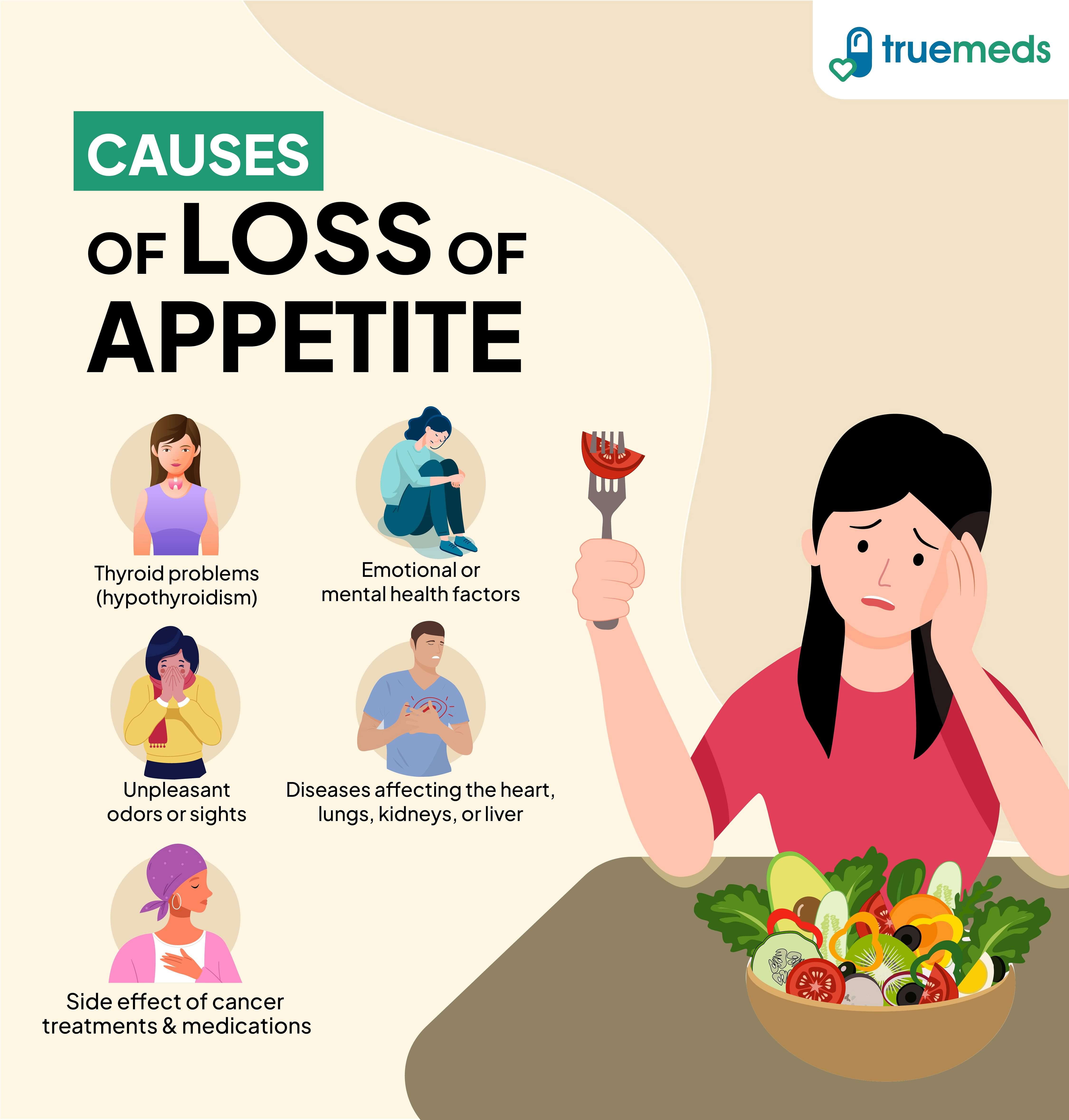
Common Causes of Loss of Appetite
There are many reasons why you might lose your appetite. Some of the most common causes include:
- Changes in your body (like pain or dehydration).
- Emotional or mental health factors (such as stress or depression).
- Medical conditions that affect hunger.
- Side effects of certain medications.
Physical Causes of Loss of Appetite
Sometimes, physical changes in your body can make you feel less hungry. These may include:
- Pain or discomfort
- Not drinking enough water (dehydration)
- Dental problems or tooth pain
- Injuries
- Changes in taste or smell
- Recovering from surgery
Emotional and Psychological Causes
Your emotions can also affect your desire to eat. Some emotional causes include:
- Anxiety or stress
- Depression
- Eating disorders
- Strong emotions like grief, fear, or sadness
Health Conditions That Affect Appetite
Certain illnesses can reduce your appetite. Some common ones include:
- The common cold or infections
- Cancer
- Dementia
- Diabetes
- Food poisoning
- Diseases affecting the heart, lungs, kidneys, or liver
- HIV/AIDS
- Thyroid problems (hyperthyroidism)
Medications That Can Reduce Appetite
Some medicines may cause a loss of appetite as a side effect. These can include:
- Antibiotics
- Chemotherapy drugs
- Certain antidepressants (like Fluoxetine)
- Medications for heart conditions (like Digoxin)
- Opioid painkillers
- Stimulants (like amphetamines)
If you notice a change in your appetite, it’s important to talk to a doctor to find the cause and get the right help.
Complications
A prolonged loss of appetite can lead to several complications, particularly if the underlying cause is not addressed. These complications include:
- Malnutrition: Inadequate nutrient intake can lead to malnutrition, causing muscle weakness, fatigue, and a weakened immune system, making the body more susceptible to infections and illnesses.
- Weight loss: Significant weight loss can occur when calorie intake consistently falls below the body's requirements. Rapid, unintentional weight loss can be a sign of an underlying health issue and should be evaluated by a doctor.
- Dehydration: Decreased fluid intake often accompanies loss of appetite, leading to dehydration. Symptoms include thirst, dark-coloured urine, dizziness, and dry mouth and skin.
- Nutrient deficiencies: Lack of appetite can lead to deficiencies in essential vitamins and minerals, such as iron, calcium, and vitamin B12, which can cause anaemia, osteoporosis, and neurological problems.
- Delayed wound healing: Malnutrition can impair the body's ability to heal wounds and recover from injuries or surgeries.
- Increased risk of infections: A weakened immune system due to malnutrition makes the body more vulnerable to infections, which can further exacerbate appetite loss.
- Fertility issues: In women, chronic loss of appetite and malnutrition can lead to irregular menstrual cycles and fertility problems.
Treatment & Management
A loss of appetite can be caused by medications or supplements taken to treat other health conditions. For individuals experiencing appetite loss, certain medications may be prescribed to help improve it. Common types of appetite-enhancing medicines include:
- Antidepressants: Selective serotonin reuptake inhibitors (SSRIs) like fluoxetine and sertraline may be prescribed if an underlying depressive disorder is identified; their effects on appetite vary and should be monitored.
- Antianxiety medications: For significant anxiety, medications such as diazepam or lorazepam may be used for short-term relief. However, these are used cautiously due to potential dependency issues.
- Antipsychotics: Atypical antipsychotics, including olanzapine and quetiapine, may be used in specific clinical contexts (e.g., cancer-related cachexia or severe psychiatric illness) under specialist care.”
- Appetite stimulants: Medications like megestrol acetate or cyproheptadine can be used to stimulate appetite and promote food intake in individuals with persistent loss of appetite.
When to See a Doctor?
If you notice a significant decrease in appetite that lasts for more than a few days, it is advisable to consult a doctor. This is especially important if the loss of appetite is accompanied by other symptoms such as unintended weight loss, fatigue, abdominal pain, or digestive issues. These symptoms may indicate an underlying medical condition that requires prompt evaluation and treatment.
A doctor can help identify the root cause of decreased appetite and develop a personalised treatment plan to improve it and ensure adequate nutrition.
Key Takeaways
- Loss of appetite can have various causes, including medical conditions, medications, and psychological factors.
- Treatment and management of loss of appetite involve a comprehensive approach that addresses the underlying causes and promotes overall well-being.
- In some instances, medications such as appetite stimulants may be prescribed to increase appetite, but they should be used under close medical supervision.
- If you experience a persistent loss of appetite, especially if accompanied by other concerning symptoms, it is essential to seek medical attention promptly.
- A doctor can help identify the underlying cause of the loss of appetite and develop a personalised treatment plan to improve appetite and ensure adequate nutrition.
FAQs
What are some common causes for appetite loss?
Why am I not hungry anymore?
Why am I so tired and not hungry?
Why do I have no appetite and feel nauseous?
How can I regain my appetite?
What factors can reduce appetite?
Why do I feel like I can't eat?
Why am I losing my hunger?
Does appetite decrease with age?
Why don't I enjoy food anymore?
References
- MedlinePlus. (n.d.). Appetite - decreased: MedlinePlus Medical Encyclopedia. https://medlineplus.gov/ency/article/003121.htm
- Merck Manual Consumer Version. (n.d.). Loss of Appetite - Digestive Disorders. https://www.merckmanuals.com/home/digestive-disorders/symptoms-of-digestive-disorders/loss-of-appetite
- NHS. (n.d.). Anorexia: Overview. https://www.nhs.uk/mental-health/conditions/anorexia/overview/
- Parmar, R. M., & Can, A. S. (2023, November 13). Physiology, appetite and weight regulation. StatPearls - NCBI Bookshelf. https://www.ncbi.nlm.nih.gov/books/NBK574539/
Check Related Salts
Browse Other Conditions
Latest health articles

Top Health Essentials

















Disclaimer
Top-Selling Medicines:
...View more
Top-OTC medicines:
...View more
Company
About UsHealth ArticleHealth StoriesHealth LibraryDiseases & Health ConditionsAyurvedaUnderstanding Generic MedicinesAll MedicinesAll BrandsNeed HelpFAQSecuritySavings CalculatorAdvertise with UsSubscribe
Registered Office Address
Grievance Officer
Download Truemeds


Contact Us
Our customer representative team is available 7 days a week from 9 am - 9 pm.
v4.28.14

2026 - Truemeds | All rights reserved. Our content is for informational purposes only. See additional information.

Our Payment Partners