

- Medicines
- Personal Care
- Skin Cream
- Sunscreen
- Face Wash
- Skin and Body Soap
- Acne Care
- Body Lotions
- Moisturising Lotion
- Moisturising Cream
- Mosquito Repellent
- Moisturising Gel
- Body Wash
- Hair Oils
- Hair Shampoo
- Hair Conditioners
- Hair Supplements
- Hair Colour
- Hair Serum
- Hair Mask
- Hair Solutions
- Baby Diapers and Wipes
- Baby Lotion and Moisturising Cream
- Baby Bath Essentials
- Baby Skin Care
- Baby and Infant Food
- Baby Healthcare
- Women Multivitamins
- Ovulation Test Kit and Women Intimate Care
- Sanitary Pads
- Nutritional Drinks
- Condoms
- Lubricants
- Massage Gels
- Personal Body Massagers
- Men Performance Booster
- Sexual Health Supplements
- Massage Oils
- Ayurveda
- Tooth Paste
- Mouth Ulcer Gel
- Mouthwash
- Toothache and Gum Pain
- Tooth Brush
- Gargle Solution
- Orthopaedic Supports
- Adult Diapers
- Footwear
- Mobility and Support Accessories
- Urinary Support and Care
- Health Conditions
- Bone and Joint Care
- Digestive Care
- Eye Care
- Pain Relief
- Smoking Cessation
- Liver Care
- Stomach Care
- Cold and Cough
- Heart Care
- Kidney Care
- Piles, Fissures & Fistula
- Respiratory Care
- Mental Wellness
- Derma Care
- Pre and Probiotics
- Acidity
- Gas
- Constipation
- Loose Motion/Diarrhoea
- Digestive Fibres
- Digestive Enzymes
- Eye Lubricant Drops
- Lens Solution
- Safety Eye Wear
- Eye Cream
- Eye Vitamins and Supplements
- Eye Drops
- Eye Ointment and Gel
- Nicotine Patch
- Nicotine Gum
- Nicotine Lozenges
- Cough Syrups
- Chest Rubs and Balms
- Nasal Spray
- Lozenges
- Inhalant Capsules
- Cold and Cough Tablets
- Vitamins & Supplements
- Diabetes Care
- Healthcare Devices
- Homeopathic Medicine
- Health Guide
Leprosy
Leprosy, also known as Hansen's disease, is a chronic infectious disease caused by the bacteria Mycobacterium leprae and Mycobacterium lepromatosis. It primarily affects the skin, nerves, and mucous membranes, leading to the development of disfiguring sores and nerve damage if left untreated. Although rare, leprosy still exists today, with approximately 200,000 people worldwide affected, mainly in Asia and Africa.
 50
50Last updated on : 23 Apr, 2026
Read time : 9 mins
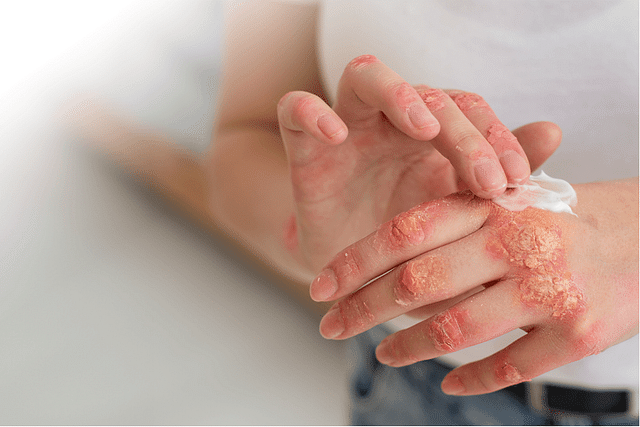
Overview of Disease
Leprosy is an ancient infectious disease that has been present throughout history. Despite advances in medical science and public health, leprosy remains a significant health concern in certain regions of the world. Understanding the causes, symptoms, and treatment options of leprosy is crucial for early detection and prevention of long-term complications.
What is Leprosy?
Leprosy, or Hansen's disease, is a chronic granulomatous infection caused by the bacteria M. leprae and, in some cases, M. lepromatosis. These bacteria have a slow multiplication rate, which explains the long incubation period and slow progression of the disease. Although rare, leprosy is still diagnosed in a significant number of cases every year, mainly in Asia and Africa.
Key Factors about Leprosy
| Category | Details |
| Also Referred to as | Hansen's disease, an infection due to M. leprae |
| Commonly Occurs In | India, Brazil, and other areas with warm climates; Asia and Africa |
| Affected Organ | Skin, peripheral nerves, mucous membranes, eyes, and sometimes internal organs |
| Type | Tuberculoid leprosy, Lepromatous leprosy, Borderline leprosy, and Indeterminate leprosy |
| Common Signs | Skin lesions, loss of sensation, nerve damage, muscle weakness, poor eyesight |
| Consulting Specialist | Infectious disease specialist or dermatologist |
| Managed By | Antibiotics (dapsone, rifampin, and clofazimine), multidrug therapy (MDT) |
Types of Leprosy
There are several classification systems for leprosy, but the most commonly used ones include the following types:
- Tuberculoid Leprosy: This is a mild form of the disease, characterised by a few flat skin lesions and some nerve involvement. It is less contagious and can occasionally resolve spontaneously, particularly in individuals with strong cell-mediated immunity.
- Lepromatous Leprosy: This is a more severe form, with widespread skin lesions, nodules, and significant nerve damage. It has a higher bacterial load and greater transmission potential than other forms, but overall transmissibility remains low.
- Borderline Leprosy: This type shows characteristics of both tuberculoid and lepromatous leprosy and can persist, regress, or progress to other forms.
- Indeterminate Leprosy: This is an early form and is recognised in the Ridley-Jopling classification as the initial stage before progression to other forms.
Symptoms of Leprosy
The manifestation of symptoms varies depending on the individual's immune response and the stage of the disease. Early signs and symptoms of leprosy include the following:
- Skin Symptoms: Skin symptoms may include discoloured or lighter patches, nodules, thick, stiff, or dry skin, painless ulcers on the soles of the feet, and painless swelling or lumps on the face or earlobes.
- Neurological Symptoms: They can consist of loss of sensation in affected skin areas, increasing the risk of unnoticed injuries, muscle weakness, or paralysis, especially in the hands and feet. They may also involve enlarged nerves, usually around the elbows, knees, and sides of the neck, and eye problems that may lead to blindness.
- Severe Symptoms: In advanced stages, leprosy can cause paralysis and deformities of the hands and feet, shortening of toes and fingers due to bone resorption and chronic infection.
Stages of Leprosy
The progression of leprosy can be slow, with symptoms sometimes taking up to 20 years to appear after infection, CDC (2025). The stages are generally characterised by the severity of leprosy symptoms and the body's immune response.
- Early Stage: In the early stage, the disease presents with mild symptoms, such as a few flat skin lesions and some nerve involvement. Early detection and treatment at this stage can prevent long-term damage and complications.
- Advanced Stage: If left untreated, leprosy can progress to more severe forms, causing widespread skin lesions, nodules, and significant nerve damage. Advanced-stage leprosy requires more intensive treatment and may lead to permanent disabilities.
Causes of Leprosy
As mentioned before, leprosy is caused by the bacteria M. leprae and, less commonly, M. lepromatosis. These bacteria primarily target the skin, peripheral nerves, mucous membranes of the upper respiratory tract, and the eyes. The manifestation of the disease varies among individuals based on their immune response, leading to different forms of leprosy.
Disease Transmission
Leprosy is transmitted in the following ways:
- Through prolonged, close contact with untreated individuals, primarily via respiratory droplets, but transmission is not highly contagious and requires sustained exposure.
- Prolonged exposure to an untreated person with leprosy is typically necessary for transmission.
- While rare, zoonotic transmission (from armadillos) is documented, but transmission through contaminated soil is not well-supported in current literature.
Risk Factors
The major risk factors for leprosy include:
- Contact with an Infected Person: Close and prolonged contact with an untreated person with leprosy, particularly the multibacillary form, can lead to transmission of the disease.
- Endemic Regions: Living in endemic areas, such as India, Brazil, and Indonesia, may also be a contributing factor.
- Weak Immunity: Having a weakened immune system due to conditions like HIV/AIDS or certain medications increases the risk of contracting the disease.
- Genetic Predisposition: Certain genetic factors can make some people more susceptible to the disease.
- Through Infected Animals: Handling armadillos, which are known to carry the bacteria, in the southern United States, can also lead to leprosy.
Complications
Leprosy can lead to various complications if left untreated or improperly managed. Some of these complications are listed below:
- Skin Damage: Skin damage is common, resulting in discoloured patches, nodules, thick or dry skin, and painless ulcers on the feet.
- Nerve Damage: Damage to the nerves can cause numbness, muscle weakness, and paralysis, particularly in the hands and feet. Sensory and motor impairments increase the risk of unnoticed injuries, chronic non-healing ulcers, and secondary infections.
- Eye Problems: Eye-related problems such as iritis, glaucoma, corneal insensitivity, and diminished innervation of eyelid and corneal nerves can lead to scarring and blindness.
- Musculoskeletal Deformities: Deformities like clawing of fingers, foot drop, and reabsorption of digits may occur due to muscle weakness.
- Other Complications: These may include nasal congestion, nosebleeds, nasal septum erosion or collapse, erectile dysfunction, infertility in men, and occasional kidney issues like amyloidosis; renal failure is rare and usually occurs in the context of amyloidosis, not as a direct complication of leprosy (Deps et al., 2025).
Prevention of Leprosy
Leprosy prevention relies heavily on early detection and appropriate treatment.
- Early leprosy diagnosis and initiation of multi-drug therapy (MDT) are crucial in preventing disease transmission and reducing the risk of complications.
- Avoiding close contact with untreated individuals is also important, as the disease is believed to be transmitted through respiratory droplets when affected persons sneeze or cough.
- Public health campaigns and education play a vital role in identifying and treating cases early, as well as reducing the stigma associated with the disease.
Implementing these preventive measures can significantly reduce the incidence of leprosy and its associated complications.
Diagnosis & Tests
Diagnosing leprosy involves a combination of clinical examination, skin smears, and biopsy. Some of these procedures include:
- Clinical Examination: A thorough physical examination is conducted to identify characteristic skin lesions, nerve thickening, and sensory loss.
- Skin Smears: Skin smears are obtained from affected areas to detect acid-fast bacilli (AFB); however, sensitivity is low, and PCR or anti-PGL-1 antibody tests may be more sensitive in early or indeterminate cases.
- Skin Biopsy: A skin biopsy may be performed to confirm the diagnosis and determine the type of leprosy.
- Additional Tests: In some cases, additional tests such as nerve conduction studies or PCR may be used to support the diagnosis.
Early and accurate diagnosis is essential for initiating appropriate treatment and preventing the progression of the disease and its complications.
Treatment & Management
The treatment of leprosy involves the following:
1. Multi-Drug Therapy (MDT)
This treatment approach combines multiple antibiotics to eliminate Mycobacterium leprae and prevent antimicrobial resistance effectively. The WHO recommends a 3-drug regimen (dapsone, rifampicin, clofazimine) for all leprosy cases, with treatment duration of 6 months for paucibacillary and 12 months for multibacillary leprosy, WHO (2026). The primary drugs used in MDT include dapsone (a sulfone), clofazimine (a phenazine derivative), and rifampin (an antitubercular medicine). In certain cases, the regimen may include ethionamide to enhance treatment effectiveness.
2. Alternative Antibiotic Therapy
In cases where first-line treatment is not suitable, additional antibiotics such as ofloxacin, moxifloxacin, minocycline, and clarithromycin may be used as part of combination therapy to eradicate the bacteria.
3. Supportive Care
Along with MDT, supportive care plays a crucial role in managing complications. This includes wound care, physiotherapy to prevent disability, and rehabilitation programs to improve the quality of life for affected individuals. Management of leprosy reactions (Type 1 and Type 2) may require corticosteroids or other immunomodulatory medicines.
4. Regular Follow-ups
Routine follow-ups and monitoring are essential to ensure treatment adherence, detect any signs of relapse, and manage potential adverse medication reactions. Regular assessment helps in early intervention and better long-term outcomes.
When to See a Doctor?
- It is crucial to seek medical attention if you suspect you have been exposed to leprosy or if you exhibit any symptoms indicative of the disease.
- Pale or reddish skin patches with loss of sensation, thickened or enlarged peripheral nerves with loss of sensation and/or muscle weakness, numbness, hair loss, nosebleeds, or a chronic stuffy nose are all signs that warrant a visit to the doctor.
- Early diagnosis and prompt treatment can significantly reduce the severity of symptoms and prevent long-term disabilities associated with leprosy.
Key Takeaways
- Leprosy is primarily diagnosed clinically, supported by findings such as skin biopsy or detection of bacilli in slit-skin smears.
- Leprosy is curable with MDT, which includes dapsone, rifampicin, and clofazimine.
- Early detection and treatment are crucial to prevent complications and disabilities.
- Patients should be vigilant for skin lesions, nerve involvement, and other symptoms.
- Adherence to the prescribed treatment regimen is essential for a complete cure.
- Regular follow-ups with a doctor are necessary to monitor treatment progress and manage any side effects.
- Educating the public about leprosy can help reduce stigma and encourage early reporting of symptoms.
- Proper hygiene, avoiding close contact with untreated individuals, and prompt treatment can help prevent the spread of leprosy.
FAQs
Is leprosy an inherited condition?
Which animals are known to carry leprosy?
Who has the highest risk of contracting leprosy?
How long can a person with leprosy expect to live?
Can leprosy be managed with home remedies?
Is Ayurveda an effective cure for leprosy?
Can leprosy be contracted through physical contact?
References
- World Health Organization. (2025). Leprosy (Hansen disease). https://www.who.int/news-room/fact-sheets/detail/leprosy
- National Leprosy Eradication Programme. (2025). Revised classification and treatment protocol. https://dghs.mohfw.gov.in/nlep.php
- Siddique, M. I. (2025). Emerging therapeutic strategies for leprosy: Trends, challenges, and innovations. Journal of Pure and Applied Microbiology. https://microbiologyjournal.org/emerging-therapeutic-strategies-for-leprosy-trends-challenges-and-innovations/
- Deps, P. D., et al. (2025). Leprosy research updates: Shaping the future of global health. Indian Journal of Medical Research, 161(3), 221–230. https://pmc.ncbi.nlm.nih.gov/articles/PMC12010777/
- Centers for Disease Control and Prevention. (2026). About leprosy (Hansen’s disease). https://www.cdc.gov/leprosy/about/index.html

Browse Other Conditions
Latest health articles
Top Health Essentials
























Disclaimer
Top-Selling Medicines:
...View more
Top-OTC medicines:
...View more
Company
About UsHealth ArticleHealth StoriesHealth LibraryDiseases & Health ConditionsAyurvedaUnderstanding Generic MedicinesAll MedicinesAll BrandsNeed HelpFAQSecuritySavings CalculatorAdvertise with UsSubscribe
Registered Office Address
Grievance Officer
Download Truemeds


Contact Us
Our customer representative team is available 7 days a week from 9 am - 9 pm.
v4.28.13

2026 - Truemeds | All rights reserved. Our content is for informational purposes only. See additional information.

Our Payment Partners