

- Medicines
- Personal Care
- Skin Cream
- Sunscreen
- Face Wash
- Skin and Body Soap
- Acne Care
- Body Lotions
- Moisturising Lotion
- Moisturising Cream
- Mosquito Repellent
- Moisturising Gel
- Body Wash
- Hair Oils
- Hair Shampoo
- Hair Conditioners
- Hair Supplements
- Hair Colour
- Hair Serum
- Hair Mask
- Hair Solutions
- Baby Diapers and Wipes
- Baby Lotion and Moisturising Cream
- Baby Bath Essentials
- Baby Skin Care
- Baby and Infant Food
- Baby Healthcare
- Women Multivitamins
- Ovulation Test Kit and Women Intimate Care
- Sanitary Pads
- Nutritional Drinks
- Condoms
- Lubricants
- Massage Gels
- Personal Body Massagers
- Men Performance Booster
- Sexual Health Supplements
- Massage Oils
- Ayurveda
- Tooth Paste
- Mouth Ulcer Gel
- Mouthwash
- Toothache and Gum Pain
- Tooth Brush
- Gargle Solution
- Orthopaedic Supports
- Adult Diapers
- Footwear
- Mobility and Support Accessories
- Urinary Support and Care
- Health Conditions
- Bone and Joint Care
- Digestive Care
- Eye Care
- Pain Relief
- Smoking Cessation
- Liver Care
- Stomach Care
- Cold and Cough
- Heart Care
- Kidney Care
- Piles, Fissures & Fistula
- Respiratory Care
- Mental Wellness
- Derma Care
- Pre and Probiotics
- Acidity
- Gas
- Constipation
- Loose Motion/Diarrhoea
- Digestive Fibres
- Digestive Enzymes
- Eye Lubricant Drops
- Lens Solution
- Safety Eye Wear
- Eye Cream
- Eye Vitamins and Supplements
- Eye Drops
- Eye Ointment and Gel
- Nicotine Patch
- Nicotine Gum
- Nicotine Lozenges
- Cough Syrups
- Chest Rubs and Balms
- Nasal Spray
- Lozenges
- Inhalant Capsules
- Cold and Cough Tablets
- Vitamins & Supplements
- Diabetes Care
- Healthcare Devices
- Homeopathic Medicine
- Health Guide
Glaucoma
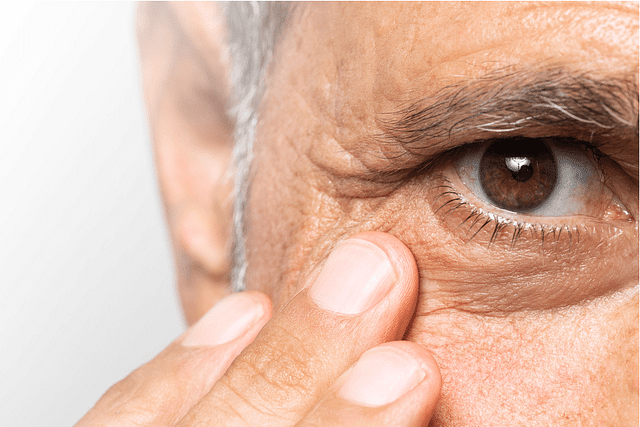
Glaucoma is a group of eye diseases that damage the optic nerve, potentially leading to vision loss and blindness. It often progresses without noticeable symptoms in the early stages. This makes regular eye exams crucial for early detection and treatment. Several types of glaucoma exist, each with distinct characteristics and risk factors.
 50
50Last updated on : 06 Apr, 2026
Read time : 13 mins
Overview of Disease
Glaucoma is a chronic and progressive eye disease that affects millions of people worldwide (Tham, Y. C. et al, 2021)[1]. It is characterised by damage to the optic nerve, which can lead to visual field loss [2]. If left untreated, it can potentially cause blindness [3]. Often referred to as the “silent blinder,” glaucoma typically presents no noticeable symptoms in its early stages [4]. This emphasises the importance of regular eye exams for early detection and timely treatment [5]. Understanding the various stages and types of glaucoma is essential for maintaining eye health and preserving vision.
What is Glaucoma?
Glaucoma is a group of eye diseases that can cause vision loss and blindness by damaging the optic nerve [2]. The condition develops when the optic nerve becomes damaged, leading to blind spots in your vision [5]. This damage is often associated with increased intraocular pressure, but glaucoma can also occur with normal eye pressure (normal-tension glaucoma) [2][4].
In a healthy eye, a fluid called aqueous humour flows in and out of the eye through drainage channels. Excessive fluid or blocked drainage channels in the eye can increase pressure and potentially damage the optic nerve [3, 5]. Left untreated, glaucoma can lead to permanent vision loss or even blindness [2].
Although the exact causes of glaucoma are not fully understood, several risk factors contribute to its development. These include elevated eye pressure, family history, and racial or ethnic descent [1][2]. As the disease progresses, it is essential to recognise the different stages of glaucoma and its various types.
Key Factors about Glaucoma
| Category | Details |
| Also Referred as | Chronic open-angle glaucoma, Chronic simple glaucoma, Glaucoma simplex |
| Commonly Occurs In | People over 40, African Americans, Hispanic Americans, Asians |
| Affected Organ | Eyes, Optic nerve |
| Type | Open-angle glaucoma, Congenital glaucoma, Secondary glaucoma |
| Common Signs | Gradual vision loss, Blurred vision, Eye pain, Nausea, Mid-dilated pupil |
| Consulting Specialist | Ophthalmologist, Optometrist |
| Treatment Procedures | Prescription of eye drops, Medication, Laser treatment, and surgery |
| Managed By | Medications such as Prostaglandin Analogues (e.g., Latanoprost), Beta Blockers (e.g., Timolol), Alpha Agonists (e.g., Brimonidine), Carbonic Anhydrase Inhibitors (e.g., Acetazolamide), and Rho Kinase Inhibitors (e.g., Netarsudil). |
| Mimicking Condition | Uveitis, Trauma, Keratitis, Conjunctivitis |
Types of Glaucoma
There are several types of glaucoma, each with distinct characteristics and risk factors [6]. The most common types include:
- Open-Angle Glaucoma: This is the most prevalent type of glaucoma, resulting from damage to the filter in the eye's drainage canals.
- Angle-Closure Glaucoma: This type of glaucoma arises from a sudden blockage of the eye's drainage canals, often caused by a closed or narrow angle between the iris and cornea.
- Low-Tension or Normal-Tension Glaucoma: In this type, damage occurs to the optic nerve without the presence of excessive eye pressure.
- Congenital Glaucoma: This rare type of glaucoma occurs in babies and is present at birth.
- Uveitic (Inflammatory) Glaucoma: This type is triggered by autoimmune and inflammatory disorders that impact the eye.
- Neovascular Glaucoma: This type is associated with poorly controlled diabetes and other conditions that damage blood vessels in the eye.
Recognising the various types of glaucoma is essential for accurate diagnosis and appropriate treatment, as each type may require different management approaches.
Early Signs of Glaucoma
Glaucoma does not come with noticeable symptoms in its early stages [3][4]. Many people with glaucoma do not experience signs of the disease until significant vision loss has already occurred [2]. However, some early indicators can suggest the development of glaucoma:
- In open-angle glaucoma, early stages typically show no symptoms. Over time, patchy blind spots may appear in the peripheral vision. In the later stages, individuals may experience difficulty seeing objects in their central vision.
- Angle-closure glaucoma can cause sudden, severe pain in one eye, blurred vision, and redness in the affected eye. It may also cause halos or coloured rings around lights, and nausea or vomiting.
- In children and infants, early signs of glaucoma may include dull or cloudy eyes, increased blinking, and tears without crying.
- Pigmentary glaucoma can lead to halos around lights, blurred vision during exercise, and a gradual reduction in peripheral vision.
Regular comprehensive eye exams are essential for detecting glaucoma early, as they do not cause symptoms until significant vision loss occurs. Recognising these early signs can help prompt diagnosis and treatment to preserve vision [2][5].
Symptoms of Glaucoma
The primary symptoms of glaucoma [2][3][5][7] can differ based on the specific type of the disease:
- Open-angle glaucoma typically causes a loss of peripheral vision and blind spots that gradually worsen over time.
- Angle-closure glaucoma can lead to severe eye pain, nausea or vomiting, sensitivity to light, redness in the affected eye, and blurred vision.
- Pigmentary glaucoma may cause halos around lights, a gradual loss of side vision, and blurred vision during physical activity.
- Other symptoms associated with various types of glaucoma can include headaches, eye fatigue, and difficulty adjusting to darkened rooms.
Stages of Glaucoma
Glaucoma is a progressive disease that advances gradually, often without presenting any symptoms until significant vision loss has occurred [2]. The stages of glaucoma are as follows:
- Early Stage: In this stage, there are typically no noticeable symptoms, but damage to the optic nerve begins to occur.
- Intermediate Stage: As the disease progresses, gradual vision loss may become apparent, typically starting in the peripheral vision.
- Advanced Stage: In the advanced stage, significant loss of central vision occurs, potentially leading to blindness if left untreated.
Understanding these stages is crucial for early detection and timely intervention, as treatment can help slow or prevent further vision loss.
Causes of Glaucoma
Glaucoma is caused by damage to the optic nerve, which transmits visual information from the eye to the brain. This damage is associated with increased pressure within the eye, also known as intraocular pressure (IOP)[2][3]. Several factors can contribute to the development of glaucoma:
- Inadequate drainage of the aqueous humour, the fluid that nourishes the eye, can lead to increased IOP and subsequent optic nerve damage.
- Structural abnormalities in the drainage angle of the eye can impede the outflow of aqueous humour, resulting in elevated IOP.
- Decreased blood flow to the optic nerve may also result in the development of glaucoma, particularly when IOP is normal.
- Certain medications, such as corticosteroids, can increase the risk of developing glaucoma when used for extended periods.
- Eye injuries, tumours, or other eye disorders can also contribute to the development of glaucoma.
Understanding the underlying causes of glaucoma is essential for developing targeted treatment plans and identifying individuals with this disease. While increased IOP is a significant risk factor, it is important to note that glaucoma can occur even with normal eye pressure. This emphasises the importance of regular eye exams for early detection.
Risk Factors
Several factors [1][2][3][5][7] can increase an individual's risk of developing glaucoma include:
- Age: The risk of glaucoma increases with age, particularly after the age of 60.
- Family History: Having a family member with glaucoma significantly increases the likelihood of developing the disease.
- Race: People of African, Hispanic, or Asian descent are at a higher risk of developing certain types of glaucoma.
- Medical Conditions: Diabetes, high blood pressure, heart disease, and hypothyroidism can increase the risk of glaucoma.
- Eye Structure: Having thin corneas, a thinner central corneal thickness (CCT), or abnormalities in the eye drainage angle can increase glaucoma risk.
- Eye Injuries: Trauma to the eye can lead to the development of glaucoma, either immediately or years later.
- Prolonged Corticosteroid Use: Long-term use of corticosteroid medications, especially eye drops, can increase the risk of developing glaucoma.
Complications
Glaucoma, if left untreated or poorly managed, can lead to several serious complications, including:
- Vision Loss: Glaucoma gradually damages the optic nerve without causing noticeable symptoms in the early stages. If not treated, vision loss can progress from peripheral vision loss to tunnel vision and eventually central vision loss. This leads to permanent and irreversible blindness.
- Psychological Distress: The fear of losing one's vision, coupled with the challenges of managing the condition, can lead to significant psychological distress. Patients with glaucoma may experience anxiety, depression, and a decreased overall quality of life.
- Lifestyle Adjustments: Patients may need to make significant lifestyle adjustments to cope with their vision loss as glaucoma progresses and vision deteriorates. This can impact daily activities, mobility, and navigation, requiring adaptations and support.
- Coexisting Health Conditions: Managing coexisting health conditions such as diabetes and hypertension is crucial for individuals with glaucoma. These conditions can impact the progression of glaucoma and its complications, making regular monitoring and control essential.
Prevention of Glaucoma
Although glaucoma cannot be prevented, certain measures can help reduce the risk of developing the condition or slow its progression.
- Regular Eye Examinations: Undergoing regular comprehensive eye exams is crucial for the early detection of glaucoma. These exams can help identify the condition before significant damage occurs, allowing for timely intervention and management.
- Genetic Awareness: Knowing your family history and genetic risk factors can help identify individuals at higher risk for developing glaucoma. Those with a family medical history of the condition should inform their eye doctor and undergo more frequent screenings.
- Managing Underlying Medical Conditions: Certain medical conditions, such as diabetes, high blood pressure, and sickle cell anaemia, can increase the risk of developing glaucoma. Effectively controlling these conditions through lifestyle modifications and appropriate medical management can help reduce the risk of glaucoma.
Adopting a healthy lifestyle, including regular exercise, a balanced diet, and avoiding smoking, can contribute to overall eye health. This can potentially lower the risk of glaucoma.
Diagnosis & Tests
Accurate diagnosis [2][5][7] of glaucoma involves a combination of tests and examinations performed by an eye care professional. The key diagnostic methods include:
- Eye Pressure Measurement: Measuring intraocular pressure (IOP) is an essential part of glaucoma diagnosis. This test helps identify if the pressure within the eye is increased, a key risk factor for glaucoma. However, high IOP alone does not necessarily indicate glaucoma, and some individuals with glaucoma may have normal IOP.
- Visual Field Tests: These tests assess the patient's peripheral vision to detect any damage to the optic nerve. Visual field tests help determine the extent and pattern of vision loss, which can indicate glaucoma.
- Optical Coherence Tomography (OCT): This advanced imaging test uses light waves to create detailed images of the optic nerve and retina. OCT helps examine the optic nerve for signs of damage. Also, it can measure the thickness of the nerve fibre layer, which can be an early indicator of glaucoma.
In addition to these tests, a comprehensive eye exam may include several other procedures. A dilated eye exam evaluates the appearance of the optic nerve. Gonioscopy assesses the drainage angle of the eye, while pachymetry measures the cornea thickness. Early diagnosis and regular monitoring are essential for the effective management of glaucoma and the preservation of vision.
Treatment & Management
Glaucoma medications help lower intraocular pressure (IOP) and prevent optic nerve damage. Treatment options [2] [3][5][7] include:
1. Eye Drops
- Prostaglandin Analogues: Medications like latanoprost, travoprost, and bimatoprost help increase fluid drainage from the eye, effectively lowering IOP.
- Beta-Adrenergic Blockers: Timolol, betaxolol, and levobunolol reduce the production of aqueous humor, decreasing pressure inside the eye.
- Alpha-Adrenergic Agonists: Medicines such as dipivefrine, apraclonidine, and brimonidine work by reducing fluid production and increasing outflow.
- Carbonic Anhydrase Inhibitors (CAIs): Eye drops like dorzolamide help decrease intraocular pressure by reducing fluid secretion in the eye.
- Miotics (Cholinergic Agents): Medications such as pilocarpine, physostigmine, and echothiophate work by constricting the pupil, improving fluid drainage.
2. Oral Medications
- Carbonic Anhydrase Inhibitors (CAIs): Systemic medicines like acetazolamide are prescribed when eye drops alone are insufficient to control IOP.
3. Treatment Considerations
- Glaucoma medications must be used consistently as prescribed to prevent vision loss.
- Regular follow-up visits are necessary to monitor effectiveness and manage any side effects.
- Combination therapy may be required for better control of intraocular pressure.
When to See a Doctor?
Early detection and treatment of glaucoma is crucial to prevent vision loss. It is recommended to have regular eye check-ups, especially if you are at a higher risk of developing glaucoma. This includes:
People over the age of 60
African, Americans over the age of 40
Those with a family medical history of glaucoma
Seek immediate medical attention, if you experience intense eye pain, nausea, redness, or blurred vision. These could be signs of acute angle-closure glaucoma, which is a medical emergency.
Key Takeaways
The treatment of glaucoma depends on the type of glaucoma and individual circumstances.
Regular follow-up appointments with an eye doctor are crucial to monitor the progress and adjust treatments as needed.
Early diagnosis and prompt treatment can help prevent vision loss, but it cannot reverse any existing damage to the optic nerve.
Side effects from medications and laser treatments should be reported to the eye doctor promptly.
Surgery is usually considered a last resort when other treatments fail to control the intraocular pressure effectively.
FAQs
Is there a cure for glaucoma?
Unfortunately, there is no cure for glaucoma. However, early detection and appropriate treatment can slow down or prevent further vision loss.
What are the early warning signs of glaucoma?
Glaucoma often develops without noticeable symptoms in its early stages. Common early signs may include blurred vision, eye redness, irritation, and light sensitivity.
Does glaucoma treatment involve major surgery?
The extent of glaucoma surgery depends on the severity of the condition. Minor procedures like laser therapies are less invasive, while conventional surgeries are more involved.
How successful are glaucoma surgeries?
Glaucoma surgery success rates vary based on the procedure and individual case. Laser and minimally invasive surgeries generally have higher success rates compared to conventional surgeries.
What is the most significant risk factor for developing glaucoma?
Elevated intraocular pressure is the primary risk factor for glaucoma. Other factors include age, family history, ethnicity, and certain medical conditions.
At what age can glaucoma occur?
Glaucoma can affect individuals of any age, from infants with congenital glaucoma to middle-aged and older adults with open-angle or angle-closure glaucoma.
Are there any home remedies for managing glaucoma?
While home remedies cannot cure glaucoma, maintaining a healthy lifestyle, including regular exercise, a nutrient-rich diet, and adequate sleep, may help manage the condition.
Can Ayurvedic treatments effectively treat glaucoma?
There is insufficient evidence to support the effectiveness of Ayurvedic treatments in managing or curing glaucoma. Conventional treatments remain the most reliable options for glaucoma management.
References
American Academy of Ophthalmology. (n.d.). What is glaucoma? https://www.aao.org/eye-health/diseases/what-is-glaucoma
Johns Hopkins Medicine. (n.d.). Glaucoma. https://www.hopkinsmedicine.org/health/conditions-and-diseases/glaucoma
National Eye Institute. (2022, April 21). Glaucoma. https://www.nei.nih.gov/learn-about-eye-health/eye-conditions-and-diseases/glaucoma
NHS. (2022, August 8). Glaucoma. https://www.nhs.uk/conditions/glaucoma/
Penn Medicine. (n.d.). Glaucoma. https://www.pennmedicine.org/for-patients-and-visitors/patient-information/conditions-treated-a-to-z/glaucoma
Glaucoma Research Foundation. (2021). Types of glaucoma. https://www.glaucoma.org/glaucoma/types-of-glaucoma.php
Tham, Y. C., Li, X., Wong, T. Y., Quigley, H. A., Aung, T., & Cheng, C. Y. (2014). Global prevalence of glaucoma and projections of glaucoma burden through 2040: A systematic review and meta-analysis. Ophthalmology, 121(11), 2081-2090. https://doi.org/10.1016/j.ophtha.2014.05.013
Check Related Salts
Latest health articles

Top Health Essentials














Disclaimer
Top-Selling Medicines:
...View more
Top-OTC medicines:
...View more
Company
About UsHealth ArticleHealth StoriesHealth LibraryDiseases & Health ConditionsAyurvedaUnderstanding Generic MedicinesAll MedicinesAll BrandsNeed HelpFAQSecuritySavings CalculatorAdvertise with UsSubscribe
Registered Office Address
Grievance Officer
Download Truemeds


Contact Us
Our customer representative team is available 7 days a week from 9 am - 9 pm.
v4.28.13

2026 - Truemeds | All rights reserved. Our content is for informational purposes only. See additional information.

Our Payment Partners