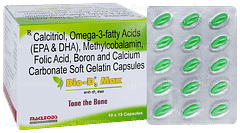
Composition
Ketorol 10 Tablet contains ketorolac tromethamine 10 mg, a non-steroidal anti-inflammatory medicine used for short-term management of moderately severe acute pain. Ketorolac inhibits cyclo-oxygenase enzymes, reducing prostaglandin production involved in pain and inflammation. It is generally reserved for pain requiring strong analgesic treatment, often following surgery. Take the tablet only as prescribed for the shortest appropriate duration. Possible side effects include nausea, abdominal pain, indigestion and dizziness. Serious risks include gastrointestinal bleeding, kidney injury and cardiovascular complications. Tell your doctor about stomach ulcers, bleeding disorders, kidney disease or heart problems. Do not combine it with aspirin or other NSAIDs. Seek urgent attention for bleeding or severe abdominal pain.
Ketorol 10 Tablet is used for short-term relief of moderately severe acute pain. It may be prescribed for postoperative pain or other acute painful conditions following medical assessment. Ketorolac is not intended for chronic pain or routine treatment of minor discomfort. Its benefits must be weighed against serious gastrointestinal, kidney and cardiovascular risks. Under US prescribing information, oral ketorolac is restricted to continuation treatment after injectable ketorolac. Product-specific local instructions should be followed.
Take Ketorol 10 Tablet exactly as directed by your doctor. Swallow the tablet with water and follow the prescribed treatment duration. Taking it with food may reduce stomach discomfort but does not prevent gastrointestinal bleeding. Do not exceed the prescribed amount or extend treatment yourself. US prescribing information limits combined injectable and oral ketorolac treatment to five days. Avoid additional NSAIDs, including ibuprofen and naproxen. Seek medical advice if pain remains uncontrolled.
Possible side effects of Ketorol 10 Tablet include nausea, indigestion, abdominal pain, headache, dizziness and diarrhoea. More serious complications include stomach ulcers, gastrointestinal bleeding, kidney injury and cardiovascular events. These risks may increase with higher doses or prolonged treatment. Stop treatment and seek urgent assessment for black stools, vomiting blood or severe abdominal pain. Chest pain, sudden weakness or breathing difficulties require emergency care. Report reduced urination, unusual bruising or severe allergic reactions immediately.
Before taking Ketorol 10 Tablet, tell your doctor about peptic ulcers, gastrointestinal bleeding, kidney disease or heart failure. Mention previous reactions to aspirin or other NSAIDs. Report anticoagulants, corticosteroids, antidepressants and other medicines that increase bleeding risk. Ketorolac is contraindicated with aspirin, other NSAIDs, probenecid and pentoxifylline under US prescribing guidance. Avoid use during pregnancy unless specifically assessed; later pregnancy carries particular risks. Discuss breastfeeding before treatment. Older adults require additional caution.