







 Composition
Bactrim Suspension contains sulphamethoxazole 200 mg and trimethoprim 40 mg, a combination antibiotic known as co-trimoxazole. It is used to treat selected bacterial infections caused by susceptible organisms. Sulphamethoxazole inhibits bacterial folate synthesis, while trimethoprim blocks a subsequent step in the same pathway. This combined action interferes with bacterial growth. Bactrim Suspension may be prescribed for certain urinary tract infections, ear infections and other specified infections. Give it exactly as prescribed by the doctor. Possible side effects include nausea, vomiting, diarrhoea and skin rash. Tell the doctor about sulphonamide allergies, kidney disease or blood disorders. Serious skin reactions, blood abnormalities and elevated potassium levels can occur.
Bactrim Suspension is prescribed for selected bacterial infections, including certain urinary tract infections and acute middle-ear infections. Co-trimoxazole is also used to treat or prevent Pneumocystis jirovecii pneumonia in patients meeting specific clinical criteria. Its suitability depends on the infection, bacterial susceptibility and patient characteristics. It is not effective against viral infections such as colds or influenza. The doctor may recommend laboratory testing to guide treatment and monitor safety.
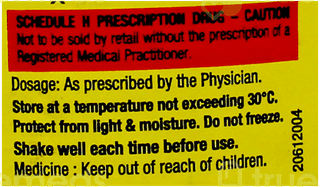
Give Bactrim Suspension exactly as directed by the doctor. Shake the bottle thoroughly before measuring the prescribed amount. Use an appropriate oral syringe or measuring device rather than a household spoon. Follow the recommended treatment duration, even if symptoms improve earlier. Ensure adequate fluid intake unless the doctor has advised otherwise. Do not change the prescribed amount or use leftover antibiotics. Seek advice about missed doses without doubling the next amount.
Possible side effects of Bactrim Suspension include nausea, vomiting, diarrhoea, reduced appetite and skin rash. Some patients may experience headache or abdominal discomfort. Serious adverse reactions include severe skin reactions, blood cell abnormalities, liver injury and elevated potassium levels. Stop administration and seek immediate medical advice if a rash develops. Fever, mouth ulcers, unusual bruising or persistent sore throat also require prompt assessment. Seek emergency care for breathing difficulties, facial swelling or widespread blistering.
Before giving Bactrim Suspension, tell the doctor about allergies to sulphonamides, trimethoprim or similar antibiotics. Mention kidney disease, liver problems, folate deficiency or glucose-6-phosphate dehydrogenase deficiency. Report medicines such as warfarin, methotrexate, phenytoin and treatments that increase potassium levels. This combination is contraindicated in infants younger than two months under relevant prescribing guidance. Discuss pregnancy and breastfeeding when applicable. Patients with significant kidney impairment may require dose adjustment and monitoring. Report persistent or worsening symptoms promptly.