
Understanding the meaning of laparoscopy can help ease concerns if your doctor recommends this procedure. Laparoscopy is a type of keyhole surgery that allows surgeons to examine and treat conditions inside your abdomen or pelvis using small incisions and a camera[1]. Unlike traditional open surgery, this minimally invasive approach typically results in faster recovery and less postoperative discomfort. This article explains what laparoscopy involves, how to prepare for it, what happens during recovery, and how long your laparoscopy stitches take to heal.
What is laparoscopy?
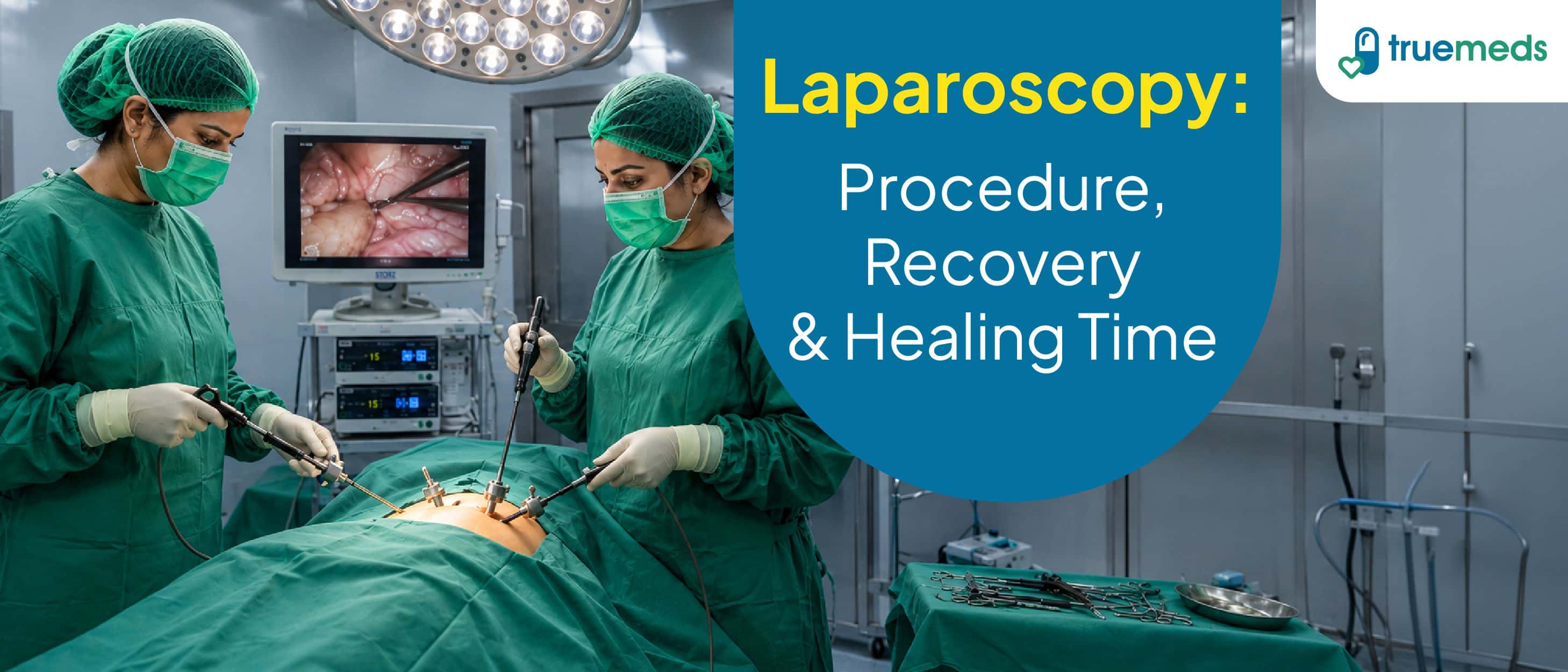
Laparoscopy is a surgical technique that uses small cuts rather than large incisions to access the inside of your abdomen or pelvis[1]. During the procedure, surgeons insert a thin tube with a camera (laparoscope) through a small incision, usually near your navel. This camera sends images to a monitor, allowing the surgical team to see your internal organs clearly without making large cuts[2].
Benefits compared with open surgery
Laparoscopic surgery offers several advantages over traditional open procedures. The benefits include faster recovery times, shorter hospital stays, reduced postoperative pain, and improved cosmetic outcomes due to smaller scars. These advantages can help you resume normal daily activities and return to work more quickly than with open surgery[3].
When might you need a laparoscopy?
Doctors may recommend laparoscopy for both diagnosis and treatment. The procedure can help identify the cause of unexplained symptoms or treat already diagnosed conditions.
Common conditions diagnosed through laparoscopy
A laparoscopy can help diagnose several conditions, including[1], 4]:
- Appendicitis
- Pelvic inflammatory disease
- Endometriosis
- Certain cancers, such as liver cancer and ovarian cancer
- Causes of chronic pelvic pain or infertility
- Pelvic masses of unknown origin
Conditions that can be treated using laparoscopy
Beyond diagnosis, laparoscopy may also be used to treat conditions. If a problem is identified during a diagnostic laparoscopy, it can often be treated during the same procedure. Common treatments include removal of ovarian cysts, treatment of endometriosis, and addressing causes of infertility[4].
How is a laparoscopy procedure performed?
Understanding what happens before, during, and after the procedure can help reduce anxiety and ensure you are well prepared.
Preparing for the procedure
Your healthcare team will provide specific instructions before your laparoscopy. You will typically need to fast for several hours before surgery and may need to stop certain medications. A diagnostic laparoscopy is usually performed as a day case, meaning you can go home the same day[5].
What happens during laparoscopy
Laparoscopy is performed under general anaesthesia, so you will be asleep throughout and will not feel any pain. Once you are under anaesthesia, the surgeon makes a small incision near your navel and inserts the laparoscope. Your abdomen is then filled with gas to create space, allowing the abdominal and pelvic organs to be seen more clearly[2].
If the laparoscopy is purely diagnostic, the procedure typically takes between 30 and 60 minutes. If surgical treatment is required, the procedure may take longer[1].
What happens immediately after surgery
After a diagnostic laparoscopy, you should be able to go home within 3 to 4 hours. Before discharge, you will need to have eaten something and passed urine. Someone should stay with you overnight following the procedure[5].
Recovery experiences vary. Always follow your surgeon's specific postoperative instructions.
What should you expect after a laparoscopy?
Recovery from laparoscopy is generally quicker than from open surgery, but you should still allow your body time to heal properly.
Recovery in the first 24 hours
During the first 24 hours after laparoscopy, you may feel sleepier than usual, and your judgement may be impaired due to the anaesthetic. Avoid making important decisions, driving, or drinking alcohol during this time[5].
Common side effects during recovery
You should not experience significant after-effects beyond the first day[5]. However, some people may experience the following[1],[2]:
- Mild abdominal pain or discomfort
- Bloating
- Shoulder pain
- Tiredness or fatigue
- Sore throat
- Bruising around wounds
These effects typically resolve within a few days.
When you can return to daily activities
Your return to normal activities depends on the type of laparoscopy performed[6]:
Type of procedure | Expected return to work |
|---|---|
Diagnostic laparoscopy or simple procedures | Within one week |
Operative laparoscopy (e.g., ovarian cyst removal) | Two to three weeks |
Your doctor will advise on specific timelines based on your individual circumstances.
How long do laparoscopy stitches take to heal?
Understanding the healing time of laparoscopy stitches can help you know what to expect during your recovery.
Typical laparoscopy stitches healing time
The small incisions made during laparoscopy are usually closed with dissolving sutures. This means you do not need to remove your stitches, as they dissolve on their own over several weeks. The external skin typically heals within one to two weeks, though complete internal healing may take longer[7].
Signs that your stitches are healing properly
Normal healing includes the following[6]:
- Gradual reduction in redness around the incision
- Decreasing tenderness over the first week
- No discharge or minimal clear fluid
- Scab formation that eventually falls off naturally
Factors that may affect healing
Several factors can influence how quickly your incisions heal[6]:
- Age: Older individuals may heal more slowly
- Overall health: Conditions like diabetes can affect wound healing
- Nutrition: Adequate protein and vitamin intake supports tissue repair
- Following postoperative care instructions: Proper wound care promotes optimal healing
How to care for laparoscopy stitches at home?
Proper wound care can help prevent complications and support faster healing.
Keeping the incision area clean
You may shower 24 to 48 hours after surgery if your doctor approves. Pat the incision dry gently afterwards and avoid rubbing the area. Do not take a bath for the first two weeks, or until your doctor confirms it is safe[8].
Activities to avoid during healing
To protect your incisions during recovery[8]:
- Avoid strenuous activities such as bicycle riding, jogging, weight lifting, or aerobic exercise until cleared by your doctor
- Do not lift heavy objects
- Avoid swimming pools or hot tubs until your doctor confirms it is safe
Tips to support faster recovery
Walking is a good option for gentle activity during recovery. Other helpful measures include[8]:
- Getting adequate rest
- Eating a balanced diet rich in protein
- Staying hydrated
- Wearing loose, comfortable clothing that does not irritate incision sites
Always follow your surgeon's specific instructions for wound care and activity restrictions.
What problems can occur during recovery?
While complications from laparoscopy are uncommon, recognising warning signs can help you seek prompt medical attention if needed.
Warning signs of infection
Contact your doctor if you notice signs of infection at the incision sites, including[1][9]:
- Increasing redness or warmth around the wound
- Pus or unusual discharge
- Fever
- Significant skin redness or cellulitis
Symptoms that need medical attention
Other complications that may occur include bleeding or a hernia (a bulge caused by poor healing) at the incision sites. Seek medical attention if you experience severe or worsening pain, heavy bleeding, or a noticeable bulge near your incisions[4].
When to contact your doctor
Contact your doctor promptly if you notice pain, swelling, bleeding, pus, or redness around your wounds. Also seek advice if you develop a fever, feel unwell, or have any concerns about your recovery[1].
FAQs
What is laparoscopy in simple terms?
Laparoscopy is keyhole surgery where surgeons use a small camera and instruments inserted through tiny cuts to examine or treat problems inside your abdomen or pelvis. It is less invasive than traditional open surgery.
Why would a woman need a laparoscopy?
Women may need laparoscopy to diagnose or treat conditions such as endometriosis, ovarian cysts, pelvic inflammatory disease, chronic pelvic pain, or infertility. The procedure helps doctors see inside the pelvis clearly.
How painful is laparoscopy recovery?
Most people experience mild discomfort rather than severe pain after laparoscopy. You may notice soreness around incision sites and some bloating or shoulder pain from the gas used during surgery. Pain typically improves within a few days.
How long do laparoscopy stitches take to heal?
External incisions typically heal within one to two weeks. Dissolving stitches may take two to three weeks to dissolve. Complete internal healing may take longer depending on the procedure performed.
When can I shower after laparoscopy?
You may shower 24 to 48 hours after surgery if your doctor approves. Pat the incision areas dry gently and avoid baths, swimming pools, or hot tubs for at least two weeks.
How long does it take to recover from laparoscopy?
Recovery time depends on the type of procedure. After diagnostic laparoscopy, most people return to work within one week. For operative laparoscopy, expect two to three weeks before resuming normal activities.
What are the signs of infected laparoscopy stitches?
Signs of infection include increasing redness or warmth around the wound, pus or unusual discharge, fever, and worsening pain. Contact your doctor promptly if you notice any of these symptoms.
When can I return to work after a laparoscopy?
For diagnostic or simple procedures, you can typically return to work within one week. If you had operative laparoscopy such as cyst removal, expect to need two to three weeks off work.
Is laparoscopy considered major surgery?
Laparoscopy is considered minimally invasive surgery rather than major surgery. It uses small incisions instead of large cuts, resulting in faster recovery, less pain, and shorter hospital stays compared to open procedures.
When should I contact a doctor after a laparoscopy?
Contact your doctor if you experience increasing pain, swelling, bleeding, or pus around your wounds, develop a fever, notice a bulge near your incisions, or have any concerns about your recovery.
Medical Disclaimer
This article is for informational purposes only and does not constitute medical advice. The information provided should not be used for diagnosing or treating health conditions. Always consult a qualified healthcare provider for diagnosis, treatment, and personalised medical advice. Do not disregard professional medical advice or delay seeking it because of information found in this article. If you have a medical emergency, contact your doctor or emergency services immediately.
References
National Health Service. (2023). Laparoscopy (keyhole surgery). NHS. https://www.nhs.uk/tests-and-treatments/laparoscopy/
MedlinePlus. (2023). Laparoscopy. MedlinePlus. https://medlineplus.gov/lab-tests/laparoscopy/
Basunbul, L. I., Alhazmi, L. S. S., Almughamisi, S. A., Aljuaid, N. M., Rizk, H., & Moshref, R. (2022). Recent technical developments in the field of laparoscopic surgery: A literature review. Cureus, 14(2), e22246. https://pmc.ncbi.nlm.nih.gov/articles/PMC8929761/
American College of Obstetricians and Gynecologists. (2024). Laparoscopy. ACOG. https://www.acog.org/en/Womens%20Health/FAQs/Laparoscopy