

- Medicines
- Personal Care
- Skin Cream
- Sunscreen
- Face Wash
- Skin and Body Soap
- Acne Care
- Body Lotions
- Moisturising Lotion
- Moisturising Cream
- Mosquito Repellent
- Moisturising Gel
- Body Wash
- Hair Oils
- Hair Shampoo
- Hair Conditioners
- Hair Supplements
- Hair Colour
- Hair Serum
- Hair Mask
- Hair Solutions
- Baby Diapers and Wipes
- Baby Lotion and Moisturising Cream
- Baby Bath Essentials
- Baby Skin Care
- Baby and Infant Food
- Baby Healthcare
- Women Multivitamins
- Ovulation Test Kit and Women Intimate Care
- Sanitary Pads
- Nutritional Drinks
- Condoms
- Lubricants
- Massage Gels
- Personal Body Massagers
- Men Performance Booster
- Sexual Health Supplements
- Massage Oils
- Ayurveda
- Tooth Paste
- Mouth Ulcer Gel
- Mouthwash
- Toothache and Gum Pain
- Tooth Brush
- Gargle Solution
- Orthopaedic Supports
- Adult Diapers
- Footwear
- Mobility and Support Accessories
- Urinary Support and Care
- Health Conditions
- Bone and Joint Care
- Digestive Care
- Eye Care
- Pain Relief
- Smoking Cessation
- Liver Care
- Stomach Care
- Cold and Cough
- Heart Care
- Kidney Care
- Piles, Fissures & Fistula
- Respiratory Care
- Mental Wellness
- Derma Care
- Pre and Probiotics
- Acidity
- Gas
- Constipation
- Loose Motion/Diarrhoea
- Digestive Fibres
- Digestive Enzymes
- Eye Lubricant Drops
- Lens Solution
- Safety Eye Wear
- Eye Cream
- Eye Vitamins and Supplements
- Eye Drops
- Eye Ointment and Gel
- Nicotine Patch
- Nicotine Gum
- Nicotine Lozenges
- Cough Syrups
- Chest Rubs and Balms
- Nasal Spray
- Lozenges
- Inhalant Capsules
- Cold and Cough Tablets
- Vitamins & Supplements
- Diabetes Care
- Healthcare Devices
- Homeopathic Medicine
- Health Guide
Endometriosis
Endometriosis is a chronic gynaecological condition characterised by the growth of endometrial-like tissue outside the uterus. It can cause severe pelvic pain, heavy periods, infertility, and other debilitating symptoms. While the exact cause is unknown, early diagnosis and appropriate treatment can help manage the condition and improve quality of life.
 50
50Last updated on : 14 Apr, 2026
Read time : 14 mins
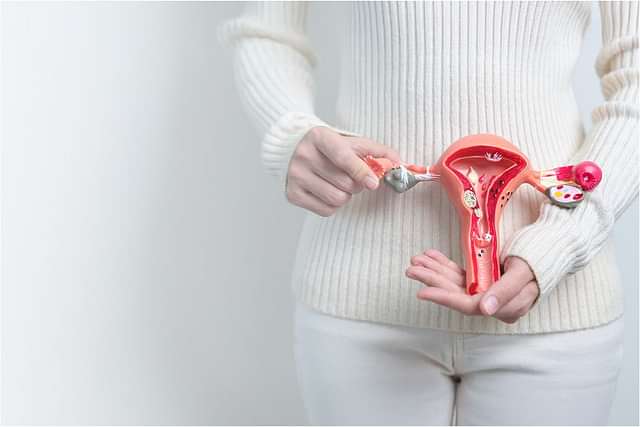
Overview of Disease
Endometriosis is a chronic gynaecological condition that affects nearly 10% (around 190 million) women of reproductive age worldwide. (WHO, 2023). It occurs when tissue similar to the lining of the uterus (endometrium) grows outside the uterus. It often occurs in the ovaries, fallopian tubes, and other pelvic organs. This misplaced tissue can cause pain, inflammation, and scarring, leading to a range of symptoms that can significantly impact a woman's quality of life.
What is Endometriosis?
Endometriosis is a condition where tissue that normally lines the inside of the uterus (endometrium) grows outside the uterus. This tissue can attach to various organs in the pelvic area, such as the ovaries, fallopian tubes, bladder, and intestines. During the menstrual cycle, the endometrial tissue inside and outside the uterus thickens, breaks down, and bleeds.
However, while the tissue inside the uterus can exit the body through the vagina, the tissue outside the uterus has no way to escape. This trapped tissue can cause inflammation, pain, and the formation of scar tissue (adhesions) or cysts (endometriomas). The severity of endometriosis varies from person to person. The extent of the tissue growth does not always correlate with the intensity of symptoms.
Key Factors about Endometriosis
| Category | Details |
| Also Referred as | Endo |
| Commonly Occurs In | Women aged 25-40 years |
| Affected Organ | Uterus, ovaries, fallopian tubes, pelvic tissue, bowel, bladder |
| Type | Hormone-dependent condition involving endometrial-like tissue growth |
| Common Signs | Pelvic pain, heavy periods, painful menstrual cramps, pain during sex, and infertility |
| Consulting Specialist | Obstetrician-gynaecologist (OB-GYN), reproductive endocrinologist, primary care physician |
| Treatment Procedures | Hormone therapy, pain relievers, laparoscopic surgery, IVF, removal of endometrial tissue or adhesions |
| Managed By | Pain Relief Medications such as NSAIDs (Ibuprofen and naproxen), acetaminophen, hormonal treatments such as combined oestrogen-progestin contraceptives like birth control pills, patches, and vaginal rings |
| Mimicking Condition | Adenomyosis, Irritable Bowel Syndrome (IBS) |
Types of Endometriosis
There are three main types of endometriosis, which are classified based on the location and extent of the endometrial tissue growth:
- Superficial Peritoneal Lesion: This is the most common type in which the endometrial tissue attaches to the peritoneum, the thin membrane lining the pelvic cavity.
- Endometrioma (Ovarian Lesion): In this type, cysts form deep within the ovaries. These dark, fluid-filled cysts, often referred to as "chocolate cysts" due to their appearance, can vary in size.
- Deeply Infiltrating Endometriosis: This type occurs when the endometrial tissue penetrates more than 5 mm beneath the peritoneal surface. It can also involve organs near the uterus, such as the bladder or rectum.
Early Signs of Endometriosis
- Pelvic Pain: One of the most common signs of endometriosis is severe pelvic pain, particularly during menstrual periods. The pain may be described as cramping, burning, or stabbing and can be so intense that it interferes with daily activities.
- Heavy Periods: Women with endometriosis often experience heavy, prolonged, or irregular menstrual bleeding. They may need to change sanitary products more frequently or experience bleeding between periods.
- Infertility: Endometriosis is a leading cause of infertility in women. The growth of endometrial tissue can obstruct the fallopian tubes, impair ovulation, or create an inhospitable environment for fertilisation and implantation.
- Painful Intercourse: Endometriosis can cause pain during or after sexual intercourse, known as dyspareunia. This pain may be felt deep within the pelvis and can persist for hours or even days following intercourse.
- Bowel and Bladder Symptoms: Some women with endometriosis may experience pain or discomfort while urinating or defecating, especially during their periods. They may also have symptoms such as diarrhoea, constipation, or bloating.
- Fatigue and Emotional Distress: Living with chronic pain and other symptoms of endometriosis can lead to fatigue, depression, and anxiety. Women may find it challenging to cope with the physical and emotional toll of the condition.
It is essential to note that the severity of symptoms does not necessarily indicate the extent of the condition. Some women with mild endometriosis may experience severe pain, while others with advanced endometriosis may have few or no symptoms. If you experience any of these signs or symptoms, it is crucial to consult a gynaecologist for proper diagnosis and treatment.
Symptoms of Endometriosis
The symptoms of endometriosis can vary from person to person, and some women may not experience any symptoms at all. However, the most common signs of endometriosis include:
- Painful Periods (Dysmenorrhoea): Pelvic pain and cramping may begin before and extend several days into a menstrual period. You may also have lower back and abdominal pain.
- Pain at the time of Intercourse: Pain during or after sex.
- Pain with Bowel Movements or Urination, especially during a menstrual period.
- Excessive Bleeding: You may experience occasional heavy menstrual periods or bleeding between periods (intermenstrual bleeding).
- Infertility: Sometimes, endometriosis is first diagnosed in those seeking infertility treatment.
- Other Signs and Symptoms: You may also experience fatigue, diarrhoea, constipation, bloating or nausea, especially during menstrual periods.
The severity of your pain may not be a reliable indicator of the extent of the condition. Some women with mild endometriosis have intense pain, while others with advanced endometriosis may have little pain or even no pain at all. The type and location of endometriosis can also influence the symptoms experienced.
Stages of Endometriosis
As per the American Society for Reproductive Medicine (ASRM) classification system, the four stages are:
- Stage 1 (Minimal): There are a few superficial implants and mild adhesions.
- Stage 2 (Mild): There are more implants than in Stage 1, and they are deeper in the tissue. There may also be several filmy adhesions.
- Stage 3 (Moderate): There are many deep implants, small endometriomas on one or both ovaries and several dense adhesions.
- Stage 4 (Severe): This is the most widespread. There are many deep implants, large endometriomas on one or both ovaries and many dense adhesions. Sometimes, they may extend to areas such as the rectum and adhere to surrounding structures.
It is important to note that the stage of endometriosis does not necessarily correlate with the severity of symptoms or the impact on fertility.
Causes of Endometriosis
While the exact cause of endometriosis is not certain, possible explanations include:
- Retrograde Menstruation: In retrograde menstruation, menstrual blood containing endometrial cells flows back through the fallopian tubes and enters the pelvic cavity instead of leaving the body. These endometrial cells stick to the pelvic walls and surfaces of pelvic organs, where they grow, continue to thicken, and bleed throughout each menstrual cycle.
- Transformation of Peritoneal Cells: As per the "induction theory," experts propose that hormones or immune factors promote the transformation of peritoneal cells, which are the cells that line the inner surface of the abdomen.
- Embryonic Cell Transformation: Hormones such as oestrogen may transform embryonic cells, which are present in the earliest stages of development, into endometrial-like cell implants during puberty.
- Surgical Scar Implantation: After surgery, such as a hysterectomy or C-section, endometrial cells may attach to a surgical incision.
- Endometrial Cell Transport: The blood vessels or tissue fluid (lymphatic system) may transport endometrial cells to other parts of the body.
- Immune System Disorder: A problem with the immune system may make the body unable to recognise and destroy endometrial-like tissue growing outside the uterus.
The underlying causes of endometriosis are still under investigation. Understanding the symptoms, types, and stages can help in early diagnosis and effective management of the condition.
Risk Factors
Several factors can increase the risk of developing endometriosis, including (National Institute of Child Health and Human Development [NICHD], 2022):
- Family History: If a close female relative, such as a mother, sister, or grandmother, has endometriosis, the risk is 7 to 10 times higher (Endometriosis Research Center, 2024).
- Early Onset of Menstruation: Beginning menstruation before the age of 11 increases the risk of endometriosis.
- Menstrual Cycle Characteristics: Shorter menstrual cycles (less than 27 days) and longer periods (more than seven days) are associated with a higher risk.
- Immune Disorders: Weakened immune systems are less effective at recognising and removing misplaced endometrial tissue. This can contribute to the development of endometriosis.
Complications
Endometriosis can lead to various complications that can significantly impact a woman's quality of life. Some of the potential complications include:
- Infertility: Scar tissue or blockage in the fallopian tubes caused by endometriosis can make it difficult for women to conceive.
- Chronic Pain: Endometriosis can cause persistent pain in the abdomen, lower back, and pelvic area. This can interfere with daily activities and overall well-being.
- Bowel or Bladder Issues: In some cases, endometriosis can affect the bowel or bladder. This leads to pain during voiding or bowel movements and the presence of the issue in the urine or stool.
- Ovarian Cancer: While rare, women with endometriosis have a slightly increased risk of developing epithelial ovarian cancer, particularly clear cell and endometrioid carcinomas.
Prevention of Endometriosis
- Maintaining a Healthy Hormonal Balance: Keeping oestrogen levels in check can help lower the likelihood of developing endometriosis.
- Reducing Oestrogen Exposure: Making dietary and lifestyle changes to decrease oestrogen levels may help prevent endometriosis. This can include maintaining a healthy weight, exercising regularly, and limiting alcohol consumption.
- Regular Exercise: Engaging in regular physical activity can help balance hormone levels and reduce the risk of endometriosis. Aim for at least 30 minutes of moderate-intensity exercise most days of the week.
- Balanced Diet: Eat a diet rich in whole foods, such as fruits, vegetables, whole grains, and lean proteins. Limit processed foods, sugar, and caffeine. This may help regulate hormones and reduce inflammation in the body.
- Maintaining a Healthy Body Weight: Obesity has been linked to an increased risk of endometriosis. Maintaining a healthy body weight through a balanced diet and regular exercise can help reduce the risk of developing the condition.
Diagnosis & Tests
Diagnosing endometriosis can be challenging, as symptoms can vary and may be similar to those of other conditions. The following methods are commonly used to diagnose endometriosis:
- Medical History and Physical Examination: The doctor will ask about symptoms, menstrual history, and family history of endometriosis. A pelvic examination may be performed to check for abnormalities or tender areas in the pelvic region.
- Imaging Tests: Ultrasound, particularly transvaginal ultrasound, can help identify endometrial tissue growing outside the uterus. Magnetic Resonance Imaging (MRI) may also be used to visualise endometrial implants and adhesions.
- Laparoscopy: The definitive diagnosis is confirmed through laparoscopy, a minimally invasive surgical procedure. A thin, lighted tube (laparoscope) is inserted through a small incision in the abdomen, allowing direct visualisation and biopsy of suspected tissue.
- Symptom Analysis: Doctors carefully assess a patient's symptoms, such as excessive menstrual cramps, abnormal menstrual flow, and pain during intercourse. This helps to determine if endometriosis is a likely cause.
A combination of these diagnostic methods helps healthcare providers accurately diagnose endometriosis. Early diagnosis is crucial for effective management and treatment of the condition.
Treatment & Management
The treatment of endometriosis involves medications, hormone-based treatments, and surgical options to relieve symptoms, manage disease progression, and preserve fertility where applicable. Here are the treatment options:
1. Anti-inflammatory Medicines (NSAIDs)
Non-steroidal anti-inflammatory drugs are typically the first-line treatment for relieving pelvic pain and menstrual cramps associated with endometriosis.
Commonly used NSAIDs include:
- Ibuprofen: It reduces inflammation and provides relief from mild to moderate pain.
- Naproxen: It offers long-lasting pain relief and is commonly used for menstrual cramps.
- Mefenamic acid: It is especially effective in managing period-related pain.
- Diclofenac: It is a potent anti-inflammatory used for acute pain episodes.
- Ketoprofen: It relieves musculoskeletal and pelvic pain through dual anti-inflammatory action.
2. Gonadotropin-Releasing Hormone (GnRH) Agonists and Antagonists
GnRH-based therapies lower oestrogen levels in the body, inducing a temporary menopausal state to suppress endometrial growth and alleviate pain.
Examples include:
- Leuprolide acetate: It suppresses ovarian hormone production to control pain and lesion growth.
- Goserelin acetate: It is a GnRH agonist that helps reduce hormone levels and relieve pelvic pain.
- Relugolix: It is an oral GnRH antagonist that lowers oestrogen without initial hormone flare.
- Degarelix: It is a rapid-acting GnRH blocker used in hormone-responsive conditions.
3. Hormonal Contraceptives
Hormonal contraceptives regulate or suppress menstruation, reducing pain and preventing the recurrence of endometrial tissue growth.
Common agents include:
- Desogestrel: It is a progestin-only contraceptive that prevents ovulation and reduces pain.
- Etonogestrel: It is a long-acting hormonal agent that thins the endometrial lining and suppresses ovulation.
4. Aromatase Inhibitors
Aromatase inhibitors reduce oestrogen production in the body, helping to shrink endometrial lesions and relieve symptoms.
Common medicines include:
- Letrozole: It inhibits the enzyme aromatase to decrease systemic oestrogen levels.
- Anastrozole: It reduces oestrogen synthesis, helping to slow endometrial tissue growth.
- Exemestane: It is an irreversible aromatase inhibitor that lowers oestrogen and helps control symptoms.
5. Progestins and Androgenic Hormones
Progestins help to suppress endometrial tissue growth, reduce inflammation, and ease pain. Androgenic hormones such as Danazol work by blocking the effects of oestrogen.
Examples include:
- Medroxyprogesterone: It is a synthetic progestin that reduces menstrual bleeding and endometrial activity.
- Hydroxyprogesterone: It is used for long-acting hormonal support in hormone-related conditions.
- Dydrogesterone: It mimics natural progesterone to regulate cycles and control pain.
- Dienogest: It is a newer progestin that reduces endometrial implants and inflammation.
- Danazol: It is an androgenic agent that suppresses oestrogen and prevents lesion growth, but its use is limited due to side effects.
6. Surgery
Surgical treatment is considered in cases where symptoms are severe, unresponsive to medical therapy, or where fertility preservation is desired.
Surgical options include:
- Laparoscopic excision or ablation of endometrial implants: It removes or destroys endometrial growths to relieve pain and restore organ function.
- Removal of ovarian endometriomas: It excises cysts to improve pain and fertility outcomes.
- Adhesiolysis: It separates pelvic organs affected by scar tissue to restore mobility and reduce discomfort.
- Hysterectomy: It is the removal of the uterus, considered in refractory cases when childbearing is no longer a concern, often combined with the removal of the ovaries, depending on severity.
When to See a Doctor?
Women experiencing symptoms of endometriosis should consult a doctor for proper diagnosis and treatment. You should seek medical attention if you experience:
- Severe period pain that impacts daily activities
- Heavy periods requiring frequent pad changes
- Pain during or after sexual intercourse
- Pain during bowel movements or urination
- Low mood or anxiety
- Difficulty getting pregnant
Seeking timely medical advice can help in the early detection and management of endometriosis, which may help reduce complications and improve quality of life.
Key Takeaways
- Endometriosis currently has no cure, but various treatments can help manage symptoms and improve fertility.
- Treatment options are tailored to individual preferences, taking into account effectiveness, side effects, long-term safety, costs, and availability.
- A multidisciplinary approach, involving healthcare providers, patient support groups, and supportive therapies, can be beneficial in managing endometriosis and improving overall quality of life.
FAQs
What is the primary reason behind endometriosis development?
Is pregnancy possible with endometriosis?
How do PCOS and endometriosis differ from each other?
What is the life expectancy for individuals with stage 4 endometriosis?
Which conditions can mimic the symptoms of endometriosis?
Can endometriosis persist after menopause?
What are the potential complications associated with endometriosis?
Are there any home remedies for managing endometriosis symptoms?
Is Ayurvedic treatment effective for managing endometriosis?
What are the symptoms that may indicate endometriosis-related cancer?
References
- Shafrir, A. L., Farland, L. V., Shah, D. K., Harris, H. R., Kvaskoff, M., Zondervan, K., & Missmer, S. A. (2018). Risk for and consequences of endometriosis: A critical epidemiologic review. Best Practice & Research Clinical Obstetrics & Gynaecology, 51, 1-15. https://doi.org/10.1016/j.bpobgyn.2018.06.001
- Yale Medicine. (n.d.). Endometriosis > Fact Sheets. https://www.yalemedicine.org/conditions/endometriosis
- The Women's. (n.d.). Treating endometriosis. https://www.thewomens.org.au/health-information/periods/endometriosis/treating-endometriosis
- World Health Organization. (2023). Endometriosis. https://www.who.int/news-room/fact-sheets/detail/endometriosis
- Johns Hopkins Medicine. (n.d.). Endometriosis. https://www.hopkinsmedicine.org/health/conditions-and-diseases/endometriosis
- NHS. (2023). Endometriosis. https://www.nhs.uk/conditions/endometriosis/
- MedlinePlus. (2023). Endometriosis. https://medlineplus.gov/endometriosis.html
- Endometriosis Research Center. (2024, September 2). Do you have Endo? | Endometriosis Research Center. https://www.endocenter.org/do-you-have-endo/
- What are the risk factors for endometriosis? (2022, January 28). National Institute of Child Health and Human Development. https://www.nichd.nih.gov/health/topics/endometri/conditioninfo/at-risk
Browse Other Conditions
Latest health articles
Top Health Essentials














Disclaimer
Top-Selling Medicines:
...View more
Top-OTC medicines:
...View more
Company
About UsHealth ArticleHealth StoriesHealth LibraryDiseases & Health ConditionsAyurvedaUnderstanding Generic MedicinesAll MedicinesAll BrandsNeed HelpFAQSecuritySavings CalculatorAdvertise with UsSubscribe
Registered Office Address
Grievance Officer
Download Truemeds


Contact Us
Our customer representative team is available 7 days a week from 9 am - 9 pm.
v4.28.14

2026 - Truemeds | All rights reserved. Our content is for informational purposes only. See additional information.

Our Payment Partners