

- Medicines
- Personal Care
- Skin Cream
- Sunscreen
- Face Wash
- Skin and Body Soap
- Acne Care
- Body Lotions
- Moisturising Lotion
- Moisturising Cream
- Mosquito Repellent
- Moisturising Gel
- Body Wash
- Hair Oils
- Hair Shampoo
- Hair Conditioners
- Hair Supplements
- Hair Colour
- Hair Serum
- Hair Mask
- Hair Solutions
- Baby Diapers and Wipes
- Baby Lotion and Moisturising Cream
- Baby Bath Essentials
- Baby Skin Care
- Baby and Infant Food
- Baby Healthcare
- Women Multivitamins
- Ovulation Test Kit and Women Intimate Care
- Sanitary Pads
- Nutritional Drinks
- Condoms
- Lubricants
- Massage Gels
- Personal Body Massagers
- Men Performance Booster
- Sexual Health Supplements
- Massage Oils
- Ayurveda
- Tooth Paste
- Mouth Ulcer Gel
- Mouthwash
- Toothache and Gum Pain
- Tooth Brush
- Gargle Solution
- Orthopaedic Supports
- Adult Diapers
- Footwear
- Mobility and Support Accessories
- Urinary Support and Care
- Health Conditions
- Bone and Joint Care
- Digestive Care
- Eye Care
- Pain Relief
- Smoking Cessation
- Liver Care
- Stomach Care
- Cold and Cough
- Heart Care
- Kidney Care
- Piles, Fissures & Fistula
- Respiratory Care
- Mental Wellness
- Derma Care
- Pre and Probiotics
- Acidity
- Gas
- Constipation
- Loose Motion/Diarrhoea
- Digestive Fibres
- Digestive Enzymes
- Eye Lubricant Drops
- Lens Solution
- Safety Eye Wear
- Eye Cream
- Eye Vitamins and Supplements
- Eye Drops
- Eye Ointment and Gel
- Nicotine Patch
- Nicotine Gum
- Nicotine Lozenges
- Cough Syrups
- Chest Rubs and Balms
- Nasal Spray
- Lozenges
- Inhalant Capsules
- Cold and Cough Tablets
- Vitamins & Supplements
- Diabetes Care
- Healthcare Devices
- Homeopathic Medicine
- Health Guide
Cancer
Cancer is a disease characterised by uncontrolled cell growth, forming tumours or spreading throughout the body. Causes include genetic mutations, lifestyle factors (smoking, diet), or exposure to carcinogens (such as UV rays). Types of cancer vary widely, including breast, lung, and skin cancers. Symptoms depend on the cancer type but may involve unusual lumps, unexplained weight loss, or persistent fatigue. Treatment options include surgery, chemotherapy, radiation, and targeted therapies aiming to remove or shrink tumours and manage symptoms. Early detection significantly improves outcomes, making regular screenings essential.
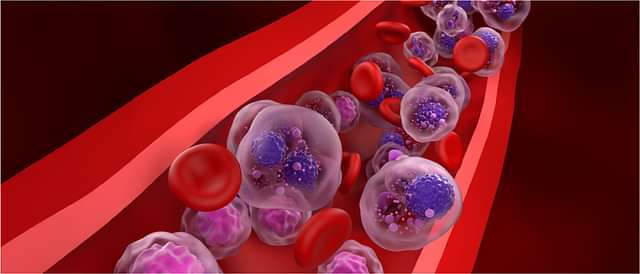
Blood cancer is a type of cancer that affects the blood cells and bone marrow, which are vital for carrying oxygen, fighting infections, and controlling bleeding. There are several types of blood cancer, including leukaemia, lymphoma, myeloma, myelodysplastic syndromes (MDS), and myeloproliferative neoplasms (MPN), each with distinct characteristics and treatments. The stages of blood cancer range from acute (fast-growing) to chronic (slower-growing) and are crucial for determining an appropriate treatment plan. Treatment options vary depending on the type and severity of the blood cancer, and may include stem cell transplantation, chemotherapy, radiation therapy, immunotherapy, and targeted therapies.
30th Oct 2024
|
16 mins read

Prostate cancer is a common type of cancer that develops in the prostate gland, a small walnut-sized gland in males located below the bladder. It is characterised by the uncontrolled growth of cells in the prostate and often begins without symptoms. The TNM staging system is used to classify prostate cancer into different stages based on the extent of the tumour, involvement of lymph nodes, and presence of metastases. Screening decisions (e.g., PSA testing) should be individualised after discussion of risks and benefits, as routine screening remains controversial.
7th Nov 2024
|
14 mins read
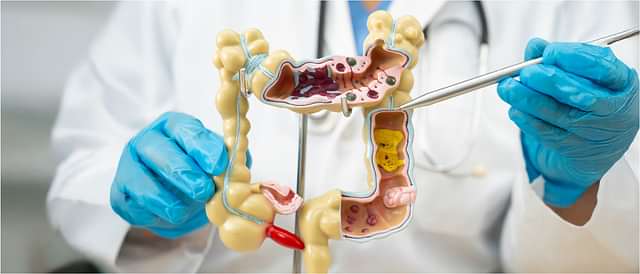
Colorectal cancer is a type of cancer that develops in the colon or rectum, which are parts of the large intestine. It typically starts as small, noncancerous polyps that can grow into cancerous tumours over time. According to USPSTF (2021), early detection through regular screening is crucial for effective treatment and improved outcomes.
7th Nov 2024
|
16 mins read

The World Health Organization (WHO) describes breast cancer as a disease characterised by the uncontrolled growth of cells in the breast, originating from various areas such as the lobules, ducts, or connective tissue (WHO, 2025). It is one of the most common types of cancer in women, although it can also occur in men. Early detection and treatment are crucial for improving breast cancer prognosis.
7th Nov 2024
|
17 mins read
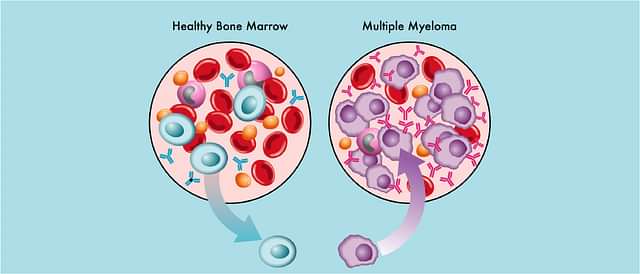
Multiple myeloma is a clonal plasma-cell malignancy of the bone marrow characterised by proliferation of malignant plasma cells and production of a monoclonal immunoglobulin (M-protein). The disease causes end-organ damage (CRAB: hypercalcaemia, renal failure, anaemia, bone lesions) or meets myeloma-defining biomarker criteria (Rajkumar, 2024). Clinical features include bone pain, anaemia, renal impairment, recurrent infections, and hypercalcaemia. Management depends on disease stage, presence of symptoms, patient fitness, and eligibility for autologous stem cell transplantation (ASCT). Modern therapy includes proteasome inhibitors, immunomodulatory medicines (IMiDs), anti-CD38 monoclonal antibodies, and emerging cellular and bispecific immunotherapies.
7th Nov 2024
|
15 mins read

Cervical cancer is a type of cancer that develops in the cells lining the cervix, the lower part of the uterus connecting to the vagina. It is primarily caused by persistent infection with certain strains of the human papillomavirus (HPV), especially HPV16 and HPV18 and typically progresses slowly over time (Cervical Cancer Causes, Risk Factors, and Prevention, 2024). Early detection through regular screening and HPV vaccination can significantly reduce the risk of developing cervical cancer.
7th Nov 2024
|
15 mins read

Bone cancer is a rare form of cancer that begins in the bone tissue, which may be aggressive sometimes. It can be primary, starting in the bone (osteosarcoma, chondrosarcoma, Ewing sarcoma), or secondary, spreading to the bone from another part of the body (e.g., breast, prostate, lung). Symptoms include bone pain, swelling, and weakened bones, and treatment options vary depending on the type and location of the tumour.
7th Nov 2024
|
16 mins read

Anal cancer is a rare type of cancer that develops in the tissues of the anus or anal canal. It accounts for about 2% of all gastrointestinal tract malignancies (Gondal and Chaudhary, 2023). It occurs when cells in the anus grow out of control, crowding out normal cells. The most common symptoms include rectal bleeding, itching, pain, and lumps or masses near the anus. It is often diagnosed through physical exams, imaging tests, and biopsies. Treatment options vary depending on the stage and type of anal cancer, but may include surgery, radiation therapy, and chemotherapy.
7th Nov 2024
|
16 mins read

Bladder cancer is a type of cancer that starts in the bladder, a hollow, muscular organ in the pelvis that stores urine. It occurs when cells in the bladder begin to grow uncontrollably, leading to a tumour. The most common type of bladder cancer is urothelial carcinoma, also known as transitional cell carcinoma, which accounts for about 90% of all bladder cancers. Treatment options depend on the stage and type of bladder cancer and may include surgery, chemotherapy, and radiation therapy.
7th Nov 2024
|
19 mins read

Brain tumours are abnormal growths of cells in the brain that can be benign (non-cancerous) or malignant (cancerous). They are classified by their origin, aggressiveness, and extent of spread, and can cause various symptoms depending on their location and size. Treatment options vary depending on the type and grade of the tumour, and may include surgery, radiation therapy, chemotherapy, or a combination of these approaches.
7th Nov 2024
|
15 mins read
Latest health articles

Top Health Essentials



























Top-Selling Medicines:
...View more
Top-OTC medicines:
...View more
Company
About UsHealth ArticleHealth StoriesHealth LibraryDiseases & Health ConditionsAyurvedaUnderstanding Generic MedicinesAll MedicinesAll BrandsNeed HelpFAQSecuritySavings CalculatorAdvertise with UsSubscribe
Registered Office Address
Grievance Officer
Download Truemeds


Contact Us
Our customer representative team is available 7 days a week from 9 am - 9 pm.
v4.28.16

2026 - Truemeds | All rights reserved. Our content is for informational purposes only. See additional information.

Our Payment Partners