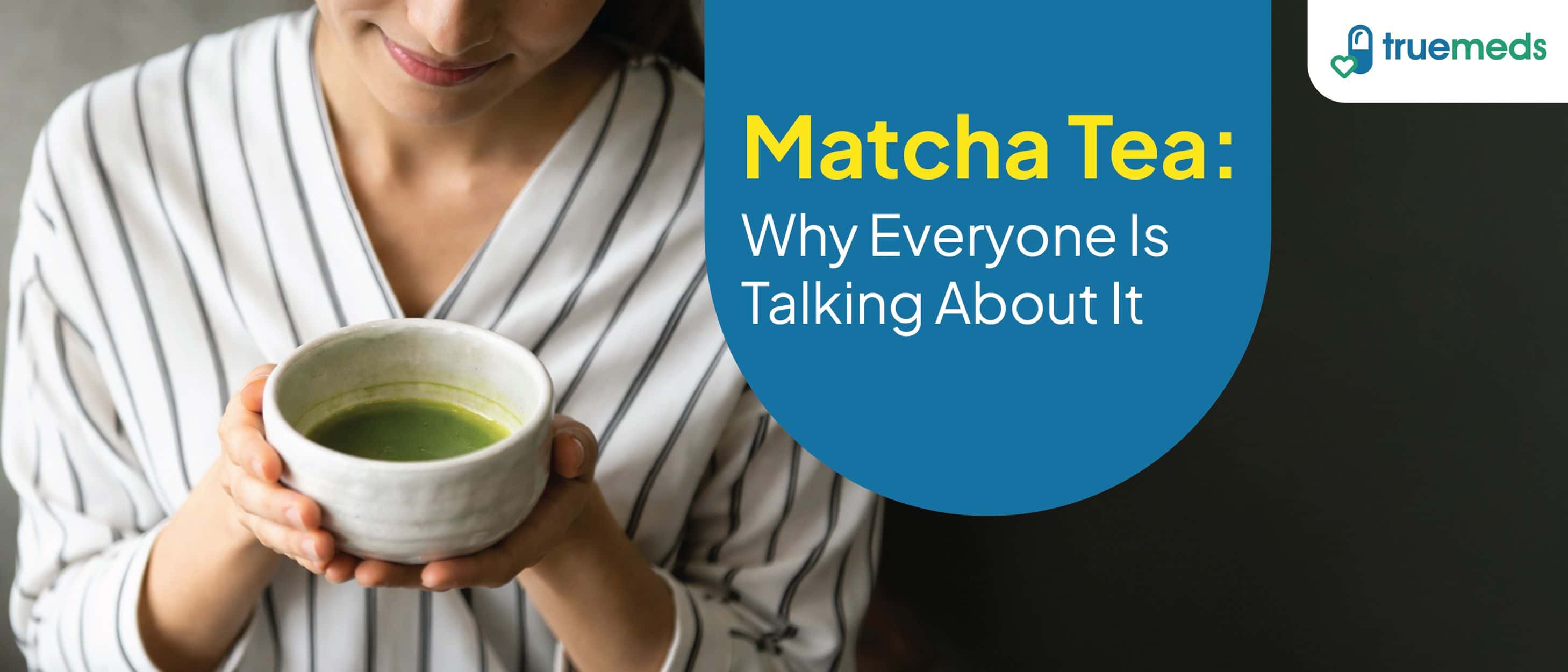
Matcha tea, a finely ground green tea powder with ancient roots in Japanese tea ceremonies, has experienced a surge in global popularity due to its numerous health benefits. This vibrant green tea is not only visually appealing but also packs a potent nutritional punch.
As more people seek natural ways to boost their well-being, matcha has emerged as a superfood that offers a concentrated blend of antioxidants, vitamins, and amino acids. In this article, we will explore the origins, preparation, and proven health benefits of matcha tea.
What is Matcha Tea?
Matcha tea is a unique form of green tea made by grinding shade-grown tea leaves into a fine powder. Unlike regular green tea, where the leaves are steeped in hot water and then discarded, matcha involves consuming the entire leaf, providing a more concentrated dose of nutrients. The tea plants used for matcha are grown in the shade for several weeks before harvest, which boosts the levels of chlorophyll and L-theanine, an amino acid known for its calming effects[1]. The leaves are then carefully harvested, steamed, dried, and stone-ground into a fine powder.
To prepare matcha tea, the powder is whisked with hot water until it forms a smooth, frothy beverage. The result is a tea with a rich, umami flavour and a higher caffeine content than regular green tea, although still less than coffee.
Matcha Nutrition Facts
A typical serving of matcha (approximately 1–2 g of powder) provides the following. Values may vary depending on the matcha grade, growing conditions, and serving size.
Matcha vs Coffee vs Green Tea: Key Differences
Health Benefits of Matcha Tea
Matcha tea has been revered for centuries in Japan for its health-promoting properties. Here are some of the top health benefits of incorporating matcha tea into your daily routine:
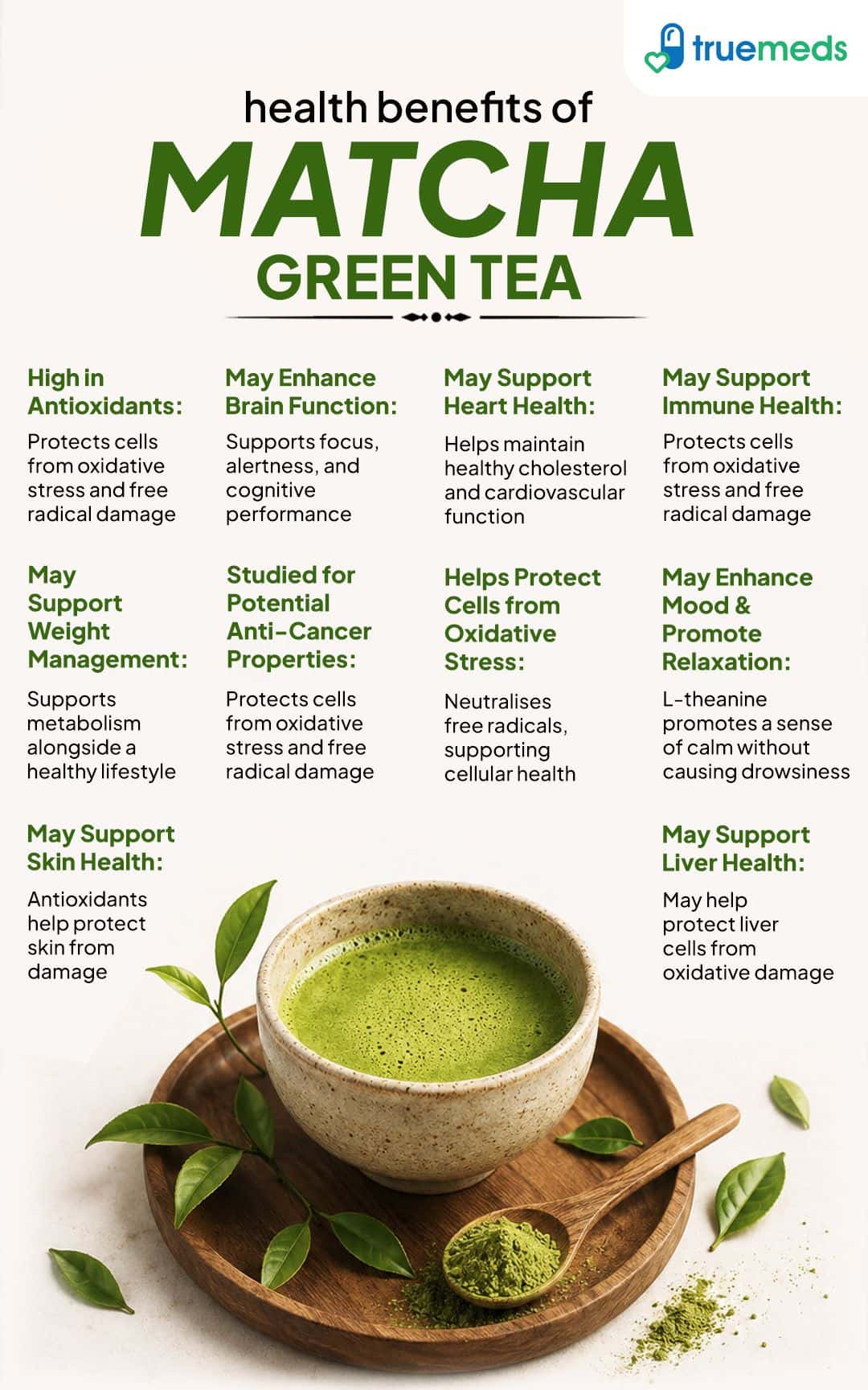
1. High in Antioxidants
One of the most remarkable aspects of matcha tea is its incredibly high antioxidant content[2].
- Matcha contains catechins, a class of antioxidants found in green tea, with epigallocatechin gallate (EGCG) being the most prominent.
- Because matcha is consumed as a powdered whole leaf, it can provide higher concentrations of catechins than some traditionally brewed green teas, although this varies depending on preparation and quality.
- Catechins are known for their antioxidant properties, which help neutralise free radicals and contribute to the body’s overall antioxidant defences.
- While oxidative stress is associated with ageing and chronic disease, the health effects of matcha consumption in humans are generally modest and should be considered part of a balanced diet rather than a standalone intervention.
Did You Know?
- Matcha green tea has an impressive antioxidant profile, making it one of the most antioxidant-rich foods.
- This impressive antioxidant boost is possible because matcha is made by grinding whole tea leaves into a fine powder, so you consume the entire leaf, not just a water extract.
2. Enhances Brain Function
Matcha tea may benefit the brain by promoting a state of relaxed alertness, thanks to its unique combination of L-theanine and caffeine[4]. These compounds may modestly enhance aspects of attention and reaction time by stimulating alpha-wave brain activity[5].
- Emerging research suggests that regular matcha green tea consumption may be associated with modest improvements in specific aspects of emotional perception and sleep quality in older adults with mild cognitive decline[4].
- However, evidence for broader cognitive benefits or effects in healthy individuals is limited, and matcha should not be viewed as a substitute for proven strategies for cognitive health.
3. Supports Heart Health
In addition to its cognitive benefits, matcha tea may support aspects of cardiovascular health[6].
- Matcha tea is rich in antioxidants, including catechins such as EGCG, which have been shown in laboratory and human studies on green tea and catechin extracts to reduce LDL oxidation and support vascular function, factors associated with cardiovascular health.
- However, direct evidence specifically for matcha in humans is limited, and any effects on LDL levels, blood vessel function, or stress markers are generally modest and variable.
By incorporating matcha green tea into a balanced diet and lifestyle, individuals may help protect their hearts and reduce their risk of cardiovascular disease.
Consult your doctor before making significant dietary changes for heart health.
4. Aids in Weight Loss
For those looking to manage their weight, matcha tea benefits may extend to supporting fat loss and boosting metabolism[7].
- The synergistic effects of caffeine and EGCG in matcha have been shown to enhance fat oxidation during exercise and at rest, making it an excellent addition to a weight loss regimen[8].
- Studies indicate that green tea catechins can increase calorie expenditure by optimising the body's metabolic rate, especially when combined with regular physical activity[7].
- Moreover, some studies on green tea catechins suggest possible modest effects on metabolic rate and fat oxidation, which may help curb cravings and promote feelings of satiety, making it easier to stick to a balanced diet and maintain a healthy weight over time[7].
By incorporating matcha into a comprehensive weight management plan, individuals may find it easier to achieve and sustain their weight loss goals.
5. Supports the Body’s Natural Detoxification Processes
Matcha tea contains relatively high levels of chlorophyll as a result of its shade-grown cultivation process[1]. Chlorophyll and other plant compounds have antioxidant properties and may contribute to cellular protection.
- Research on green tea polyphenols, including epigallocatechin gallate (EGCG), suggests they can help protect tissues from oxidative damage and support normal liver and metabolic function involved in the body’s natural processing of toxins[2].
- However, the body’s primary detoxification systems are the liver and kidneys, and matcha should be viewed as a complementary source of antioxidants rather than a direct detoxifying agent.
- Regular consumption may contribute to overall health as part of a balanced diet.
6. Supports Immune Function
Matcha tea is packed with antioxidants and vitamins that can help strengthen your immune system[1]. The high concentration of catechins, particularly EGCG, found in matcha tea has been shown to influence immune function[9]. These powerful antioxidants have been shown in laboratory studies to influence immune cell activity, including T cells and natural killer cells[10].
These catechins also protect your cells from oxidative damage, further supporting your body's natural defence mechanisms[1]. While more research is needed to fully understand the specific impact of matcha tea on the immune system, its nutrient-dense profile suggests that it can be a valuable addition to your immune-boosting arsenal.
7. Improves Skin Health
Matcha may support skin health due to its high antioxidant content[11].
- Matcha tea is rich in antioxidants called catechins, particularly EGCG, which help neutralise free radicals that contribute to oxidative stress, a factor involved in premature skin ageing.
- While matcha does not reverse ageing or dramatically change skin appearance, regular consumption may support skin health by helping protect skin cells from environmental damage and mild inflammation.
- Some studies on green tea extracts suggest modest improvements in skin elasticity, hydration, and overall skin resilience, though evidence specific to matcha is still limited.
- The anti-inflammatory properties of matcha’s catechins may also help calm redness and support acne-prone or sensitive skin as part of a broader skincare approach.
- However, matcha should be viewed as a supportive ingredient, not a medical treatment. It cannot replace sunscreen, prescription therapies, or dermatologist-recommended care for conditions like acne or rosacea.
When used alongside proven skincare basics, matcha can be a beneficial addition to a balanced, skin-healthy lifestyle.
8. Enhances Mood and Relaxation
- Matcha tea contains L-theanine, an amino acid found naturally in tea leaves that has been associated with relaxation and reduced stress in human studies.
- L-theanine is thought to influence brain activity and promote a calm, alert state without causing drowsiness[4].
- When combined with the moderate caffeine content of matcha, this interaction may support attention and mental focus while helping to minimise feelings of jitteriness commonly associated with caffeine intake.
- While individual responses vary, matcha may contribute to a sense of calm alertness as part of a balanced diet and healthy lifestyle.
9. Studied for Potential Anti-Cancer Properties
Matcha benefits may extend beyond its mood-enhancing effects, as research suggests it has been studied for its potential role in cancer-related biological mechanisms [12].
- The high concentration of antioxidants in matcha tea, particularly catechins like EGCG, has been shown to possess anti-cancer properties in laboratory and animal studies [12].
- However, these findings have not been conclusively confirmed in humans, and matcha consumption alone should not be viewed as a proven strategy for cancer prevention or treatment.
- EGCG may help prevent cancer initiation, development, and advancement through multiple molecular mechanisms[12].
While more comprehensive human studies are needed to confirm these effects, the potential of matcha green tea in supporting the body's defences against cancer is promising.
This information is not intended to diagnose or treat cancer. Always consult your oncologist for cancer-related concerns.
10. Improves Liver Health
Among the many matcha tea benefits, its potential to improve liver health is an area of emerging research[14].
- Studies indicate that green tea consumption is associated with decreased risk of various liver diseases, including hepatocellular carcinoma and fatty liver disease. The potent antioxidants found in matcha, particularly EGCG, may help protect the liver from damage.
- While more studies are needed to confirm these effects, the preliminary findings suggest that incorporating matcha green tea into your diet could be a natural way to support liver function.
- As the body's primary detoxification organ, maintaining a healthy liver is crucial for overall well-being. By harnessing the antioxidant power of matcha, you may be taking a proactive step in promoting liver health and reducing your risk of liver-related issues.
Conclusion
Matcha tea offers a wide array of health benefits that make it a valuable addition to any wellness routine. From enhancing mood and promoting relaxation to potentially preventing cancer and supporting liver health, the unique properties of matcha green tea set it apart from other beverages. Rich in antioxidants and the calming amino acid L-theanine, matcha provides a holistic approach to well-being, addressing both physical and mental health.
By incorporating matcha into your daily life, you can experience the energising yet calming effects of this remarkable tea whilst reaping its numerous health benefits. Embrace the power of matcha and discover how this ancient Japanese tradition can be a valuable addition to a balanced, health-conscious lifestyle.
FAQs
What is matcha tea?
Matcha tea is a finely ground powder made from specially grown and processed green tea leaves, known for its vibrant green colour and unique flavour profile.
How is matcha different from regular green tea?
Unlike regular green tea, where the leaves are steeped in water, matcha green tea is made by whisking the powdered leaves into water, resulting in a more concentrated beverage.
How much matcha should I consume daily?
There is no standard recommended dose for matcha. However, ½ to 1 teaspoon (about 1–2 g) per day is generally considered safe for most adults and may provide antioxidant benefits. Higher amounts may increase caffeine-related side effects in sensitive individuals. Matcha should be viewed as a supportive dietary addition, not a treatment.
Can matcha help with weight loss?
Although some studies suggest that the caffeine and antioxidants in matcha tea may boost metabolism, more research is needed to confirm its direct impact on weight loss.
Are there any side effects of drinking matcha tea?
Matcha tea is generally well-tolerated, but due to its caffeine content, excessive consumption may lead to side effects such as jitteriness, insomnia, or digestive discomfort in sensitive individuals.
Medical Disclaimer
This article is for informational purposes only and does not constitute medical advice. The information provided should not be used for diagnosing or treating health conditions. Always consult a qualified healthcare provider for diagnosis, treatment, and personalised medical advice. Do not disregard professional medical advice or delay seeking it because of information found in this article. If you have a medical emergency, contact your doctor or emergency services immediately.
References
Kochman, J., Jakubczyk, K., Antoniewicz, J., Mruk, H., & Janda, K. (2020). Health Benefits and Chemical Composition of Matcha Green Tea: A Review. Molecules, 26(1), 85. https://pmc.ncbi.nlm.nih.gov/articles/PMC7796401/
Xu, Y., Zhang, M., Wu, T., Dai, S., Xu, J., & Zhou, Z. (2022). The therapeutic potential of matcha tea: A critical review on human and animal studies. Frontiers in Nutrition, 9, 1017. https://pmc.ncbi.nlm.nih.gov/articles/PMC9792400/
Weiss, D. J., & Anderton, C. R. (2003). Determination of catechins in matcha green tea by micellar electrokinetic chromatography. Journal of Chromatography A, 1011(1-2), 173-180. https://pubmed.ncbi.nlm.nih.gov/14518774/
Uchida, M., Ito, H., Maruyama, I., Oki, T., Nakano, D., & Taira, H. (2024). Effect of matcha green tea on cognitive functions and sleep quality in older adults with cognitive decline: A randomized controlled study over 12 months. PLOS ONE, 19(8), e0307626. https://pubmed.ncbi.nlm.nih.gov/39213264/