

- Medicines
- Personal Care
- Skin Cream
- Sunscreen
- Face Wash
- Skin and Body Soap
- Acne Care
- Body Lotions
- Moisturising Lotion
- Moisturising Cream
- Mosquito Repellent
- Moisturising Gel
- Body Wash
- Hair Oils
- Hair Shampoo
- Hair Conditioners
- Hair Supplements
- Hair Colour
- Hair Serum
- Hair Mask
- Hair Solutions
- Baby Diapers and Wipes
- Baby Lotion and Moisturising Cream
- Baby Bath Essentials
- Baby Skin Care
- Baby and Infant Food
- Baby Healthcare
- Women Multivitamins
- Ovulation Test Kit and Women Intimate Care
- Sanitary Pads
- Nutritional Drinks
- Condoms
- Lubricants
- Massage Gels
- Personal Body Massagers
- Men Performance Booster
- Sexual Health Supplements
- Massage Oils
- Ayurveda
- Tooth Paste
- Mouth Ulcer Gel
- Mouthwash
- Toothache and Gum Pain
- Tooth Brush
- Gargle Solution
- Orthopaedic Supports
- Adult Diapers
- Footwear
- Mobility and Support Accessories
- Urinary Support and Care
- Health Conditions
- Bone and Joint Care
- Digestive Care
- Eye Care
- Pain Relief
- Smoking Cessation
- Liver Care
- Stomach Care
- Cold and Cough
- Heart Care
- Kidney Care
- Piles, Fissures & Fistula
- Respiratory Care
- Mental Wellness
- Derma Care
- Pre and Probiotics
- Acidity
- Gas
- Constipation
- Loose Motion/Diarrhoea
- Digestive Fibres
- Digestive Enzymes
- Eye Lubricant Drops
- Lens Solution
- Safety Eye Wear
- Eye Cream
- Eye Vitamins and Supplements
- Eye Drops
- Eye Ointment and Gel
- Nicotine Patch
- Nicotine Gum
- Nicotine Lozenges
- Cough Syrups
- Chest Rubs and Balms
- Nasal Spray
- Lozenges
- Inhalant Capsules
- Cold and Cough Tablets
- Vitamins & Supplements
- Diabetes Care
- Healthcare Devices
- Homeopathic Medicine
- Health Guide
Itchy Skin (Pruritus)
Itchy skin, also known as pruritus, is a common and irritating sensation that provokes an urge to scratch the affected area. It can occur anywhere on the body and may be caused by various factors, including skin disorders, systemic diseases, and certain medications (European Guidelines on Chronic Pruritus, 2025). Identifying the underlying cause is crucial for effective treatment and relief from the discomfort associated with itchy skin.
 50
50Last updated on : 27 Apr, 2026
Read time : 14 mins
Overview of Disease
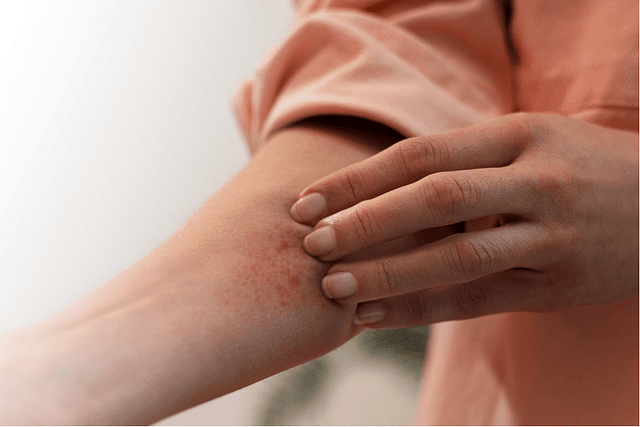
Itchy skin is an irritating sensation that makes you want to scratch. It can disrupt daily life and affect well-being. While it may seem like a minor issue, it can range from mild to severe and may indicate underlying health problems. The sensation is caused by interactions between the skin's nerves and the brain, influenced by factors like skin conditions, internal health issues, or environmental triggers. Proper evaluation is essential to treat both the symptoms and the cause effectively.
What is Itchy Skin?
Itchy skin occurs when nerve endings in the skin send an itch signal to the brain, prompting the urge to scratch. This sensation can be caused by a wide range of factors, including skin disorders like dry skin, atopic dermatitis (eczema), and allergic contact dermatitis; systemic disorders such as liver or kidney disease; nervous system disorders like multiple sclerosis; psychological disorders such as anxiety or depression; and certain medications, particularly opioids and some antibiotics. Understanding the underlying cause of itchy skin is essential for determining the most appropriate treatment approach.
Key Factors about Itchy Skin (Pruritus)
| Category | Details |
| Also Referred to as | Pruritus |
| Commonly Occurs In | Any area of the body, including the scalp, arms, legs, or the whole body |
| Affected Organ | Skin |
| Type | Cutaneous itch, neurogenic itch, neuropathic itch, and psychogenic itch can also be categorised as acute or chronic |
| Common Signs | Itching sensation, redness, bumps, spots, blisters, dry skin, cracked skin, leathery patches, scaly patches |
| Consulting Specialist | Dermatologist, Internist (for underlying conditions) |
| Managed By | General treatment (moisturisers, cooling agents), topical treatment (corticosteroids, topical calcineurin inhibitors like tacrolimus, capsaicin), and systemic treatment (antihistamines, immunosuppressants, biologics for refractory cases). |
Types of Itchy Skin (Pruritus)
There are several types of itchy skin, each with its own set of characteristics and potential causes:
1. Cutaneous Itch
Also referred to as pruriceptive itch, this type arises from skin inflammation or damage. Common dermatological conditions associated with cutaneous itch include:
- Xerosis (dry skin)
- Atopic dermatitis (eczema)
- Psoriasis
- Contact dermatitis
- Scabies
- Urticaria (hives)
Cutaneous itch is often a direct response to irritants or allergens affecting the skin surface, leading to sensations that provoke scratching.
2. Neurogenic Itch
Neurogenic itch originates centrally in the nervous system without evidence of neuronal damage. Conditions that may lead to neurogenic itch include:
- Cholestasis (bile flow obstruction)
- Kidney failure
- Liver disease
- Blood disorders
This type of itch can occur independently of skin conditions and is often linked to systemic issues.
3. Neuropathic Itch
Caused by nerve damage, this type of itching is associated with conditions like multiple sclerosis, shingles, or pinched nerves. It is more complex to manage and may require neuropathic pain agents (European Guidelines on Chronic Pruritus, 2025).
4. Psychogenic Itch
In some cases, itching may occur without a clear physical cause and may be related to psychiatric conditions such as obsessive-compulsive disorder, anxiety, or depression.
Early Signs of Disease
The early signs of itchy skin can vary depending on the underlying cause. Some common signs to look out for include:
- Dry, itchy skin
- Scratch marks on the affected area
- Thick, leathery patches of skin (lichenification)
- Localised pain at the site of the itchy skin
- Itching accompanied by additional symptoms such as rash, swollen skin, or other skin conditions like eczema or psoriasis
Symptoms of Itchy Skin (Pruritus)
Itchy skin can range from being a mild annoyance to a more severe and persistent discomfort. It may affect small, localised areas of the body, such as the scalp, arm, or leg, or it can spread to involve larger regions or even the entire body.
- Red, inflamed skin
- Spots, blisters, or rashes
- Scratch marks or signs of excessive scratching
- Cracked, broken, or bleeding skin
- Scaly or leathery patches
- Discoloured skin, such as postinflammatory hyperpigmentation (darkening) or hypopigmentation (lightening), which may result from chronic scratching (European Guidelines on Chronic Pruritus, 2025).
- Pain, burning, or tingling sensations in the affected area
Causes of Itchy Skin (Pruritus)
Itchy skin can result from various factors, ranging from common skin conditions to internal diseases. The most common itchy skin causes include:
- Dry Skin: Dry skin is a leading cause of itchy skin, particularly in dry weather or with ageing. When the skin lacks moisture, it can become irritated and itchy.
- Skin Conditions: Eczema (atopic dermatitis), psoriasis, and contact dermatitis are common skin conditions that cause itching. These conditions can be triggered by various factors, such as stress, allergens, or irritants.
- Allergic Reactions: Allergies to substances like latex, certain foods, or metals (e.g., nickel) can cause itchy skin. When the immune system reacts to these allergens, it can lead to inflammation and itching.
- Insect Bites and Parasites: Bites from mosquitoes, bedbugs, mites, and lice can cause localised itching and discomfort. In some cases, these bites can also lead to secondary infections.
- Infections: Fungal infections, including ringworm and athlete's foot, as well as bacterial infections, can cause itchy skin.
- Internal Diseases: Certain internal diseases, such as liver disease (e.g., cirrhosis, hepatitis C), kidney disease, and blood disorders, can cause generalised itching. In these cases, the itching may be a symptom of an underlying systemic condition.
- Pregnancy: Hormonal changes and stretching skin during pregnancy can lead to itching, particularly in the abdominal area.
- Nerve Disorders: Itchy skin can result from nerve-related issues like neuropathy, often caused by conditions such as diabetes, shingles, or multiple sclerosis. These disorders damage or irritate the nerves, leading to itching sensations even without visible skin changes.
- Psychiatric Conditions: Mental health conditions like anxiety, depression, or obsessive-compulsive disorder (OCD) can trigger itching due to heightened psychological stress or compulsive skin-picking behaviours. This is known as a psychogenic itch and may not have an underlying physical cause.
Risk Factors
Several factors can increase your risk of developing itchy skin, including:
- Age: Older adults are more prone to dry skin and itchy skin due to decreased skin moisture and changes in skin structure.
- Environmental Conditions: Dry weather, hot showers, and harsh soaps can contribute to dry and itchy skin by stripping away the skin's natural oils.
- Pre-existing Skin Conditions: If you have a history of eczema, psoriasis, or other skin conditions, you are more likely to experience itchy skin flare-ups.
- Allergies: People with allergies, such as hay fever or food allergies, are at a higher risk of developing itchy skin due to allergic reactions.
Complications
Itchy skin can lead to several complications, particularly if the itching is severe and persistent. Some of these complications include:
- Skin Infections: Breaking the skin through scratching can allow bacteria to enter, leading to infections that manifest as redness, swelling, and pus. In severe cases, this can progress to more serious conditions like cellulitis or abscesses.
- Scarring and Pigmentation Changes: Continuous scratching can result in permanent scars and alterations in skin colour, such as postinflammatory hyperpigmentation (darkening) or hypopigmentation (lightening).
- Secondary Skin Conditions: Chronic scratching can cause secondary skin conditions like neurodermatitis (lichen simplex chronicus), resulting in thick, leathery skin and further itching.
- Poor Quality of Life: Intense itching can also significantly impact the quality of life, disrupting sleep, sexual function, and overall well-being. It can lead to psychological distress and anxiety.
Prevention of Itchy Skin (Pruritus)
Preventing itchy skin involves several key measures:
- Drink plenty of water to keep your skin hydrated, as dehydration can lead to dry, itchy skin.
- Apply moisturiser after bathing or showering while your skin is still damp to lock in moisture. Use mild soaps or non-soap cleansers to avoid stripping the skin of its natural oils.
- Steer clear of products containing allergens like nickel, fragrances, or certain chemicals found in cosmetics and laundry products.
- Take quick, cool showers to avoid stripping your skin of its natural oils.
- Use humidifiers in dry weather to maintain your skin's moisture.
- Wear loose, breathable clothing made from natural fibres like cotton to reduce irritation.
- Manage stress through relaxation techniques, as stress can exacerbate itching.
- Maintain a balanced diet rich in vitamins and nutrients to support healthy skin.
By incorporating these preventive measures into your daily routine, you can reduce the likelihood of developing itchy skin. If you experience persistent or severe itching, consult your doctor for appropriate evaluation and management.
Diagnosis & Tests
Diagnosing itchy skin involves a comprehensive approach to identifying the underlying cause. The process begins with a detailed medical history to determine if the itching is related to an underlying condition such as kidney disease, liver disease, or thyroid problems. A thorough physical examination is then conducted to identify any rashes, lesions, or other skin abnormalities, including signs of eczema, psoriasis, or contact dermatitis.
If an allergic reaction is suspected as one of the causes of itchy skin, allergy testing may be performed to pinpoint the specific allergen responsible. This can involve skin prick tests, patch tests, or blood tests for specific antibodies. In some cases, additional tests like blood work or imaging studies may be necessary to rule out systemic diseases that can cause pruritus.
By accurately diagnosing the underlying cause of itchy skin, doctors can develop targeted treatment plans. These may include topical treatments, oral medications, or supportive measures such as oatmeal baths or aloe vera gel. The key is to work closely with a doctor to determine the most appropriate course of action based on the specific cause of your itchy skin.
Treatment & Management
1. General Care
The treatment for itchy skin primarily involves addressing the underlying cause of the itch. If home remedies fail to provide relief, your doctor may suggest prescription medications or other medical treatments to alleviate your symptoms. Managing itchy skin can be a complex process, and in some cases, it may require long-term care and ongoing therapy to effectively control the discomfort. Here are some pointers to help provide relief from pruritus:
- Moisturise regularly using hypoallergenic and fragrance-free creams or ointments, especially after bathing. Thicker formulations are more effective for dry, itchy skin than lotions.
- Apply cool compresses or ice packs to the affected area to soothe itching and reduce inflammation.
- Take lukewarm baths and, for severe cases, soak in plain lukewarm water for 20 minutes before applying medicated creams or ointments.
- Avoid irritants such as certain soaps, chemicals, and fabrics like wool that can trigger allergic reactions and exacerbate itchy skin.
2. Topical treatments
Topical treatments can also provide relief from itchy skin:
- Applying corticosteroid creams like hydrocortisone can help reduce inflammation and itching. Occlusion with damp cotton material may enhance absorption, but should be used cautiously to avoid skin atrophy according to American Academy of Dermatology (2025).
- For soothing irritated skin, calamine lotion can provide a cooling effect and relieve discomfort. Additionally, pramoxine-containing creams can act as topical anaesthetics, reducing itching and pain.
- If the itching is caused by a fungal infection, terbinafine cream can help by eliminating fungal overgrowth, which may contribute to persistent skin irritation.
3. Oral Medications for Itchy Skin
Antihistamines such as cetirizine and hydroxyzine are commonly recommended to control itching, particularly in cases of allergic reactions, eczema, or urticaria. These medications can also be useful in improving sleep quality if itching becomes disruptive at night.
For individuals with chronic itching, additional treatments such as phototherapy (light therapy) may be considered. This approach exposes the skin to specific wavelengths of ultraviolet (UV) light, which can help reduce inflammation and alleviate symptoms in conditions like eczema and psoriasis.
4. Natural remedies for itchy skin
Natural remedies for itchy skin can also help alleviate certain symptoms:
- Oatmeal baths or applying colloidal oatmeal directly to the affected area can provide relief.
- Using a humidifier can prevent dry air from exacerbating itchy skin.
- Engaging in stress-reducing activities like counselling can help manage stress-related pruritus.
Incorporating these treatment and management strategies can help effectively manage itchy skin and improve overall quality of life.
Living with Disease
Living with itchy skin can be challenging, but there are several strategies you can adopt to manage the condition and minimise its impact on your daily life:
- Identify and Avoid Triggers: Keep track of factors that seem to worsen your itchy skin, such as certain foods, fabrics, or environmental allergens, and take steps to avoid them.
- Maintain a Consistent Skincare Routine: Regularly moisturise your skin, especially after bathing or showering, to prevent dryness and itching. Use gentle, fragrance-free products suitable for sensitive skin.
- Wear Breathable, Soft Fabrics: Choose loose-fitting clothing made from natural, breathable materials like cotton or silk to minimise irritation and allow your skin to breathe.
- Manage Stress: Stress can exacerbate itchy skin conditions, so engage in stress-reducing activities such as meditation, deep breathing exercises, or yoga to promote relaxation.
- Maintain a Healthy Lifestyle: Eat a balanced diet rich in fruits, vegetables, and omega-3 fatty acids to support skin health. Stay hydrated by drinking plenty of water, and get regular exercise to improve circulation and overall well-being.
- Use Humidifiers: If you live in a dry climate or use air conditioning frequently, consider using a humidifier to add moisture to the air and prevent skin dryness.
- Avoid Extreme Temperatures: Exposure to hot water, excessive sun, or cold, dry air can worsen itchy skin. Use lukewarm water for bathing and protect your skin from extreme weather conditions.
- Practice Healthy Habits: Keep your fingernails short to prevent damage from scratching, and consider wearing gloves at night to avoid unconscious scratching while sleeping.
When to See a Doctor?
While many cases of itchy skin can be managed with self-care measures and over-the-counter treatments, there are instances when it's essential to consult a doctor:
- Persistent or Severe Itching: If your itchy skin persists for more than two weeks or is severe enough to disrupt your daily activities or sleep, it's important to seek medical advice.
- Signs of Infection: If you notice symptoms such as redness, swelling, warmth, or oozing from the affected area, or if you develop a fever, consult a doctor promptly, as these may indicate a skin infection.
- Widespread Rash: If your itchy skin is accompanied by a widespread rash that covers a significant portion of your body, it's crucial to have it evaluated by a doctor.
- Suspected Underlying Condition: If you suspect that your itchy skin may be a symptom of an underlying health condition, such as liver disease, kidney disease, or a thyroid disorder, consult your doctor for proper diagnosis and treatment.
- Impaired Quality of Life: If your itchy skin significantly affects your quality of life, causing distress, anxiety, or interfering with your daily activities, it's important to seek medical help to develop an effective treatment plan.
Key Takeaways
- Itchy skin is characterised by an unpleasant sensation that triggers the desire to scratch the affected area, which can lead to further skin irritation and discomfort.
- It can occur anywhere on the body and may be caused by various factors, including skin disorders, systemic diseases, and certain medications.
- Older adults, patients with allergies, or those with any pre-existing skin conditions like eczema or psoriasis are more at risk of developing itchy skin.
- Itchy skin can be managed with a combination of general measures, topical treatments, oral medications, and, in refractory cases, biologics or systemic immunosuppressants (Saeki et al., 2025).
- Persistent or severe itching, any signs of infection, or the presence of a widespread rash warrant a visit to a doctor.
FAQs
What is the primary cause of itchy skin?
How can I alleviate my itchy skin?
Which nutritional deficiencies can lead to itchy skin?
What is the most effective treatment for pruritus?
How can I quickly relieve itching in the genital area?
What are the common causes of general itching?
Which internal organ issues can result in itchy skin?
When experiencing liver problems, which body areas are prone to itching?
What is the most beneficial vitamin for relieving itchy skin?
References
- American Academy of Dermatology. (2025). Atopic dermatitis clinical guideline. https://www.aad.org/member/clinical-quality/guidelines/atopic-dermatitis
- Saeki, H., et al. (2025). English version of clinical practice guidelines for the management of atopic dermatitis. The Journal of Dermatology, 52(2), e70–e142. https://doi.org/10.1111/1346-8138.17544
- European Guideline on Chronic Pruritus. (2025). Journal of the European Academy of Dermatology and Venereology. https://pmc.ncbi.nlm.nih.gov/articles/PMC12529596/
- Mansouri, P., et al. (2025). Efficacy and safety of HSK21542 for pruritus management in hemodialysis patients. Frontiers in Pharmacology, 16, 1583515. https://doi.org/10.3389/fphar.2025.1583515
- MedlinePlus. (n.d). Itching (pruritus). https://medlineplus.gov/itching.html
Latest health articles

Top Health Essentials















Disclaimer
Top-Selling Medicines:
...View more
Top-OTC medicines:
...View more
Company
About UsHealth ArticleHealth StoriesHealth LibraryDiseases & Health ConditionsAyurvedaUnderstanding Generic MedicinesAll MedicinesAll BrandsNeed HelpFAQSecuritySavings CalculatorAdvertise with UsSubscribe
Registered Office Address
Grievance Officer
Download Truemeds


Contact Us
Our customer representative team is available 7 days a week from 9 am - 9 pm.
v4.28.18

2026 - Truemeds | All rights reserved. Our content is for informational purposes only. See additional information.

Our Payment Partners




