

- Medicines
- Personal Care
- Skin Cream
- Sunscreen
- Face Wash
- Skin and Body Soap
- Acne Care
- Body Lotions
- Moisturising Lotion
- Moisturising Cream
- Mosquito Repellent
- Moisturising Gel
- Body Wash
- Hair Oils
- Hair Shampoo
- Hair Conditioners
- Hair Supplements
- Hair Colour
- Hair Serum
- Hair Mask
- Hair Solutions
- Baby Diapers and Wipes
- Baby Lotion and Moisturising Cream
- Baby Bath Essentials
- Baby Skin Care
- Baby and Infant Food
- Baby Healthcare
- Women Multivitamins
- Ovulation Test Kit and Women Intimate Care
- Sanitary Pads
- Nutritional Drinks
- Condoms
- Lubricants
- Massage Gels
- Personal Body Massagers
- Men Performance Booster
- Sexual Health Supplements
- Massage Oils
- Ayurveda
- Tooth Paste
- Mouth Ulcer Gel
- Mouthwash
- Toothache and Gum Pain
- Tooth Brush
- Gargle Solution
- Orthopaedic Supports
- Adult Diapers
- Footwear
- Mobility and Support Accessories
- Urinary Support and Care
- Health Conditions
- Bone and Joint Care
- Digestive Care
- Eye Care
- Pain Relief
- Smoking Cessation
- Liver Care
- Stomach Care
- Cold and Cough
- Heart Care
- Kidney Care
- Piles, Fissures & Fistula
- Respiratory Care
- Mental Wellness
- Derma Care
- Pre and Probiotics
- Acidity
- Gas
- Constipation
- Loose Motion/Diarrhoea
- Digestive Fibres
- Digestive Enzymes
- Eye Lubricant Drops
- Lens Solution
- Safety Eye Wear
- Eye Cream
- Eye Vitamins and Supplements
- Eye Drops
- Eye Ointment and Gel
- Nicotine Patch
- Nicotine Gum
- Nicotine Lozenges
- Cough Syrups
- Chest Rubs and Balms
- Nasal Spray
- Lozenges
- Inhalant Capsules
- Cold and Cough Tablets
- Vitamins & Supplements
- Diabetes Care
- Healthcare Devices
- Homeopathic Medicine
- Health Guide
Corns
Corns are thickened, painful areas of skin that develop due to repeated friction or pressure, commonly affecting the feet and toes (Aboud et al., 2023). They can be classified into hard corns, soft corns, and seed corns, each with distinct characteristics and locations. Proper footwear and preventive measures can help alleviate the discomfort associated with corns.
 50
50Last updated on : 15 Apr, 2026
Read time : 14 mins
Overview of Disease
Corns are a common foot condition that affects millions of people worldwide. These thickened, hardened areas of skin develop as a result of repeated friction, rubbing, or pressure on the skin, particularly on the feet and toes. Corns can be painful and cause significant discomfort, especially when walking or standing for extended periods. Understanding the causes, symptoms, and available management options for corns is essential for effective treatment and prevention of this condition.
What are Corns?
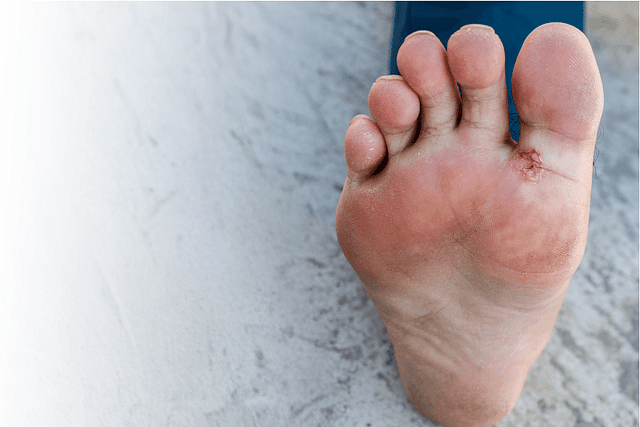
Corns are a type of callosity that forms on the skin due to repeated mechanical trauma caused by friction or pressure forces. They appear as raised, hardened bumps on the skin's surface and are often accompanied by pain and discomfort. Corns typically develop on the hands, feet, and toes, with corns on the feet being the most common. The primary cause of corns is ill-fitting shoes that exert excessive pressure on certain areas of the foot, leading to the thickening of the skin as a protective mechanism.
Key Factors about Corns
| Category | Details |
| Also Referred as | Hard corns, soft corns, heloma durum, heloma molle |
| Commonly Occurs In | Tops and sides of the toes, between the toes |
| Affected Organ | Skin, particularly on the feet and toes |
| Type | Hard corns, soft corns, seed corns |
| Common Signs | Hardened bumps, white, grey, or yellow colour, tenderness or pain under the skin |
| Consulting Specialist | Podiatrist, dermatologist |
| Managed By | Topical keratolytic medications such as salicylic acid, urea, or hydrocolloid dressings |
Types of Corns
Corns can be classified into three main types based on their location and characteristics:
- Hard Corns: Hard corns are the most common type and appear as small, round, and hard patches of skin with a central core. They typically develop on the top or sides of the toes and can be extremely painful when pressed.
- Soft Corns: Soft corns are reddened, tender areas of skin with a thin, smooth centre. They usually form between the toes, where the skin remains moist due to sweat or inadequate drying. Soft corns can be particularly painful and may cause discomfort while walking.
- Seed Corns: Seed corns (heloma milliare) present as multiple small keratotic plugs within plantar calluses, typically in non–weight-bearing areas of the sole; their precise pathogenesis is not well established (Aboud et al., 2023).
Symptoms of Corns
Corn symptoms can vary from person to person, but they generally include the following:
Pain or tenderness when pressure is applied to the affected area
A small, round, raised bump of hardened skin with a central core
Dry, flaky skin surrounding the corn
Redness and swelling around the corn, especially in the case of soft corn between the toes
Hard corns typically develop on the tops of the toes or the outside of the little toe, while soft corns tend to form between the toes. Both types of corn can cause discomfort and pain, particularly when wearing tight-fitting shoes. If left untreated, corns may lead to more serious foot problems.
Stages of Corns
Corns can be broadly categorised into three stages. These stages include:
Initial Stage: In the early stages of corn development, the skin responds to repeated friction or pressure by thickening. This thickening is the body's natural defence mechanism to protect the underlying tissues from further damage.
Advanced Stage: As the corn progresses, it becomes more prominent and painful. The hardened, thickened skin may cause significant discomfort while walking or standing, affecting daily activities and quality of life.
Complicated Stage: In some cases, corns may become infected, leading to the discharge of pus or fluid. This stage requires immediate medical attention to prevent further complications and promote proper healing.
Causes of Corns
Corns primarily develop due to repeated friction and pressure on the skin. Some of the main corn causes include:
- Wearing Ill-fitting Shoes: Tight shoes or high heels that squeeze the toes can lead to the formation of corns.
- Friction from Bare Feet: Walking or running without socks can cause friction between the toes or on the tops of the toes, resulting in corns.
- Genetic Factors: Certain types of corns, such as keratosis punctata, may have a genetic component and can appear on non-weight-bearing areas of the foot.
- Prolonged Standing or Walking: Spending long hours on your feet, especially on hard surfaces, can increase pressure on certain areas of the foot, leading to the development of corns over time.
- Toe Deformities: Conditions like hammertoes or bunions can cause abnormal pressure and rubbing of the toes against footwear, contributing to corn formation.
- Improper Walking Gait: An irregular walking pattern or foot structure can create uneven pressure on specific parts of the feet, increasing the likelihood of developing corns.
- Using Hand Tools or Sports Equipment: Repeated use of tools, sports equipment, or instruments that press against the skin of the hands can lead to corns forming in these areas.
- Wearing Shoes Without Socks: Frequent wearing of shoes without socks can create excessive friction between the shoe material and the skin, leading to corns on the toes or feet.
- Thin or Soft Soles: Shoes with thin or soft soles that provide little protection can increase pressure on the feet, making them prone to corns in areas that bear more weight.
- Previous Foot Injuries: Old injuries, scars, or surgeries on the feet can alter foot mechanics and create pressure points, making certain areas more prone to corns.
- Excessive Sweating: Excessive sweating (hyperhidrosis) can soften the skin, making it more susceptible to irritation and corn formation when exposed to friction.
Risk Factors
Several factors can increase your likelihood of developing corns:
Wearing shoes that cause increased pressure or friction on the feet, such as tight-fitting shoes or high heels
Having foot deformities like hammertoe or bunions (hallux valgus)
Genetic predisposition to certain types of corns
Poor foot care habits that lead to increased friction and pressure on the skin
Recognising the risk factors associated with corns can also help you take proactive steps to avoid developing these painful skin growths.
Complications
Corns and calluses, while generally not serious, can lead to several complications, especially in certain individuals. Some of these complications are listed below:
- Ulcer Formation: Ulceration and infection can occur if the corn or callus becomes irritated or if proper care is not taken. This can be particularly problematic for individuals with diabetes or poor blood flow to the feet (Aboud et al., 2023).
- Fungal Infections: Another potential complication includes tinea pedis, a fungal infection of the foot that can occur in the moist environment between the toes, where soft corns often form.
- Secondary Infections: In rare cases, untreated infections related to corns or calluses can lead to deep infections such as osteomyelitis or, very rarely, septic arthritis.
- Surgical Complications: If surgical interventions are necessary, complications from surgical repair, such as joint and toe stiffness, digital swelling, numbness, infection, and deformity recurrence, may arise.
Although ulceration, osteomyelitis, and septic arthritis are listed complications, these are uncommon and usually occur only when a corn becomes secondarily infected or when protective sensation and perfusion are impaired (Aboud et al., 2023).
Prevention of Corns
Corns prevention involves several strategies aimed at reducing friction and pressure on the feet and hands:
- Wear properly fitting shoes with enough room for your toes and that do not cause friction or pressure on specific areas of the feet PCDS (2021). Avoid tight shoes and high heels.
- Use protective pads, such as doughnut-shaped corn pads or moleskin, to protect the area where friction occurs.
- Keep toenails trimmed to avoid additional pressure on the toes.
- Always wear socks with shoes to reduce friction. For activities involving hand tools, wear padded gloves to protect the hands.
- Regularly moisturise your feet (and hands if affected) to keep the skin hydrated and less prone to thickening.
- Avoid walking barefoot or wearing poorly fitting sandals, as this can increase friction on the feet.
By implementing these preventive measures, you can significantly reduce your risk of developing corns and calluses. If you already have corns or calluses, these strategies can help prevent them from worsening or recurring.
Diagnosis & Tests
Diagnosing corns and calluses typically involves a straightforward process:
- Visual Examination: A doctor will diagnose corns and calluses by examining the skin. Usually, no additional tests are required (Aboud et al., 2023).
- Physical Examination Techniques: The provider may ask questions about your activities, footwear, and how you care for your feet. They may also observe how you walk to assess posture and gait, which can contribute to the development of corns and calluses.
Treatment & Management
Treating corns involves addressing the underlying causes of friction and pressure to promote healing and prevent recurrence. Simple self-care measures like wearing well-fitted shoes and using protective pads can alleviate discomfort.
If corns persist, become painful, or interfere with daily activities despite self-care, professional medical treatments can offer effective relief and long-term solutions.
1. Self-Care Measures
The following corn home remedies can be implemented at home to manage corns:
- Soak the Corn or Callus: Soaking the affected area in warm water for about 5 to 10 minutes can help soften the skin, making it easier to remove the dead skin, according to PCDS (2021).
- Use a Pumice Stone or Foot File: After soaking, gently remove the dead skin using a pumice stone or foot file. Be careful not to remove too much skin to avoid bleeding and infection.
- Apply Moisturising Lotion or Cream: Using a moisturising lotion or cream containing salicylic acid, ammonium lactate, or urea can help soften the hard corns and calluses.
- Use Padding: Protect the corn or callus from further irritation by applying doughnut-shaped adhesive pads or moleskin. For soft corns between the toes, use lamb's wool or foam toe spacers.
2. Medical Treatments for Corns
Managing corns often requires medical treatments beyond natural remedies. Below are key approaches that incorporate medications for effective relief:
1. Professional Paring
- A doctor may trim the corn by shaving off the dead layers of skin with a scalpel (Aboud et al., 2023).
- Patients with diabetes, peripheral neuropathy, or poor circulation should have this procedure performed only by a podiatrist or other qualified clinician to avoid injury or infection. Warning signs that require urgent medical attention include redness, warmth, swelling, or discharge from the affected area.
- This procedure should not be attempted at home, particularly for individuals with poor circulation, diabetes, or nerve damage.
2. Topical Keratolytic Medications
- Salicylic acid (12.6% to 40%) helps break down thickened skin and soften corns.
- Urea (20% to 50%) acts as a keratolytic agent, aiding in exfoliation and moisture retention.
- Silver nitrate may be applied to reduce corn size by cauterising excess tissue.
- These treatments should be avoided in patients with peripheral neuropathies to prevent complications.
3. Orthotics and Footwear Modifications
- Wearing proper footwear with a roomy toe box helps reduce friction and pressure.
- Orthotics, padding, and soft cushions can provide added protection and prevent corns from worsening, according to PCDS (2021).
- Avoid tight shoes, high heels, or footwear that increases pressure on affected areas.
- Medical intervention, combined with proper footwear and self-care, can effectively manage and prevent corns from recurring.
Medical intervention, combined with proper footwear and self-care, can effectively manage and prevent corns from recurring.
3. Advanced Treatments
Advanced treatments for corns include:
- Surgery: In cases where conservative measures fail, especially for non-reducible hammertoes or other deformities, surgical correction may be necessary to address the underlying cause of the corns.
- Ablative Laser Therapy: As an alternative to paring with a scalpel for foot corn treatment, ablative laser therapy can be used to remove the corns. However, it may not prevent recurrence if the underlying cause is not addressed (Nanette et al., 2023).
By combining these treatment options and addressing the underlying causes, most people can effectively manage their corns and get pain relief.
Living with Disease
Living with corns can be uncomfortable and painful, but adopting certain preventive measures can help manage the condition and reduce the likelihood of developing new corns. Here are some tips for living with corns:
Wear Proper Footwear: Choose shoes that fit well, have a low heel, and a soft sole. Avoid high heels and tight, pointy shoes that can put excessive pressure on certain areas of the foot.
Use Socks and Insoles: Wear thick, cushioned socks to provide extra padding and protection for your feet. Use soft insoles to help distribute pressure evenly across the foot and reduce friction.
Keep Feet Moisturised: Regularly apply a moisturising lotion or cream to keep the skin on your feet soft and supple, which can help prevent the formation of corns and calluses.
Trim Toenails Properly: Cut your toenails straight across and not too short to avoid putting additional pressure on your toes, which can lead to the development of corns.
Inspect Your Feet Regularly: Check your feet daily for any signs of corns, calluses, or other skin abnormalities. Early detection and treatment can help prevent the condition from worsening.
When to See a Doctor?
While most corns can be managed with self-care measures and over-the-counter treatments, there are certain situations where it is essential to seek professional medical advice. Consider seeing a doctor if:
Your corns are extremely painful or inflamed, making it difficult to walk or perform daily activities.
You have diabetes, peripheral neuropathy, or poor circulation in your feet, as corns can lead to more serious complications in these cases.
The corn appears infected, with signs such as redness, warmth, swelling, or discharge.
You have tried self-care measures and over-the-counter treatments for several weeks without any improvement in your condition.
The corn keeps recurring despite your efforts to prevent it.
Key Takeaways
Corns are thickened, painful areas of skin that develop due to repeated friction or pressure, commonly affecting the feet and toes.
The primary cause of corns is ill-fitting shoes that exert excessive pressure on certain areas of the foot, leading to the thickening of the skin as a protective mechanism.
Corns and calluses, if not managed timely, can lead to several complications, including ulcer formation, fungal infections, and secondary infections like septic arthritis and osteomyelitis.
Proper footwear and preventive measures can help alleviate the discomfort associated with corns.
FAQs
What are some effective ways to get rid of corns?
Corns can be removed through home treatments like soaking, filing, and using corn pads or by seeking professional help from a podiatrist.
What is the primary reason for the development of corns?
Repeated pressure and friction on the skin, often due to ill-fitting shoes or certain foot deformities, are the main causes of corns.
What is the medical term for corns?
The medical term for corn is clavus, heloma, or focal intractable plantar hyperkeratosis.
What factors contribute to the growth of corns?
Corns grow due to repeated pressure and friction from tight shoes, extended periods of standing or walking, foot deformities, and repetitive skin friction.
Can corns resolve without treatment?
Yes, corns can go away naturally if the source of pressure and friction is removed, such as by wearing properly fitting shoes.
What is the most effective treatment for corn removal?
The best remedy for corns removal often involves a combination of home treatments like soaking, filing, and using medicated creams, along with professional intervention if needed.
Are there any nutritional deficiencies linked to the formation of corns?
While there is no direct link between vitamin deficiencies and corns, maintaining overall foot health through a balanced diet is important.
What preventive measures can be taken to avoid the development of corns?
To prevent corns, wear well-fitting shoes, use protective pads, keep feet moisturised, and address any underlying foot deformities or gait issues.
How long do corns typically last?
The duration of corns depends on the underlying cause and treatment. With proper care and removal of the causative factors, corns usually resolve within a few weeks to a month.
References
- Antończak, P. P., Hartman-Petrycka, M., Garncarczyk, A., Adamczyk, K., Wcisło-Dziadecka, D., & Błońska-Fajfrowska, B. (2023). The Effect of Callus and Corns Removal Treatments on Foot Geometry Parameters, Foot Pressure, and Foot Pain Reduction in Women. Applied Sciences, 13(7), 4319. https://doi.org/10.3390/app13074319
- Corns (Clavus) Treatment & Management: Medical Care, Surgical Care, Consultations. (2023). EMedicine. https://emedicine.medscape.com/article/1089807-treatment?form=fpf
- How to treat corns and calluses. (n.d.). Www.aad.org. https://www.aad.org/public/everyday-care/injured-skin/burns/treat-corns-calluses
- Society, P. C. D. (n.d.). Corns and callosities (syn. calluses). Primary Care Dermatology Society. https://www.pcds.org.uk/clinical-guidance/callosities-and-corns
- Al Aboud, A. M., & Badri, T. (2023). Corns. PubMed; StatPearls Publishing. https://www.ncbi.nlm.nih.gov/books/NBK470374/
Latest health articles

Top Health Essentials














Disclaimer
Top-Selling Medicines:
...View more
Top-OTC medicines:
...View more
Company
About UsHealth ArticleHealth StoriesHealth LibraryDiseases & Health ConditionsAyurvedaUnderstanding Generic MedicinesAll MedicinesAll BrandsNeed HelpFAQSecuritySavings CalculatorAdvertise with UsSubscribe
Registered Office Address
Grievance Officer
Download Truemeds


Contact Us
Our customer representative team is available 7 days a week from 9 am - 9 pm.
v4.28.13

2026 - Truemeds | All rights reserved. Our content is for informational purposes only. See additional information.

Our Payment Partners




