

- Medicines
- Personal Care
- Skin Cream
- Sunscreen
- Face Wash
- Skin and Body Soap
- Acne Care
- Body Lotions
- Moisturising Lotion
- Moisturising Cream
- Mosquito Repellent
- Moisturising Gel
- Body Wash
- Hair Oils
- Hair Shampoo
- Hair Conditioners
- Hair Supplements
- Hair Colour
- Hair Serum
- Hair Mask
- Hair Solutions
- Baby Diapers and Wipes
- Baby Lotion and Moisturising Cream
- Baby Bath Essentials
- Baby Skin Care
- Baby and Infant Food
- Baby Healthcare
- Women Multivitamins
- Ovulation Test Kit and Women Intimate Care
- Sanitary Pads
- Nutritional Drinks
- Condoms
- Lubricants
- Massage Gels
- Personal Body Massagers
- Men Performance Booster
- Sexual Health Supplements
- Massage Oils
- Ayurveda
- Tooth Paste
- Mouth Ulcer Gel
- Mouthwash
- Toothache and Gum Pain
- Tooth Brush
- Gargle Solution
- Orthopaedic Supports
- Adult Diapers
- Footwear
- Mobility and Support Accessories
- Urinary Support and Care
- Health Conditions
- Bone and Joint Care
- Digestive Care
- Eye Care
- Pain Relief
- Smoking Cessation
- Liver Care
- Stomach Care
- Cold and Cough
- Heart Care
- Kidney Care
- Piles, Fissures & Fistula
- Respiratory Care
- Mental Wellness
- Derma Care
- Pre and Probiotics
- Acidity
- Gas
- Constipation
- Loose Motion/Diarrhoea
- Digestive Fibres
- Digestive Enzymes
- Eye Lubricant Drops
- Lens Solution
- Safety Eye Wear
- Eye Cream
- Eye Vitamins and Supplements
- Eye Drops
- Eye Ointment and Gel
- Nicotine Patch
- Nicotine Gum
- Nicotine Lozenges
- Cough Syrups
- Chest Rubs and Balms
- Nasal Spray
- Lozenges
- Inhalant Capsules
- Cold and Cough Tablets
- Vitamins & Supplements
- Diabetes Care
- Healthcare Devices
- Homeopathic Medicine
- Health Guide
Migraine
Migraine is a common neurobiological disorder characterised by recurrent attacks of moderate-to-severe headache often accompanied by nausea, vomiting, photophobia, and phonophobia, sometimes transient neurologic symptoms (aura). Modern pathophysiologic models emphasise cortical spreading depression (a mechanism for aura) and activation of the trigeminovascular system with subsequent release of neuropeptides (including CGRP), rather than a simple “blood-vessel activation” explanation. Attacks typically last 4–72 hours if untreated and are disabling for many people (American Headache Society, 2021).
 50
50Last updated on : 22 Apr, 2026
Read time : 14 mins
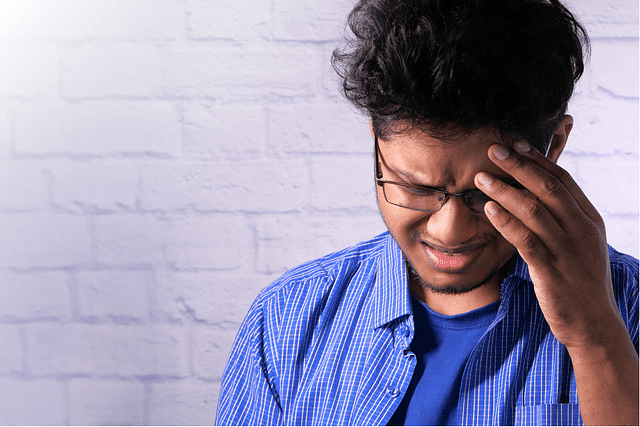
Overview of Migraine Disease
Migraine is a complex and debilitating condition that affects individuals of all ages, with a higher prevalence among women. The recurrent episodes of severe headaches can significantly impact a person's quality of life, leading to missed workdays, reduced productivity, and strained relationships. Understanding the causes, triggers, and available treatments for migraines is crucial in managing this neurological disorder effectively.
What is a Migraine?
According to ICHD-3, migraine is a primary headache disorder defined by recurring attacks of headache lasting 4–72 hours (untreated or unsuccessfully treated) with at least two of: unilateral location, pulsating quality, moderate or severe intensity, and aggravation by routine physical activity. Attacks are accompanied by nausea and/or vomiting and/or photophobia and phonophobia. Aura, when present, consists of transient focal neurologic symptoms that typically develop over ≥5 minutes and last 5–60 minutes (visual aura is most common). The ICHD-3 criteria are used for formal diagnosis.
Key Factors about Migraine
| Category | Details |
| Also Referred as | Migraine (primary headache disorder), Migraine without aura (common migraine), Migraine with aura (classic migraine) |
| Commonly Occurs in | Women more than men; often begins in early adulthood |
| Affected Organ(s) | Brain, blood vessels, and meninges |
| Type |
|
| Common Signs | Throbbing or pulsating headache on one side of the head, nausea, vomiting, increased sensitivity to light, noise, and odours, and aura symptoms |
| Consulting Specialist | Neurologist, primary care physician |
| Treatment Procedures | Painkillers, anti-emetics, triptans, hormonal treatments, lifestyle modifications, hospitalisation, transcranial magnetic stimulation |
| Managed By |
|
| Diagnosis | Clinical diagnosis based on International Headache Society (ICHD-3) criteria; a full neurologic examination is required |
| Prevalence | Prevalence estimates vary by region and methodology. Global prevalence of migraine is roughly 10–15% of the population; country-level estimates may differ. In India, community studies report prevalence estimates in a wide range; cite local epidemiologic studies when quoting a specific figure. |
| Prevention | Identifying and avoiding triggers, keeping a migraine journal, lifestyle modifications, and preventive medications |
| Home Remedies / First Aid | Rest |
| Mimicking Condition | Tension headaches, cluster headaches, sinus headaches, and temporal arteritis |
Types of Migraine
Migraines can be broadly classified into two main categories: migraine with aura and migraine without aura.
1. Migraine with Aura
Migraine with aura is characterised by visual disturbances and other neurological symptoms that appear 5 to 60 minutes before the onset of the headache. These auras may include flashing lights, zigzag patterns, blind spots, numbness, tingling, and sensory disturbances.
2. Migraine without Aura
Migraine without aura is the more common form, where the headache pain occurs without any warning signs. The pain is usually felt on one side of the head and is accompanied by symptoms such as nausea, blurred vision, mood changes, fatigue, and increased sensitivity to light, sound, or odours.
3. Chronic Migraine
Chronic migraine is a type of migraine headache that occurs on 15 or more days per month for at least three months, with at least eight of those days being associated with a migraine. The intensity and duration of the headaches can vary, and individuals may experience a combination of other symptoms such as nausea, light sensitivity, and visual disturbances. Chronic migraines can significantly impact a person’s quality of life and often require long-term management strategies.
4. Migraine with Brainstem Aura (previously “basilar-type migraine”)
Migraine with brainstem aura is characterised by aura symptoms originating in the brainstem (e.g., vertigo, diplopia, dysarthria, ataxia) without motor weakness. The International Headache Society recommends the term “migraine with brainstem aura” rather than “basilar migraine.” These attacks require careful evaluation to exclude posterior circulation transient ischaemic attack (TIA) and other causes.
5. Status Migrainosus
Status migrainosus is a prolonged and severe migraine attack that lasts for more than 72 hours despite treatment. This type of migraine can be extremely debilitating and may require hospitalisation for proper management. In addition to the intense headache, individuals with status migrainosus may experience persistent nausea, vomiting, and light sensitivity. It can significantly impact daily life and may require stronger medications or treatments to alleviate the pain and symptoms.
Other types of migraine include:
- Menstrual Migraine: Linked to the menstrual cycle, usually occurring from 2 days before to 3 days after menstruation.
- Silent Migraine (migraine aura without headache): Characterised by aura symptoms without a headache, often accompanied by nausea and other migraine features.
- Hemiplegic Migraine: A rare and severe form that causes temporary weakness or paralysis on one side of the body, often accompanied by sensory symptoms, and problems with vision, speech, and coordination.
- Abdominal Migraine: Primarily affects children, characterised by moderate to severe abdominal pain, often accompanied by nausea and vomiting.
- Retinal Migraine: Characterised by attacks of visual loss or disturbances in one eye, often accompanied by migraine headaches.
Recognising the various types of migraines is essential for accurate diagnosis and tailored treatment plans. By understanding the specific symptoms and triggers associated with each type, individuals can better manage their condition and work with healthcare professionals to find the most effective migraine therapies.
Symptoms of Migraine
The symptoms experienced during a migraine can vary widely among individuals, but there are some common signs and symptoms associated with each phase:
1. Prodrome Symptoms
- Mood changes (e.g., irritability or euphoria)
- Food cravings
- Neck stiffness
- Increased thirst and urination
- Frequent yawning
- Constipation or diarrhoea
2. Aura Symptoms
- Visual disturbances (e.g., zigzag patterns or blind spots)
- Sensory issues (pins and needles or numbness)
- Speech or language difficulties
3. Attack Symptoms
- Throbbing or pulsating head pain (often on one side)
- Sensitivity to light and sound
- Nausea and vomiting
- Blurred vision
- Lightheadedness
4. Postdrome Symptoms
- Feeling drained or fatigued
- Difficulty concentrating
- Elation or mood changes
- Body aches and dizziness
Knowing these various migraine symptoms can aid in accurate diagnosis and finding the most effective treatments and therapies to manage the condition.
Stages of Migraine
Migraines typically progress through four distinct phases, each with its own set of symptoms. Understanding these phases can help in managing and treating migraines more effectively.
- Prodrome phase: This early warning stage occurs one or two days before the migraine, with symptoms such as constipation, low mood, drowsiness, food cravings, and irritability.
- Aura phase: Aura symptoms typically develop over ≥5 minutes (often gradually), and each aura symptom lasts 5–60 minutes; the headache usually follows within 60 minutes, but may begin sooner or later. Refer to ICHD-3 for precise diagnostic criteria.
- Attack phase: Characterised by throbbing, pulsing head pain on one side of the head lasting 4–72 hours, along with sensitivity to light, sound, and sometimes smell and touch, as well as nausea and vomiting.
- Postdrome phase: After the migraine attack, individuals may feel drained, confused, and washed out for up to a day, with some reporting feeling elated. Sudden head movements might briefly trigger pain again.
Causes of Migraine
The exact cause of migraines is not fully understood, but it is believed to involve a combination of changes in the nervous system and blood vessels in the brain. Some common triggers for migraine headaches include:
- Genetics, as migraines tend to run in families
- Hormonal changes, particularly in women during menstrual cycles, pregnancy, and menopause
- Emotional triggers, such as stress, anxiety, depression, and excitement
- Environmental factors, including weather changes, bright or flickering lights, strong smells, and loud noises
- Dietary triggers, such as alcohol, caffeine, chocolate, aged cheeses, and additives like MSG and aspartame
- Sleep disturbances, including too much or too little sleep, and jet lag
- Physical exertion and changes in physical activity levels
- Neurochemical Contributors: Multiple neurotransmitters and neuropeptides (including serotonin, CGRP, and glutamate) modulate neuronal excitability and trigeminovascular signalling in migraine. The pathophysiology is complex and multifactorial—avoid attributing migraine to a single “serotonin imbalance.”
- Medication Overuse: According to ICHD-3, frequent, regular use of acute headache medications (e.g., simple analgesics on ≥15 days/month, combination analgesics, triptans, ergots, or opioids on ≥10 days/month, depending on the medicine) can lead to medication-overuse headache (MOH) and transformation to chronic daily headache. Prevention includes limiting acute medication frequency, using preventive therapies when appropriate, and supervised withdrawal for MOH.
Other Triggers and Contributing Factors
- Dehydration: Inadequate fluid intake can lead to dehydration, a well-known trigger for migraines, as it affects blood volume and brain function.
- Sensory Overload: Extended exposure to high sensory input, such as prolonged screen time or exposure to high-decibel sounds, can overstimulate the nervous system and trigger a migraine.
- Underlying Medical Conditions: Conditions like hypertension, sleep apnoea, or temporomandibular joint (TMJ) disorders can act as secondary triggers or exacerbate migraine symptoms.
- Immune System Reactions: Inflammatory responses to infections or autoimmune conditions can lead to migraines, as inflammation affects the brain's blood vessels and nerves.
- Altitude Changes: Sudden shifts in altitude, such as during air travel or mountain climbing, can disrupt oxygen levels and trigger migraines in sensitive individuals.
Risk Factors
Migraine is a complex neurological disorder influenced by various risk factors, including genetic, hormonal, lifestyle, and environmental factors. Understanding these risk factors can help individuals take steps to manage and prevent migraine headaches.
- Genetic predisposition: Having a family history of migraine significantly increases the likelihood of developing the condition, with up to a 50% risk if a first-degree relative (parent or sibling) has migraine.
- Hormonal fluctuations: Particularly fluctuations in estrogen levels during menstrual periods, pregnancy, and menopause can trigger migraine attacks.
- Age and gender: Women are about three times more likely to experience migraines than men, and the condition typically begins during adolescence and peaks in the 30s.
- Lifestyle factors (smoking, caffeine, sleep disorders): Lifestyle factors such as smoking, excess caffeine intake, weight changes, and sleep disorders are associated with an increased risk of migraine.
- Underlying health conditions (depression, hypertension, head trauma): Certain underlying health conditions, including depression, hypertension, head trauma, and epilepsy, can also increase the likelihood of developing migraines.
- Environmental triggers (light, noise, smells, weather changes): Environmental factors like bright lights, loud noises, strong smells, and changes in weather or barometric pressure can trigger migraine attacks.
- Certain foods and substances: Foods such as aged cheeses, processed foods, aspartame, and MSG can trigger migraines. Skipping meals can also trigger an attack.
Complications
Migraines are not just debilitating headaches; they can lead to several complications that significantly impact various aspects of an individual's life.
- Economic and social impact (work, school, relationships): The economic and social impact of migraines can be substantial, affecting work and school activities, family relationships, and financial stability. The economic burden includes direct costs such as healthcare expenses and indirect costs like lost productivity.
- Mental health issues (depression, anxiety): Migraines can also lead to mental health issues, including depression and anxiety, which can further exacerbate the condition.
- Medication-overuse headaches: In some cases, chronic migraines can result in medication-overuse headaches, where the frequent use of pain relief medications paradoxically worsens headache frequency and intensity.
- Rare complications (migrainous infarction, persistent aura, vertigo): Rare but serious complications include migrainous infarction (migraine-related stroke), persistent aura without infarction, and migraine-associated vertigo.
Prevention of Migraine
Migraine prevention aims to reduce the frequency, severity, and duration of migraine attacks. Preventive strategies can be both pharmacological and non-pharmacological.
- Medications: Preventive medicines include beta-blockers (propranolol, metoprolol), antidepressants (amitriptyline, venlafaxine), anti-seizure medicines (topiramate, valproate), and CGRP monoclonal antibodies (erenumab, fremanezumab, galcanezumab).
- Lifestyle modifications: Maintaining a regular sleep schedule, eating regular meals, staying hydrated, exercising regularly, and managing stress can help prevent migraines.
- Trigger management: Identifying and avoiding migraine triggers such as certain foods, bright lights, loud noises, strong smells, and hormonal changes can be beneficial.
- Evidence-based prevention and adjuncts: Established preventive medicines beta-blockers (propranolol, metoprolol), topiramate, valproate (use caution in women of childbearing potential), amitriptyline, onabotulinumtoxinA (for chronic migraine), and CGRP monoclonal antibodies (American Headache Society, 2021). Supplements with evidence include riboflavin, magnesium, and coenzyme Q10 for some patients. Neuromodulation devices (single-pulse transcranial magnetic stimulation, noninvasive vagus nerve stimulation, supraorbital nerve stimulators) have variable levels of evidence; consider when standard therapies are unsuitable or as add-on treatments.
Diagnosis & Tests
Diagnosing migraine involves a comprehensive evaluation by a healthcare professional, typically a neurologist or headache specialist.
- Medical history and symptom evaluation: The diagnostic process begins with a thorough medical history, including a detailed description of headache symptoms, frequency, duration, triggers, and family history.
- Physical and neurological examination: A physical and neurological examination is performed to rule out other potential causes of headaches.
- International Classification of Headache Disorders (ICHD) criteria: ICHD-3 provides standardised criteria for diagnosing migraine. Key ICHD-3 criteria for migraine without aura: At least five attacks fulfilling the following criteria:
- Headache lasting 4–72 hours
- At least two of the following: unilateral location, pulsating quality, moderate or severe intensity, or aggravation by (or causing avoidance of) routine physical activity
- During a headache, at least one of the following: nausea and/or vomiting, or photophobia and phonophobia
- Imaging tests (MRI, CT) if needed: Imaging is not routinely required but may be ordered to exclude secondary causes when red flag symptoms are present.
- Headache diary: Keeping a headache diary can help identify patterns and triggers, aiding in diagnosis and treatment planning.
Treatment & Management
1. Acute Treatment
Acute treatments aim to reduce or stop migraine symptoms once an attack begins. Common options include:
- Analgesics: Medications like paracetamol (acetaminophen) and aspirin help relieve mild to moderate migraine pain.
- NSAIDs: Medicines such as naproxen, diclofenac, and mefenamic acid are effective in reducing inflammation and migraine-related pain.
- Selective 5-HT Agonists (Triptans): Prescription medications like sumatriptan, rizatriptan, naratriptan, and zolmitriptan work by blocking pain pathways in the brain. These are available in pill, injection, or nasal spray forms.
- Ergot Alkaloids: Medications such as ergotamine and dihydroergotamine are used for migraines that last longer and are resistant to other treatments.
- Antiemetics: Medicines like metoclopramide, domperidone, prochlorperazine, and promethazine help alleviate nausea and improve gastric motility during migraine attacks.
2. Adjunctive Therapies
Additional strategies can help manage associated migraine symptoms:
- Antiemetics are useful in controlling nausea and vomiting, which often accompany migraines.
- Resting in a quiet, dark room can minimise sensory triggers that worsen migraine symptoms.
- Hydration is essential to prevent dehydration, which can exacerbate migraines.
- Caffeine in small amounts may enhance the pain-relieving effects of certain medications and reduce early-stage migraine discomfort.
When to See a Doctor?
It is important to consult a doctor if you experience frequent, severe, or disabling migraines that significantly impact your quality of life. Seek immediate medical attention if you have a sudden severe “thunderclap” headache, new focal neurologic deficits, acute confusion, fever with neck stiffness (possible meningitis), a new severe headache after age 50, a progressively worsening or changing headache pattern, or a first or “worst-ever” headache. Also seek urgent evaluation for aura lasting more than 60 minutes or symptoms suggestive of stroke. Neuroimaging (MRI/CT) and urgent specialist review may be required.
Key Takeaways
- Migraine management involves a combination of acute treatments to stop a migraine once it starts and preventive strategies to reduce the frequency and severity of attacks.
- Acute treatments include NSAIDs, triptans, antiemetics, ergots, CGRP antagonists, and neuromodulation devices.
- Preventing migraines involves lifestyle modifications and pharmacological prophylaxis, including beta-blockers, antidepressants, anticonvulsants, and CGRP monoclonal antibodies.
- Non-pharmacological approaches, such as relaxation techniques, biofeedback, and cognitive-behavioural therapy, can also be beneficial in preventing migraines.
- Consult a doctor if you experience frequent, severe, or disabling migraines that significantly impact your quality of life or if you have any concerning symptoms.
FAQs
What are some effective ways to alleviate migraine symptoms?
What is the primary factor contributing to the onset of migraines?
How severe are migraine headaches typically considered?
Can migraines be classified as a lifestyle-related condition?
What methods can be employed to halt a migraine episode?
Are there any specific foods that can aid in migraine relief?
Is it possible to completely eliminate migraines?
References
- American Headache Society. (2021). American Headache Society consensus statement: Integrating new migraine treatments into clinical practice. American Headache Society. https://pubmed.ncbi.nlm.nih.gov/34160823/
- International Headache Society. (n.d). The International Classification of Headache Disorders (3rd ed.). https://ichd-3.org/
- Puledda, F., et al. (2023). Network meta-analysis of gepants, lasmiditan, and triptans for acute migraine treatment. Cephalalgia. 2023. https://doi.org/10.1177/03331024231151419
- Alsaadi, T., et al. (2023). Consensus-based recommendations on the use of CGRP pathway monoclonal antibodies for migraine prevention. Journal of Headache and Pain. 2023. https://www.ncbi.nlm.nih.gov/pmc/articles/PMC10630270/
- Nicol, K. S., et al. (2024). Review: An update on CGRP monoclonal antibodies for migraine prevention. Current Pain and Headache Reports. 2024/2025. https://pmc.ncbi.nlm.nih.gov/articles/PMC11861264/
Check Related Salts
Browse Other Conditions
Latest health articles

Top Health Essentials














Disclaimer
Top-Selling Medicines:
...View more
Top-OTC medicines:
...View more
Company
About UsHealth ArticleHealth StoriesHealth LibraryDiseases & Health ConditionsAyurvedaUnderstanding Generic MedicinesAll MedicinesAll BrandsNeed HelpFAQSecuritySavings CalculatorAdvertise with UsSubscribe
Registered Office Address
Grievance Officer
Download Truemeds


Contact Us
Our customer representative team is available 7 days a week from 9 am - 9 pm.
v4.28.13

2026 - Truemeds | All rights reserved. Our content is for informational purposes only. See additional information.

Our Payment Partners




