

- Medicines
- Personal Care
- Skin Cream
- Sunscreen
- Face Wash
- Skin and Body Soap
- Acne Care
- Body Lotions
- Moisturising Lotion
- Moisturising Cream
- Mosquito Repellent
- Moisturising Gel
- Body Wash
- Hair Oils
- Hair Shampoo
- Hair Conditioners
- Hair Supplements
- Hair Colour
- Hair Serum
- Hair Mask
- Hair Solutions
- Baby Diapers and Wipes
- Baby Lotion and Moisturising Cream
- Baby Bath Essentials
- Baby Skin Care
- Baby and Infant Food
- Baby Healthcare
- Women Multivitamins
- Ovulation Test Kit and Women Intimate Care
- Sanitary Pads
- Nutritional Drinks
- Condoms
- Lubricants
- Massage Gels
- Personal Body Massagers
- Men Performance Booster
- Sexual Health Supplements
- Massage Oils
- Ayurveda
- Tooth Paste
- Mouth Ulcer Gel
- Mouthwash
- Toothache and Gum Pain
- Tooth Brush
- Gargle Solution
- Orthopaedic Supports
- Adult Diapers
- Footwear
- Mobility and Support Accessories
- Urinary Support and Care
- Health Conditions
- Bone and Joint Care
- Digestive Care
- Eye Care
- Pain Relief
- Smoking Cessation
- Liver Care
- Stomach Care
- Cold and Cough
- Heart Care
- Kidney Care
- Piles, Fissures & Fistula
- Respiratory Care
- Mental Wellness
- Derma Care
- Pre and Probiotics
- Acidity
- Gas
- Constipation
- Loose Motion/Diarrhoea
- Digestive Fibres
- Digestive Enzymes
- Eye Lubricant Drops
- Lens Solution
- Safety Eye Wear
- Eye Cream
- Eye Vitamins and Supplements
- Eye Drops
- Eye Ointment and Gel
- Nicotine Patch
- Nicotine Gum
- Nicotine Lozenges
- Cough Syrups
- Chest Rubs and Balms
- Nasal Spray
- Lozenges
- Inhalant Capsules
- Cold and Cough Tablets
- Vitamins & Supplements
- Diabetes Care
- Healthcare Devices
- Homeopathic Medicine
- Health Guide
Myasthenia Gravis
Myasthenia gravis (MG) is an autoimmune disorder of the neuromuscular junction that causes fluctuating skeletal muscle weakness and fatigability. It most commonly affects ocular, bulbar (facial and swallowing), limb and respiratory muscles; weakness typically worsens with use and improves with rest. The condition is mediated by circulating autoantibodies that impair neuromuscular transmission (most frequently antibodies against the acetylcholine receptor, and less commonly MuSK or other specific antigens) (Narayanaswami et al., 2021)
 50
50Last updated on : 21 Apr, 2026
Read time : 14 mins
Overview of Disease
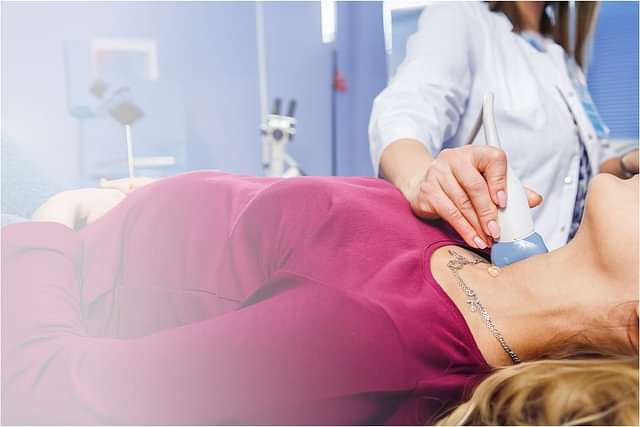
Myasthenia gravis (MG) is a complex autoimmune condition that affects the communication between nerves and muscles, leading to muscle weakness and fatigue. It occurs when the body's immune system mistakenly attacks the neuromuscular junctions, disrupting the transmission of signals from nerves to muscles. This article aims to provide a comprehensive overview of MG, including its causes, symptoms, stages, types, diagnosis, and treatment options.
What is Myasthenia Gravis?
Myasthenia gravis is a long-term autoimmune disorder that targets the neuromuscular junction, causing varying degrees of skeletal muscle weakness. The disorder is usually mediated by pathogenic autoantibodies that reduce functional acetylcholine receptor (AChR) density and/or disrupt postsynaptic signalling at the neuromuscular junction. Other antibodies, including anti-MuSK (muscle-specific kinase) and anti-LRP4, are found in subsets of patients and are associated with different clinical patterns and treatment responses. A minority of patients are seronegative on routine testing but may have antibodies detectable on specialised assays (Vinciguerra et al., 2023). As a result, the communication between nerves and muscles is impaired, leading to muscle weakness and fatigue that typically worsens with activity and improves with rest. The severity and distribution of muscle weakness can vary among individuals with myasthenia gravis.
Key Factors about Myasthenia Gravis
| Category | Details |
| Also Referred as | MG, Ocular Myasthenia Gravis, Generalised Myasthenia Gravis, Transient Neonatal Myasthenia Gravis |
| Commonly Occurs In | MG has two broad peaks: an early-onset peak more common in women (often <40 years) and a later-onset peak more common in men (often >50–60 years). Incidence and age distribution can vary by antibody status and geography. |
| Affected Organ | Muscles, nervous system, thymus gland |
| Type | Autoimmune, neuromuscular disorder |
| Common Signs | Muscle weakness, fatigue, visual disturbances, drooping eyelids, double vision, difficulty swallowing, breathing difficulties, shortness of breath |
| Consulting Specialist | Neurologist |
| Treatment Procedures | Immunosuppressive therapy, symptomatic treatment (e.g., pyridostigmine), plasmapheresis, IVIG, and thymectomy (in selected patients) |
| Managed By |
|
| Mimicking Condition | Lambert–Eaton Myasthenic Syndrome (LEMS) |
Types of Myasthenia Gravis
MG is commonly subclassified by age of onset (early-onset vs late-onset), thymic pathology (thymoma-associated vs non-thymomatous), clinical distribution (ocular vs generalised), and autoantibody profile (AChR-positive, MuSK-positive, LRP4-positive, and seronegative).
“Seronegative” means negative on standard AChR and MuSK assays, but a subset of these patients have antibodies detectable by specialised tests (e.g., against LRP4) or other pathogenic mechanisms.
Different subtypes have distinct clinical features and treatment responses (e.g., MuSK-positive disease often has prominent bulbar weakness and may respond differently to rituximab).
Early Signs of Disease
The early signs of myasthenia gravis can be subtle and may vary from person to person. Some of the most common early symptoms include:
- Fluctuating ptosis or diplopia (ocular symptoms)
- Fatigable bulbar symptoms (dysarthria, dysphagia)
- Limb fatigability (e.g., difficulty climbing stairs or combing hair)
Respiratory muscle weakness (dyspnoea or orthopnoea) is a serious sign, but it is a less common initial presentation. When present, it requires urgent assessment because it can progress to myasthenic crisis.
These symptoms may fluctuate throughout the day, with weakness often worsening as the day progresses or after prolonged activity. As the condition progresses, symptoms may become more pronounced and involve additional muscle groups.
Symptoms of Myasthenia Gravis
The symptoms of myasthenia gravis can affect various muscle groups in the body. These include:
- Eye muscles: Ocular myasthenia leads to weakness in the eye muscles, causing drooping of one or both eyelids (ptosis) and blurred or double vision (diplopia).
- Face, throat, and neck muscles: Weakness may cause difficulty making facial expressions, slurred or nasal speech (dysarthria), and trouble swallowing (dysphagia). Jaw and neck muscle fatigue is also common.
- Arm and leg muscles: Weakness in the arms, hands, fingers, legs, and neck affects lifting, climbing stairs, and performing daily tasks such as brushing teeth.
- Breathing problems: Symptoms range from mild shortness of breath (dyspnoea) to severe conditions such as myasthenic crisis, where respiratory muscle weakness may require mechanical ventilation.
Severity Assessment
Clinicians commonly use the Myasthenia Gravis Foundation of America (MGFA) clinical classification (Classes I–V) to describe disease severity (Class I = ocular only; Class V = intubation required).
In addition, validated quantitative measures are used to assess symptom severity and function:
- Quantitative Myasthenia Gravis (QMG) score (objective muscle testing)
- MG Activities of Daily Living (MG-ADL) scale (patient-reported function)
These tools help monitor disease progression and response to treatment.
Stages of Myasthenia Gravis
As per the Myasthenia Gravis Foundation of America (MGFA), the stages of myasthenia gravis are as follows:
- Class I: Any ocular muscle weakness; may have weakness of eye closure. All other muscle strength is normal.
- Class II: Mild weakness affecting muscles other than ocular muscles; ocular weakness of any severity may be present.
- IIa: Predominantly limb and/or axial muscle weakness (may have lesser oropharyngeal weakness).
- IIb: Predominantly oropharyngeal (bulbar) and/or respiratory muscle weakness (may have lesser limb/axial weakness).
- Class III: Moderate weakness affecting muscles other than ocular muscles (with the same IIa/IIb subdivisions by distribution).
- Class IV: Severe weakness affecting muscles other than ocular muscles (with the same IVa/IVb subdivisions).
- Class V: Defined as intubation with or without mechanical ventilation (except when used during routine postoperative management).
Causes of Myasthenia Gravis
Myasthenia gravis is an autoimmune disorder influenced by several factors, including:
- Autoimmune disorder: Myasthenia gravis occurs when the immune system attacks acetylcholine receptors (AChR) at the neuromuscular junction, impairing nerve–muscle communication.
- Aetiology: The usual form of MG is autoimmune and antibody-mediated. Congenital myasthenic syndromes are distinct, inherited (non-autoimmune) disorders caused by genetic defects at the neuromuscular junction and should be considered separately.
- Thymus gland abnormalities: Conditions such as thymoma or thymic hyperplasia are commonly associated with MG and contribute to immune dysregulation.
- Hormonal influences: Hormonal changes (e.g., pregnancy or menopause) may influence disease onset or progression.
- Environmental triggers: Infections and stress can trigger or worsen myasthenia gravis in those predisposed, as they may provoke immune responses that affect the neuromuscular junction.
Risk Factors
Several factors can increase the risk of developing myasthenia gravis. These include:
- Age (typically 20–30 years in women and 60–70 years in men)
- Female sex (for early-onset MG)
- Family history of autoimmune diseases
- Presence of thyroid disease
- MG has associations with certain HLA haplotypes (e.g., HLA-B8, HLA-DR3), other autoimmune disorders (thyroid disease, rheumatoid arthritis, systemic lupus erythematosus), and thymic pathology. However, genetic predisposition is complex and varies by subtype and ethnicity, and these associations are not present in all patients.
- Other autoimmune disorders (e.g., rheumatoid arthritis, lupus)
- Hormonal changes (e.g., pregnancy, menopause)
- Recent infections or significant stress
Complications
Myasthenia gravis can lead to several complications that impact overall health and quality of life. These include:
- Myasthenic crisis: This is a life-threatening medical emergency that requires immediate treatment. It occurs when the muscles that control breathing become severely weakened, leading to respiratory failure.
- Long-term medication side effects: Long-term immunosuppression increases the risk of infections and specific drug-related toxicities. Azathioprine, for example, carries a small long-term risk of malignancy (including lymphoproliferative disease) and requires monitoring; calcineurin inhibitors (cyclosporine, tacrolimus) have nephrotoxicity and other adverse effects; prolonged corticosteroid use causes well-known metabolic and bone complications. Risks depend on the agent and the patient’s comorbidities.
- Cholinergic crisis: This complication occurs due to overstimulation of nicotinic and muscarinic receptors caused by excessive acetylcholine levels, leading to symptoms like cramps, lacrimation, salivation, diarrhoea, and blurred vision.
- Thyroid issues: Some people with myasthenia gravis may develop thyroid problems, such as an overactive or underactive thyroid gland, which can further complicate their condition.
- Autoimmune conditions: People with myasthenia gravis are at a higher risk of developing other autoimmune diseases, such as rheumatoid arthritis or lupus.
Prevention of Myasthenia Gravis
There is no established way to prevent autoimmune MG. Early recognition and prompt treatment can reduce complications. Avoiding known exacerbating factors (such as certain medications that can worsen neuromuscular transmission, infections, and extreme fatigue) and managing comorbid autoimmune diseases can help reduce the risk of exacerbations. Patients should be counselled on a list of medications that may exacerbate MG and should seek medical review before new drugs are started.
Diagnosis & Tests
Diagnosing myasthenia gravis involves a combination of clinical evaluation and specialised tests. These include:
- Medical history and physical: A thorough medical history and physical exam are essential to identify symptoms and rule out other conditions. Your doctor will ask about your symptoms, their severity, and when they began. They will also perform a physical examination to assess muscle strength and reflexes.
- Antibody testing: Serum testing for AChR antibodies is positive in approximately 70–85% of patients with generalised MG (lower in purely ocular MG). MuSK antibodies are present in a minority (approximately 1–10%), and other antibodies (for example, LRP4) can be identified in some seronegative patients using specialised assays. A proportion of patients remain seronegative on routine testing. Antibody results guide prognosis and treatment decisions (Vinciguerra et al., 2023).
- Edrophonium (Tensilon) test: Historically used for diagnosis, edrophonium testing is now rarely used in many centres because of limited availability and potential cardiac adverse effects (bradycardia). Current practice relies primarily on antibody testing, electrophysiologic studies (repetitive nerve stimulation and single-fibre EMG), and bedside tests (such as the ice-pack test for ptosis) for diagnosis. Use of edrophonium should only be performed where experienced personnel and resuscitation equipment are available.
- Imaging tests: In some cases, imaging tests such as CT or MRI scans may be used to check for the presence of a thymoma, which is a tumour of the thymus gland that can occur in some individuals with myasthenia gravis. Imaging tests can also help rule out other conditions that may be causing symptoms similar to myasthenia gravis.
Treatment & Management
The primary aim in treating myasthenia gravis (MG) is to enhance neuromuscular communication, reduce immune system interference, relieve muscle weakness, and prevent disease progression. Timely diagnosis and tailored therapy are crucial for achieving long-term symptom control and maintaining quality of life. Here are the recommended treatment strategies for MG.
1. Anticholinesterase Therapy
Pyridostigmine is the most widely used symptomatic medication and improves neuromuscular transmission by inhibiting acetylcholinesterase. It is usually first-line for symptom control in mild disease or as adjunctive therapy. Dosing is individualised; however, side effects (muscarinic symptoms such as abdominal cramps, diarrhoea, and increased salivation) can limit tolerability. Edrophonium is primarily a diagnostic agent where available; neostigmine may be used in some inpatient settings. Anticholinesterases do not treat the underlying autoimmunity.
2. Immunosuppressive Approach
Common steroid-sparing agents include azathioprine and mycophenolate mofetil (widely used), and tacrolimus is used in some regions. Cyclosporine is effective but limited by nephrotoxicity and other adverse effects. Methotrexate has limited evidence. Rituximab (anti-CD20) is increasingly used for MuSK-positive disease and for refractory AChR-positive cases. Treatment choice is individualised based on clinical severity, antibody status, and comorbidities. These agents may take weeks to months to achieve full effect; therefore, bridging with corticosteroids or rapid therapies is common.
3. Corticosteroid Management
Corticosteroids (usually oral prednisone/prednisolone) are frequently used for moderate to severe disease and produce improvement within weeks in many patients. High-dose pulse IV methylprednisolone is used in some acute exacerbations. Because steroids have multiple adverse effects with long-term use, clinicians often introduce steroid-sparing immunosuppressants early to permit tapering. Patients should be monitored for steroid-related complications and treated accordingly.
4. Rapid immunomodulation: IVIG and plasma exchange
Plasma exchange (plasmapheresis) and intravenous immunoglobulin (IVIG) provide relatively rapid clinical improvement and are used for myasthenic crisis, severe exacerbations, and as short-term perioperative therapy (e.g., before thymectomy) or while awaiting slower-acting immunosuppressants to take effect. The choice between IVIG and plasma exchange depends on availability, vascular access, and comorbidities. Effects are temporary, and repeated courses may be needed (Narayanaswami et al., 2021).
5. Potassium Channel Modulation
Lambert-Eaton myasthenic syndrome (LEMS) versus MG: Amifampridine (3,4-diaminopyridine) is a potassium-channel modulator approved for Lambert-Eaton myasthenic syndrome (LEMS); it increases presynaptic acetylcholine release and is an effective therapy for LEMS. It is not a standard therapy for autoimmune myasthenia gravis (AChR- or MuSK-mediated MG). References to potassium-channel blockers as typical MG therapy should be removed or clearly labelled as relating to LEMS rather than autoimmune MG.
6. Targeted biologic therapies
For refractory AChR-antibody-positive generalised MG, targeted therapies have become available: eculizumab (a C5 complement inhibitor) and ravulizumab (longer-acting C5 inhibitor) are approved for adult AChR-positive generalised MG in selected patients. Neonatal Fc receptor (FcRn) blocking agents (for example, efgartigimod and rozanolixizumab) are also approved to reduce pathogenic IgG levels and improve symptoms in adult AChR-positive patients. These agents are typically reserved for patients with refractory disease or those who fail or are intolerant of standard therapies; patient selection follows regulatory indications and expert consensus (FDA review, 2023).
When to See a Doctor?
Seek urgent care if you develop rapidly worsening bulbar symptoms (inability to swallow or clear secretions), new or increasing shortness of breath, orthopnoea, or signs of respiratory compromise (reduced peak cough flow or declining vital capacity). These can indicate an impending myasthenic crisis, which requires urgent hospital evaluation and possible respiratory support. Prompt assessment of oxygenation and bedside pulmonary function (vital capacity) is important.
Key Takeaways
- Myasthenia gravis (MG) is a chronic autoimmune disorder that causes muscle weakness and fatigue.
- Treatment for myasthenia gravis involves a combination of medications, surgical interventions, and supportive therapies.
- Medications used to manage myasthenia gravis include anticholinesterase medications, steroids, immunosuppressants, intravenous immunoglobulin, and plasmapheresis.
- There is currently no cure for autoimmune MG in the majority of patients, but many patients achieve minimal-manifestation status or good control with available therapies. New targeted agents (complement inhibitors such as eculizumab and ravulizumab for AChR-positive refractory cases, and FcRn blockers such as efgartigimod) have expanded options for selected patients; these are usually reserved for refractory disease and must be used according to approved indications and expert guidance. Thymectomy remains indicated for selected AChR-positive, non-thymomatous, generalised MG patients (especially younger adults) based on randomised trial data.
- Early detection and treatment are crucial for effectively managing myasthenia gravis and preventing complications.
- If you suspect you have myasthenia gravis or experience a worsening of symptoms, consult a doctor promptly and seek immediate medical attention for sudden breathing or swallowing difficulties.
FAQs
Can you live a full life with myasthenia gravis?
Can myasthenia gravis be cured?
What is end stage myasthenia gravis?
What foods should I avoid with myasthenia gravis?
How can I improve myasthenia gravis naturally?
What is the root cause of myasthenia gravis?
What deficiency causes myasthenia gravis?
Is massage good for myasthenia gravis?
Is myasthenia gravis a painful disease?
What are the risks of surgery with myasthenia gravis?
References
- Narayanaswami, P., Sanders, D. B., Wolfe, G., Benatar, M., Cea, G., Evoli, A., et al. (2021). International consensus guidance for management of myasthenia gravis: 2020 update. Neurology, 96(3), 114–122. https://doi.org/10.1212/WNL.0000000000011124
- Vinciguerra, C., & Bourke, R. (2023). Diagnosis and Management of Seronegative Myasthenia Gravis. Journal of Clinical Neuromuscular Disease & Practice, 2023. (Review). https://www.ncbi.nlm.nih.gov/pmc/articles/PMC10526522/
- Zhou, A., & Smith, J. (2024). Eculizumab and ravulizumab in generalised myasthenia gravis: mechanisms and clinical outcomes. Therapeutic Advances in Neurological Disorders, 2024. https://www.ncbi.nlm.nih.gov/pmc/articles/PMC11016999/
- U.S. Food and Drug Administration. (2023). Ravulizumab (Ultomiris) approval documents for generalised myasthenia gravis. https://www.accessdata.fda.gov/drugsatfda_docs/nda/2023/216834Orig1s000IntegratedR.pdf.
- Lazaridis, K., & Tzartos, S. (2020). Autoantibody specificities in myasthenia gravis. Frontiers in Immunology, 2020. https://doi.org/10.3389/fimmu.2020.00212
Check Related Salts
Latest health articles

Top Health Essentials
























Disclaimer
Top-Selling Medicines:
...View more
Top-OTC medicines:
...View more
Company
About UsHealth ArticleHealth StoriesHealth LibraryDiseases & Health ConditionsAyurvedaUnderstanding Generic MedicinesAll MedicinesAll BrandsNeed HelpFAQSecuritySavings CalculatorAdvertise with UsSubscribe
Registered Office Address
Grievance Officer
Download Truemeds


Contact Us
Our customer representative team is available 7 days a week from 9 am - 9 pm.
v4.28.13

2026 - Truemeds | All rights reserved. Our content is for informational purposes only. See additional information.

Our Payment Partners




