

- Medicines
- Personal Care
- Skin Cream
- Sunscreen
- Face Wash
- Skin and Body Soap
- Acne Care
- Body Lotions
- Moisturising Lotion
- Moisturising Cream
- Mosquito Repellent
- Moisturising Gel
- Body Wash
- Hair Oils
- Hair Shampoo
- Hair Conditioners
- Hair Supplements
- Hair Colour
- Hair Serum
- Hair Mask
- Hair Solutions
- Baby Diapers and Wipes
- Baby Lotion and Moisturising Cream
- Baby Bath Essentials
- Baby Skin Care
- Baby and Infant Food
- Baby Healthcare
- Women Multivitamins
- Ovulation Test Kit and Women Intimate Care
- Sanitary Pads
- Nutritional Drinks
- Condoms
- Lubricants
- Massage Gels
- Personal Body Massagers
- Men Performance Booster
- Sexual Health Supplements
- Massage Oils
- Ayurveda
- Tooth Paste
- Mouth Ulcer Gel
- Mouthwash
- Toothache and Gum Pain
- Tooth Brush
- Gargle Solution
- Orthopaedic Supports
- Adult Diapers
- Footwear
- Mobility and Support Accessories
- Urinary Support and Care
- Health Conditions
- Bone and Joint Care
- Digestive Care
- Eye Care
- Pain Relief
- Smoking Cessation
- Liver Care
- Stomach Care
- Cold and Cough
- Heart Care
- Kidney Care
- Piles, Fissures & Fistula
- Respiratory Care
- Mental Wellness
- Derma Care
- Pre and Probiotics
- Acidity
- Gas
- Constipation
- Loose Motion/Diarrhoea
- Digestive Fibres
- Digestive Enzymes
- Eye Lubricant Drops
- Lens Solution
- Safety Eye Wear
- Eye Cream
- Eye Vitamins and Supplements
- Eye Drops
- Eye Ointment and Gel
- Nicotine Patch
- Nicotine Gum
- Nicotine Lozenges
- Cough Syrups
- Chest Rubs and Balms
- Nasal Spray
- Lozenges
- Inhalant Capsules
- Cold and Cough Tablets
- Vitamins & Supplements
- Diabetes Care
- Healthcare Devices
- Homeopathic Medicine
- Health Guide
Hypertension (High Blood Pressure)
Hypertension, or high blood pressure, is a condition where the force of blood against the artery walls is consistently elevated. It can lead to serious health complications if left untreated, such as heart disease, stroke, and kidney disease. The condition is categorised into stages based on blood pressure readings, and there are two main types: primary and secondary hypertension.
 50
50Last updated on : 29 Apr, 2026
Read time : 13 mins
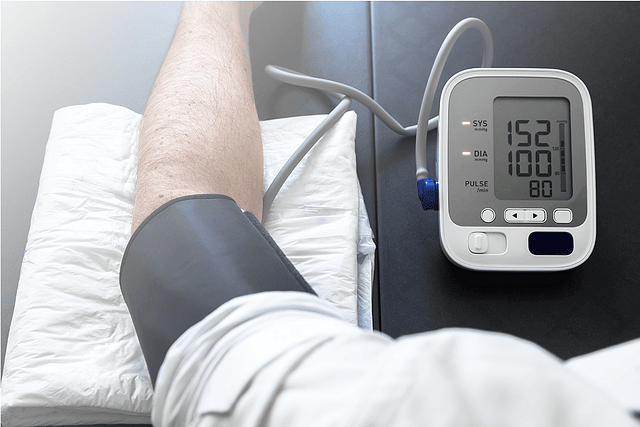
Overview of Hypertension
High blood pressure, also known as hypertension, is a prevalent health condition that affects millions of people worldwide. It occurs when the force of blood pushing against the walls of your blood vessels is consistently higher than normal. Over time, this increased pressure can cause damage to your heart, brain, kidneys, and other vital organs, leading to serious health complications if left unchecked. Understanding the causes, symptoms, and available treatment options for hypertension is crucial for effective management and prevention of this condition.
What is Hypertension (High Blood Pressure)?
High blood pressure is a condition characterised by elevated pressure within the arteries. It is determined by measuring two numbers: systolic pressure (the top number) and diastolic pressure (the bottom number). Systolic pressure represents the force exerted on the artery walls when the heart contracts, while diastolic pressure indicates the force between heartbeats when the heart is at rest.
Normal Blood Pressure by Age and Gender
Normal blood pressure for adults does not differ by gender and does not increase with age in clinical guidelines. A healthy adult's blood pressure is below 120/80 mm Hg regardless of age or gender. Higher values with age are common, but they are not considered “normal” and should not be presented as healthy ranges.
Women:
- 18-39 years: 110/68 mm Hg
- 40-59 years: 122/74 mm Hg
- 60+ years: 139/68 mm Hg (commonly observed, not normal target)
Men:
- 18-39 years: 119/70 mm Hg
- 40-59 years: 124/77 mm Hg
- 60+ years: 133/69 mm Hg (commonly observed, not normal target)
Key Factors about Hypertension
| Category | Details |
| Also Referred to as | High blood pressure |
| Commonly Occurs In | Adults, the elderly, individuals with obesity, and people with unhealthy lifestyles |
| Affected Organ | Blood vessels, heart, kidneys, and brain |
| Type | Primary hypertension, secondary hypertension |
| Common Signs | Often asymptomatic, severe cases: headaches, dizziness, chest pain, vision problems |
| Consulting Specialist | Cardiologist, general physician (primary care physician) |
| Treatment Procedures | Lifestyle modifications, antihypertensive medications |
| Managed By | Diuretics (hydrochlorothiazide and chlorthalidone), angiotensin-converting enzyme (ACE) inhibitors (enalapril), angiotensin receptor blockers (ARBs) (candesartan), and calcium channel blockers (amlodipine) |
| Mimicking Condition | White coat hypertension, masked hypertension, isolated systolic hypertension |
Types of Hypertension
There are two main types of hypertension (high blood pressure):
1. Primary (essential) Hypertension
It develops over time due to a combination of factors such as age, lifestyle, and genetics. Primary hypertension often has no identifiable cause and may require lifelong management through lifestyle changes and medication.
2. Secondary Hypertension
This type is caused by another medical condition or certain medications. It often resolves once the underlying cause is treated or the offending medication is discontinued. Some common causes of secondary hypertension include kidney disease, sleep apnea, thyroid disorders, and certain prescription or over-the-counter medications.
Identifying the type of high blood pressure you have is crucial for determining the most effective treatment plan.
Early Signs of Disease
Although high blood pressure often does not show any symptoms until it reaches a severe stage, most people have no early symptoms. Symptoms like fainting, nosebleeds, blurred vision, nausea, or vomiting are not early indicators of hypertension—they usually occur only when blood pressure is severely elevated.
Symptoms of Hypertension
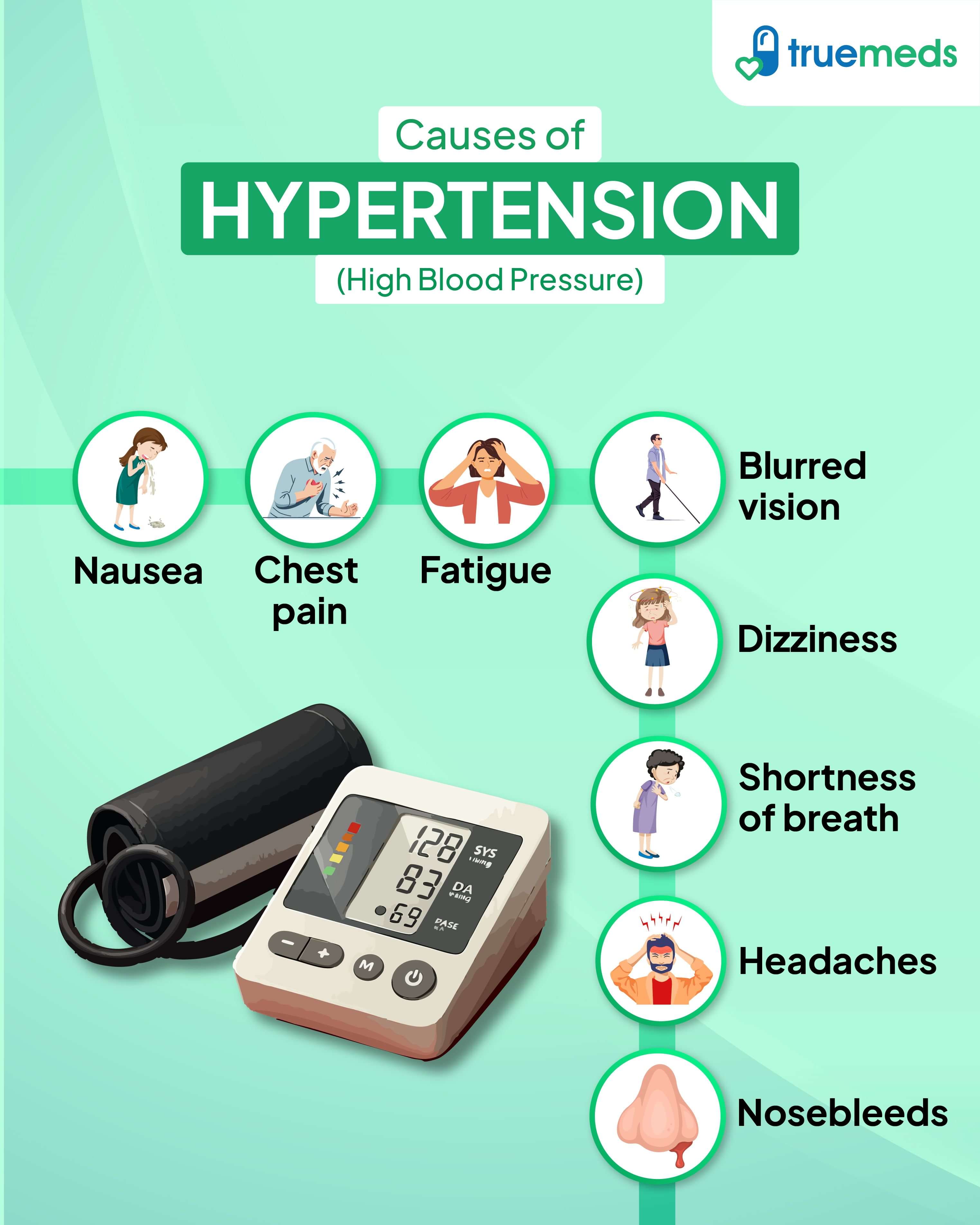
When blood pressure becomes extremely high, individuals may experience the following symptoms:
1. Dizziness
High blood pressure can sometimes cause dizziness or a feeling of lightheadedness. This may be due to the strain on the blood vessels and reduced blood flow to the brain.
2. Shortness of breath
Difficulty breathing or a sensation of breathlessness can be associated with high blood pressure, especially if it has led to complications such as heart disease or fluid buildup in the lungs.
3. Blurred vision
High blood pressure can affect the blood vessels in the eyes, leading to vision problems such as blurred or distorted vision. In severe cases, it can cause damage to the retina.
4. Chest pain
Although less common, high blood pressure can contribute to chest pain or discomfort. This can be a sign of more serious cardiovascular issues and warrants immediate medical attention.
5. Fatigue
Feeling fatigued without a clear reason can sometimes be related to high blood pressure, particularly if it has impacted heart function or overall cardiovascular health.
6. Nausea
In some cases, high blood pressure may be accompanied by nausea or a feeling of being unwell, especially if it is causing significant strain on the body's organs.
Stages of Hypertension
The American College of Cardiology and the American Heart Association have defined several stages of high blood pressure based on blood pressure readings. These stages help doctors assess the severity of hypertension and determine appropriate treatment plans. The stages are as follows:
1. Normal blood pressure
A reading below 120/80 mm Hg is considered normal blood pressure.
2. Elevated blood pressure
When the systolic pressure is between 120 and 129 mm Hg, and the diastolic pressure is below 80 mm Hg, it is classified as elevated blood pressure.
3. Stage 1 hypertension
If the systolic pressure is between 130 and 139 mm Hg, or the diastolic pressure is between 80 and 89 mm Hg, it is considered stage 1 hypertension.
4. Stage 2 hypertension
When the systolic pressure reaches 140 mm Hg or higher, or the diastolic pressure is 90 mm Hg or higher, it is classified as stage 2 hypertension.
5. Hypertensive crisis
A blood pressure reading of 180/120 mm Hg or higher is considered a hypertensive crisis and requires immediate medical attention (Whelton & Carey, 2020).
Causes of Hypertension
High blood pressure can arise from a variety of factors, often involving a combination of lifestyle, genetic, and environmental influences. These include:
1. Genetic factors
A family history of high blood pressure increases the likelihood of developing the condition. Genetic predisposition can affect how your body regulates blood pressure, making some individuals more susceptible.
2. Diet
Consuming a diet high in sodium (salt) and low in potassium, and a high intake of processed foods, saturated fats, and cholesterol, can contribute to high blood pressure.
3. Physical inactivity
Lack of regular physical activity is a significant risk factor for high blood pressure. Exercise helps to keep the heart and blood vessels in good condition, and insufficient activity can lead to weight gain and increased blood pressure.
4. Obesity
Being overweight or having obesity puts extra strain on the heart and blood vessels, leading to higher blood pressure. Excess body fat can also lead to changes in hormone levels that affect blood pressure regulation.
5. Excessive alcohol consumption
Drinking large amounts of alcohol regularly can raise blood pressure. It may also interfere with medications used to manage blood pressure and contribute to other health issues.
6. Smoking
Tobacco use damages blood vessels and can lead to the narrowing and stiffening of arteries, increasing blood pressure.
7. Chronic stress
Prolonged stress can contribute to high blood pressure by causing temporary spikes in blood pressure.
8. Certain medical conditions
Conditions such as diabetes, kidney disease, and sleep apnea can contribute to high blood pressure.
9. Medications
Some medications, including over-the-counter medicines like nonsteroidal anti-inflammatory drugs (NSAIDs) and certain prescription medications, can raise blood pressure (Whelton & Carey, 2020).
Risk Factors
Various factors can increase an individual's risk of developing high blood pressure, including:
- Increased risk with age
- Family history of hypertension
- Obesity
- Lack of physical activity
- Smoking
- Excessive alcohol consumption
- High dietary salt intake
- Low potassium levels
- Stress
- Certain chronic conditions, such as diabetes and kidney disease
Who's at Risk?
Several factors can increase an individual's risk of developing high blood pressure, including:
- People over 40 years of age
- Those with a family history of high blood pressure
- Individuals who are overweight or obese
- Those who are physically inactive
- Smokers
- Those consuming excessive amounts of salt and alcohol
- People with underlying conditions such as kidney disease, sleep apnoea, and thyroid disorders
By identifying and addressing these risk factors, individuals can take steps to prevent or manage high blood pressure effectively.
Complications
If left uncontrolled, high blood pressure can lead to various serious complications and health conditions, including:
1. Heart attack and heart failure
High blood pressure can damage the arteries supplying the heart, increasing the risk of heart attacks, heart failure, and angina (chest pain).
2. Stroke
High blood pressure can cause blood vessels in the brain to burst or become blocked, potentially leading to a stroke.
3. Kidney disease and failure
The blood vessels in the kidneys can be damaged by high blood pressure, which may result in kidney disease and kidney failure.
4. Vision problems
The small blood vessels in the eyes can be strained or damaged by high blood pressure, causing vision loss or impairment.
5. Sexual dysfunction
High blood pressure, especially when uncontrolled, can contribute to erectile dysfunction in men. Evidence for sexual dysfunction in women is mixed and less certain.
6. Peripheral artery disease (PAD)
Narrowing and blockages in arteries outside the heart can be caused by high blood pressure, leading to PAD.
7. Hypertensive crisis
In some cases, high blood pressure can result in a medical emergency known as a hypertensive crisis, which requires immediate attention.
Prevention of Hypertension
To reduce your risk of developing high blood pressure, consider making the following lifestyle changes:
1. Adopt a healthy diet
Focus on consuming a low-sodium diet that is rich in fruits, vegetables, and whole grains (Williams et al., 2023).
2. Engage in regular physical activity
Aim for at least 150 minutes of moderate-intensity exercise per week to help maintain healthy blood pressure.
3. Manage your weight
Maintain a healthy body weight through a balanced diet and regular exercise.
4. Limit alcohol consumption
Limit your alcohol intake to no more than one drink per day for women and two drinks per day for men.
5. Quit smoking
Smoking cessation can help reduce your blood pressure and improve your overall health.
6. Reduce stress
Manage stress through techniques such as yoga, meditation, or deep breathing exercises.
Diagnosis & Tests
Diagnosing high blood pressure involves measuring blood pressure readings over time. The following steps are involved in the diagnosis of high blood pressure:
1. Initial screening
Your doctor will take your blood pressure reading during routine check-ups. If your blood pressure is elevated, they may recommend additional measurements to confirm the diagnosis.
2. Repeated measurements
To diagnose high blood pressure, your doctor will need to take multiple blood pressure readings over several appointments. This helps account for variations in blood pressure due to factors such as stress or anxiety.
3. Ambulatory blood pressure monitoring (ABPM)
In some cases, your doctor may recommend ABPM, which involves wearing a portable device that measures your blood pressure at regular intervals over 24 hours. This helps to identify variations in blood pressure throughout the day and night (Muntner et al., 2020).
4. Home blood pressure monitoring
Your doctor may also recommend home blood pressure monitoring, where you measure your blood pressure at home using a personal blood pressure monitor. This can help provide a more accurate picture of your blood pressure over time.
5. Additional tests
Depending on your individual circumstances, your doctor may recommend additional tests, such as blood tests, electrocardiograms (ECG), or echocardiograms, to assess any underlying conditions or complications related to high blood pressure.
Treatment & Management
Medications for High Blood Pressure
Various medications are used to manage high blood pressure (hypertension), each working through different mechanisms to lower blood pressure and reduce the strain on the heart (Williams et al., 2023).
1. Diuretics (Water Pills)
Diuretics such as hydrochlorothiazide, chlorthalidone, furosemide, spironolactone, and amiloride help the body eliminate excess salt and water, reducing blood volume and consequently lowering blood pressure.
2. Beta-Adrenergic Blockers
Medications like metoprolol, propranolol, and atenolol reduce heart rate and cardiac output, making them effective in managing hypertension, certain heart conditions, and anxiety-related blood pressure spikes.
3. Beta + Alpha Adrenergic Blockers
Labetalol and carvedilol block both beta and alpha receptors, leading to vasodilation and reduced heart rate, making them useful for treating severe hypertension and heart failure.
4. Alpha-Adrenergic Blockers
Medications such as prazosin, terazosin, and doxazosin help lower blood pressure by relaxing blood vessels, making them especially useful in cases of resistant hypertension or benign prostatic hyperplasia (BPH).
5. Calcium Channel Blockers
Medications like amlodipine, nifedipine, diltiazem, and verapamil relax blood vessels and reduce heart strain, improving blood flow and easing blood pressure control.
6. Angiotensin (AT1 Receptor) Blockers
Medications such as telmisartan, losartan, and valsartan prevent the narrowing of blood vessels, reducing blood pressure while protecting kidney function in patients with diabetes.
7. ACE Inhibitors
Medications like captopril, enalapril, lisinopril, and ramipril help lower blood pressure by blocking the enzyme responsible for blood vessel constriction, making them beneficial for hypertension and heart failure management.
8. Direct Renin Inhibitor
Aliskiren works by blocking renin, an enzyme that plays a role in increasing blood pressure, providing an alternative approach for blood pressure control.
9. Central Sympatholytics
Medications like clonidine and methyldopa lower blood pressure by reducing nerve signals that tighten blood vessels, making them useful for difficult-to-control hypertension.
10. Vasodilators
Hydralazine and minoxidil may be used in resistant hypertension. Diazoxide and sodium nitroprusside are used only in hospital settings for hypertensive emergencies, not routine hypertension treatment.
These medications are often used alone or in combination to achieve optimal blood pressure control and prevent complications like heart disease, kidney damage, and stroke.
When to See a Doctor?
If you experience any symptoms or conditions that may indicate high blood pressure, such as dizziness, headaches, or unexplained nosebleeds, it is crucial to consult a doctor. For individuals already diagnosed with hypertension, regular follow-up with a doctor is essential to monitor blood pressure and adjust the treatment plan as needed. Your doctor will work with you to determine the most appropriate management strategy based on your individual circumstances and risk factors.
Key Takeaways
- High blood pressure is a common condition that can lead to serious complications if left untreated.
- Hypertension management involves a combination of lifestyle modifications and medications.
- Lifestyle changes include weight loss, dietary improvements, regular exercise, moderating alcohol intake, and following the DASH eating plan.
- Common medication classes used to treat high blood pressure include thiazide diuretics, ACE inhibitors/ARBs, calcium channel blockers, and sometimes beta blockers.
- Regular follow-up with your doctor is crucial for monitoring blood pressure and adjusting treatment as needed.
- Seek immediate medical attention if you experience symptoms of a hypertensive crisis, such as severe headache, chest pain, or shortness of breath.
FAQs
What are the worst foods for high blood pressure?
How to reduce BP naturally?
How high is BP acceptable?
How to control BP?
What are the home remedies for high BP?
What Ayurvedic ingredient helps with high BP?
What are the early symptoms of high blood pressure in a woman?
References
- Whelton, P. K., & Carey, R. M. (2020). The 2020 International Society of Hypertension Global Hypertension Practice Guidelines. Hypertension, 75(6), 1334–1357. https://doi.org/10.1161/HYPERTENSIONAHA.120.15026
- Williams, B., et al. (2023). 2023 European Society of Hypertension Guidelines for the management of arterial hypertension. Journal of Hypertension. https://www.eshonline.org/guidelines/
- Cluett, J. L., & Williams, J. H. (2024). Evaluation and Management of Resistant Hypertension: Core Curriculum 2024. https://doi.org/10.1053/j.ajkd.2024.04.009
- Muntner, P., et al. (2020). Measurement of blood pressure in humans: A scientific statement from the American Heart Association. Hypertension. https://doi.org/10.1161/HYP.0000000000000087
Check Related Salts
Browse Other Conditions
Latest health articles
Top Health Essentials













Disclaimer
Top-Selling Medicines:
...View more
Top-OTC medicines:
...View more
Company
About UsHealth ArticleHealth StoriesHealth LibraryDiseases & Health ConditionsAyurvedaUnderstanding Generic MedicinesAll MedicinesAll BrandsNeed HelpFAQSecuritySavings CalculatorAdvertise with UsSubscribe
Registered Office Address
Grievance Officer
Download Truemeds


Contact Us
Our customer representative team is available 7 days a week from 9 am - 9 pm.
v4.28.20

2026 - Truemeds | All rights reserved. Our content is for informational purposes only. See additional information.

Our Payment Partners




